Canfranc · Potential
Waiting for the Next Journey
Some places don't reach the end of their story. They simply wait for the next chapter.
Canfranc Station · Potential · Waiting for the Next Journey
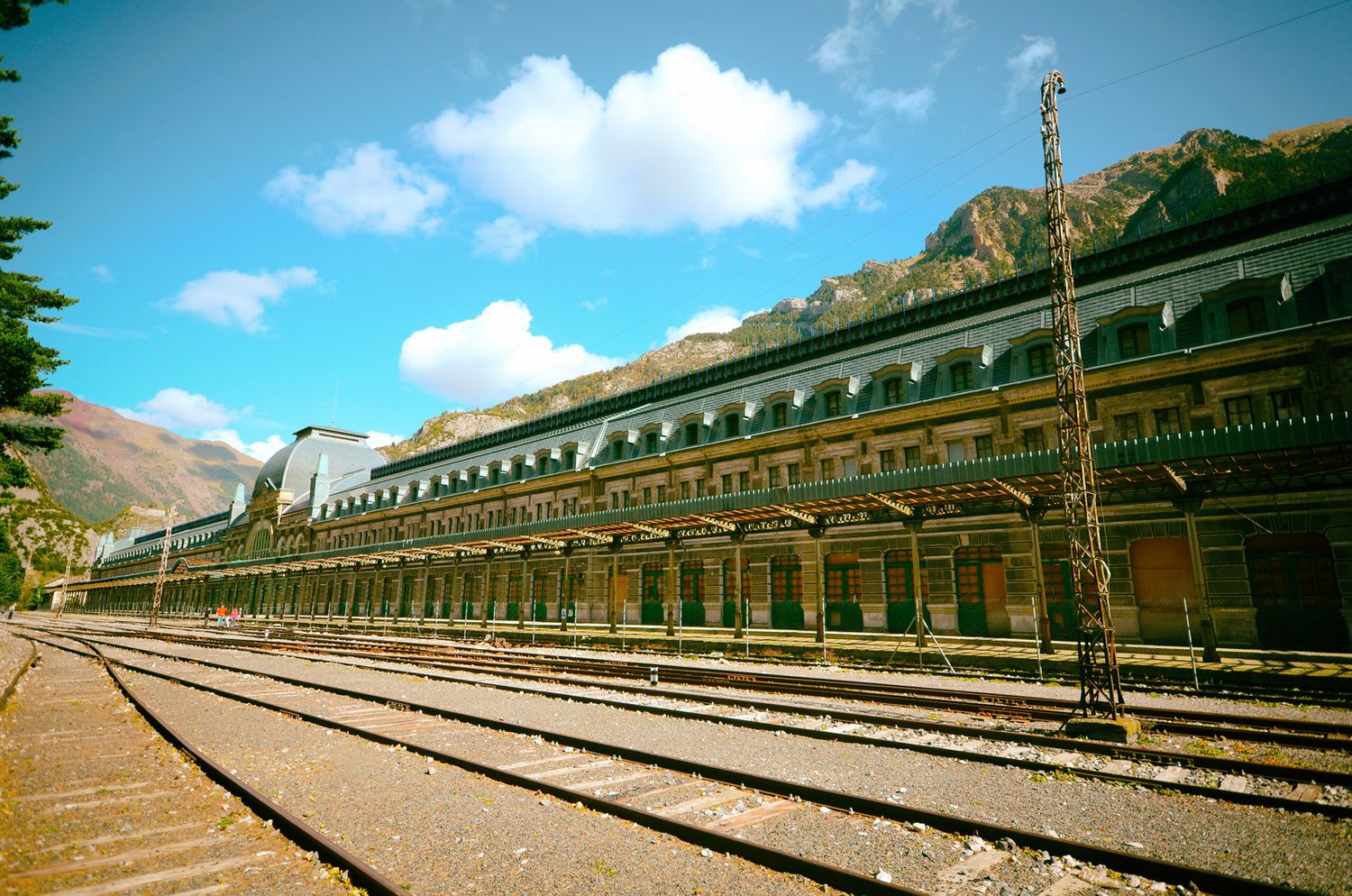
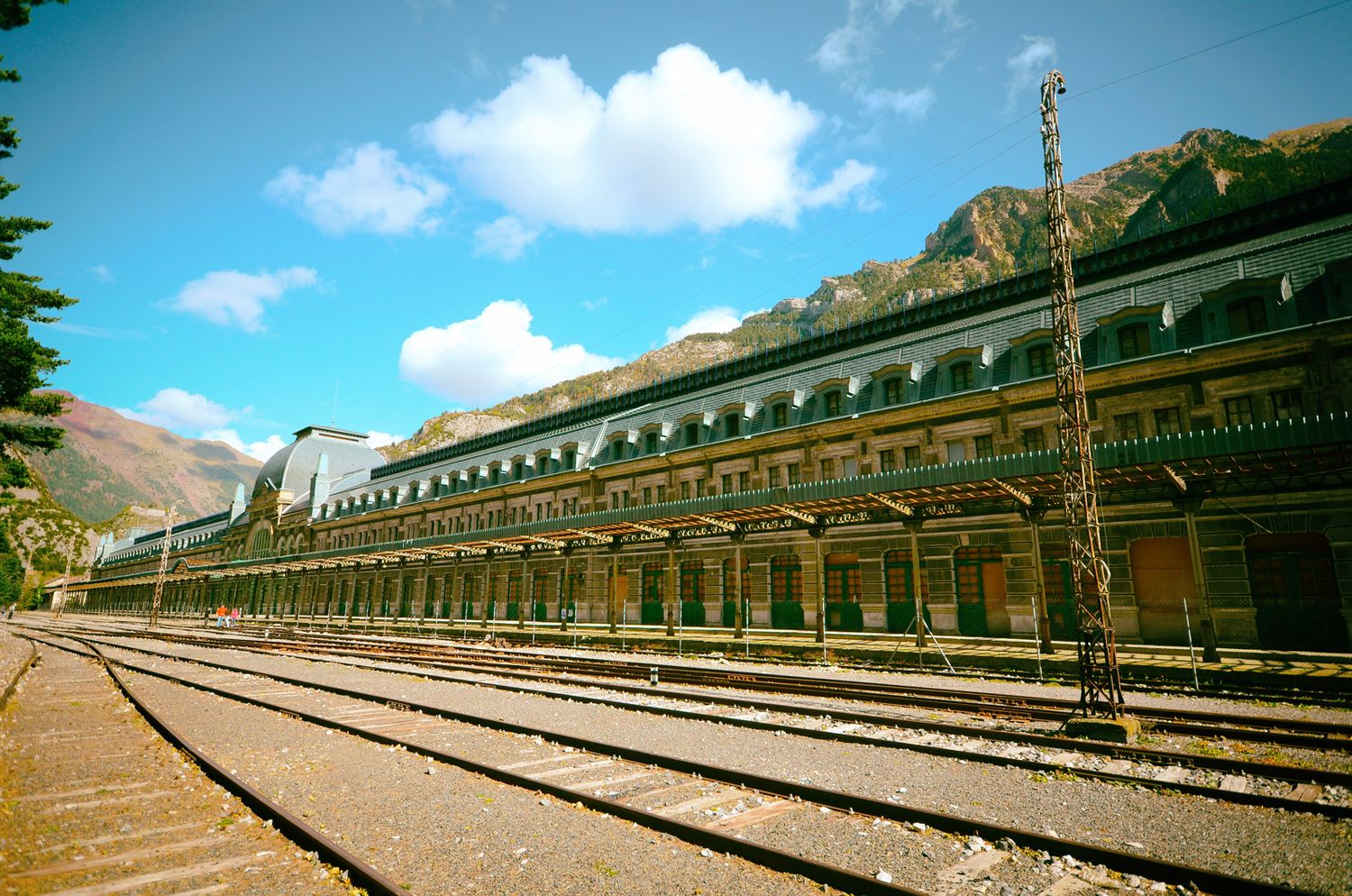
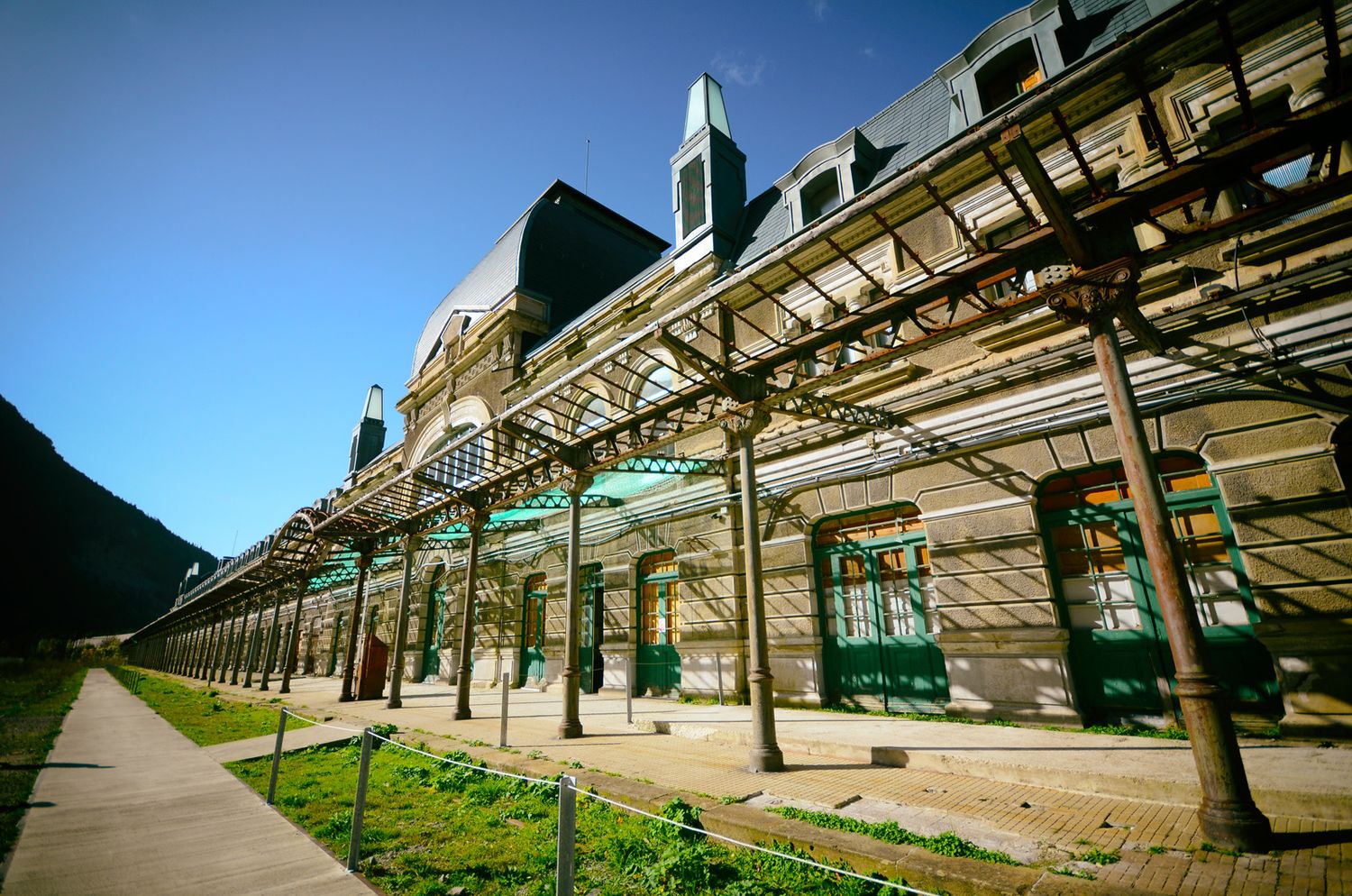
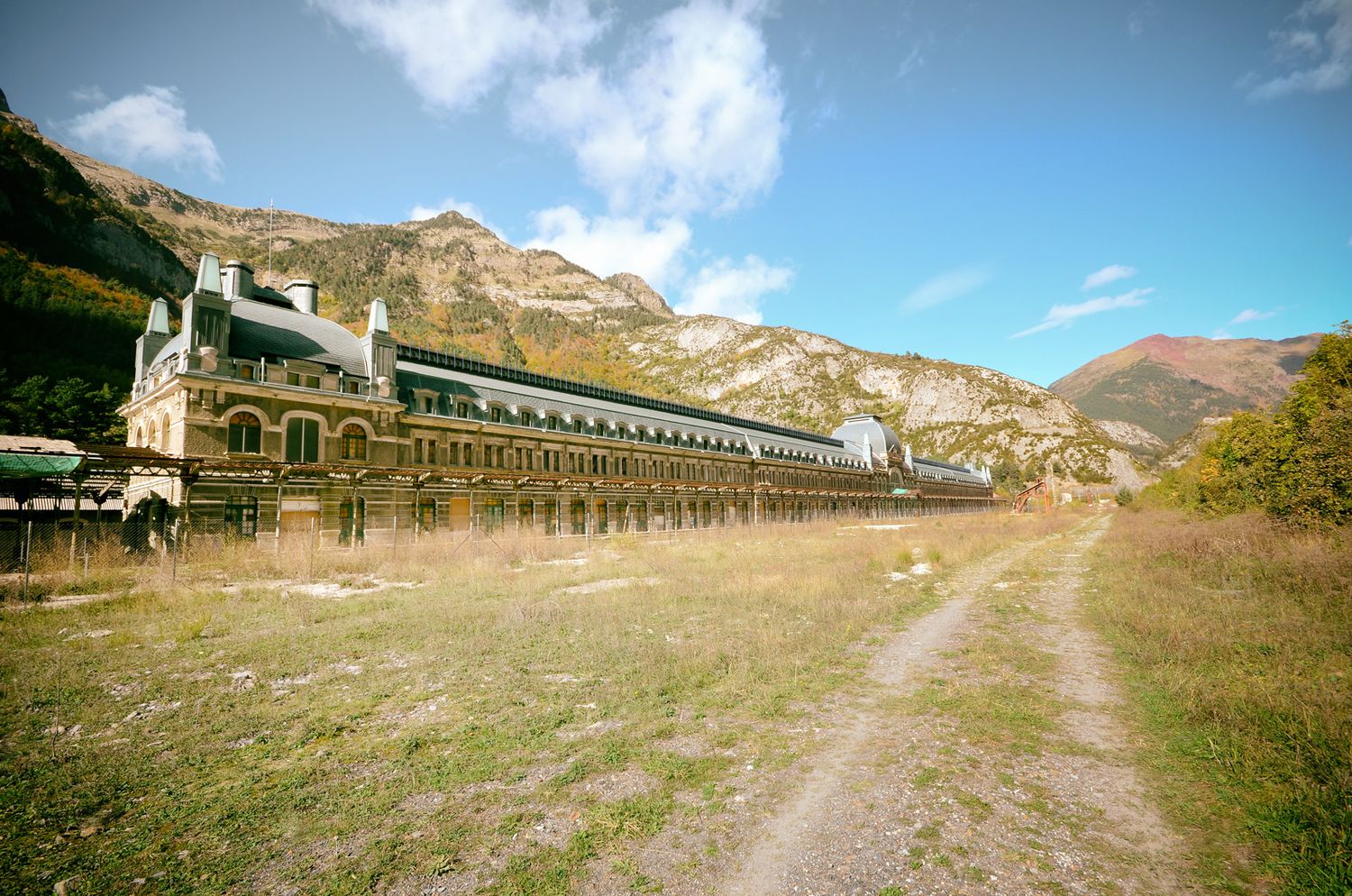
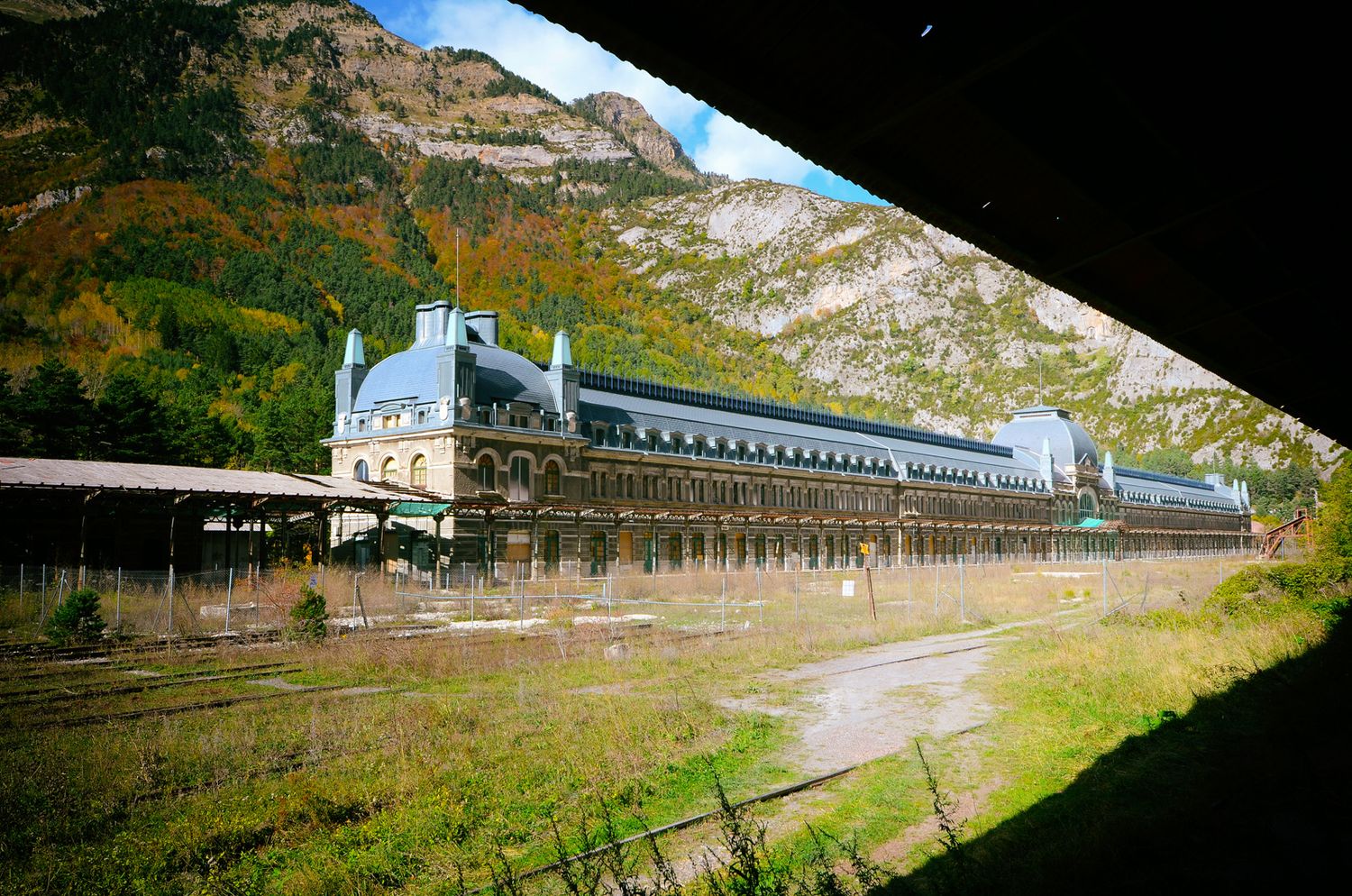
Hidden deep in the Pyrenees, Canfranc International Railway Station feels almost impossible. Stretching nearly a quarter of a kilometer beneath towering mountains, it was built to connect Spain and France and became one of Europe's most ambitious railway stations. Thousands of travelers once passed through its halls, carrying passports, luggage, and stories across the border.
When I first arrived, however, silence had replaced them all.
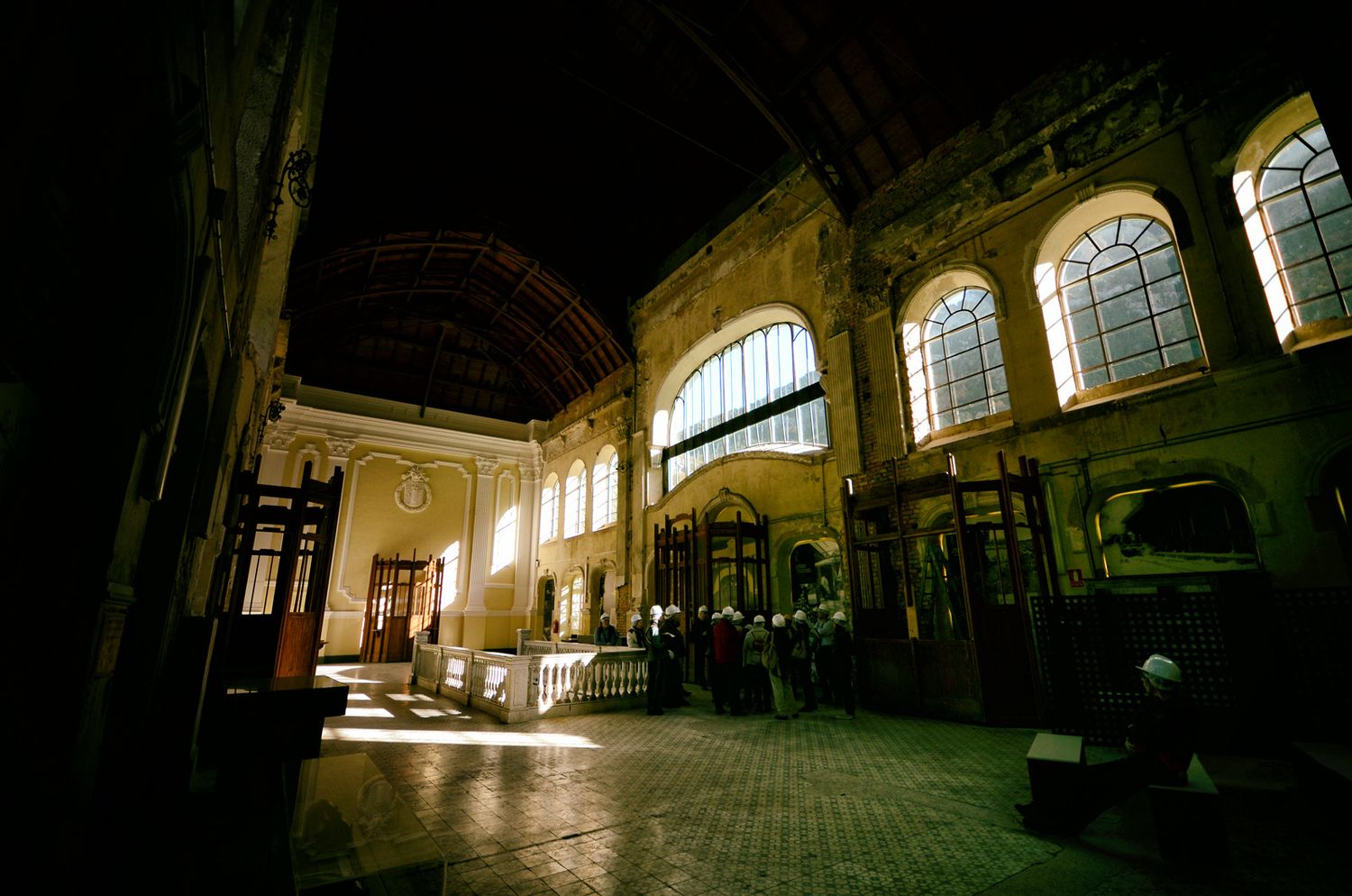
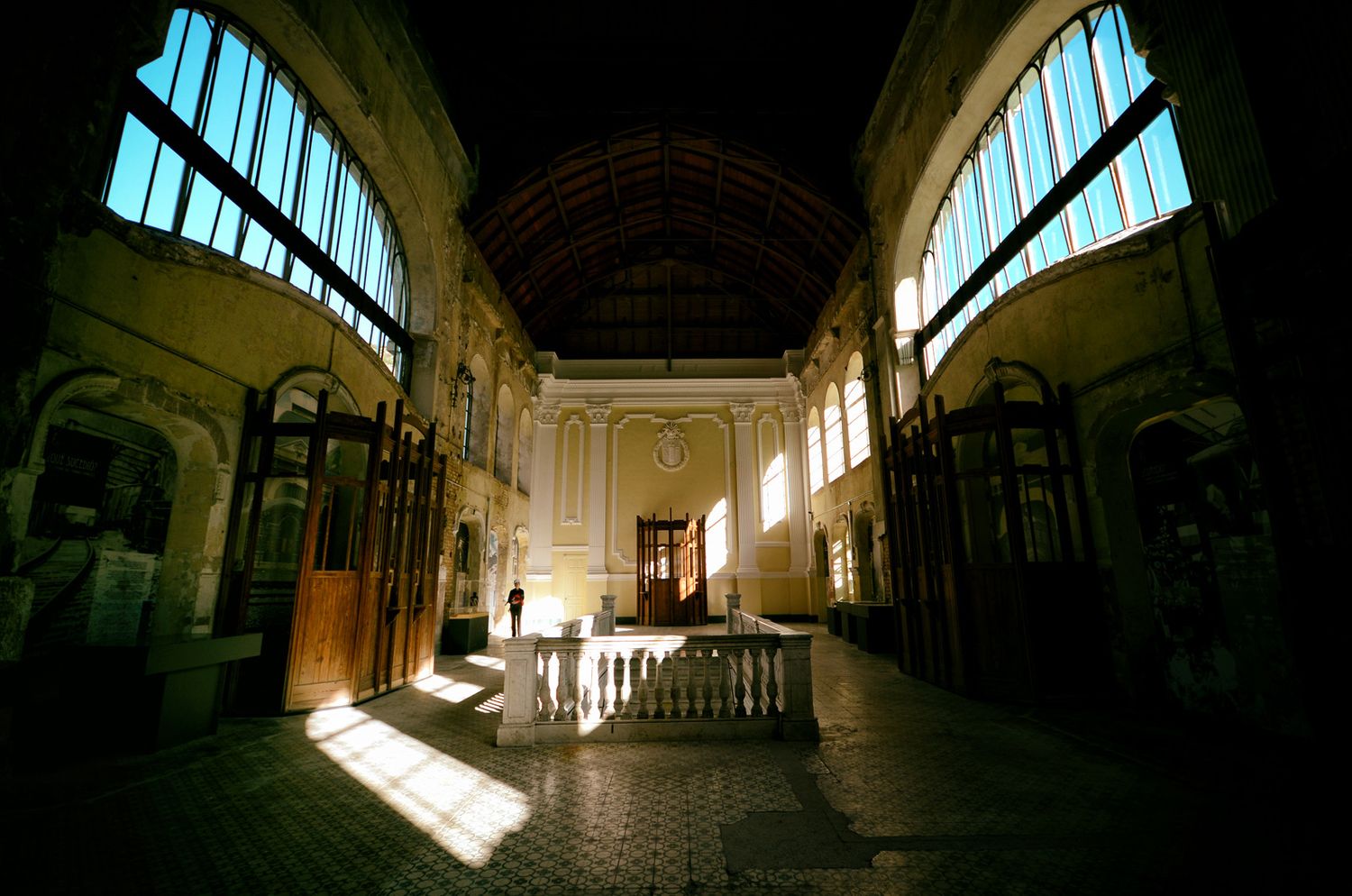
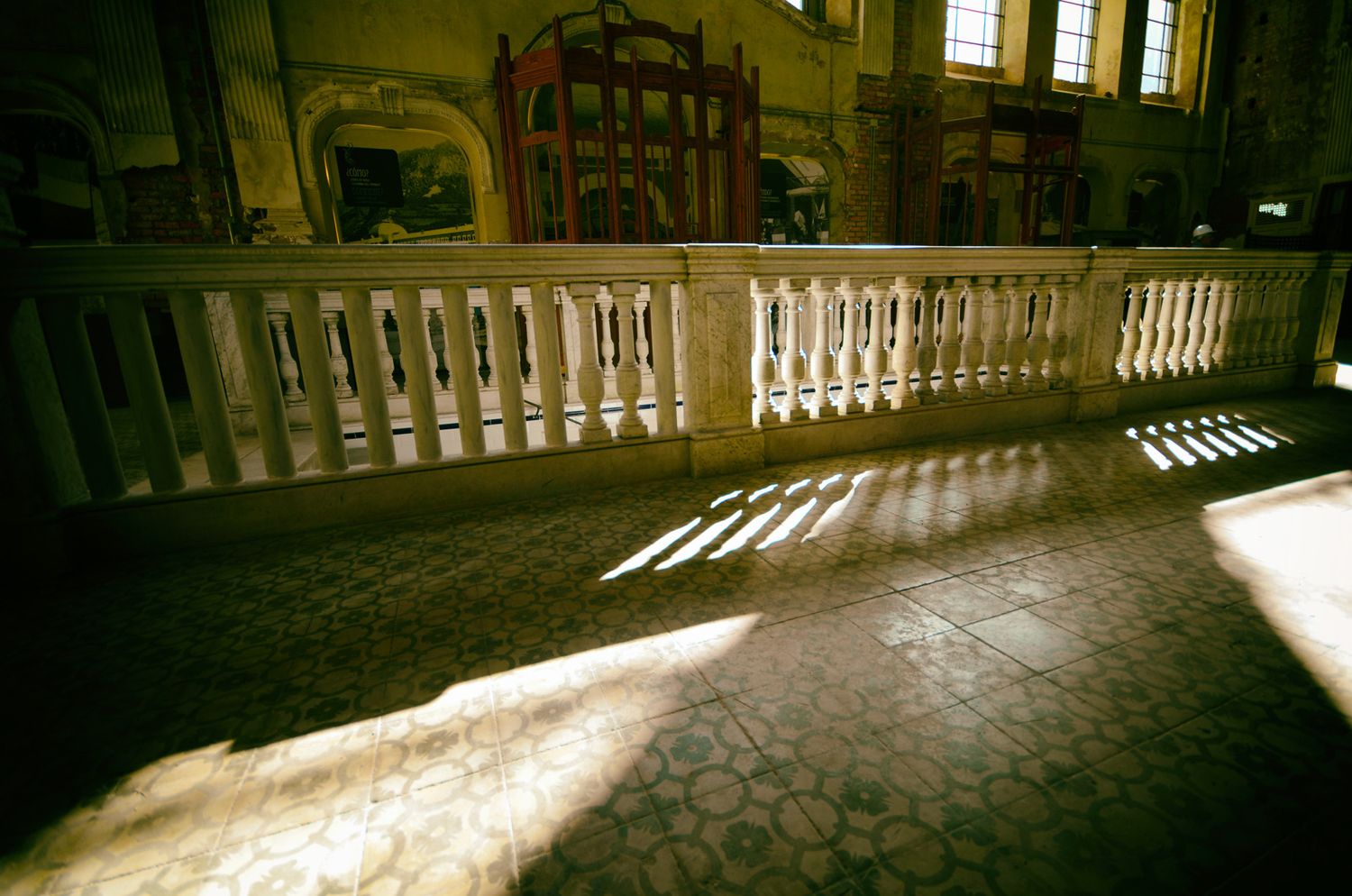
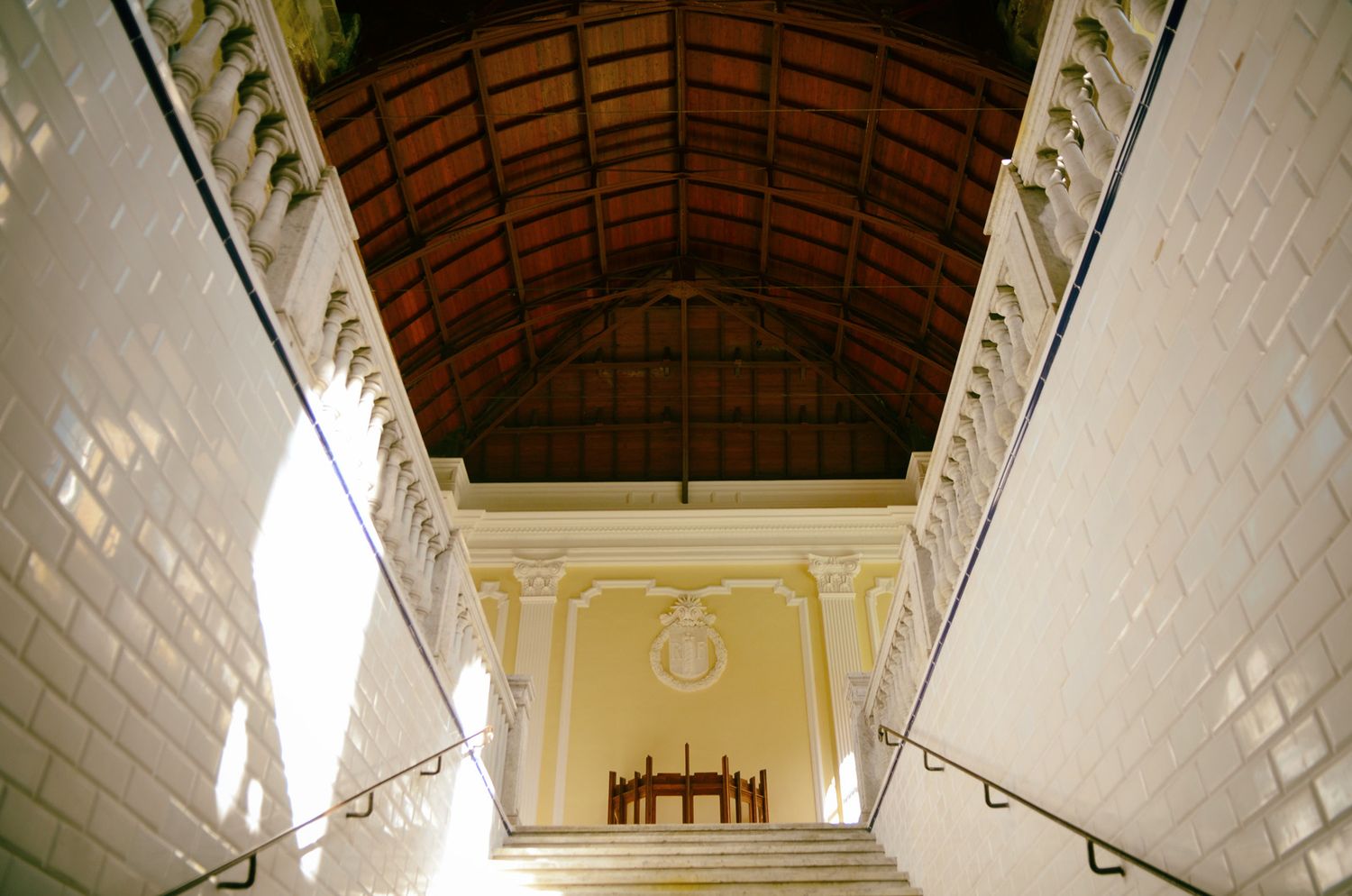
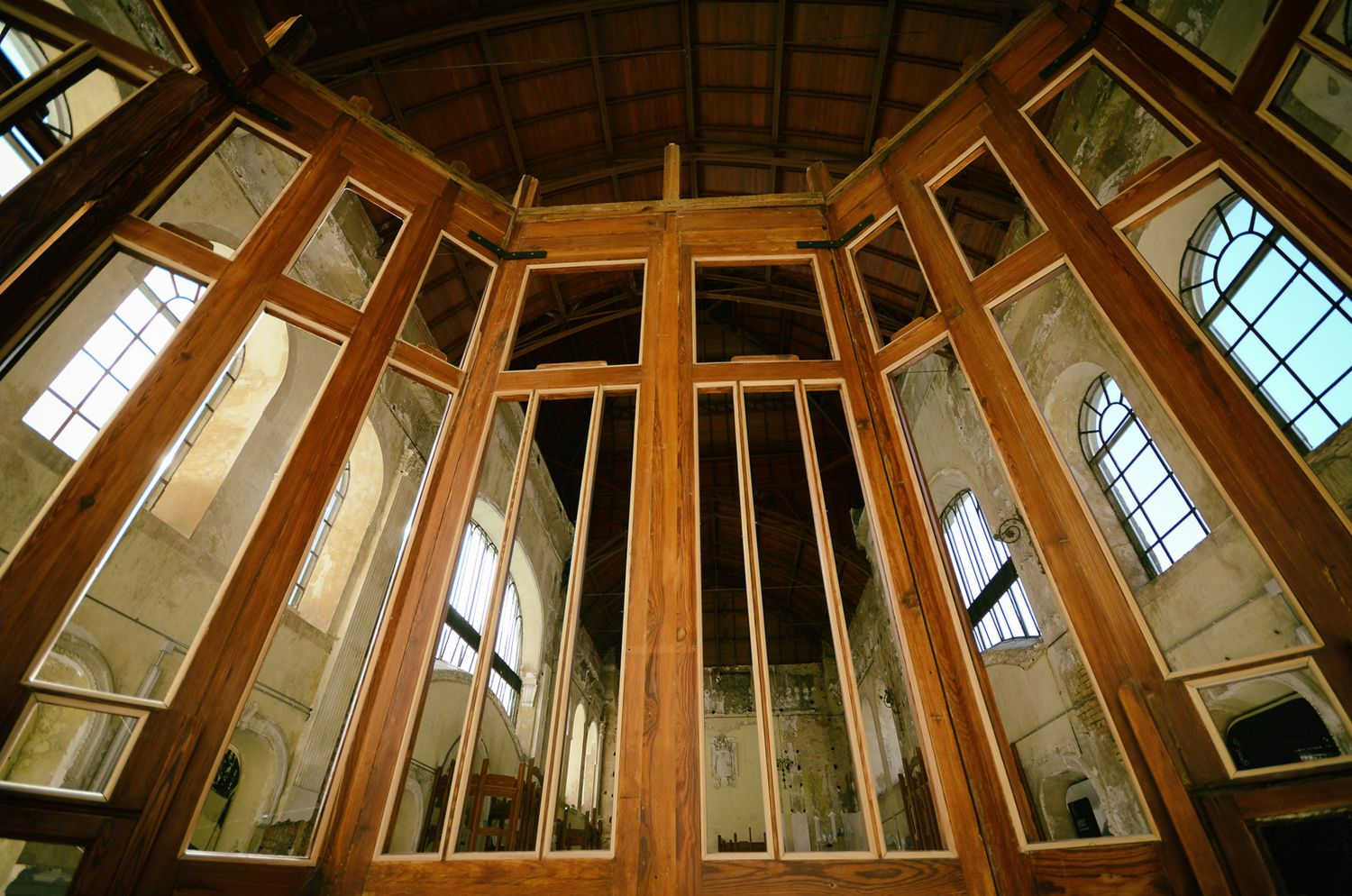
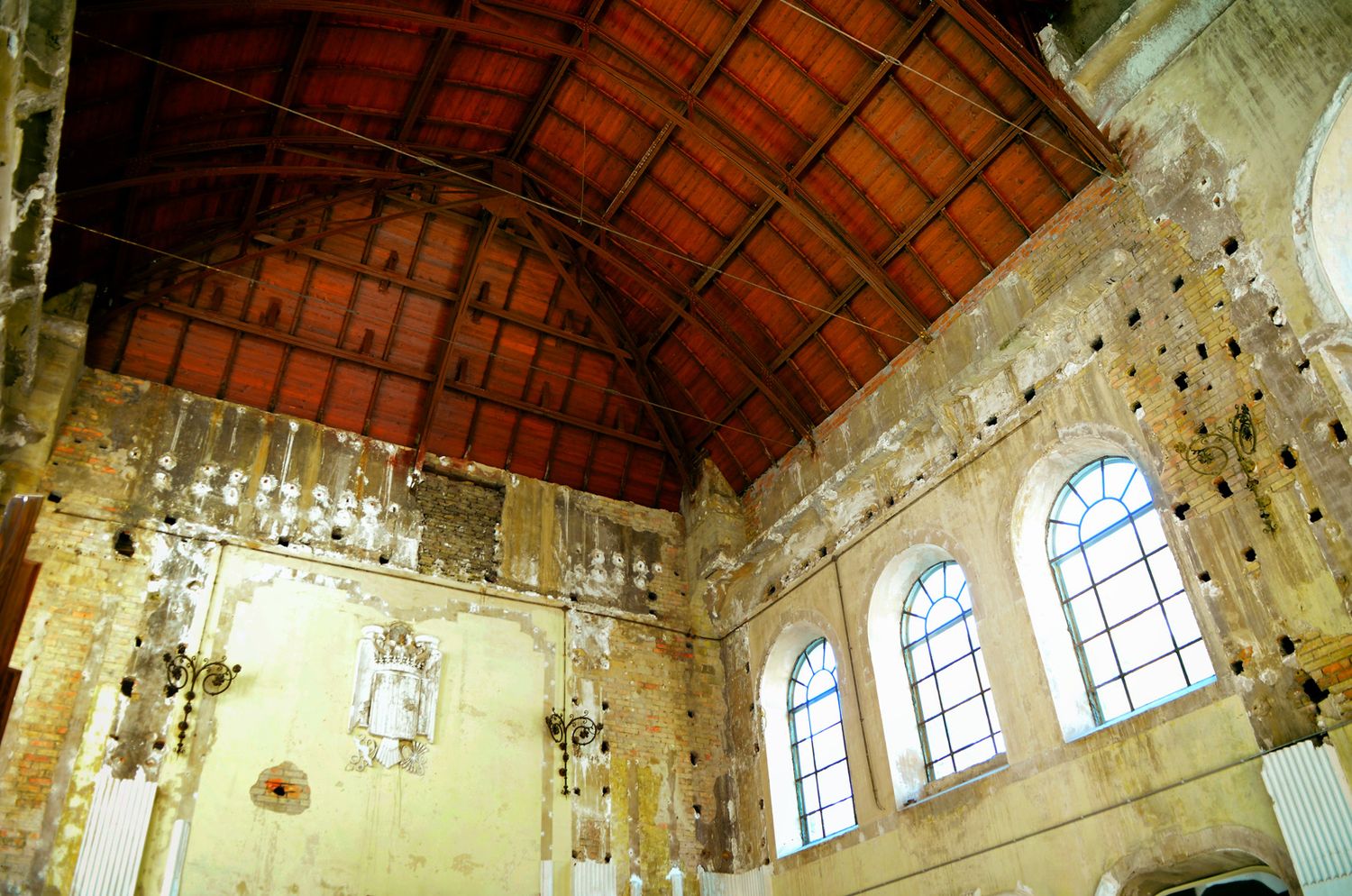
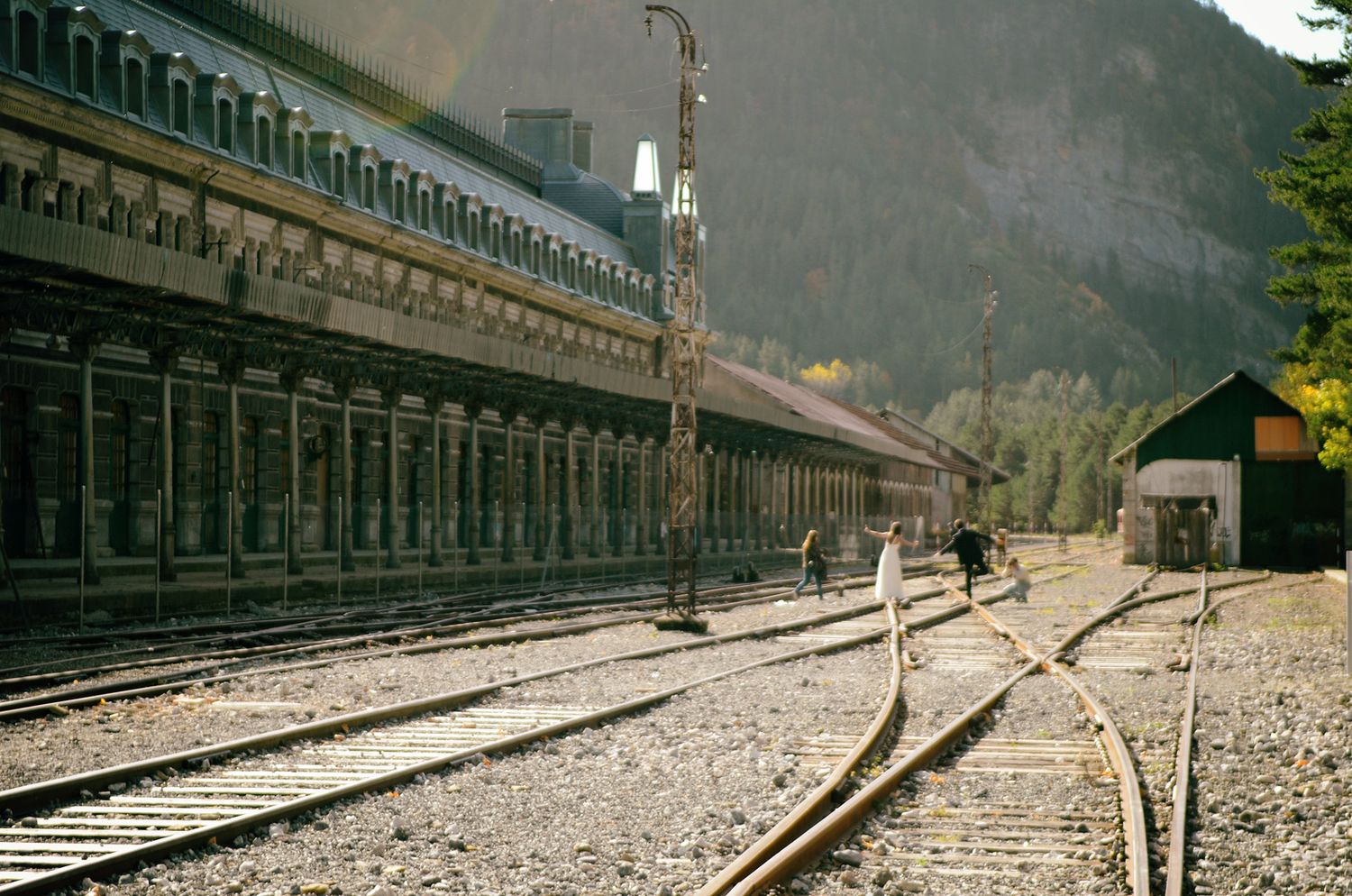
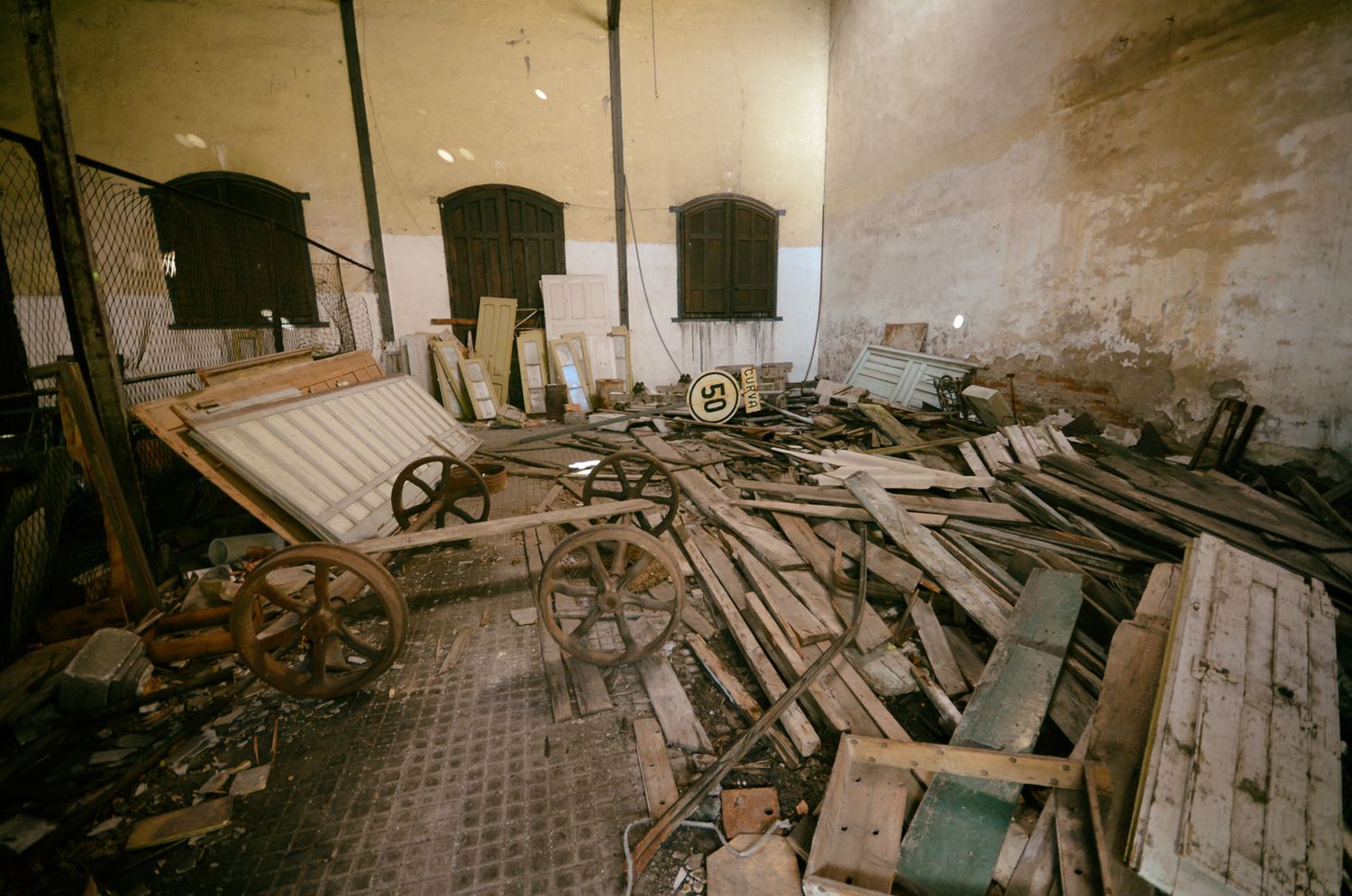
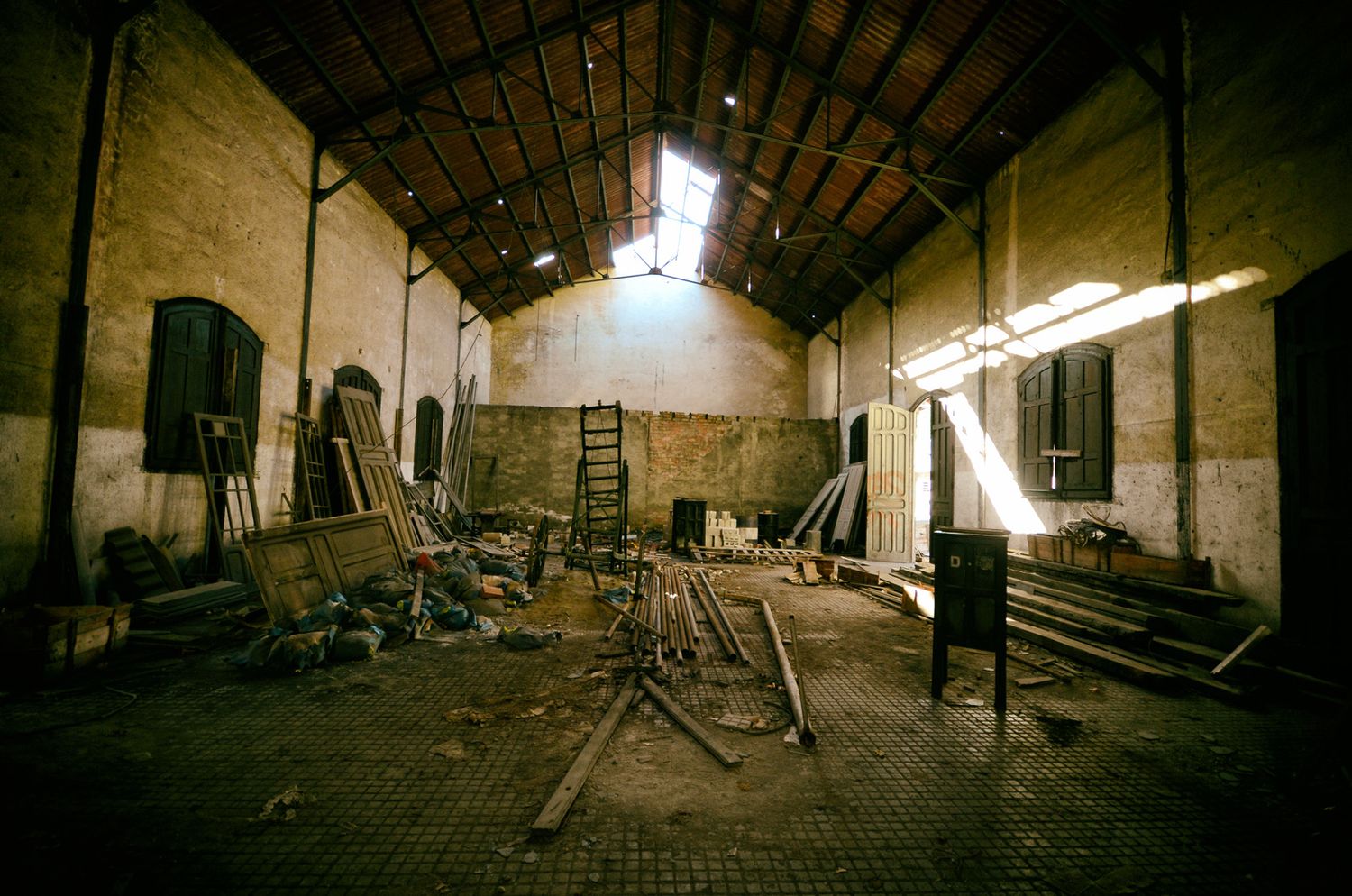
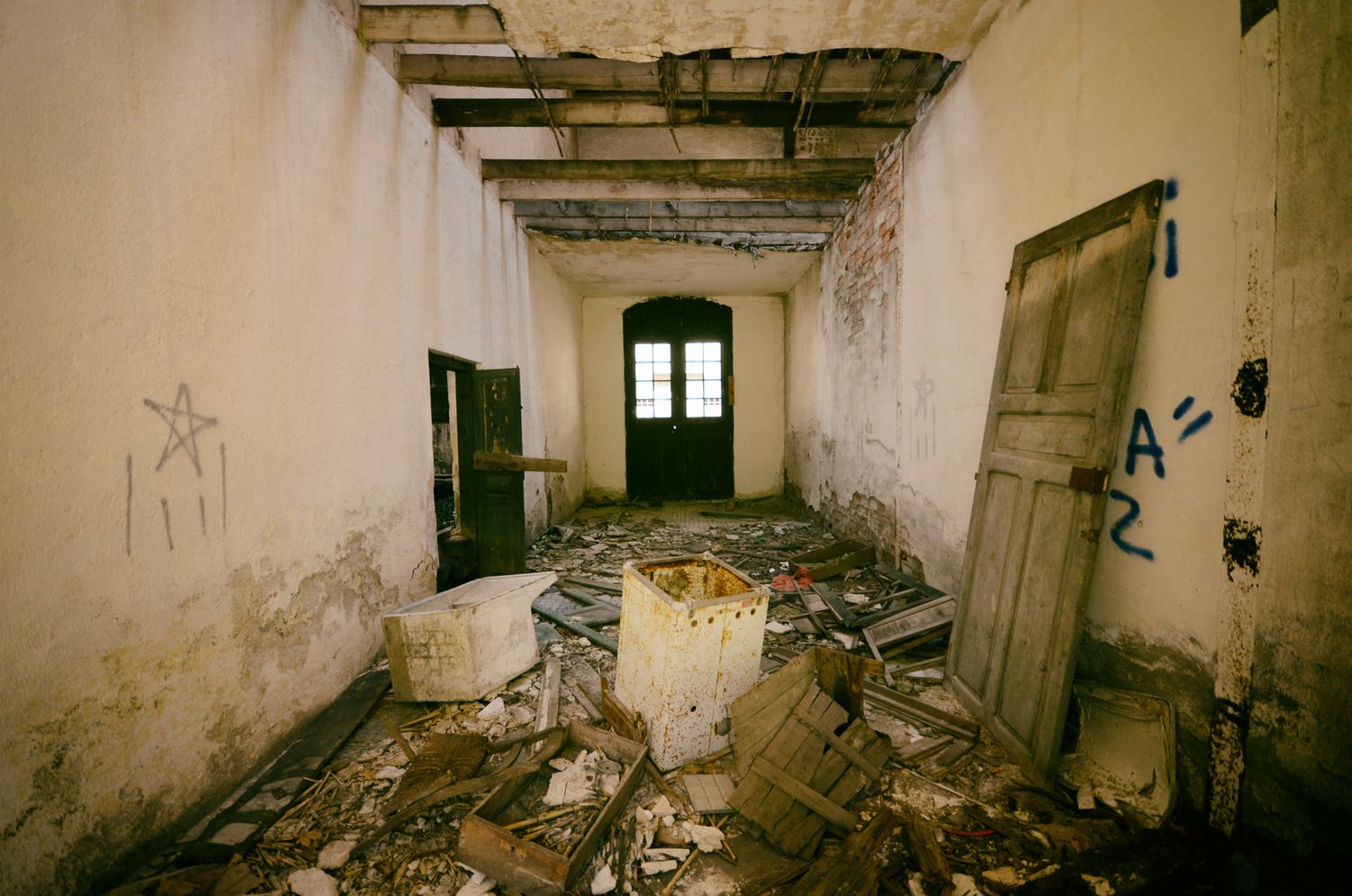
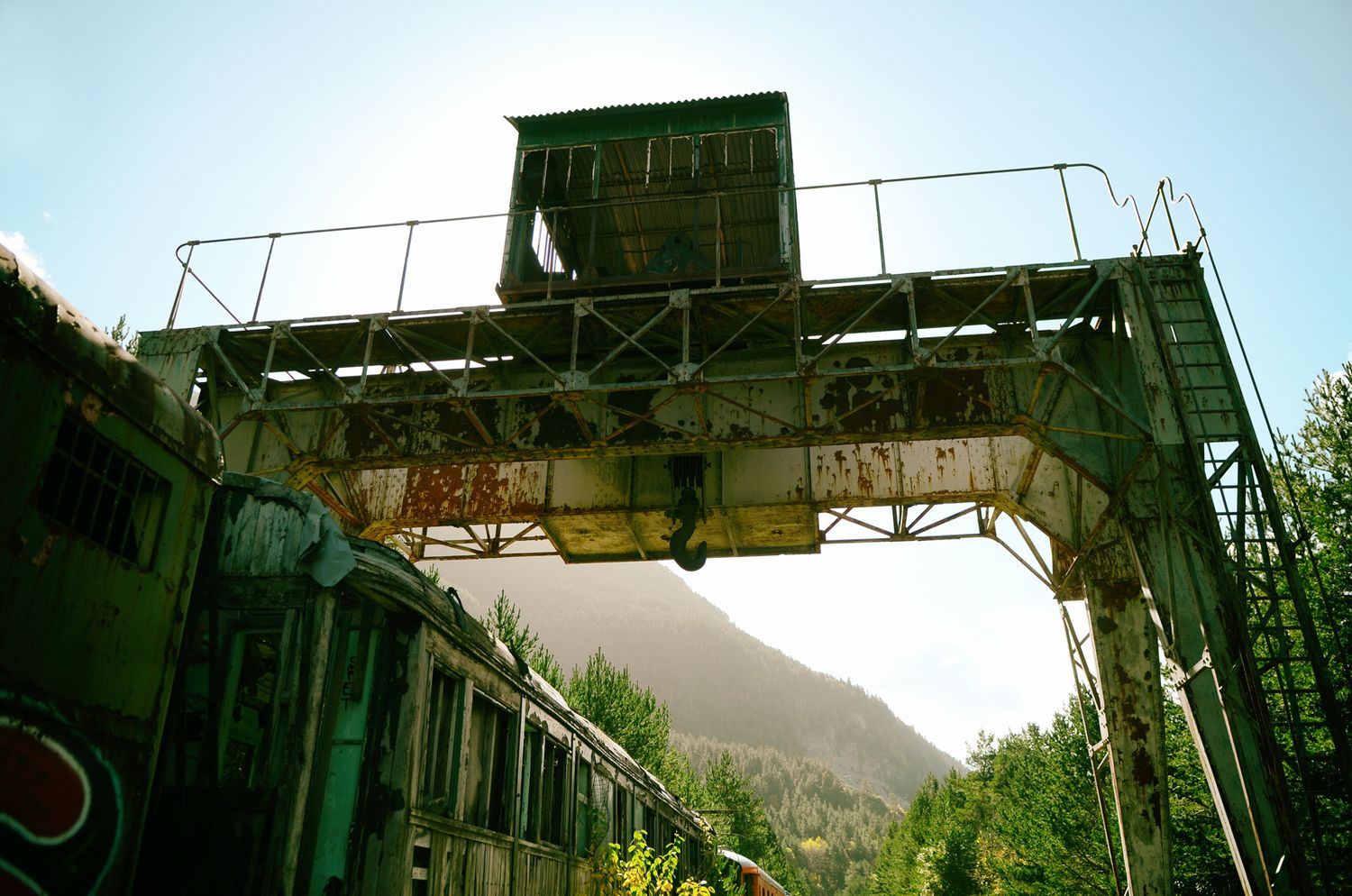
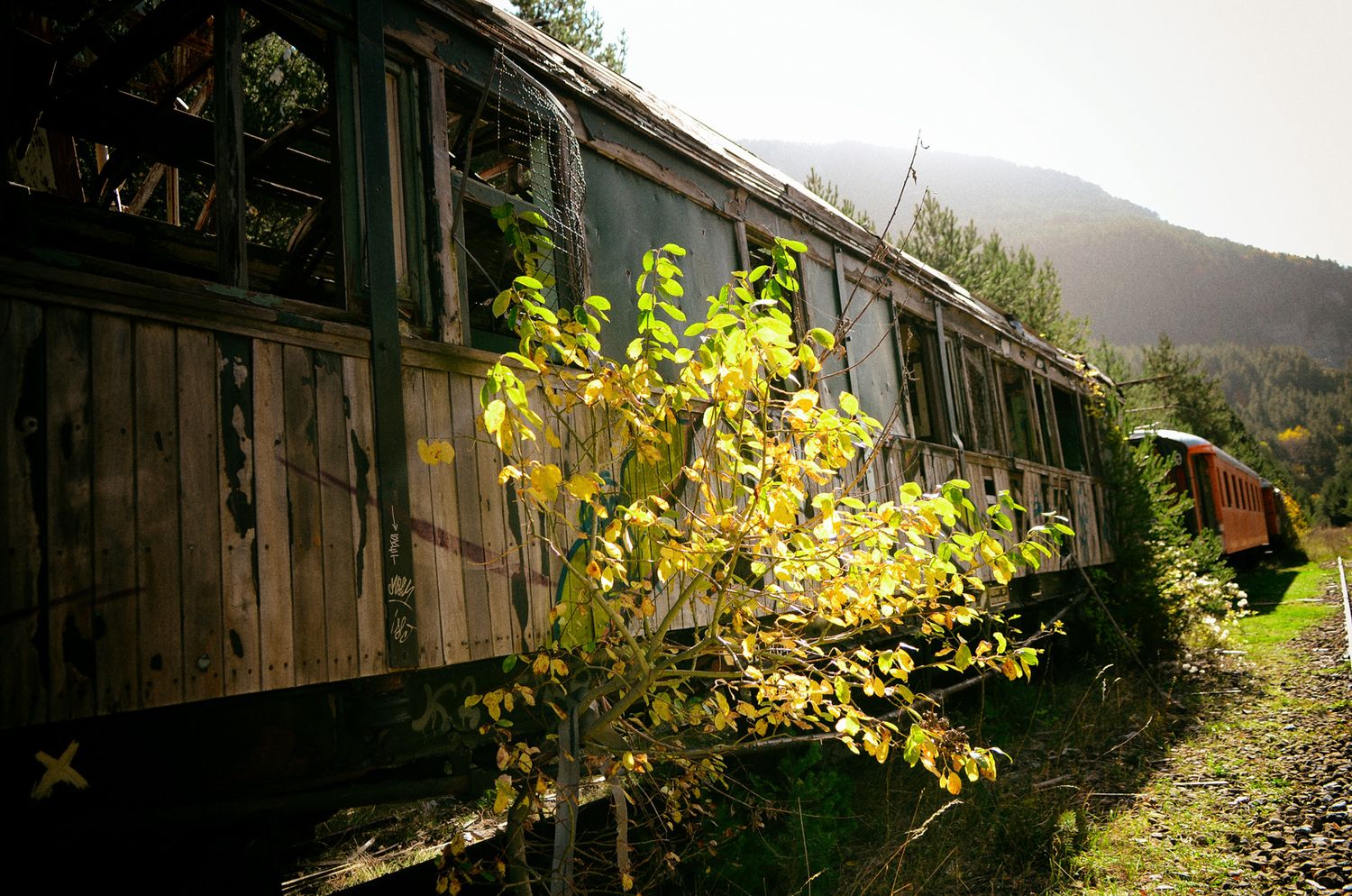
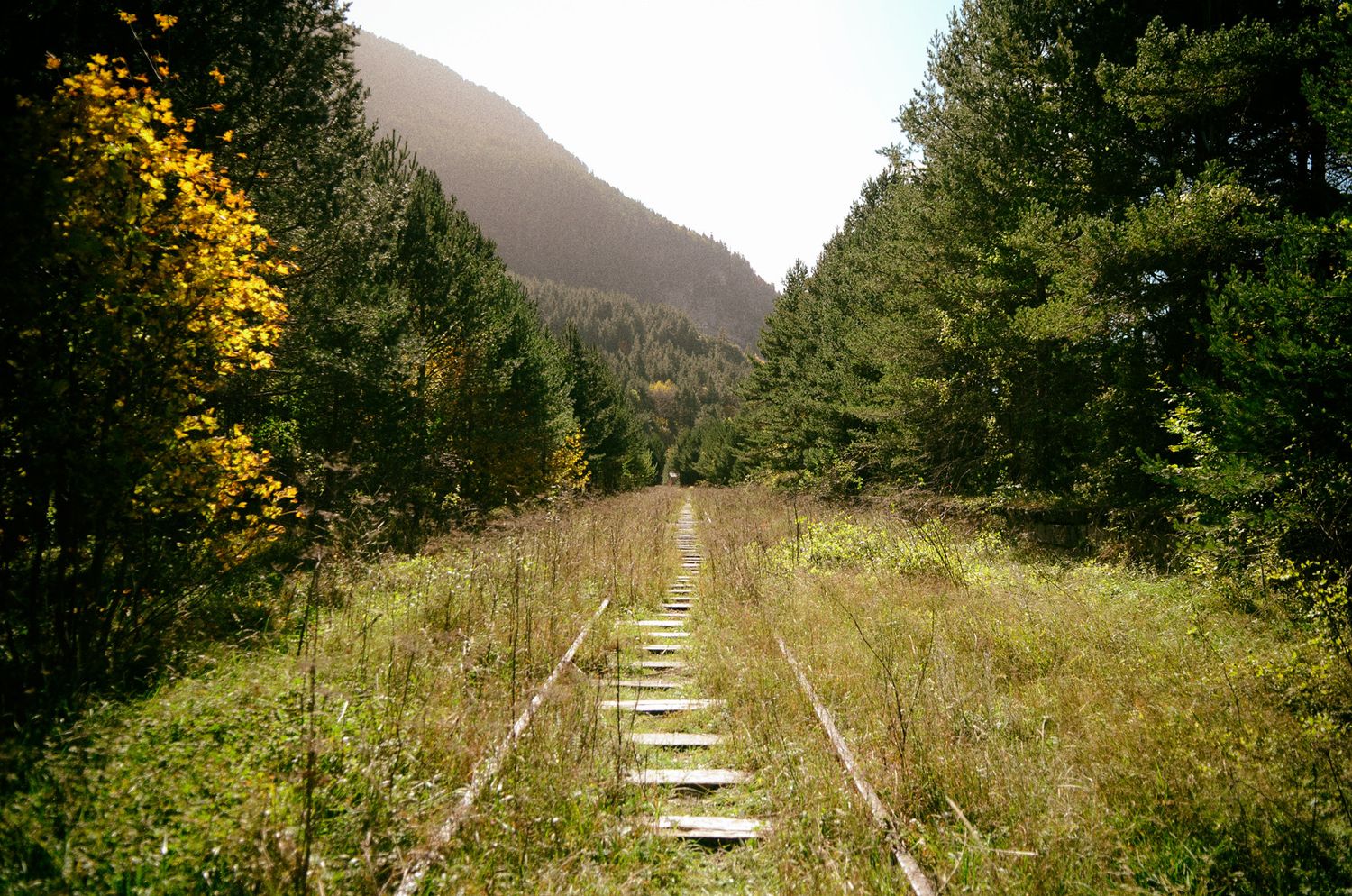
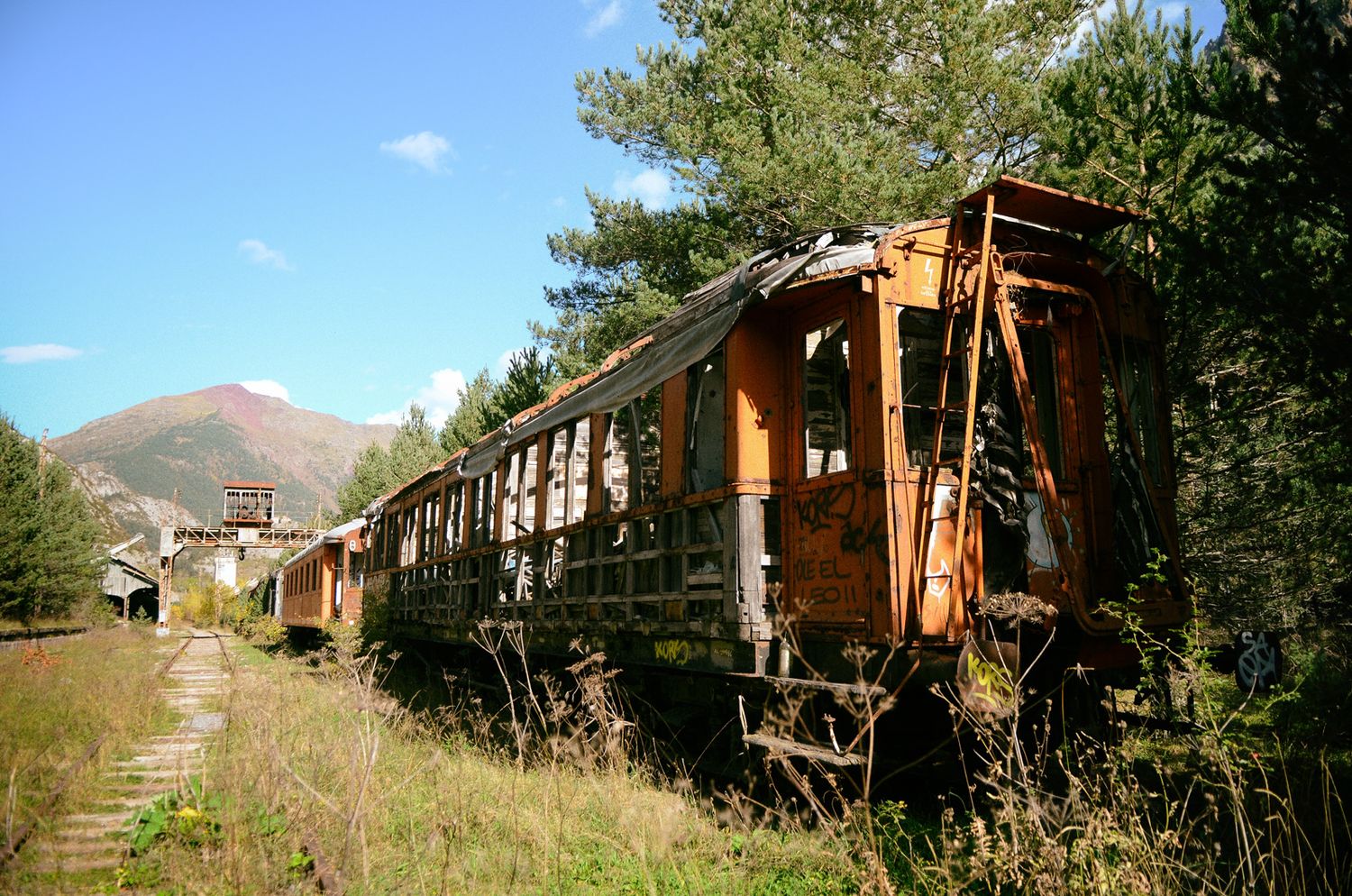
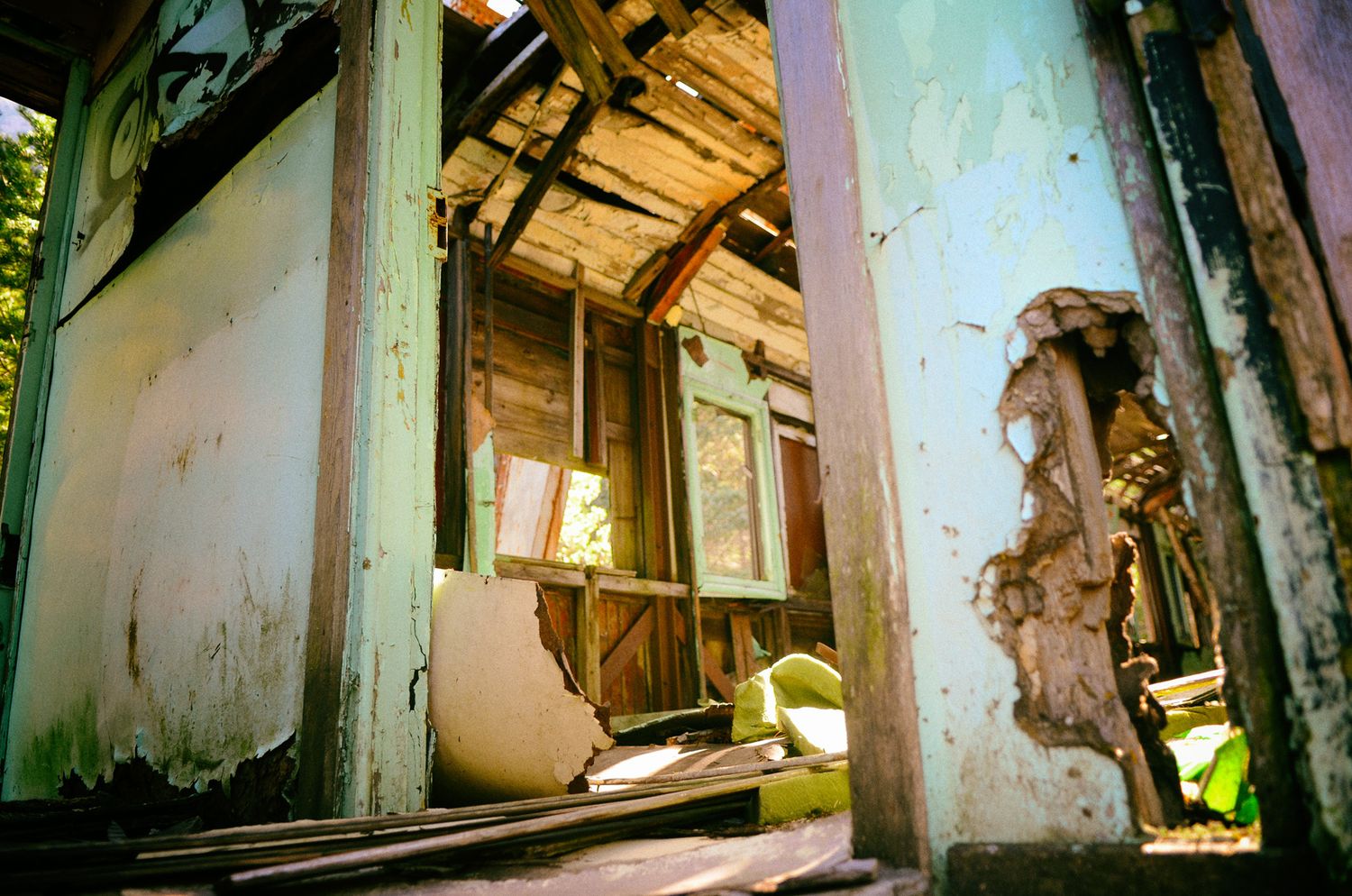
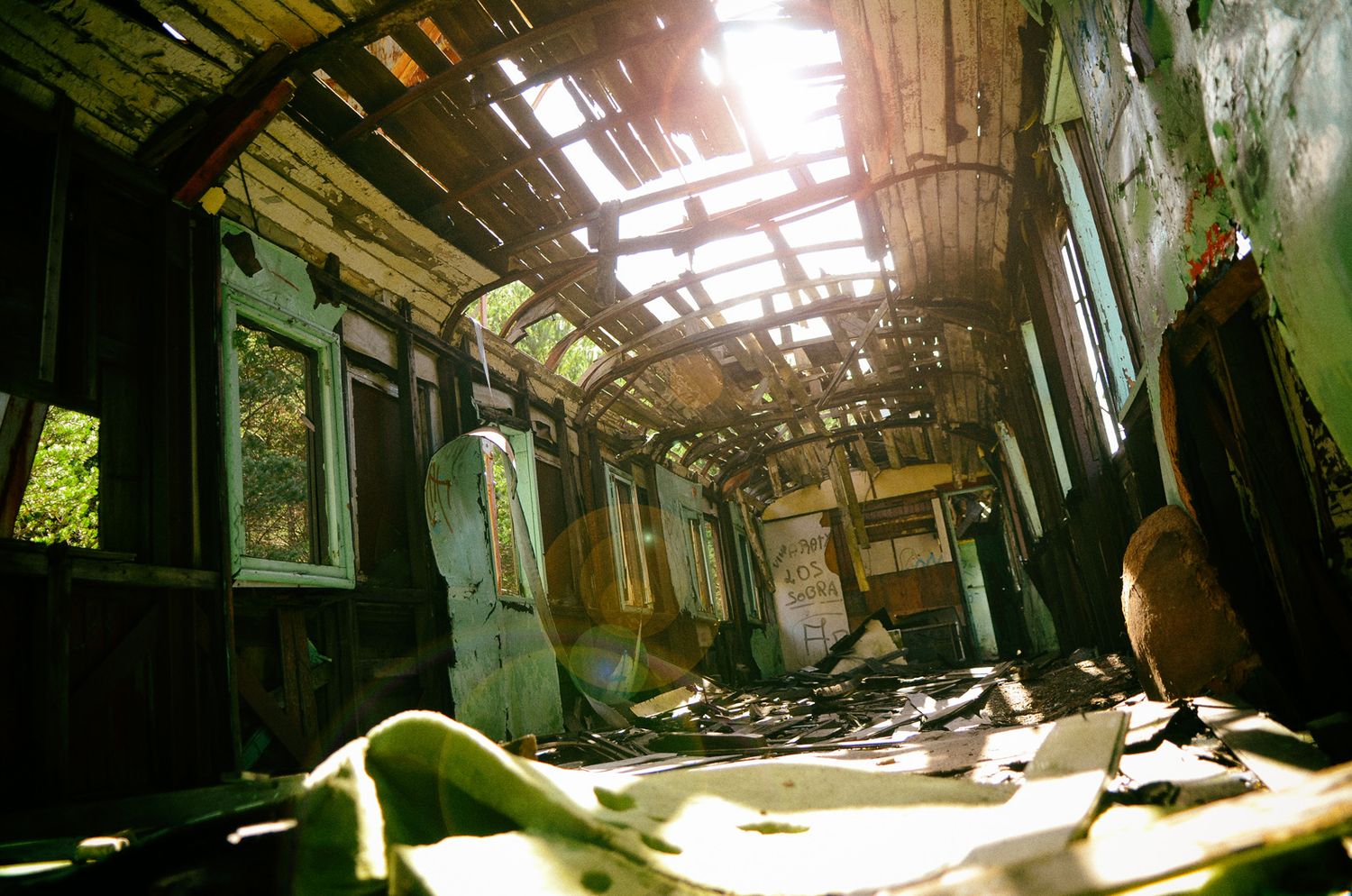
Sunlight streamed through broken windows onto deserted platforms. Empty waiting rooms echoed with footsteps instead of conversations, while rusting railway carriages rested quietly beside tracks that no longer led anywhere. For hours, I wandered through forgotten rooms, climbed abandoned staircases, and explored corridors suspended between past and present. Every broken window, peeling wall, and weathered platform invited me to imagine the people who had once hurried through this extraordinary place.
Unlike the abandoned villages I had photographed elsewhere in Spain, Canfranc felt different. It hadn't been forgotten because no one cared. It simply felt as though it was waiting—for someone to see beyond its broken windows and imagine what it could become. There was undeniable beauty in its decay, but there was also something else: possibility.
I was fortunate to photograph Canfranc during those quiet years, before the station entered its next chapter. The historic building has since been beautifully restored, but these photographs preserve a moment that can never be repeated—a time when history, decay, and hope occupied the same remarkable space.
Looking back, I realize I wasn't photographing the end of Canfranc's story.
I was photographing the beginning of its next journey.
Looking Closer
Opened in 1928, Canfranc International Railway Station was built to connect Spain and France through the Pyrenees and became one of Europe's largest railway stations. During the Second World War, it served as an important border crossing, playing a role in the movement of refugees, intelligence networks, and goods between occupied France and Spain.
After a railway bridge collapsed on the French side in 1970, international rail service came to an end, and the station gradually fell into disuse. Decades later, the historic building was carefully restored and reopened as a hotel, while plans continue to re-establish the international railway connection across the Pyrenees.
Today, Canfranc stands not only as a monument to its remarkable past, but also as a reminder that even abandoned places can begin again. Ref. Fundación de los Ferrocarriles Españoles; Gobierno de Aragón; BBC Travel (2025).