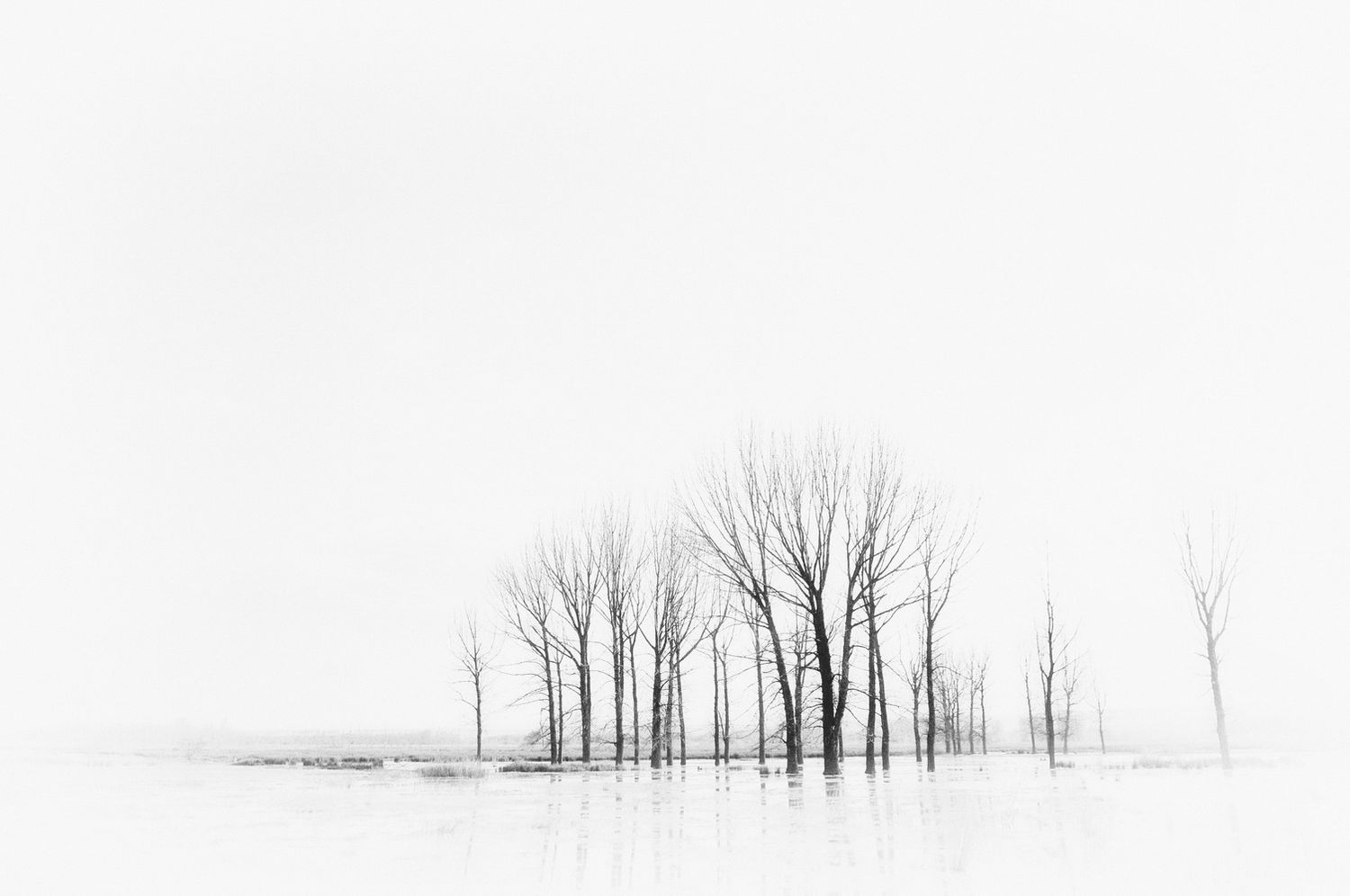
Cañizar Lagoon · Renewal
A Landscape Returning
At first, I thought I was photographing a landscape that had been left behind.
Cañizar Lagoon · Renewal · A Landscape Returning
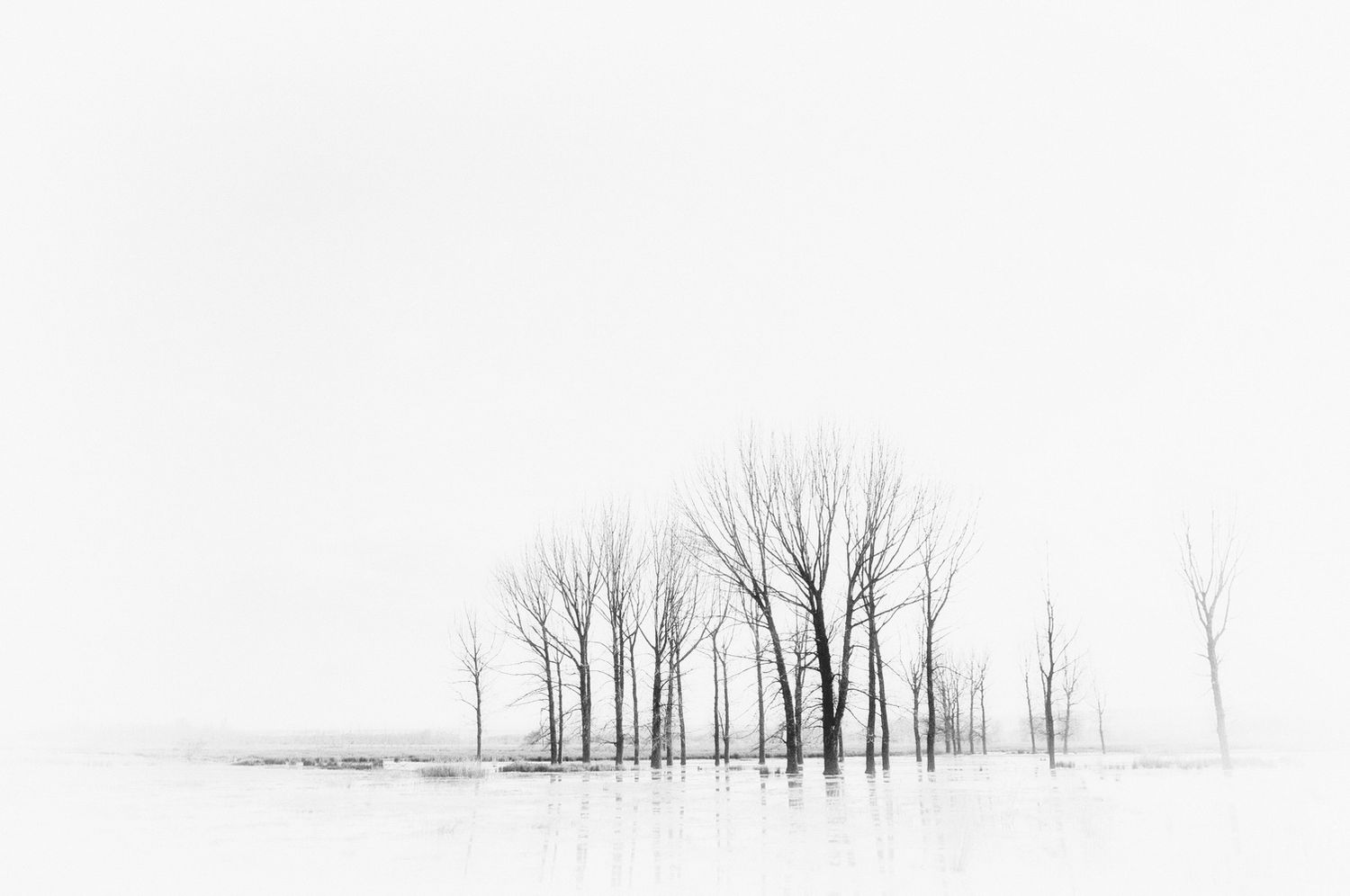
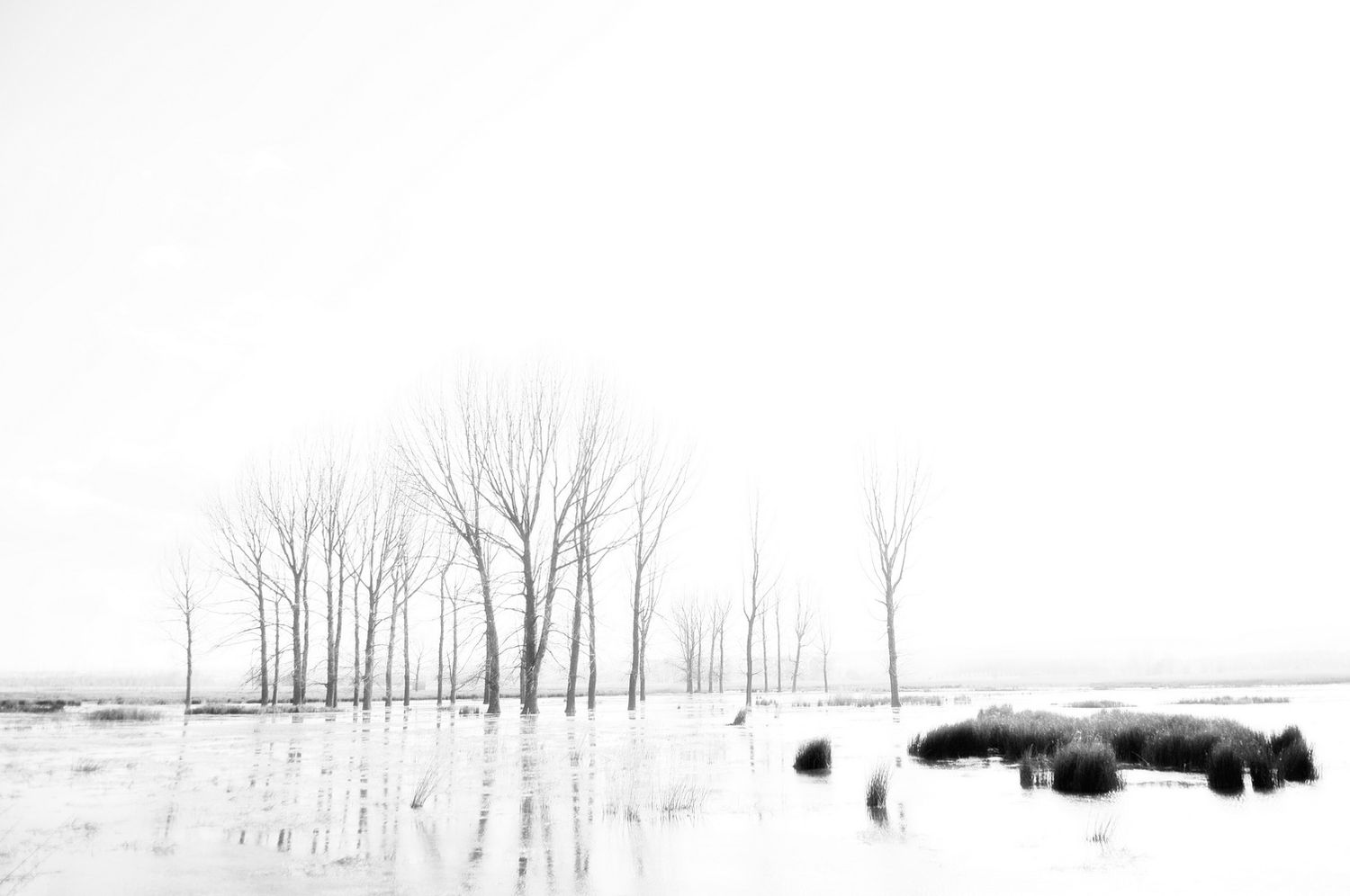
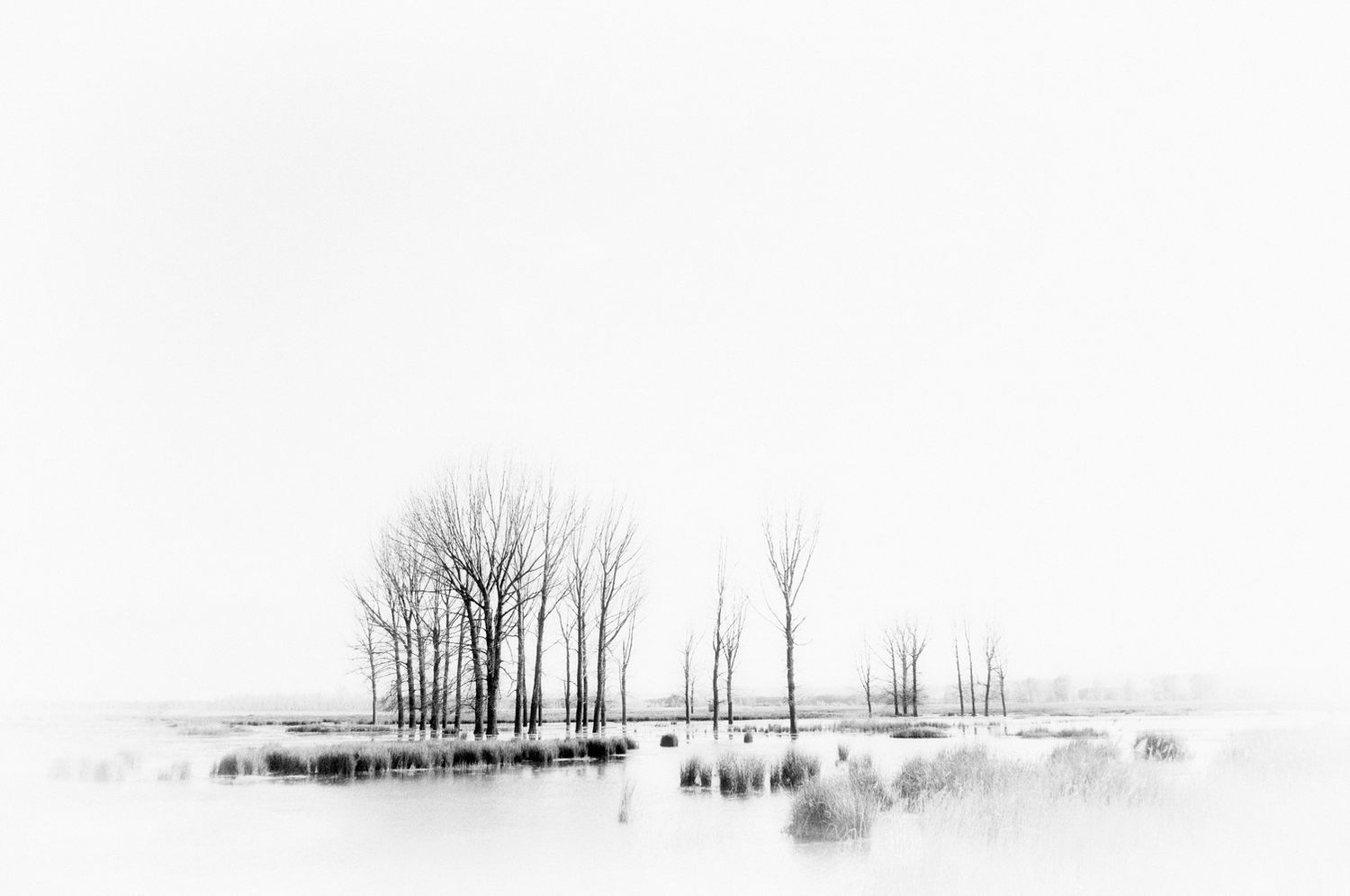
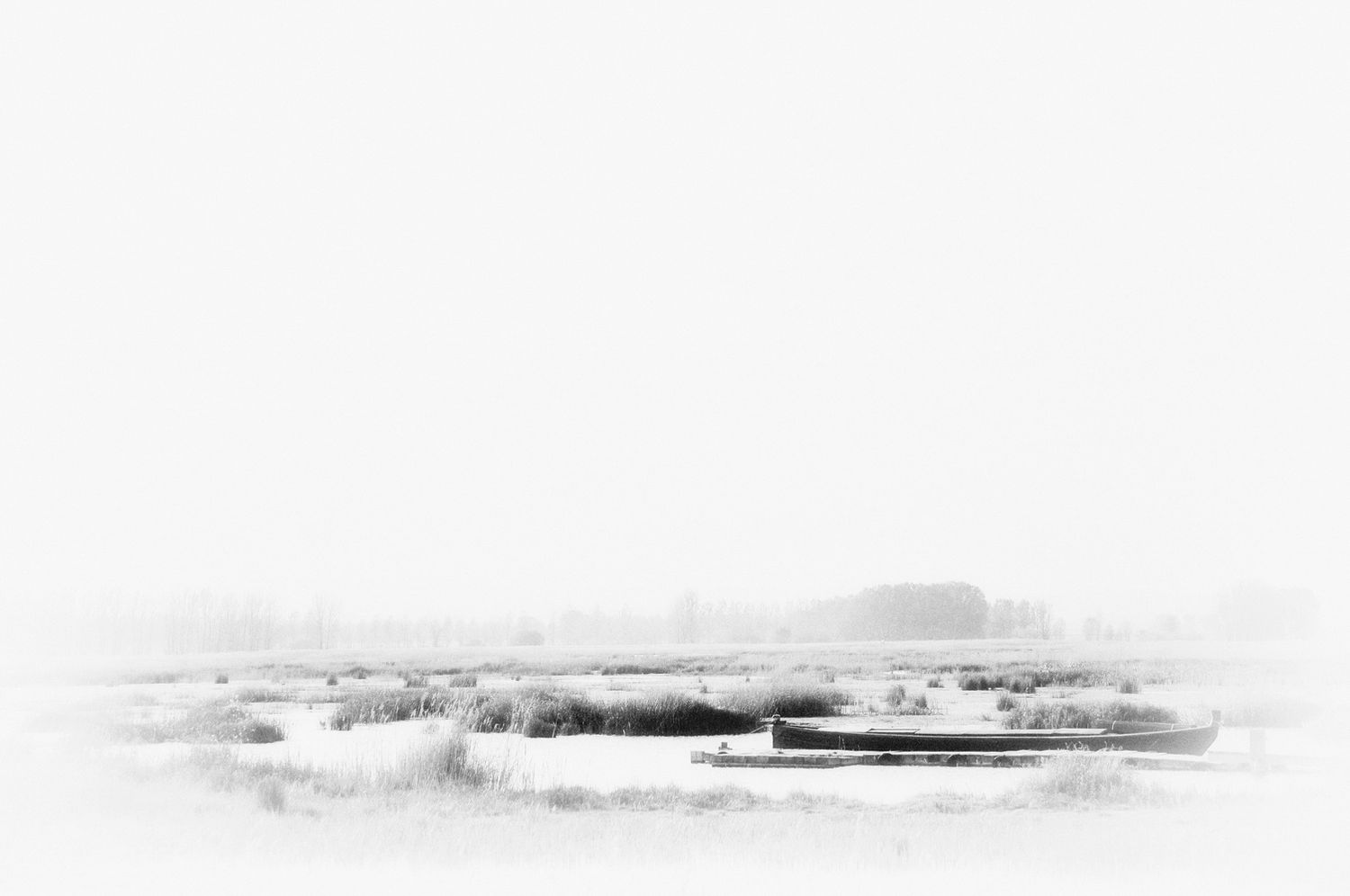
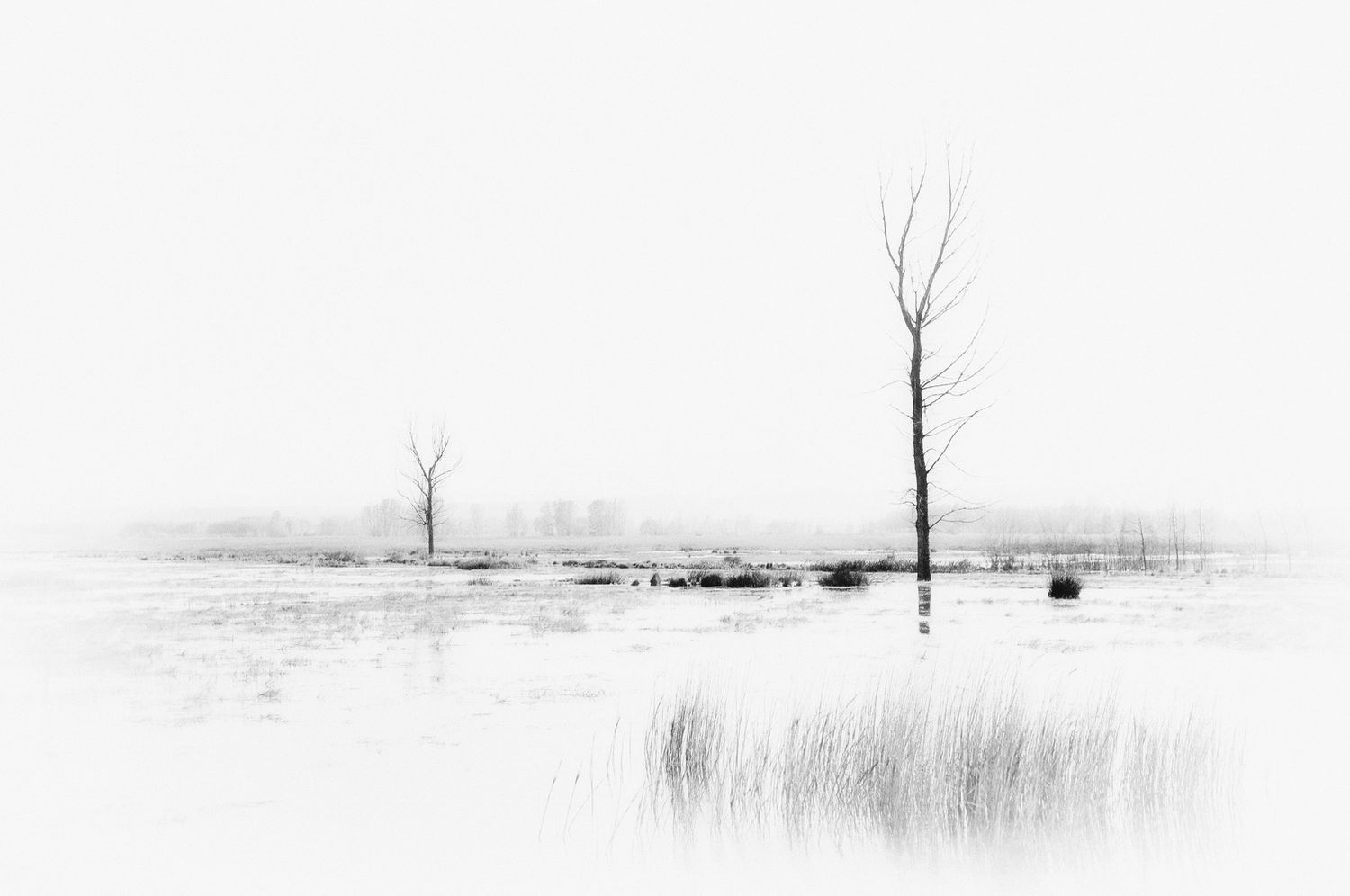
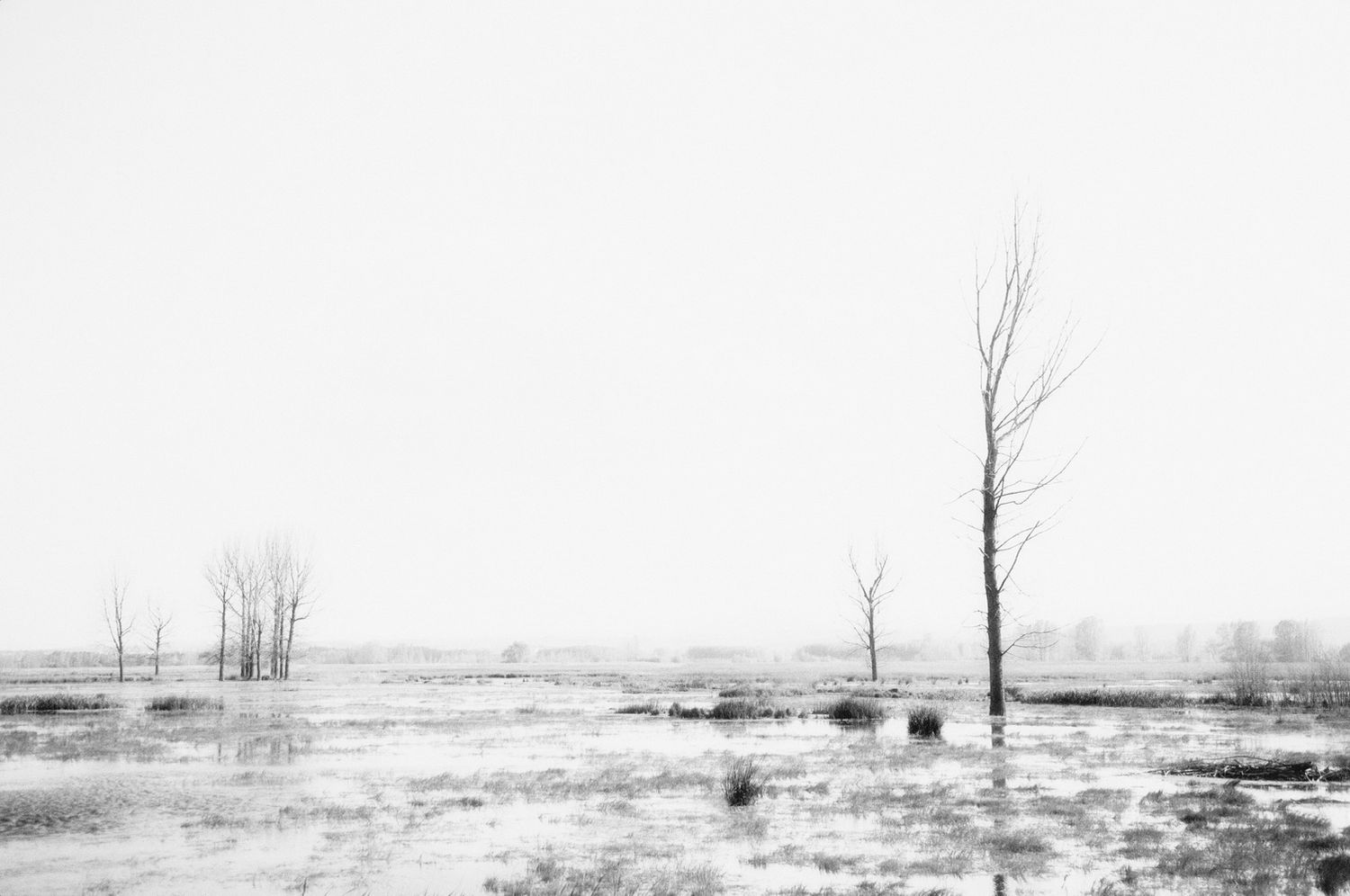
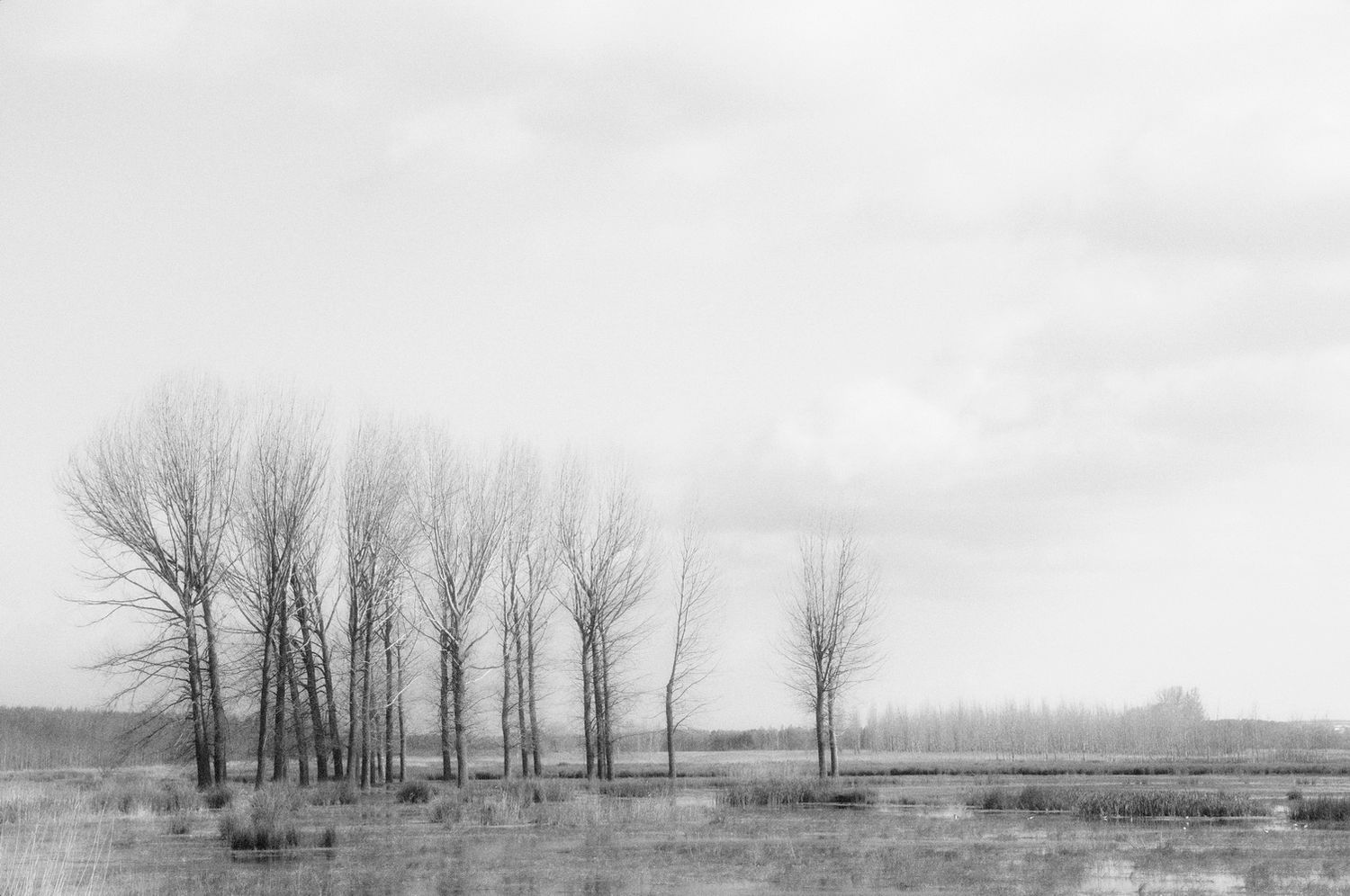
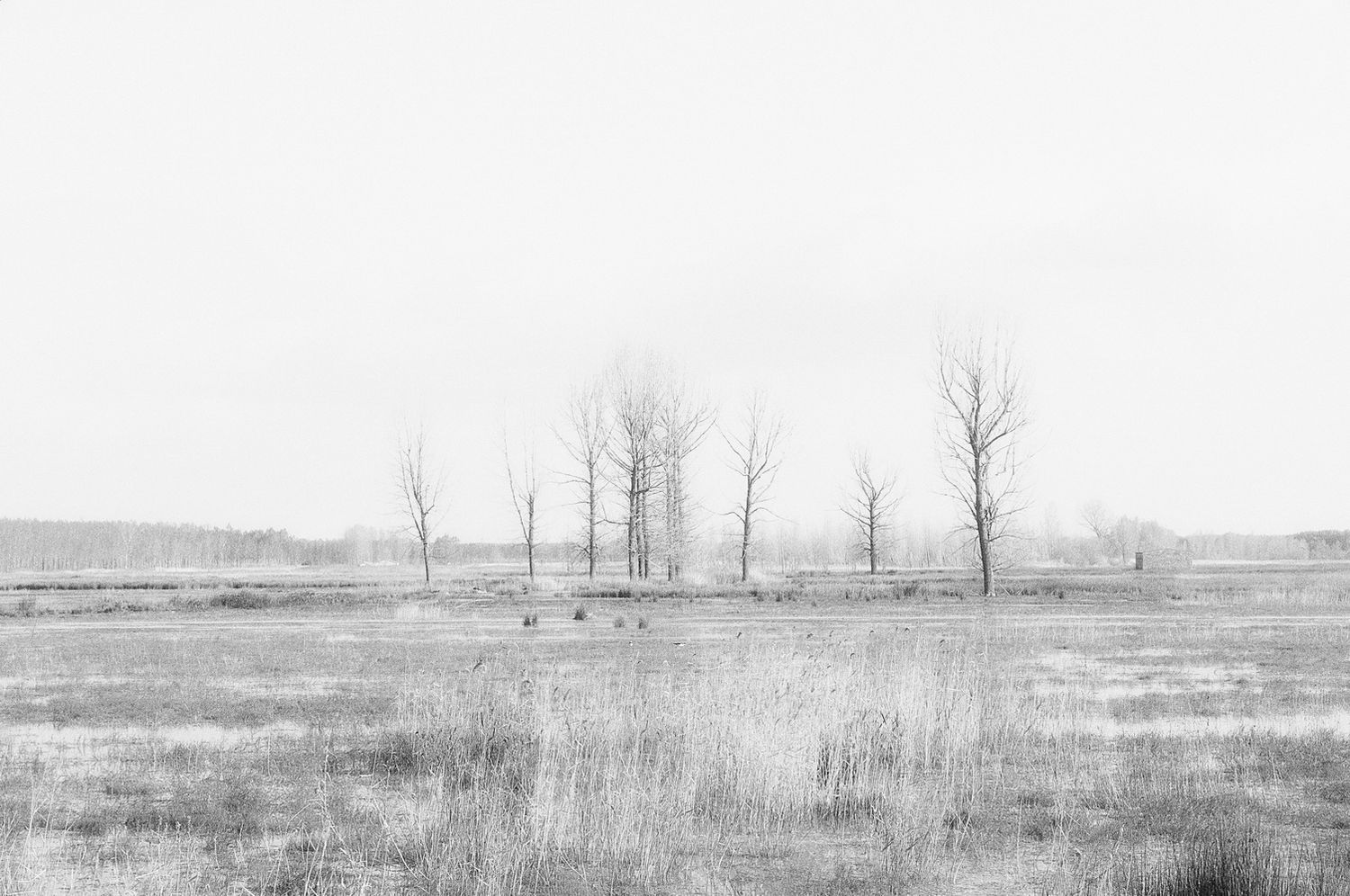
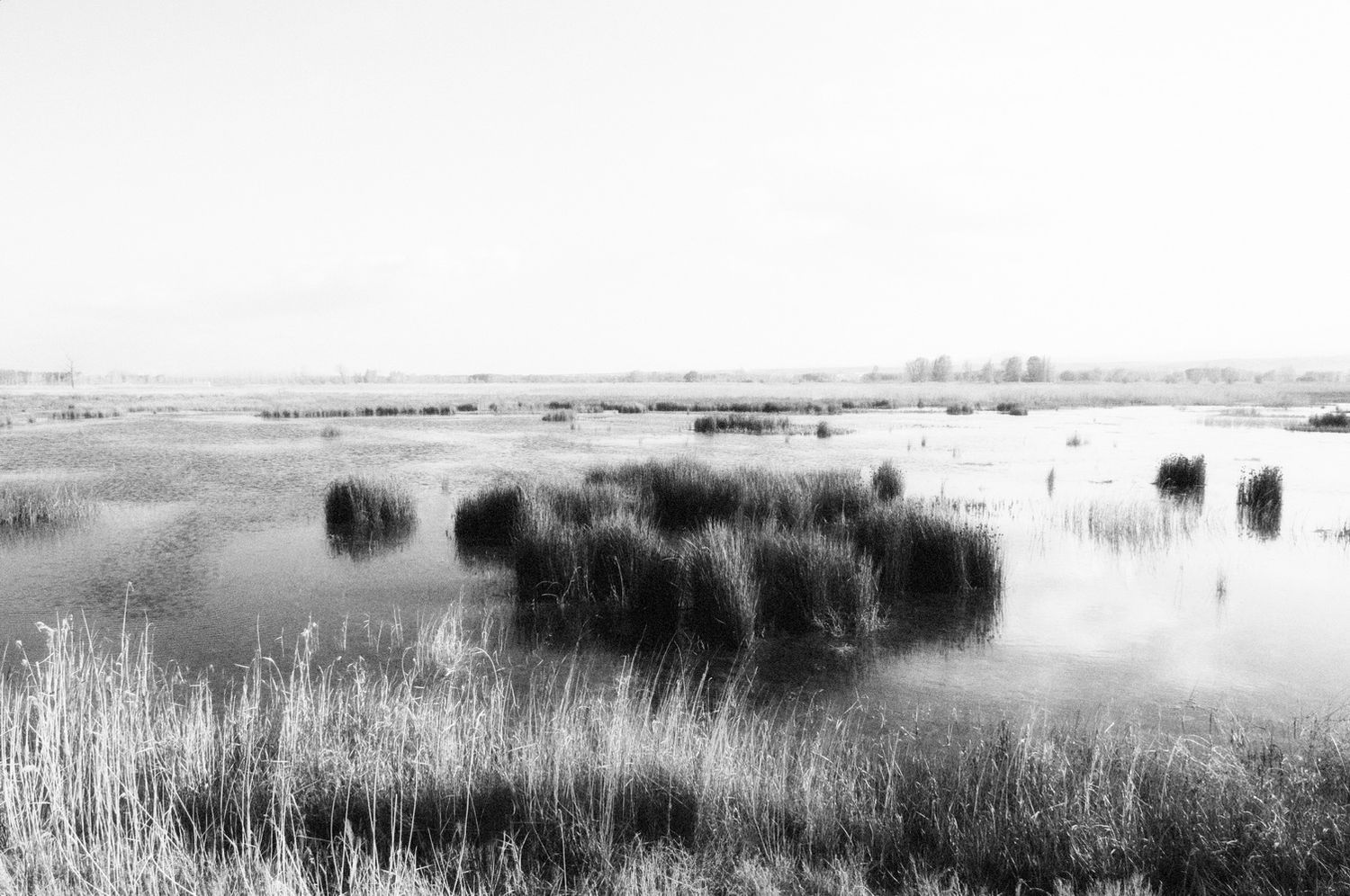
When I visited Cañizar Lagoon, the landscape seemed almost empty. Water disappeared into mist, bare trees rose from the flooded ground, and the horizon dissolved into pale winter light. There were no dramatic monuments or crowded streets competing for my attention. At first, I wasn't even sure what I was looking for.
Then I began to slow down.
I was drawn to the trees standing in the water. Their dark trunks interrupted the whiteness like brushstrokes across a blank canvas. The more I photographed them, the less the lagoon felt like a conventional landscape and the more it seemed to exist somewhere between reality and memory. There was something both fragile and resilient about them.
Only later did I learn that the lagoon itself was returning. Drained centuries ago to create farmland and reduce the spread of disease, the wetland had nearly disappeared from the landscape. Beginning in 2006, local residents, volunteers, and public institutions worked together to restore part of it, allowing water, reeds, and wildlife to reclaim the land.
That knowledge changed the way I saw my photographs. What I had mistaken for emptiness was actually the beginning of a remarkable recovery. The water surrounding those bare trees wasn't a sign of decline, but of renewal. A place that had almost been erased was quietly finding its way back to life.
As a photographer, I am usually drawn to people and the stories written on their faces. Here, there were no conversations to follow and no gestures to anticipate. I had to learn to observe differently—to wait for a bird to cross the frame, for mist to soften the horizon, or for the smallest shift in light to transform the landscape.
When I look at these photographs today, I no longer see the emptiness I first experienced. I see a landscape that quietly refused to disappear.
Looking Closer
The Laguna del Cañizar, near Villarquemado in the province of Teruel, was once one of the largest inland wetlands in Spain. It was extensively drained during the eighteenth century, and much of its former bed was later converted to agricultural land.
Restoration work began in 2006, recovering large areas of open water and reedbeds through the efforts of local communities, conservation volunteers, and public institutions. Today, the lagoon has once again become an important habitat for migratory birds and native wildlife, demonstrating how nature can recover when given the opportunity.