Orphanage · Echoes
The Rooms They Left Behind
An abandoned orphanage became a quiet reminder that childhood leaves traces long after the children are gone.
The Orphanage · Echoes · The Rooms They Left Behind
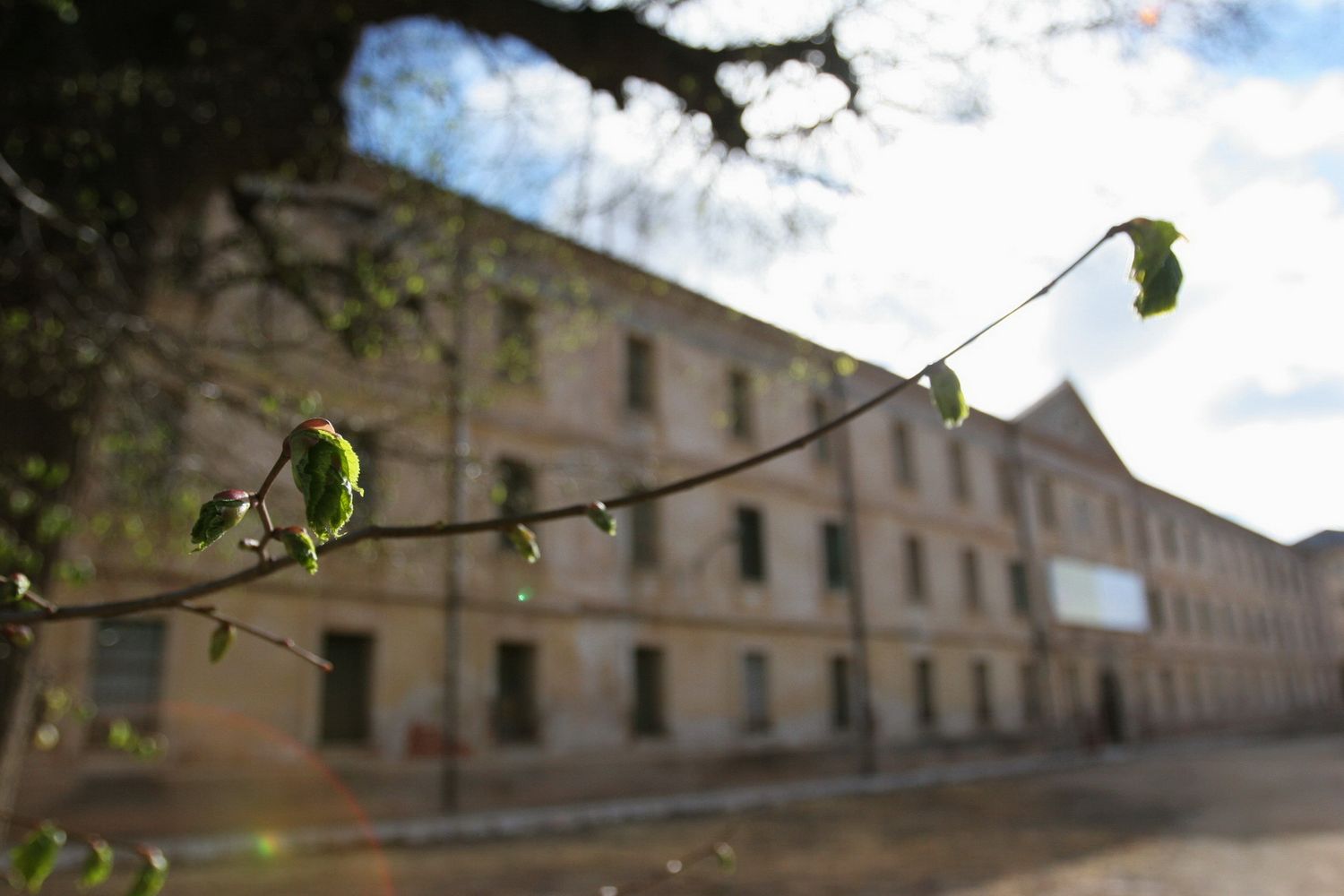
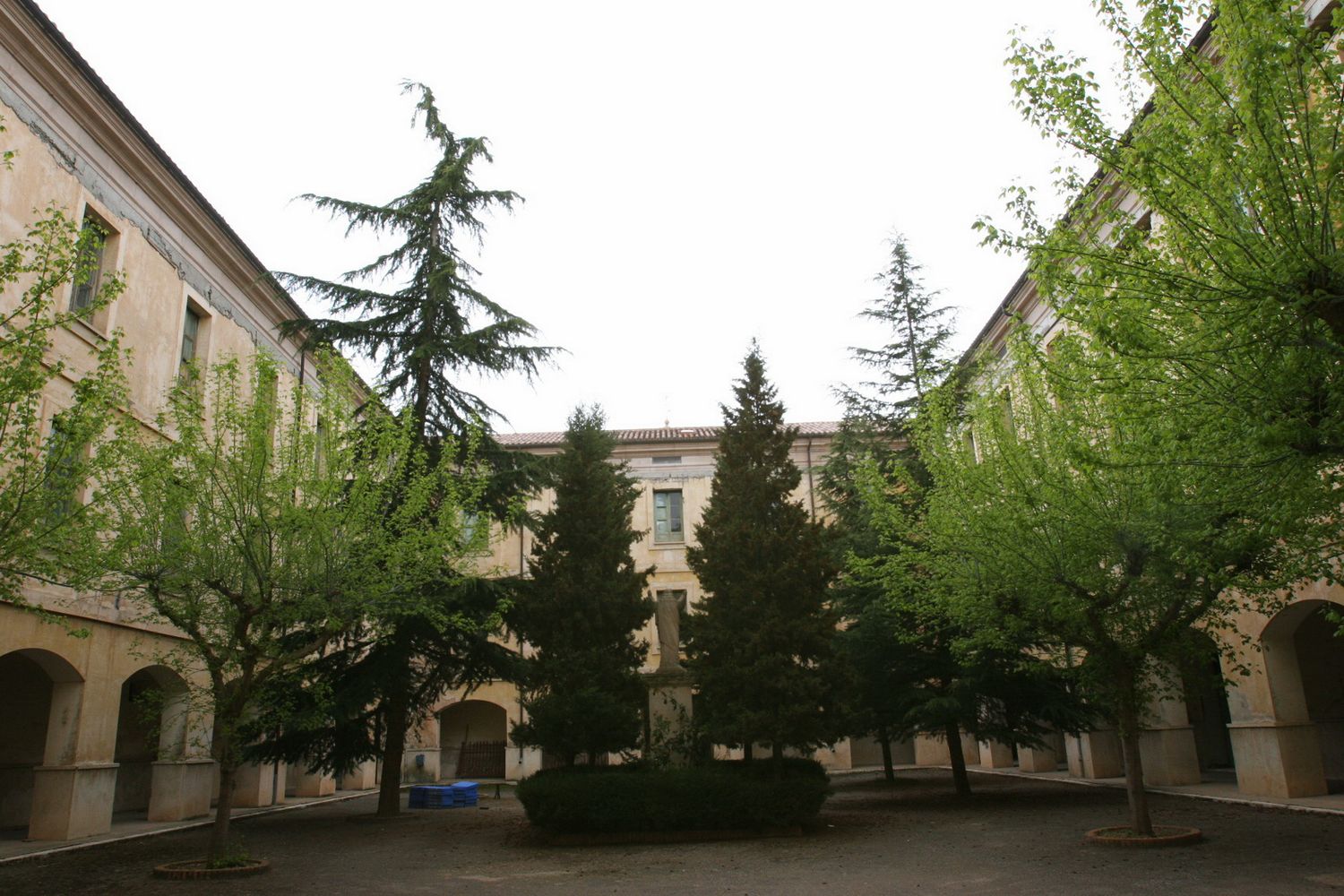
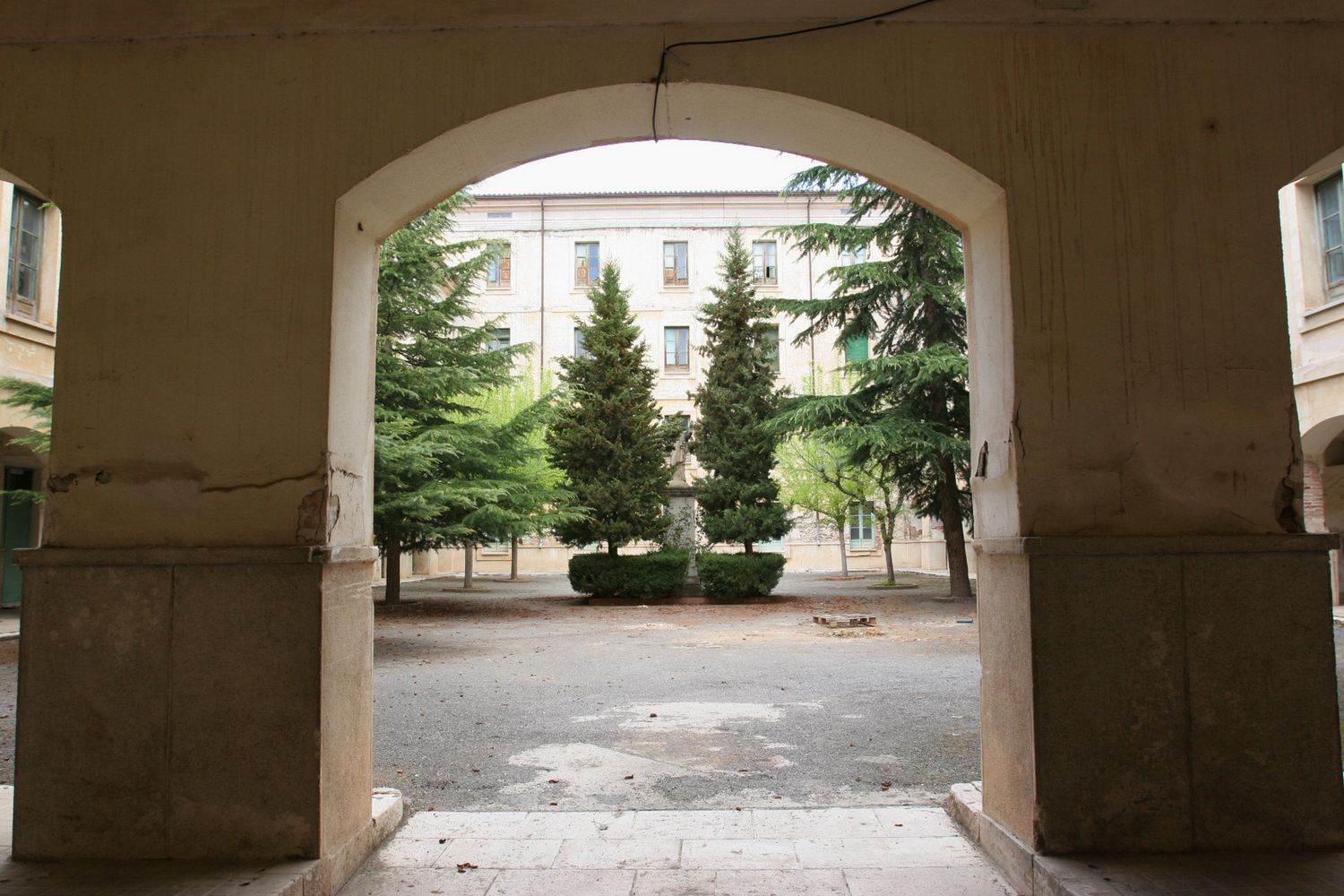
One of the most unforgettable places I have photographed in Spain wasn't a famous monument or a celebrated landscape. It was an abandoned orphanage in Teruel, officially known as the Casa Provincial de Beneficencia, which for nearly two centuries provided residential care, education, and vocational training for vulnerable children.
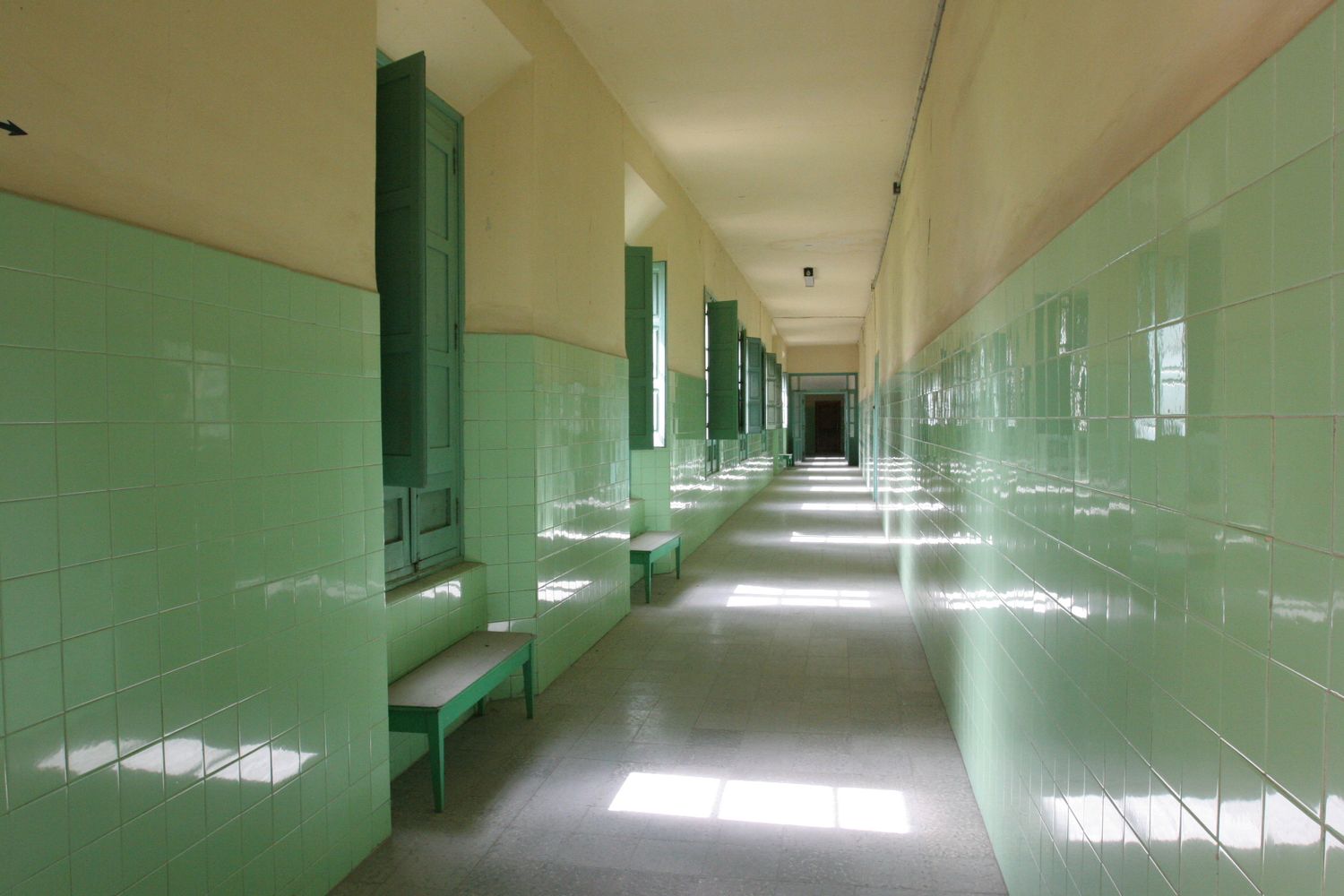
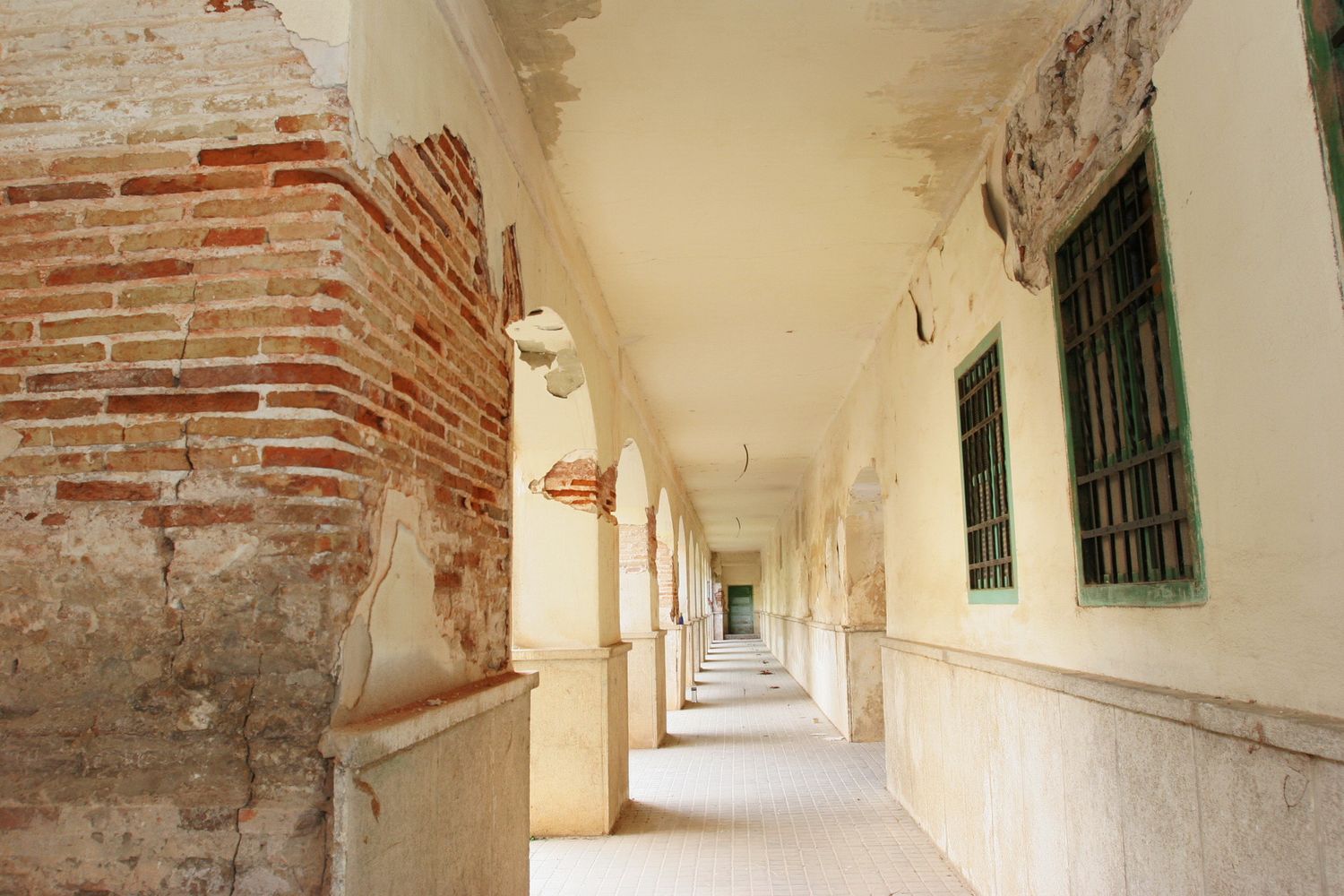
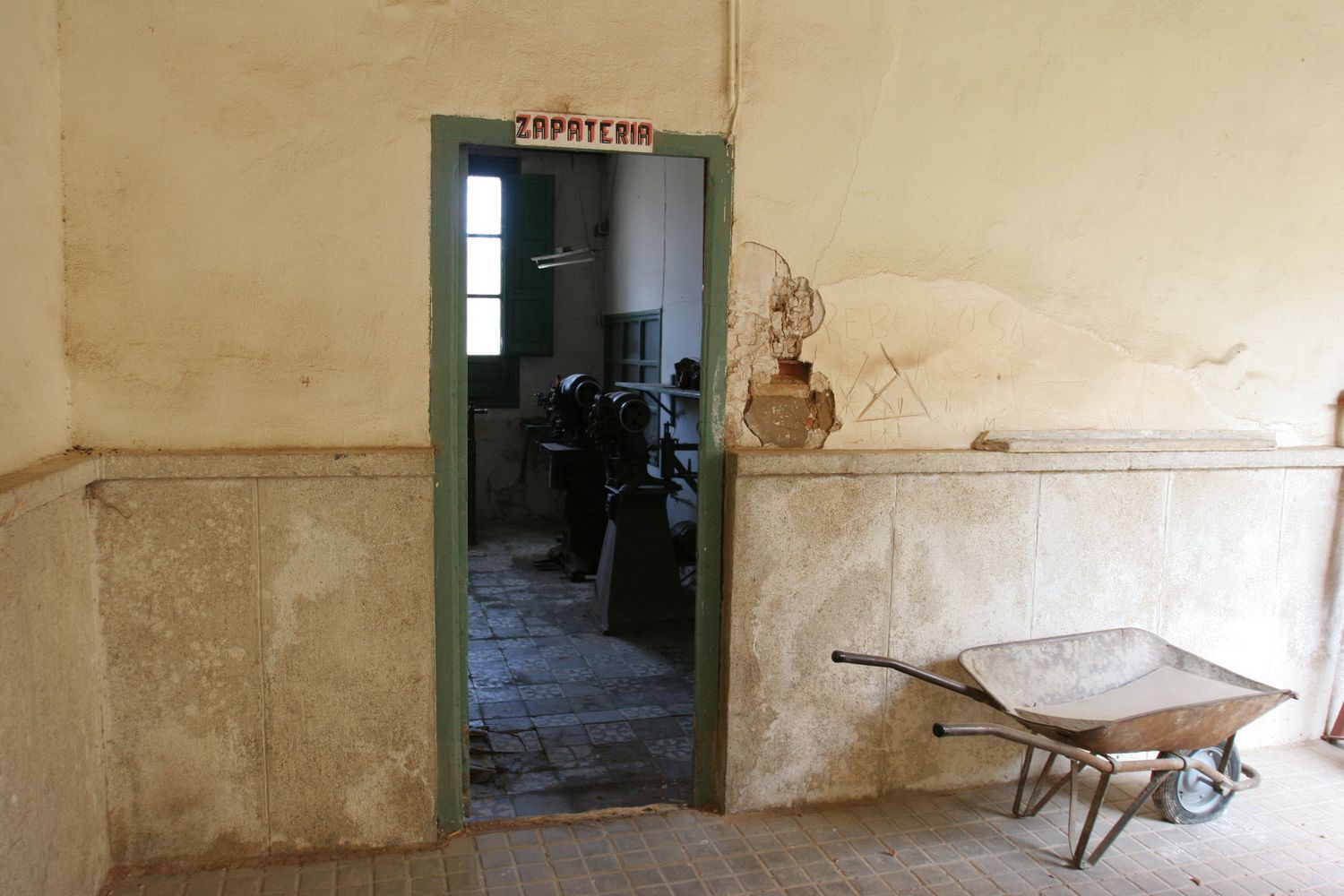
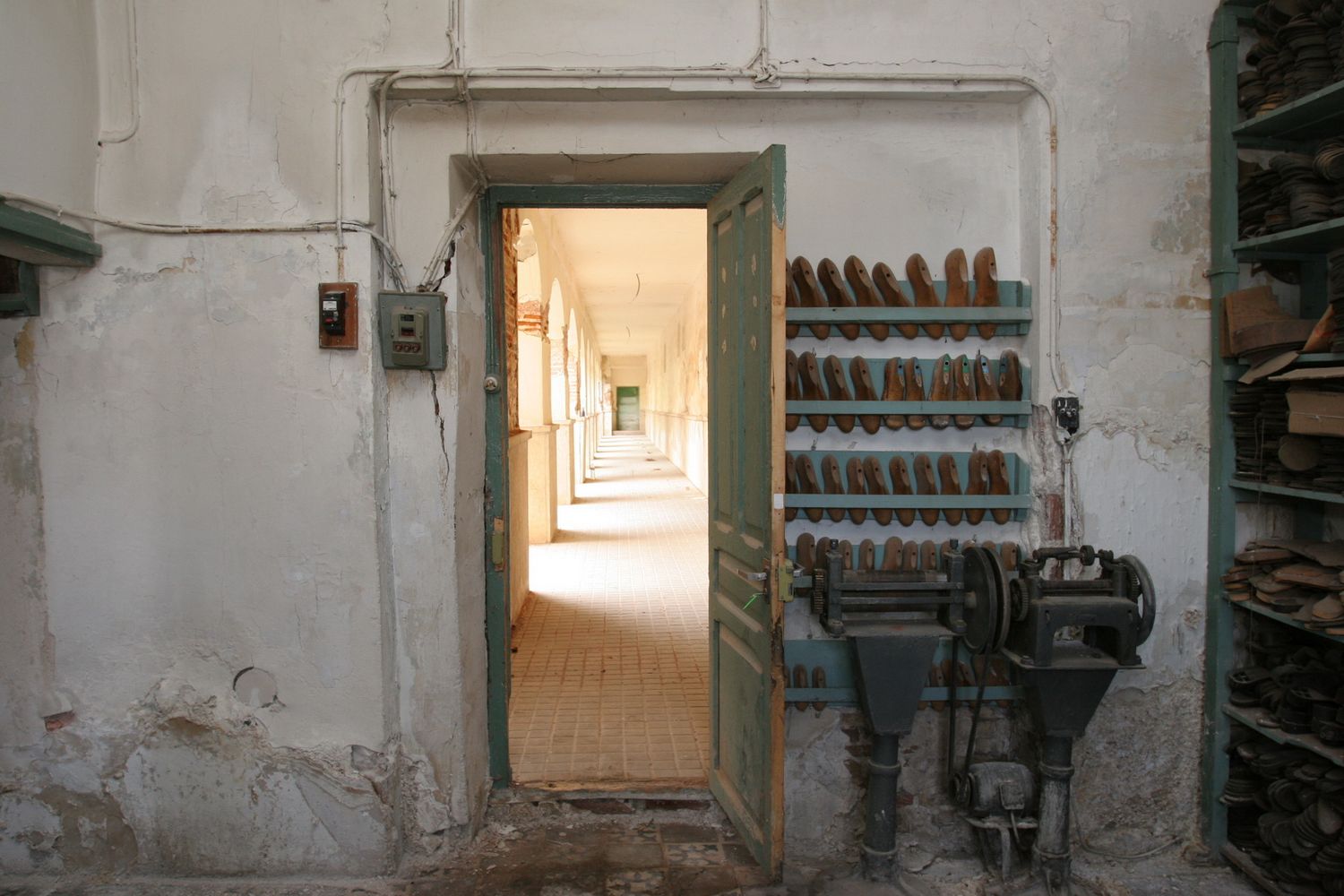
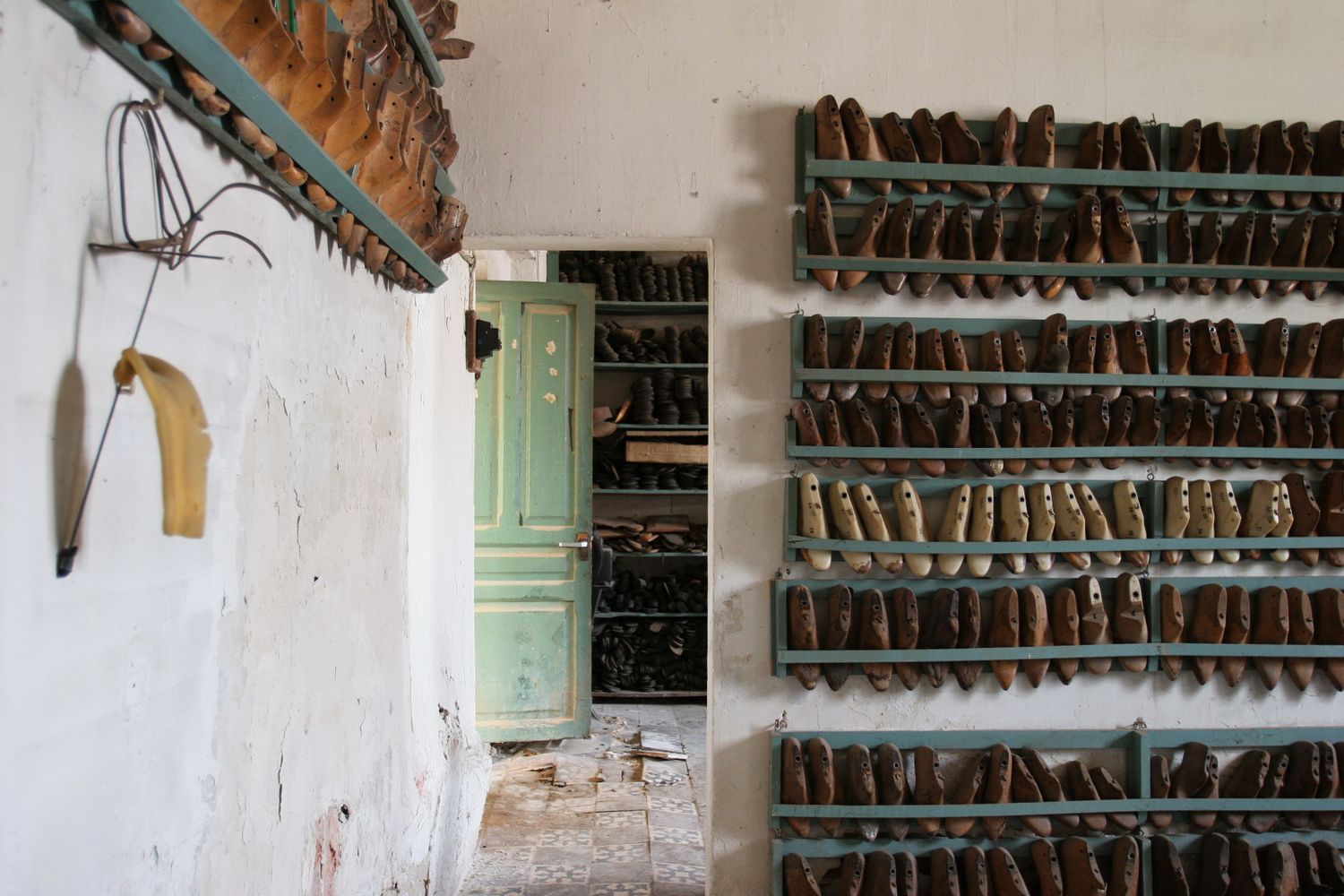
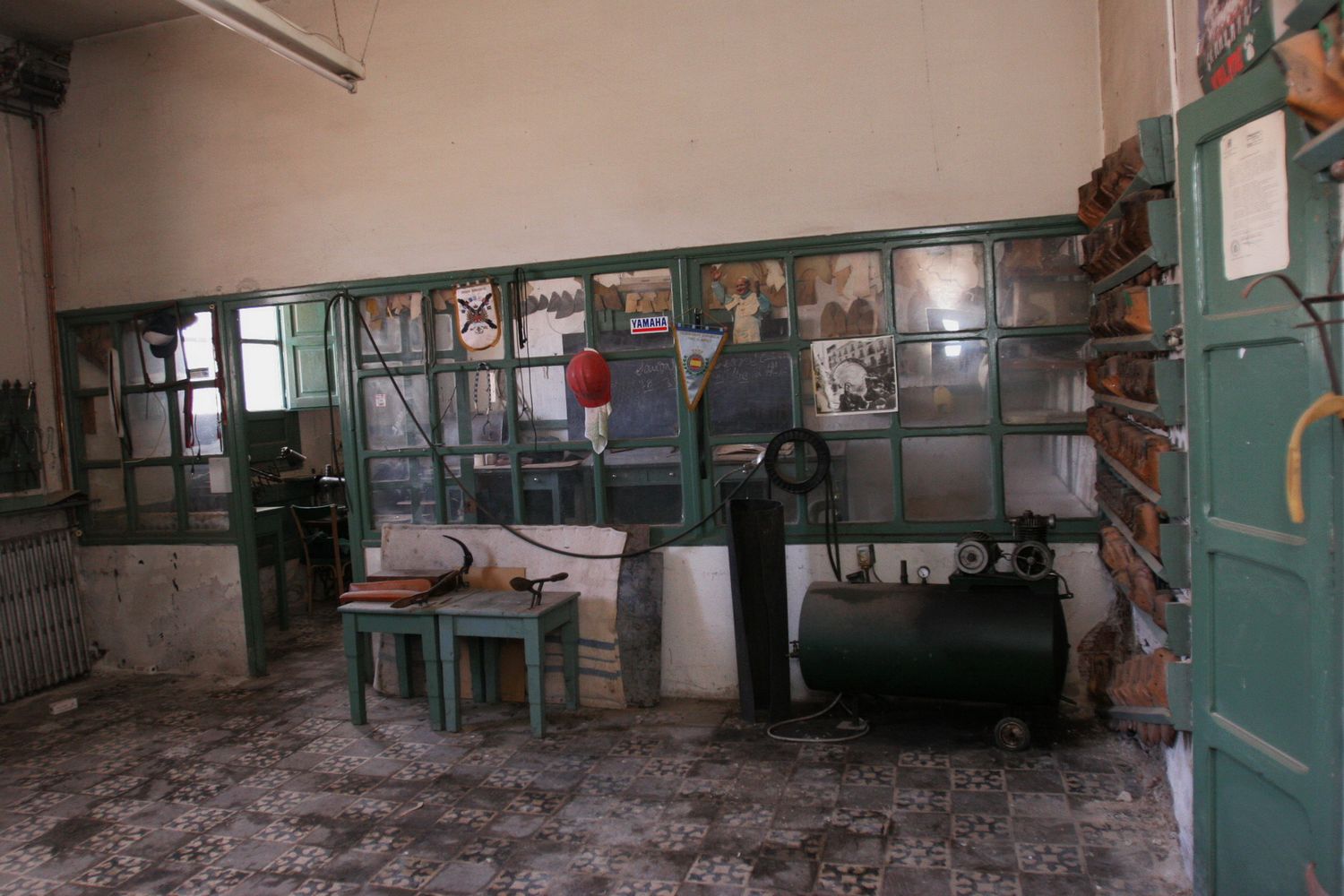
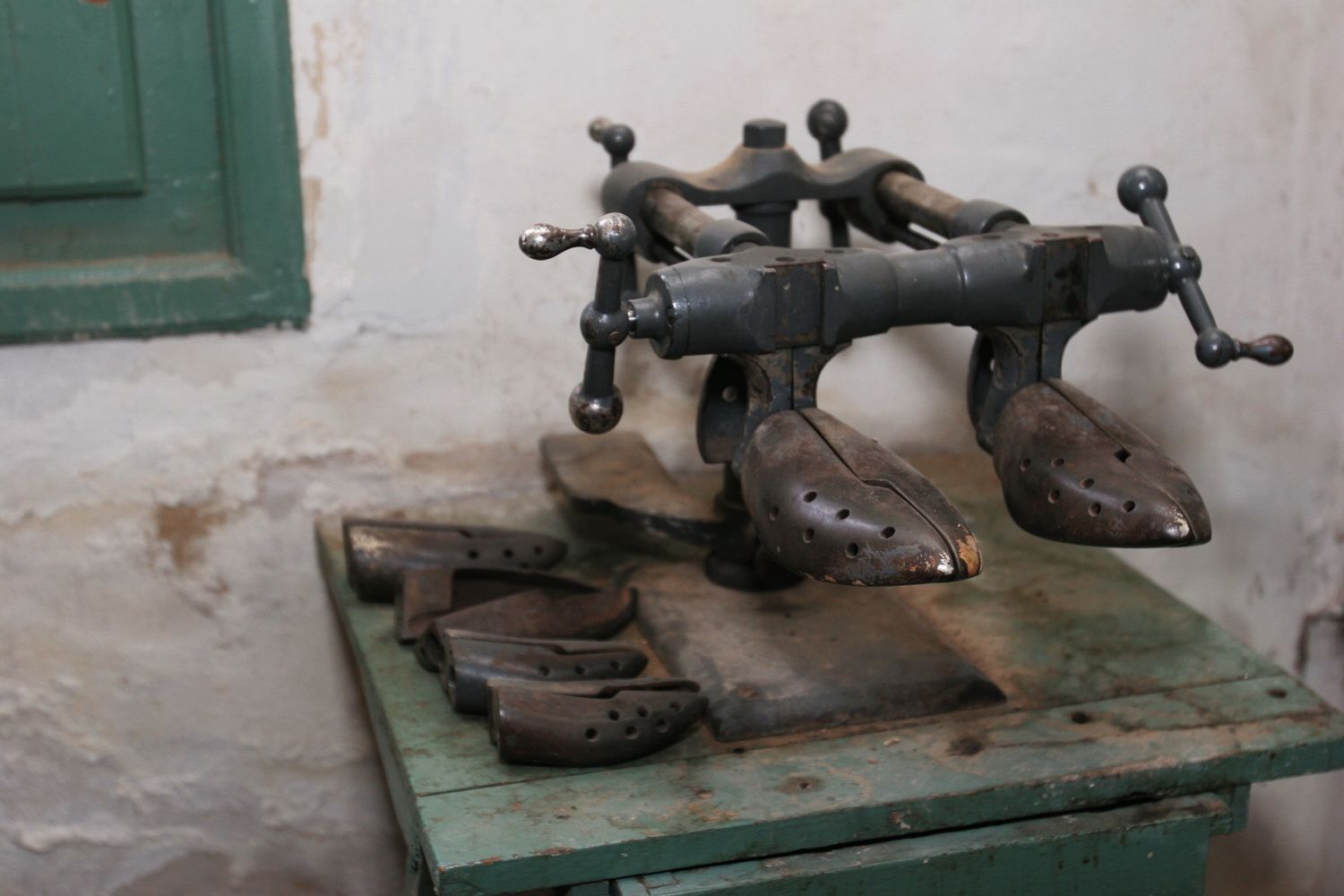
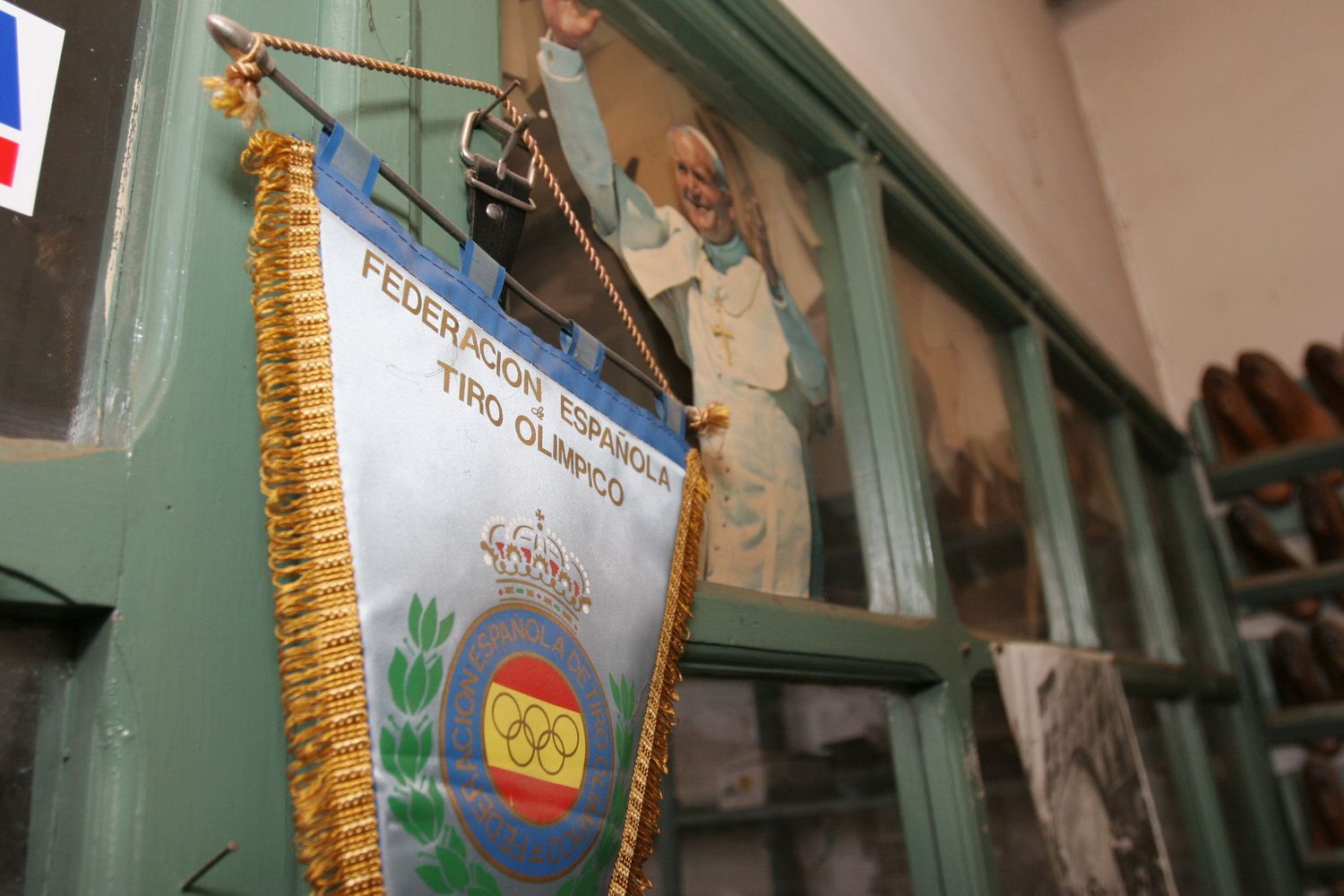
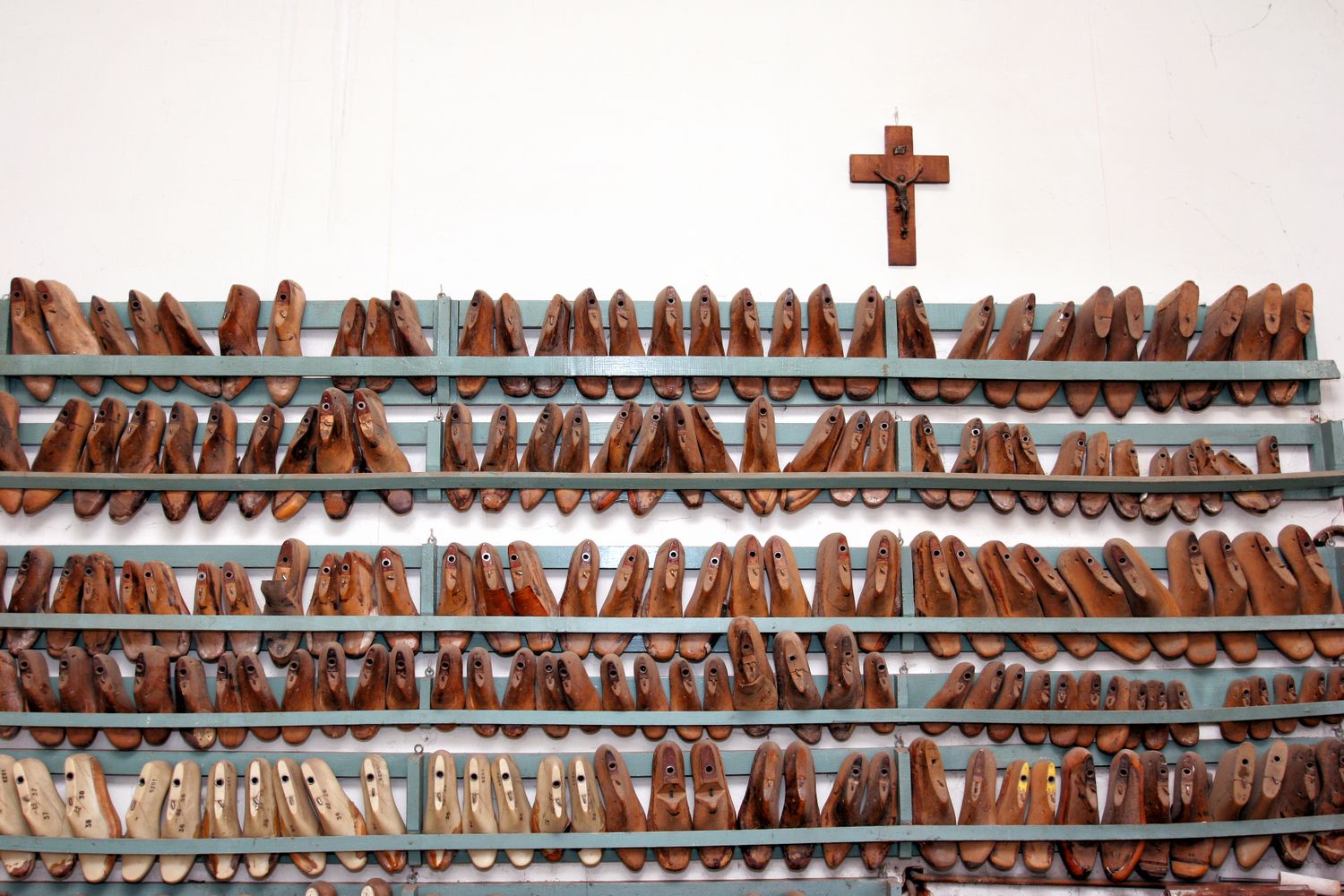
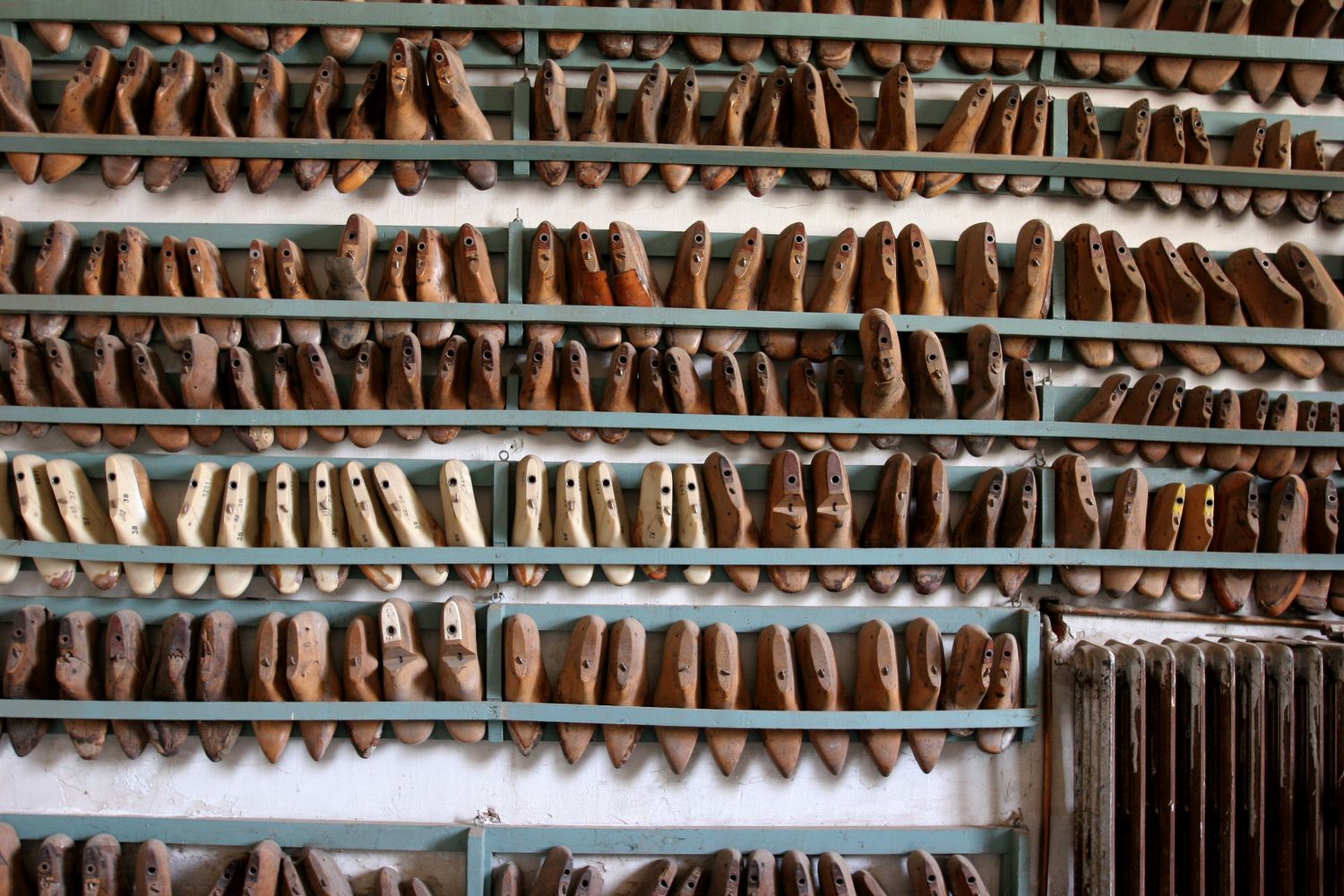
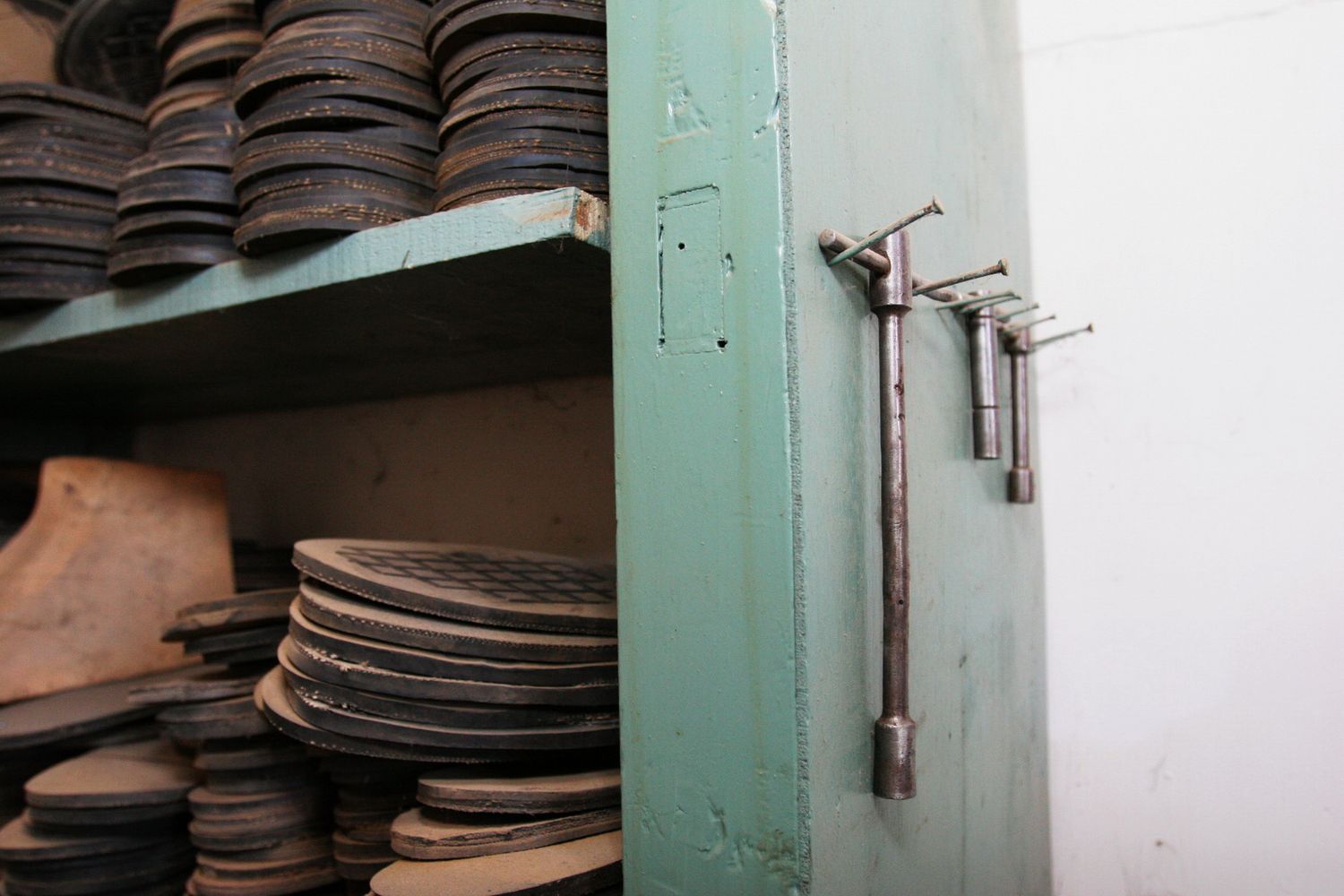
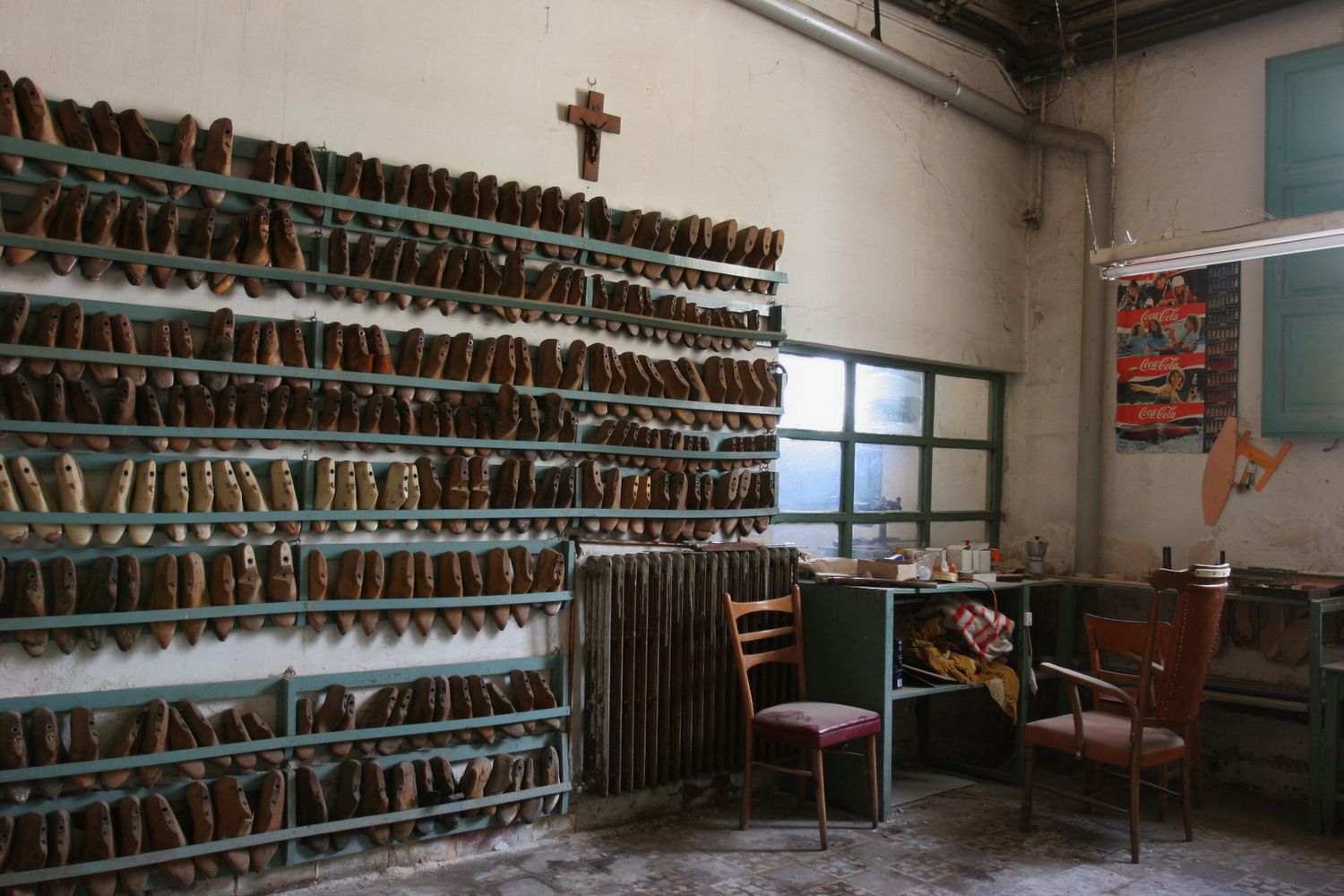
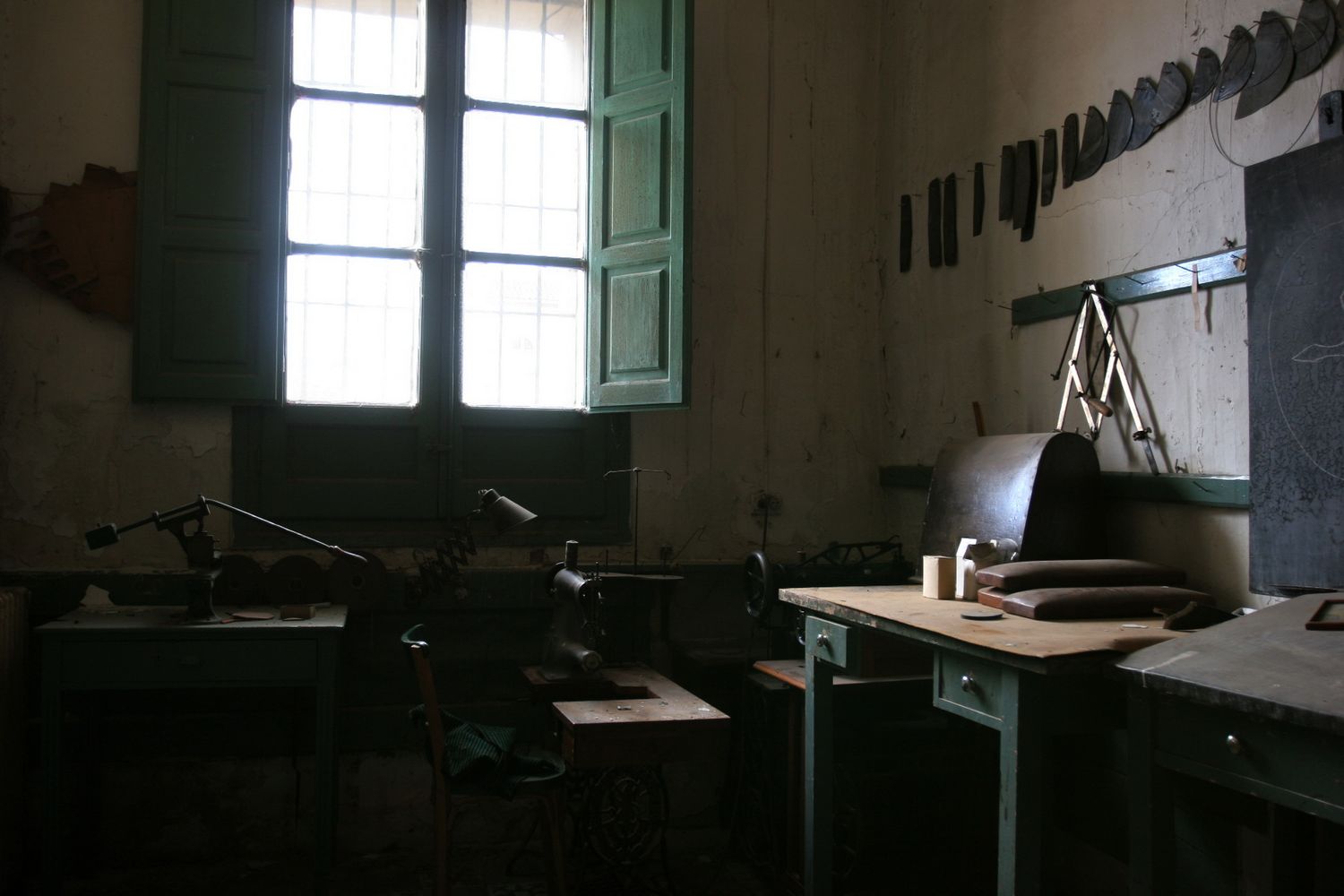
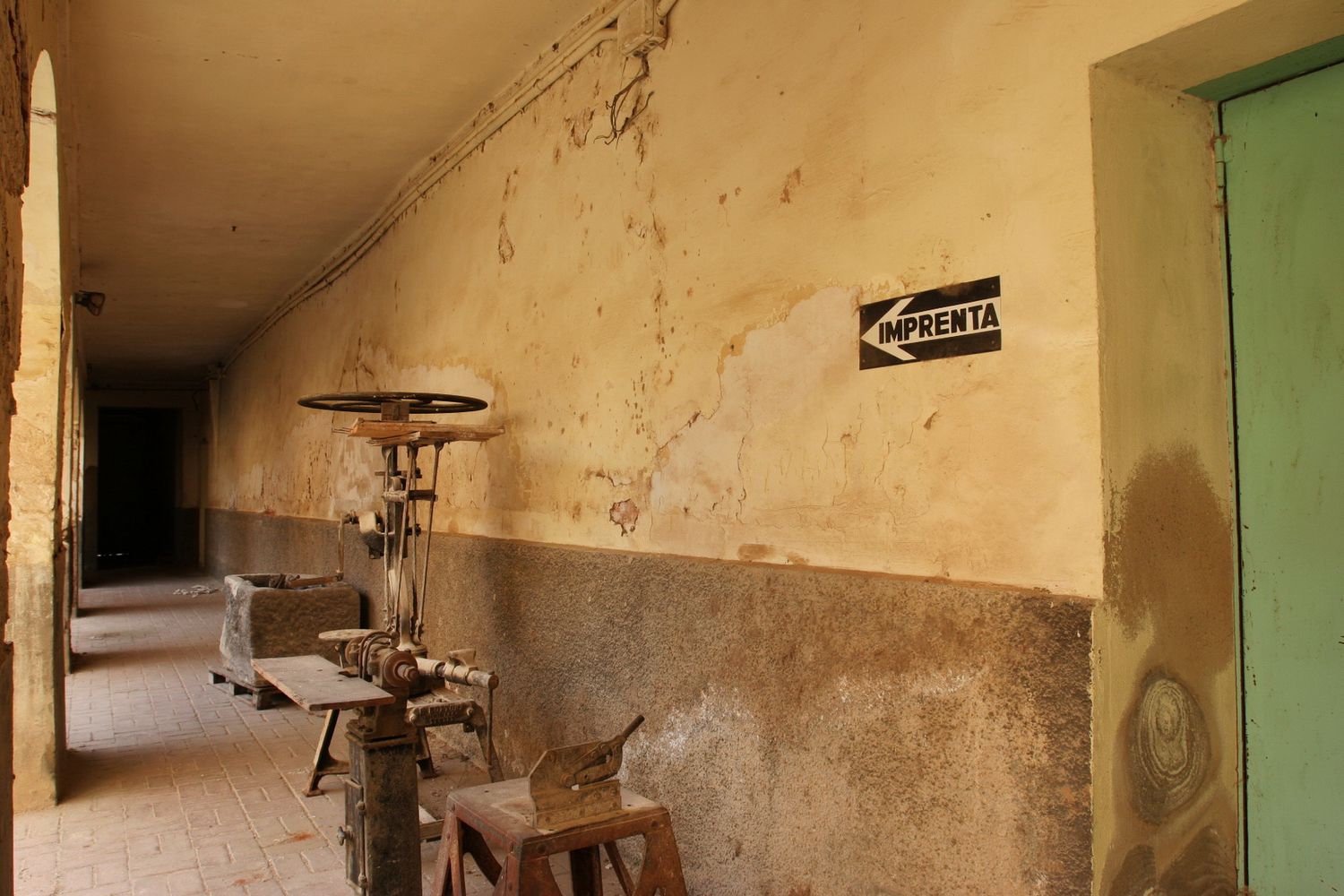
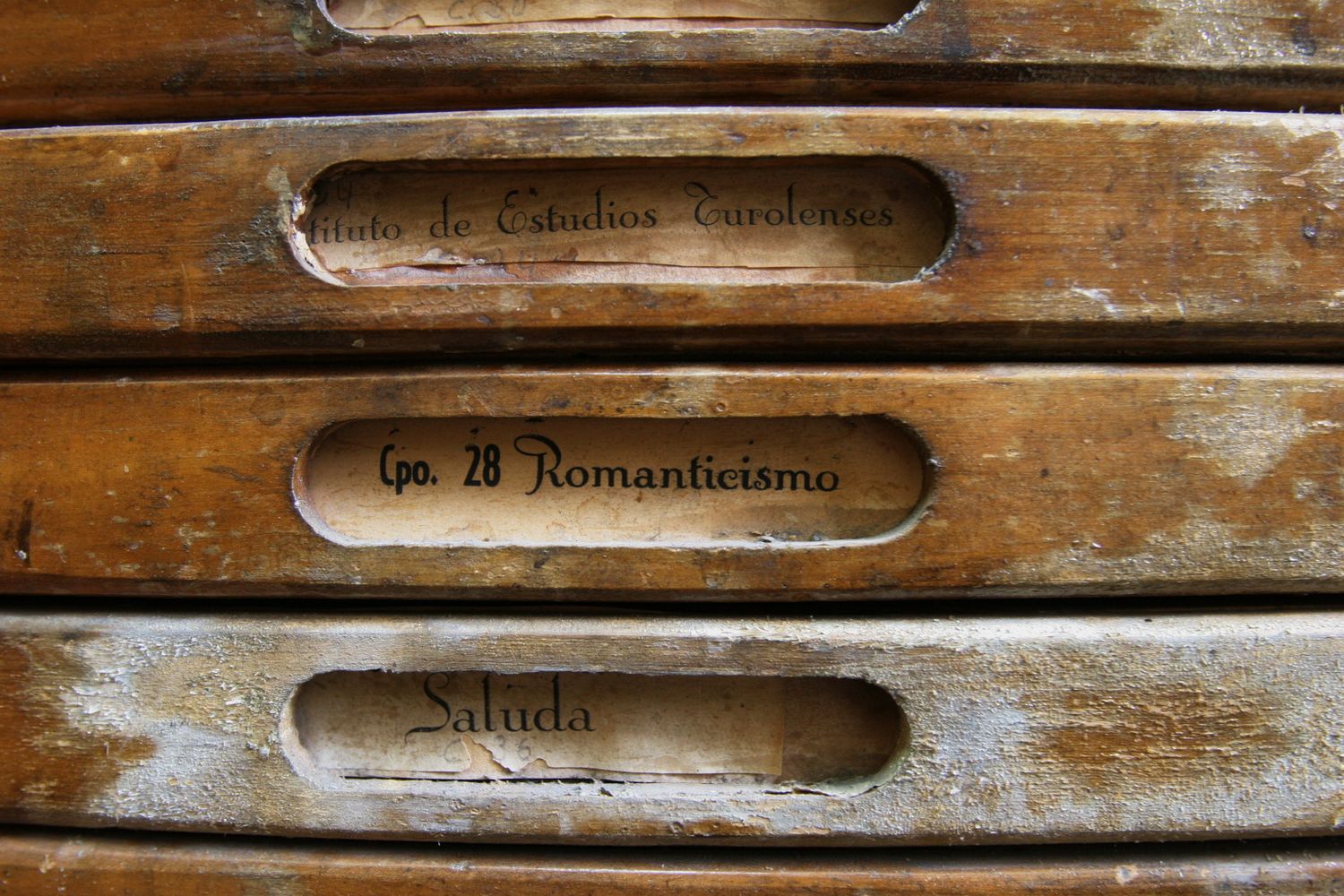
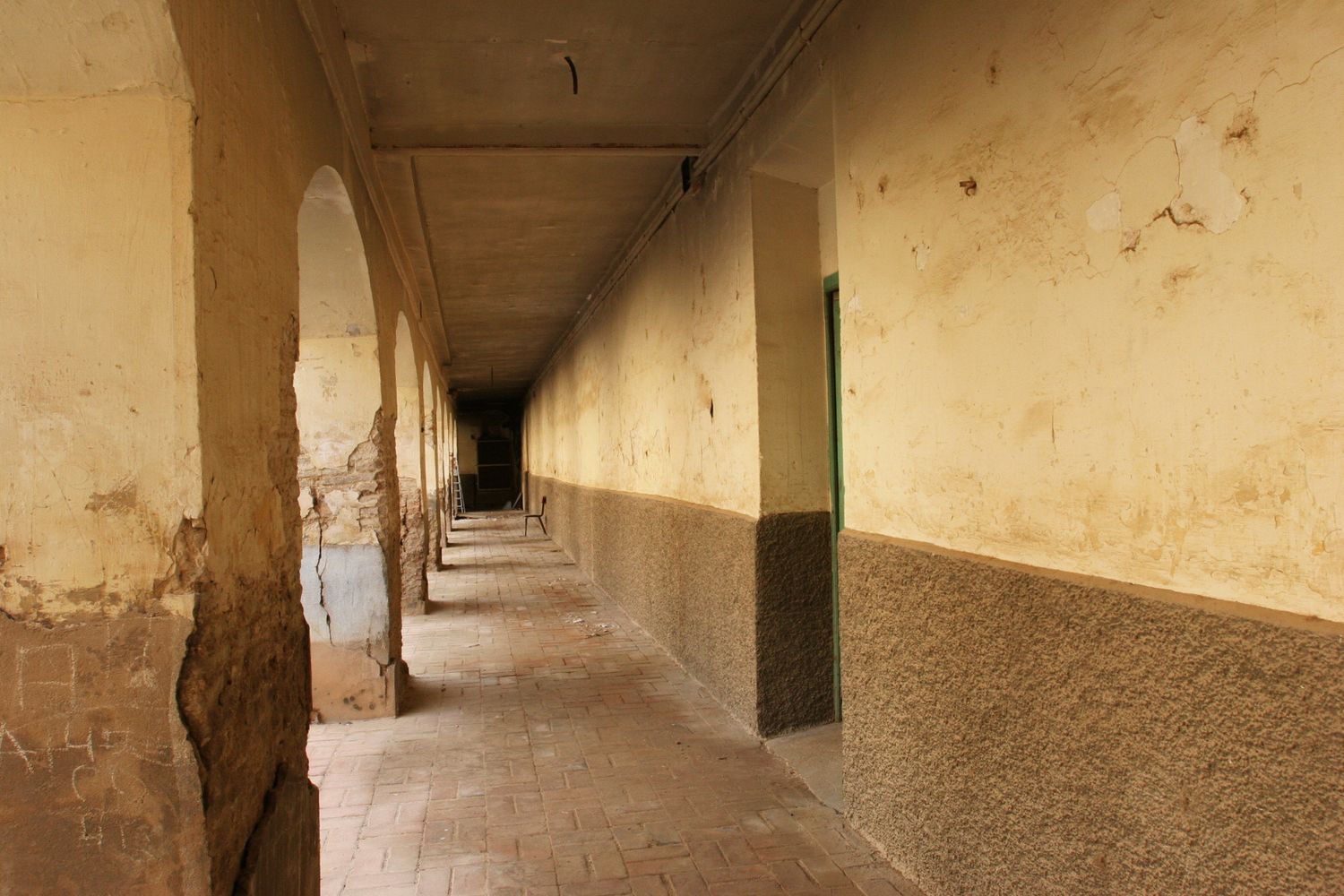
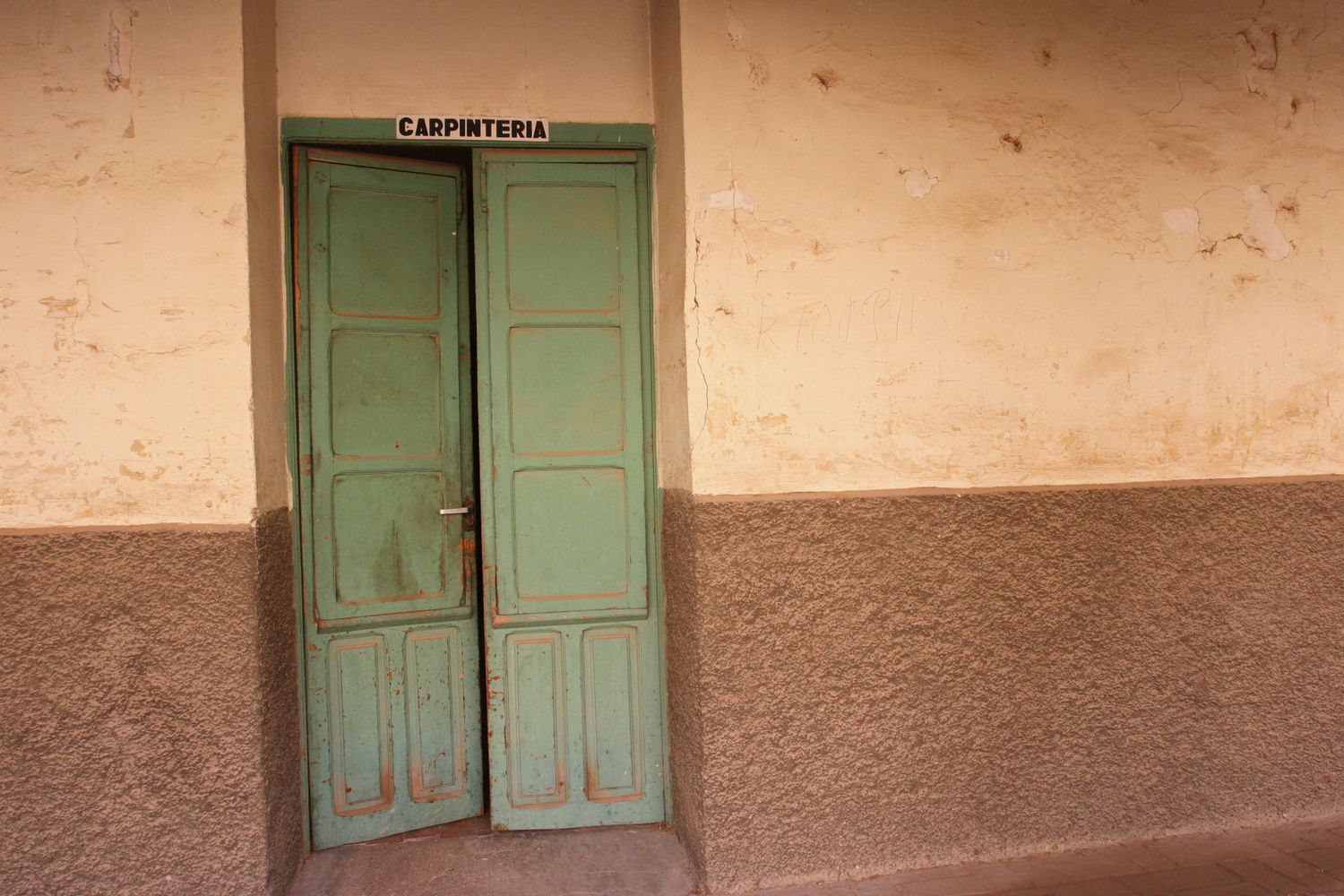
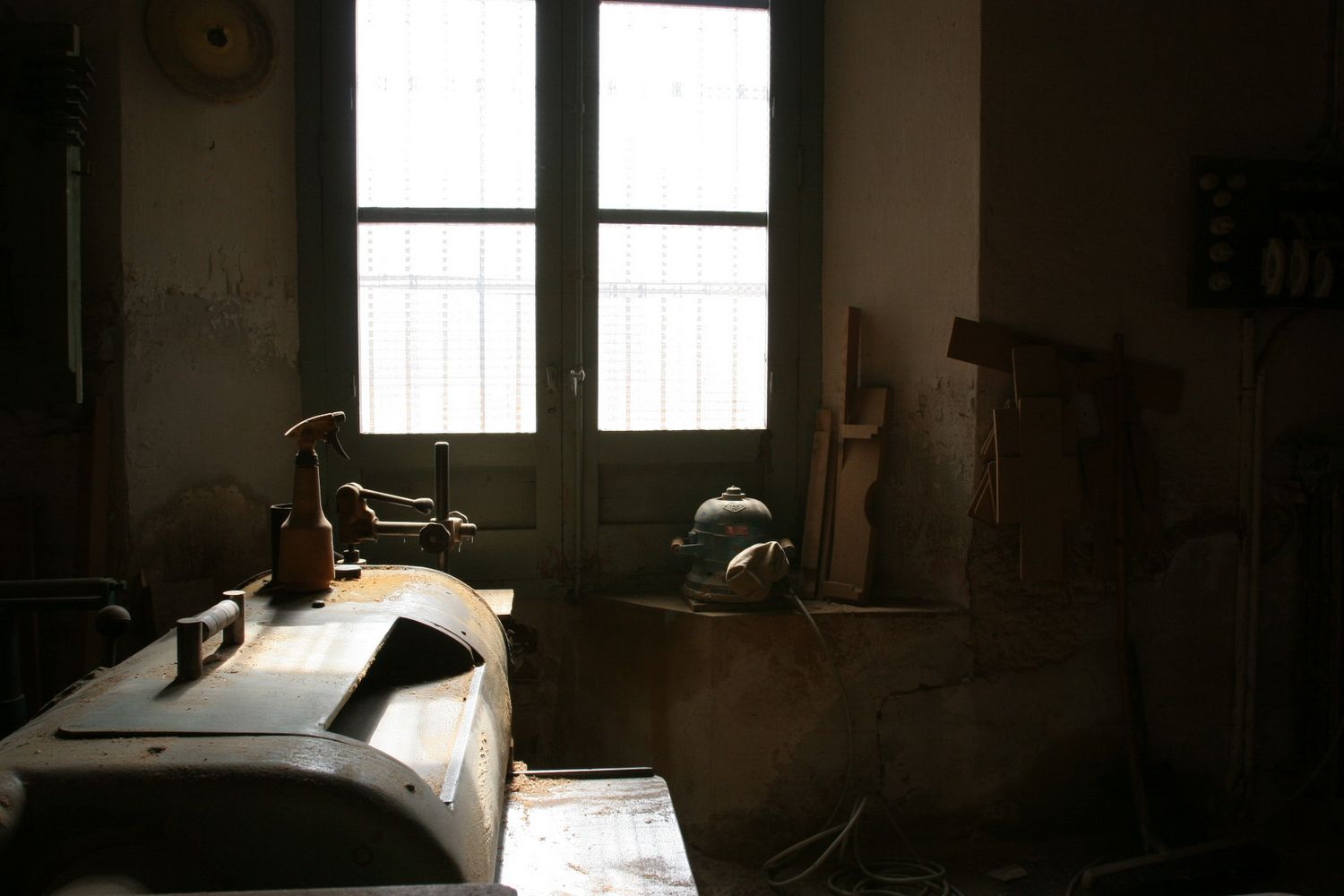
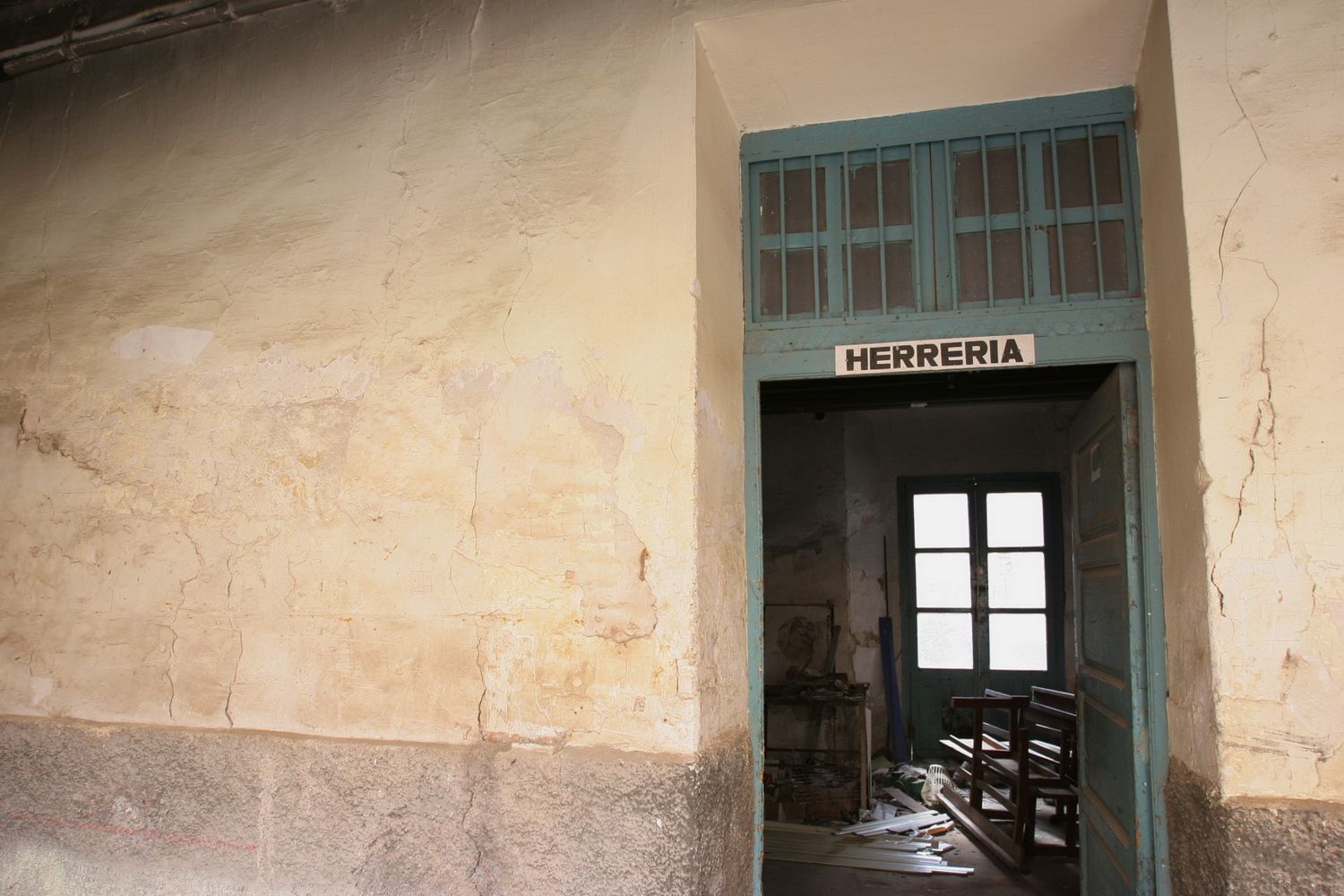
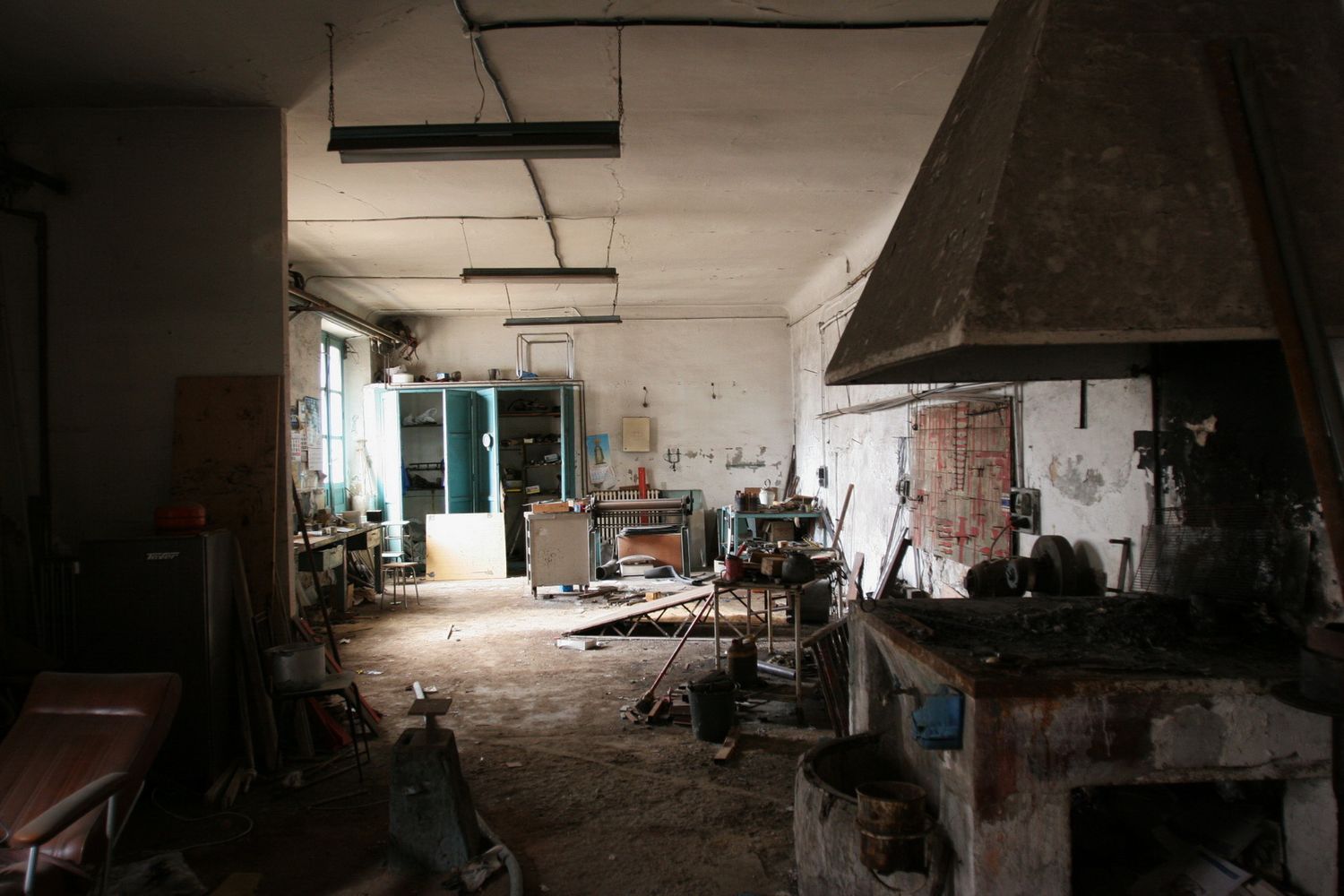
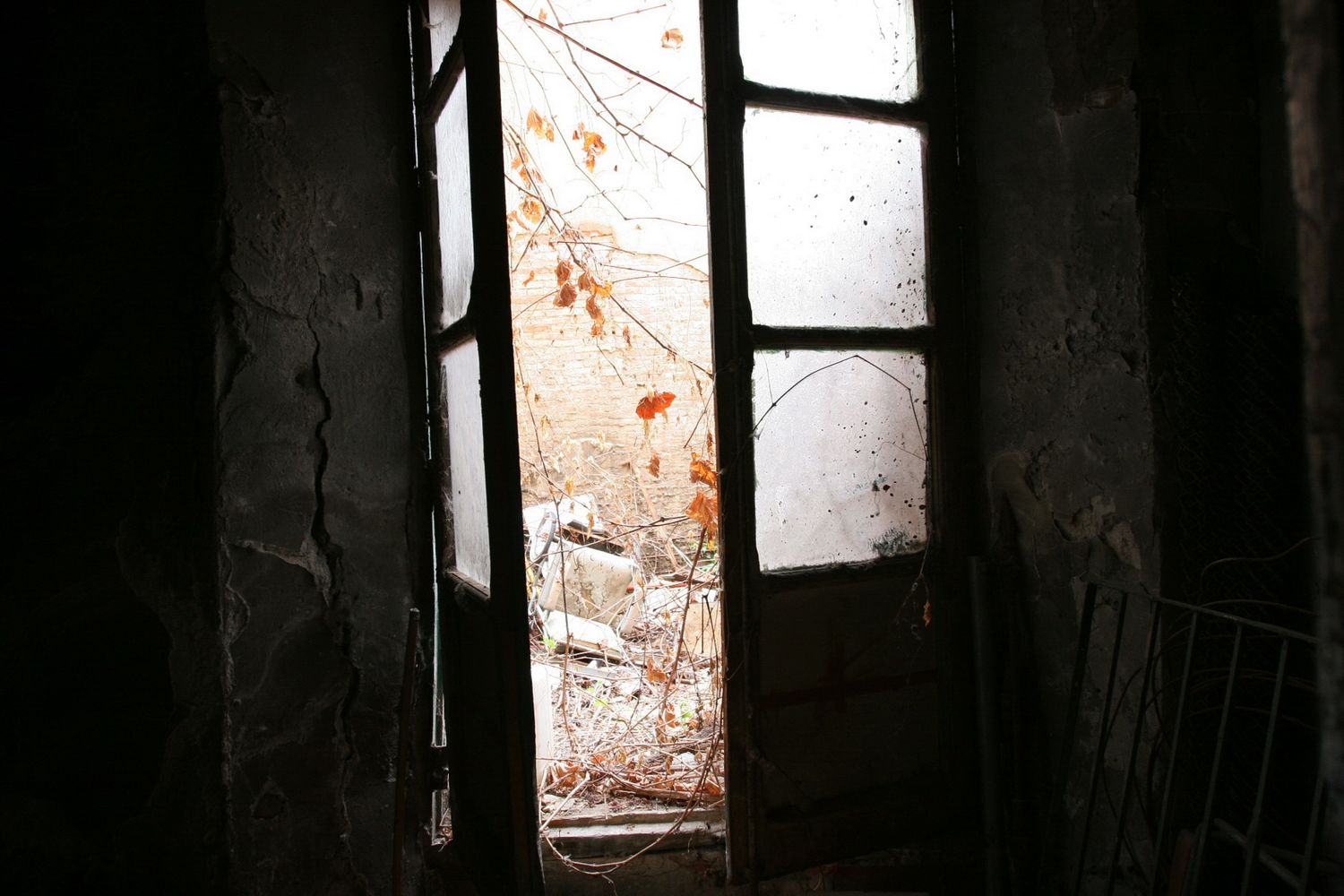
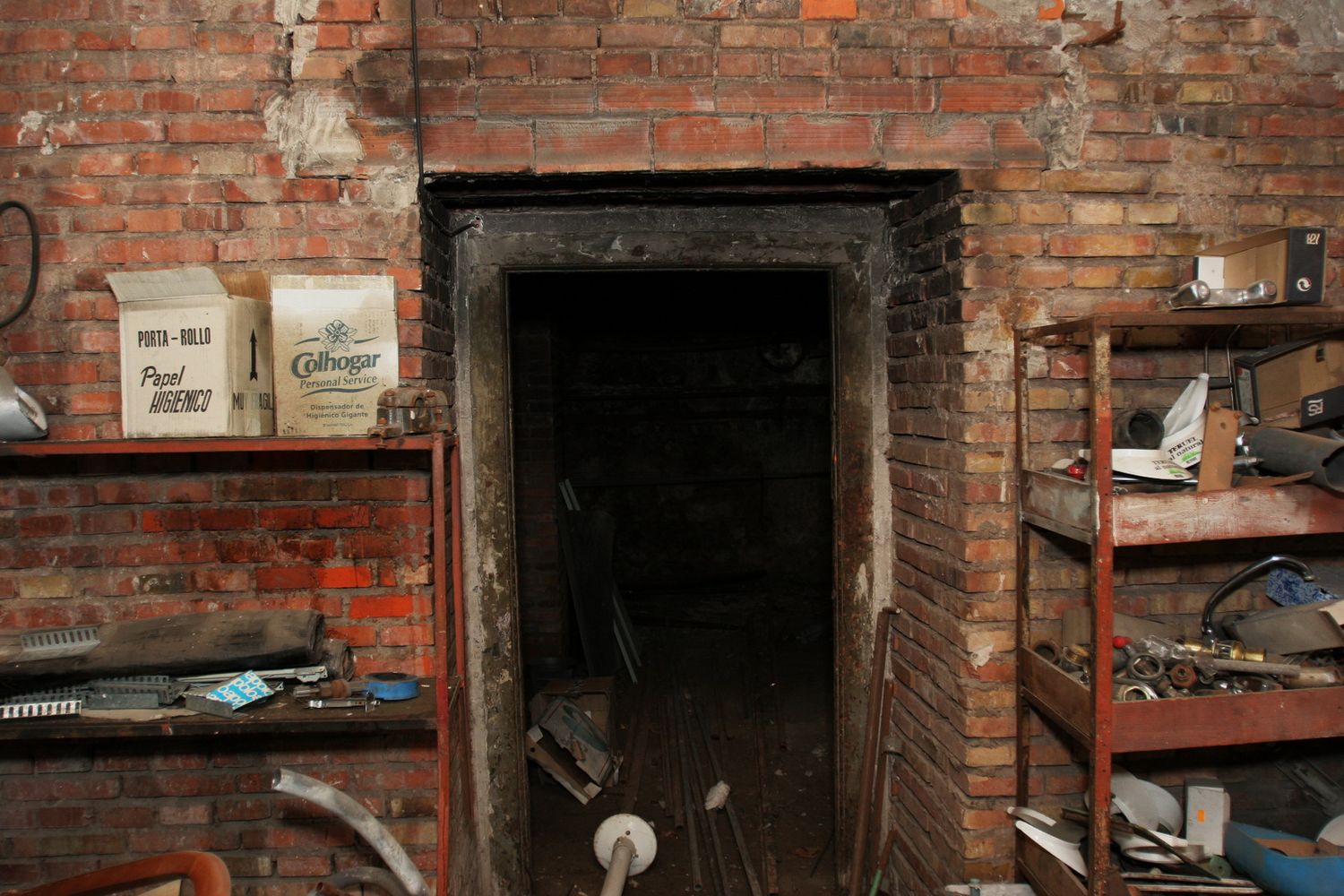
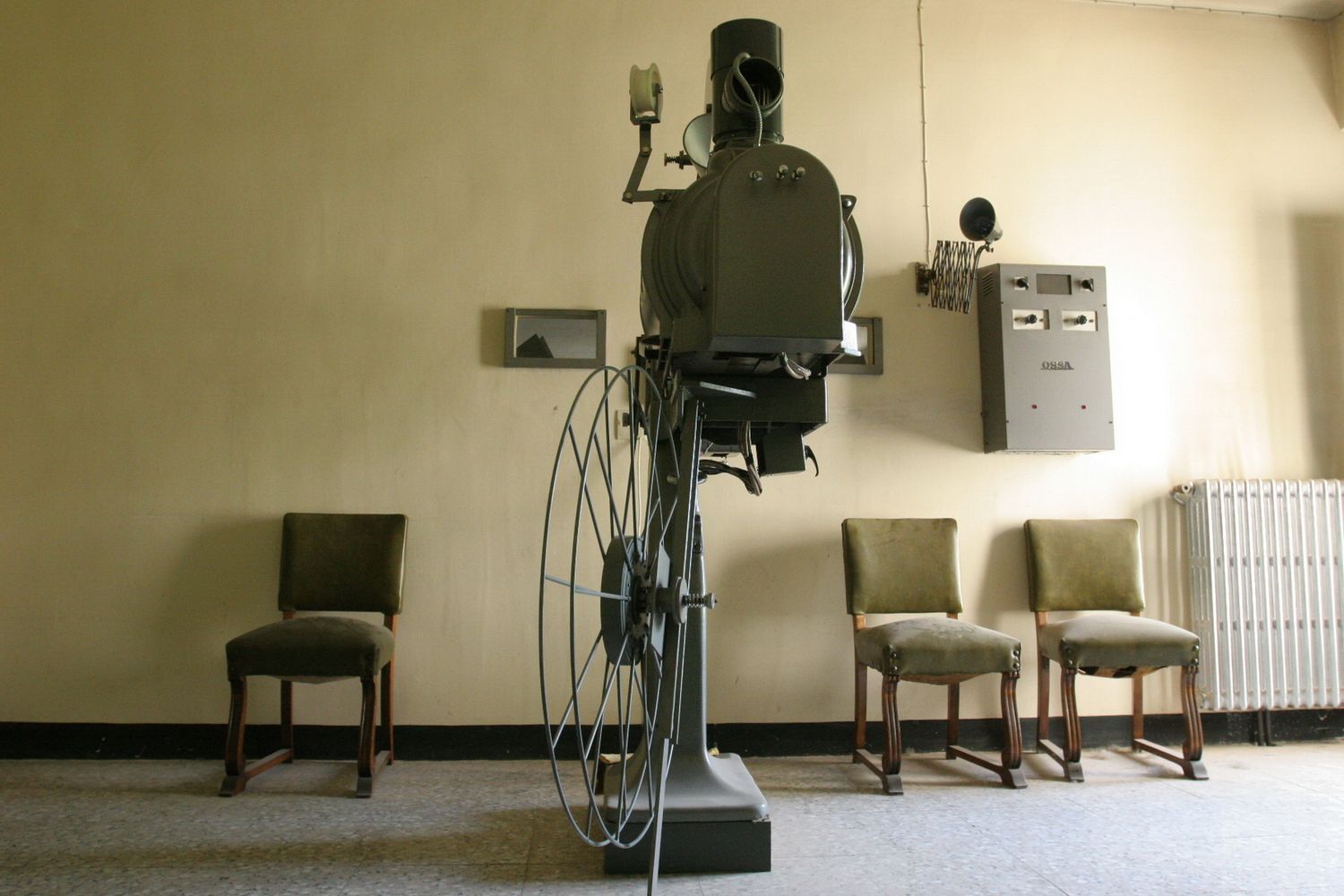
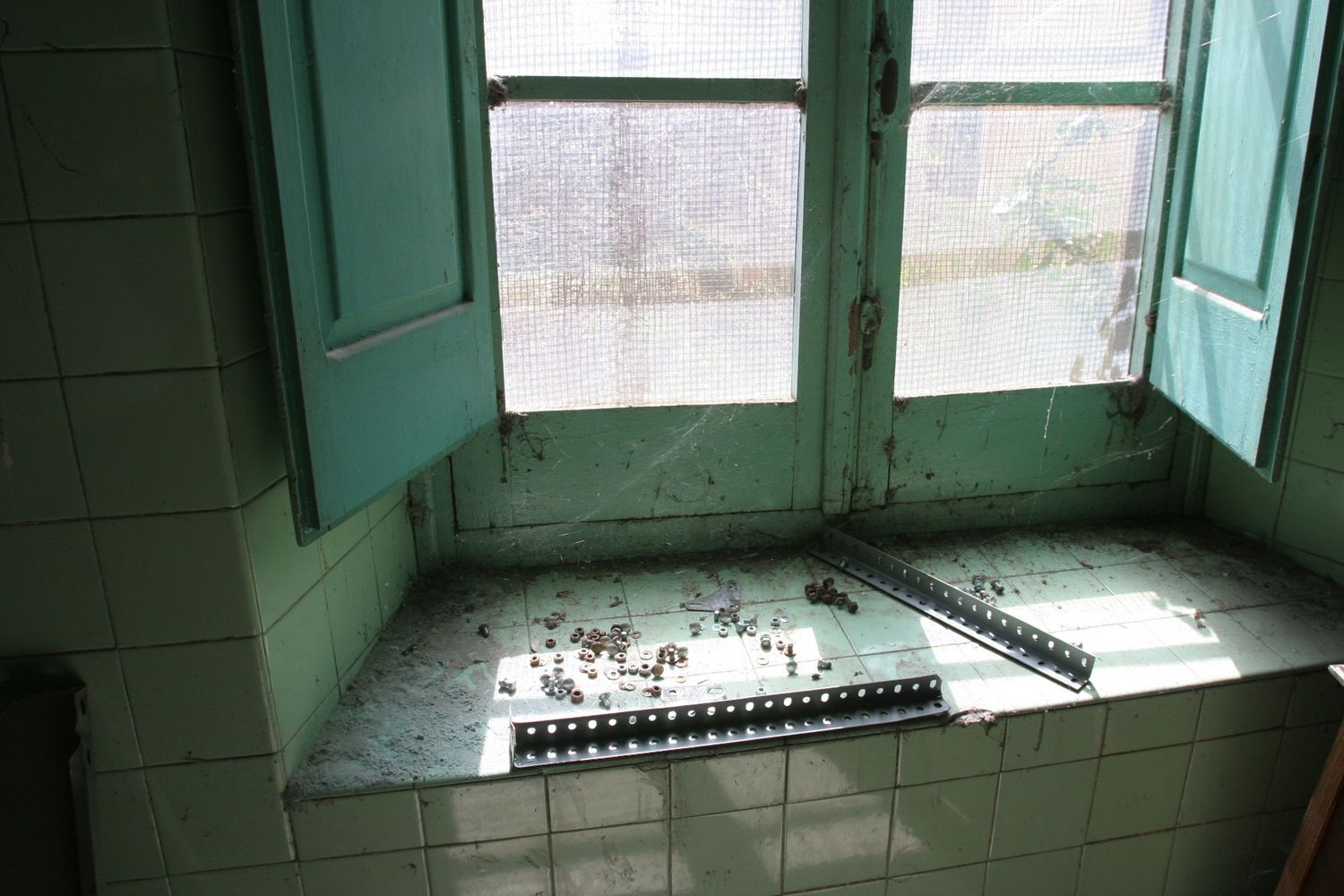
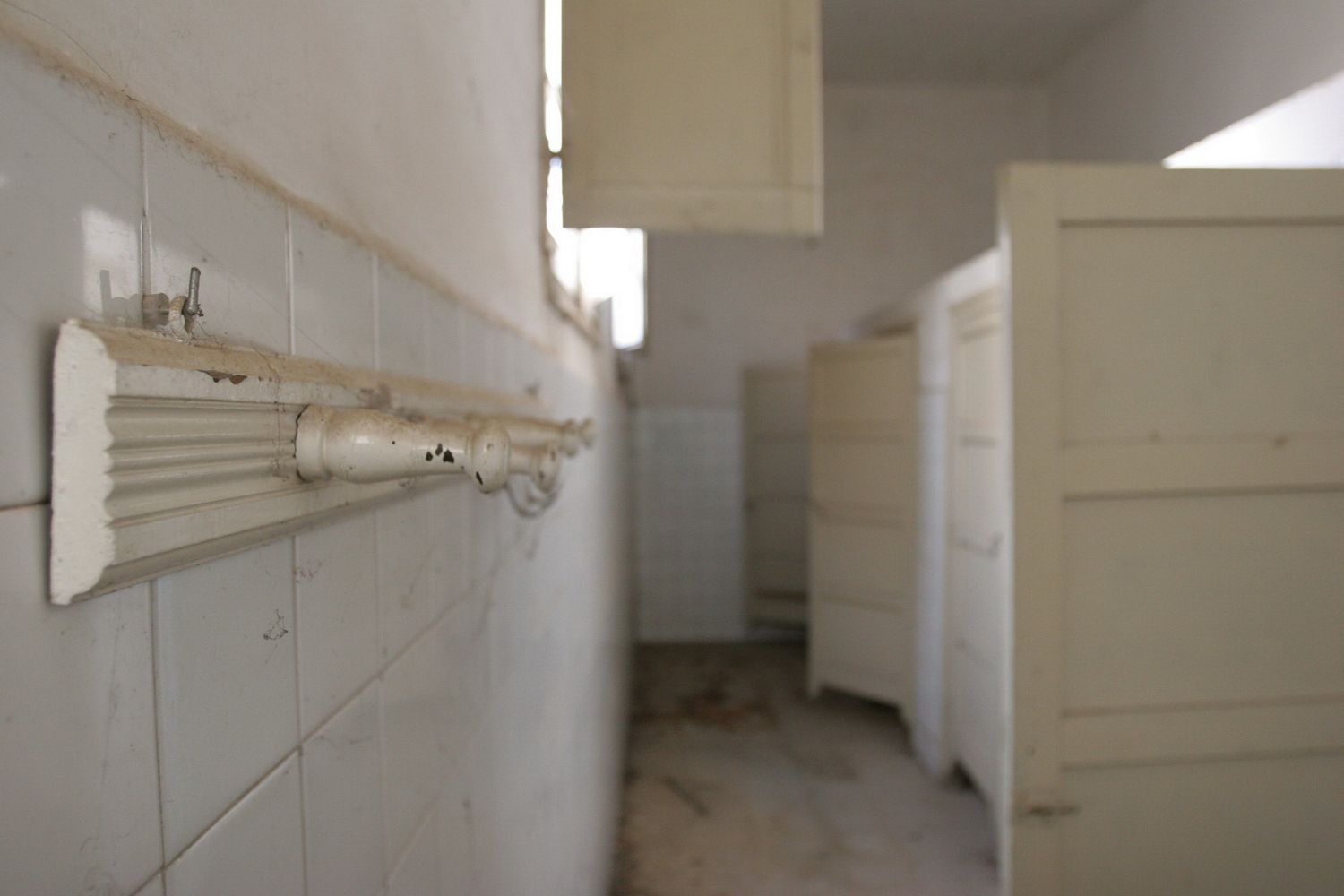
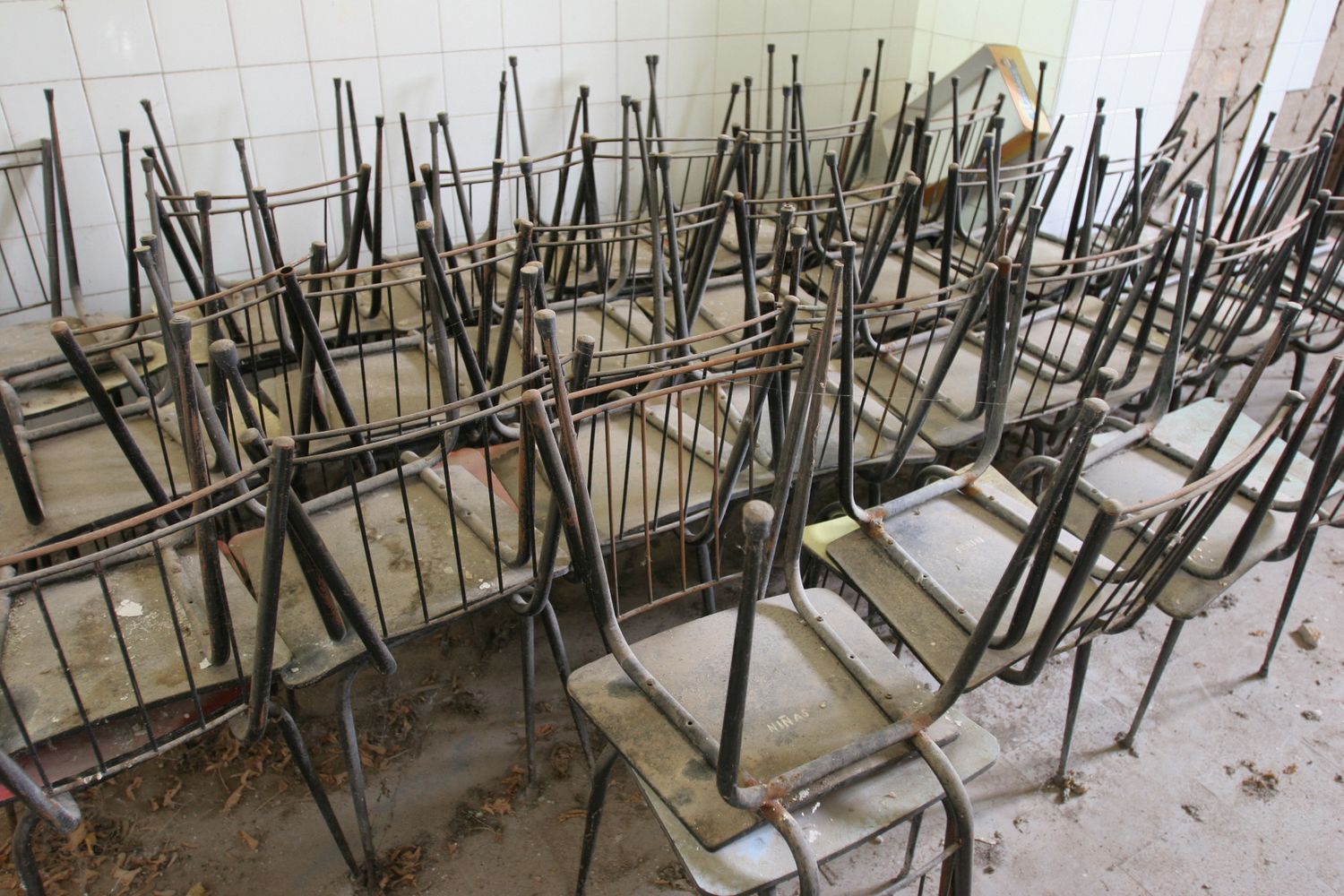
Walking through its corridors felt less like exploring an abandoned building and more like stepping into a life that had simply paused. Dust covered every surface, yet almost nothing had been disturbed. Shoe-making workshops still held hundreds of wooden lasts neatly arranged on shelves. Machines, tools, classrooms, dormitories, and everyday objects remained exactly where someone had left them, as though the children might return after lunch to continue their day.
Each room revealed another small piece of ordinary life.
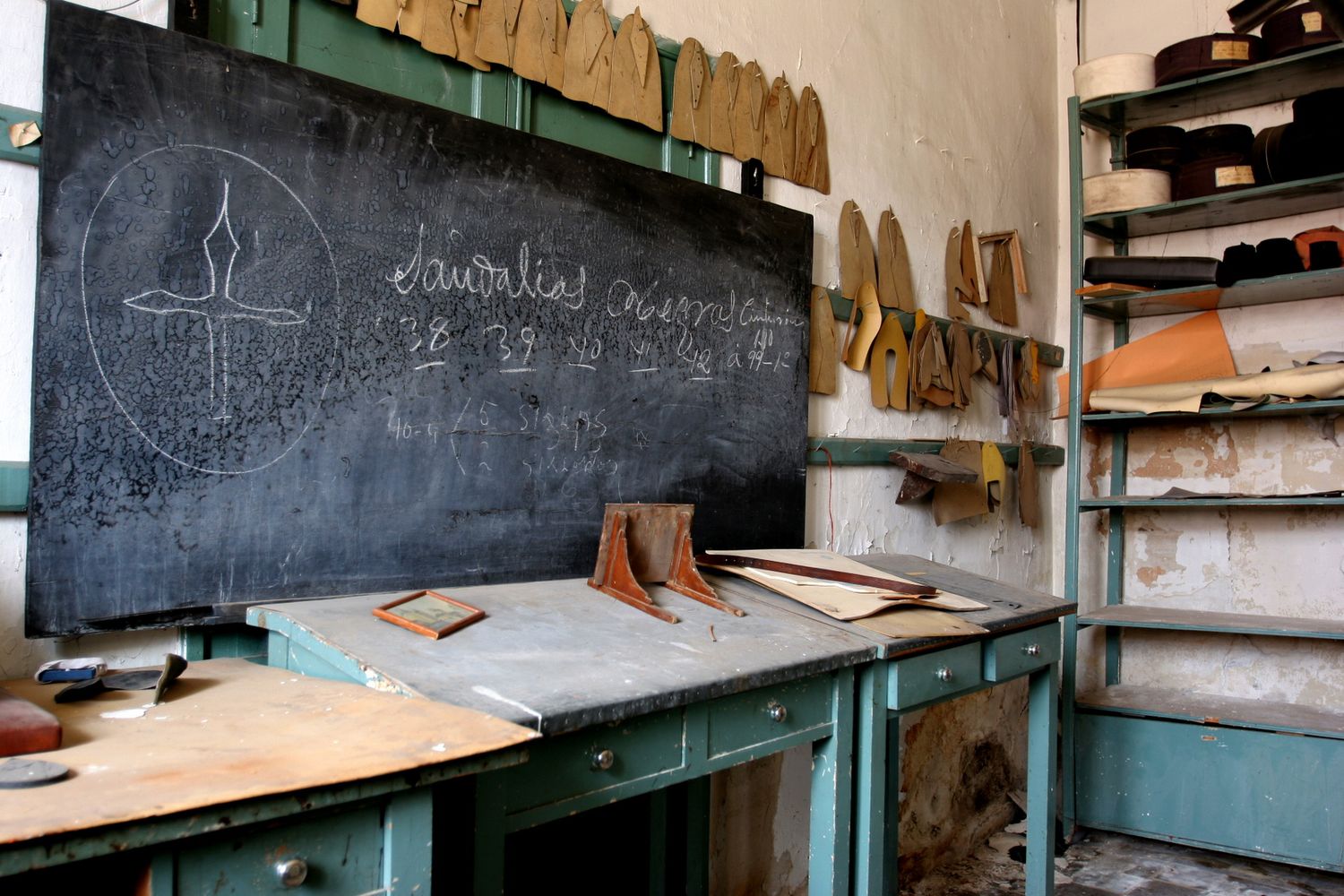
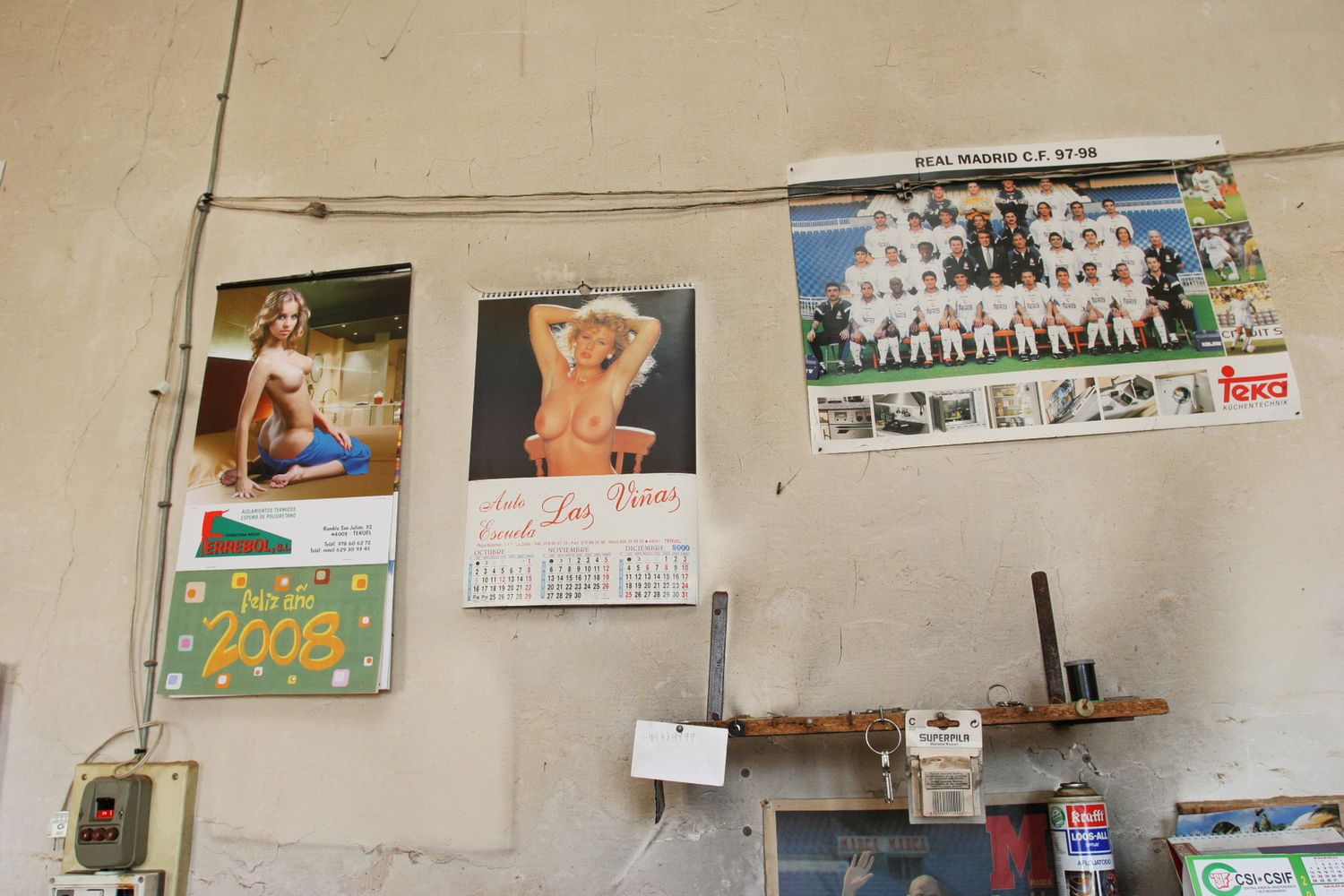
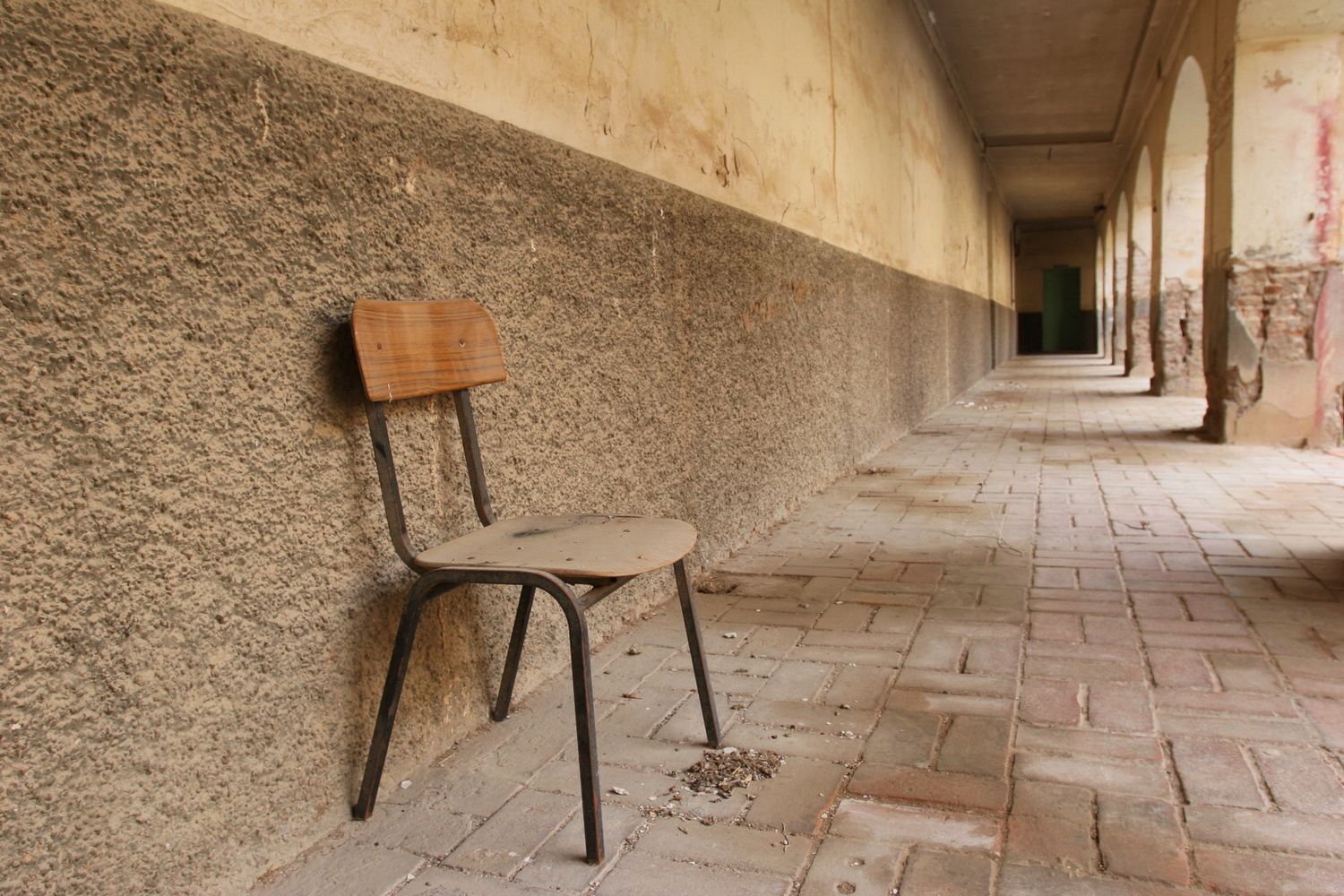
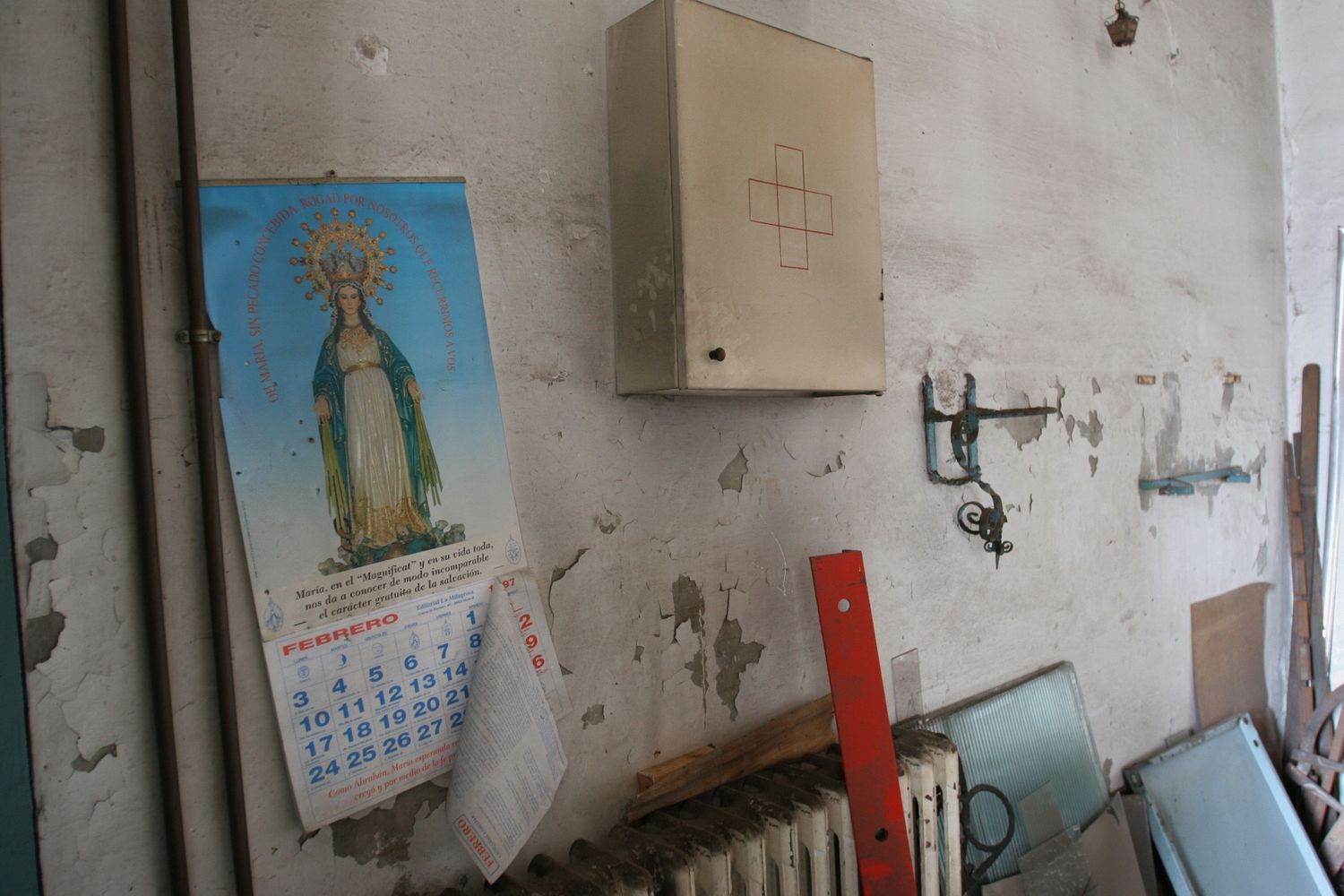
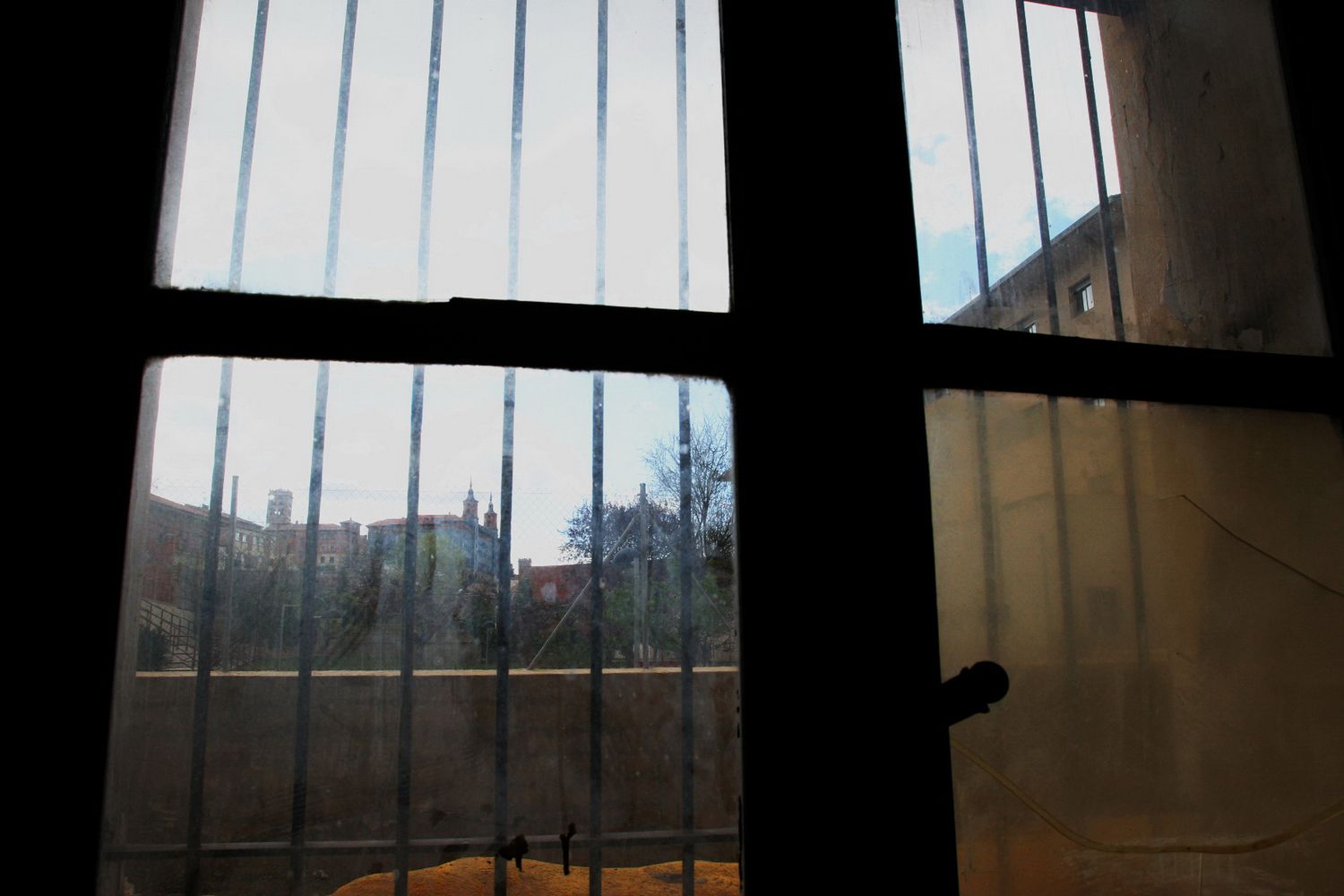
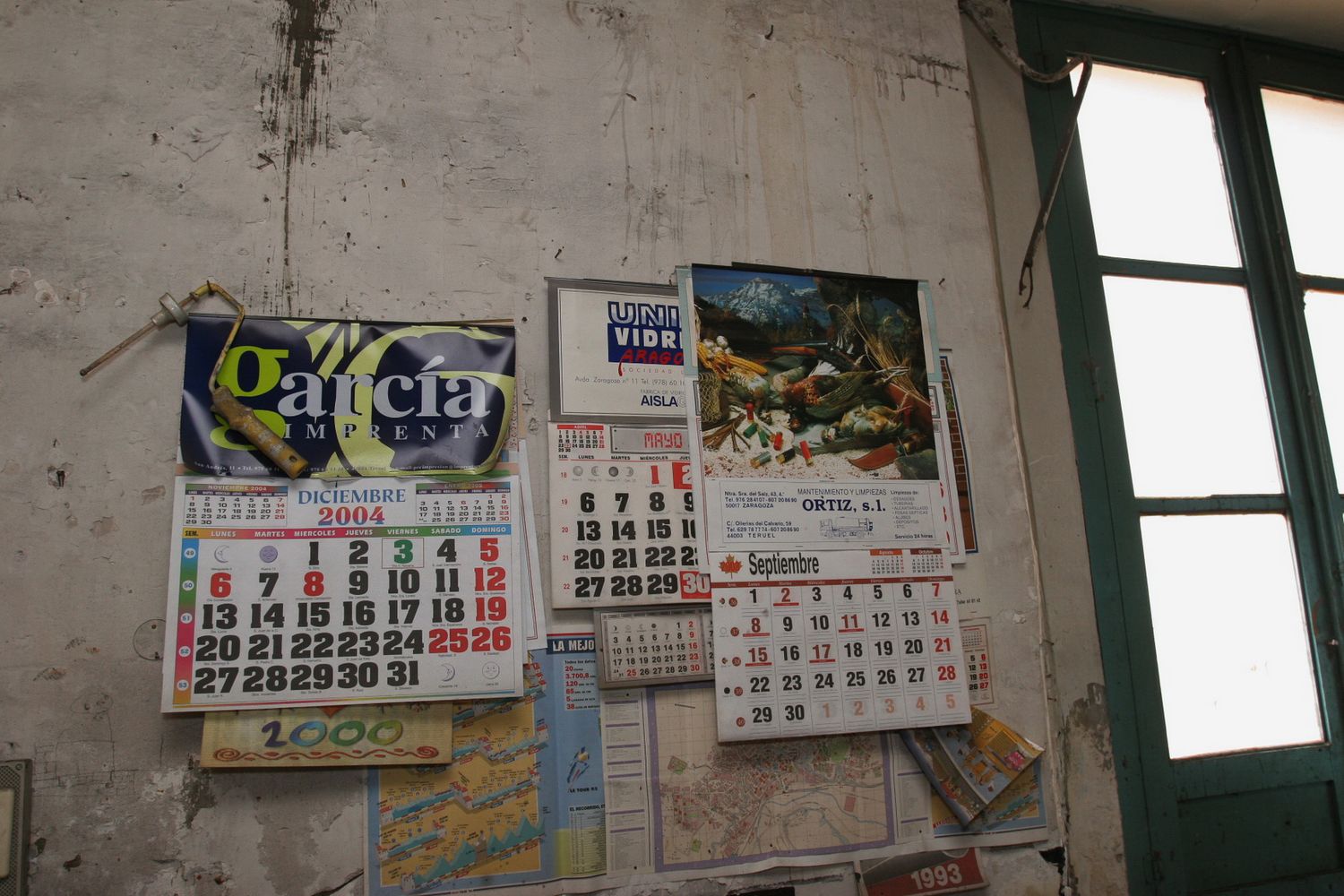
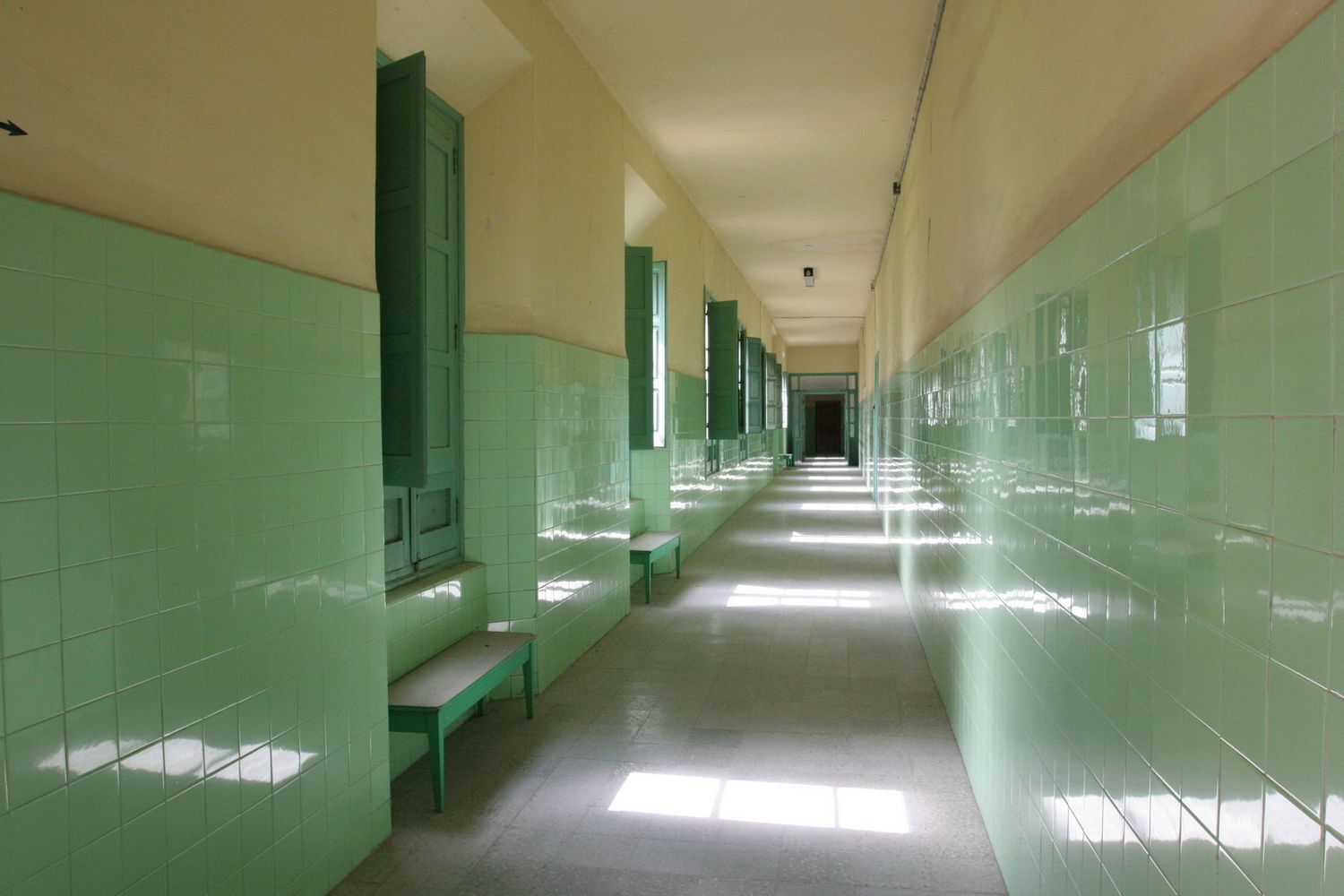
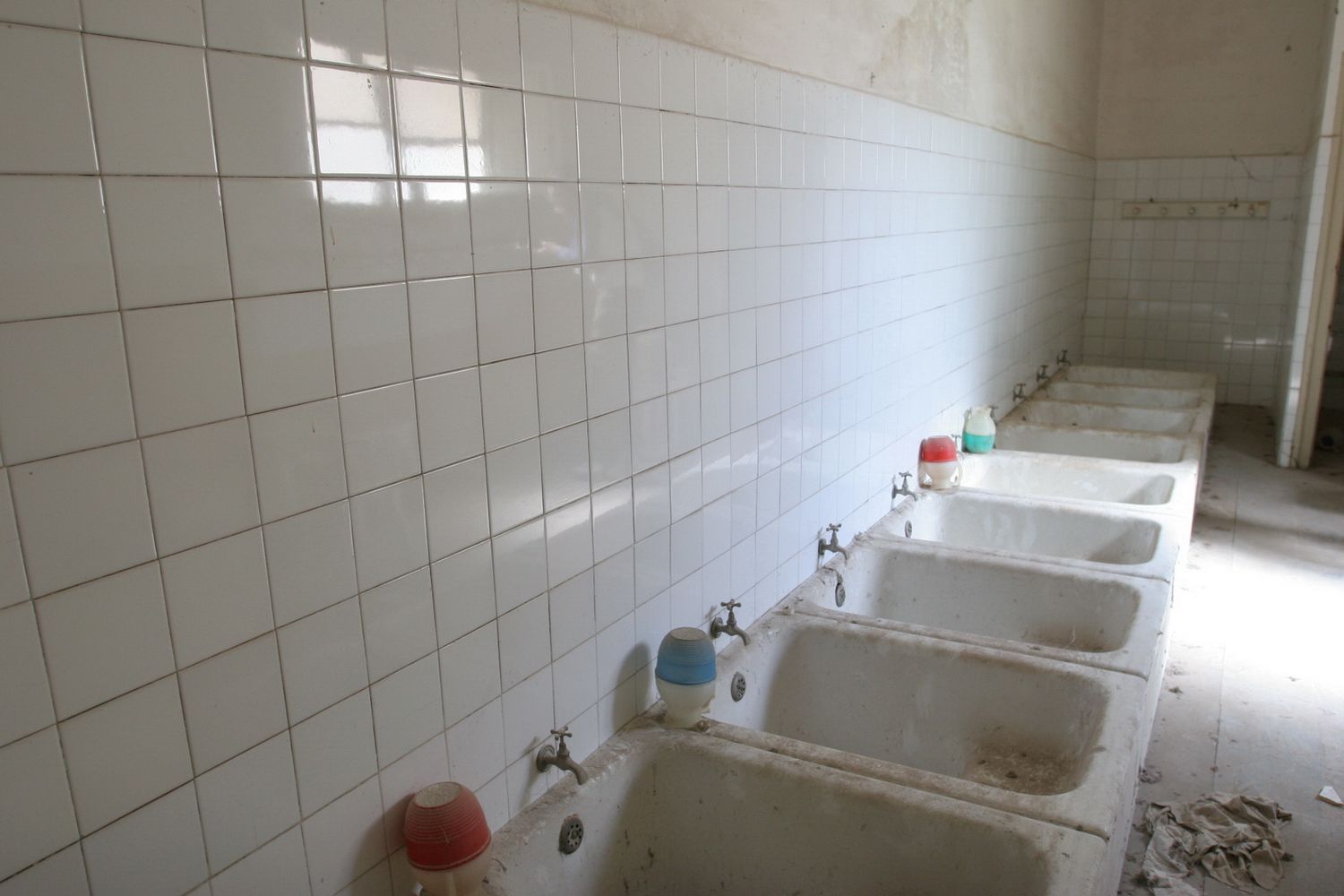
Sunlight filtered through long corridors. Chalkboards still carried faint traces of lessons. Bathrooms stood ready for children who would never return. Calendars remained fixed on dates that had long since passed. The building had become a time capsule, preserving not great historical events, but the quiet routines of childhood.
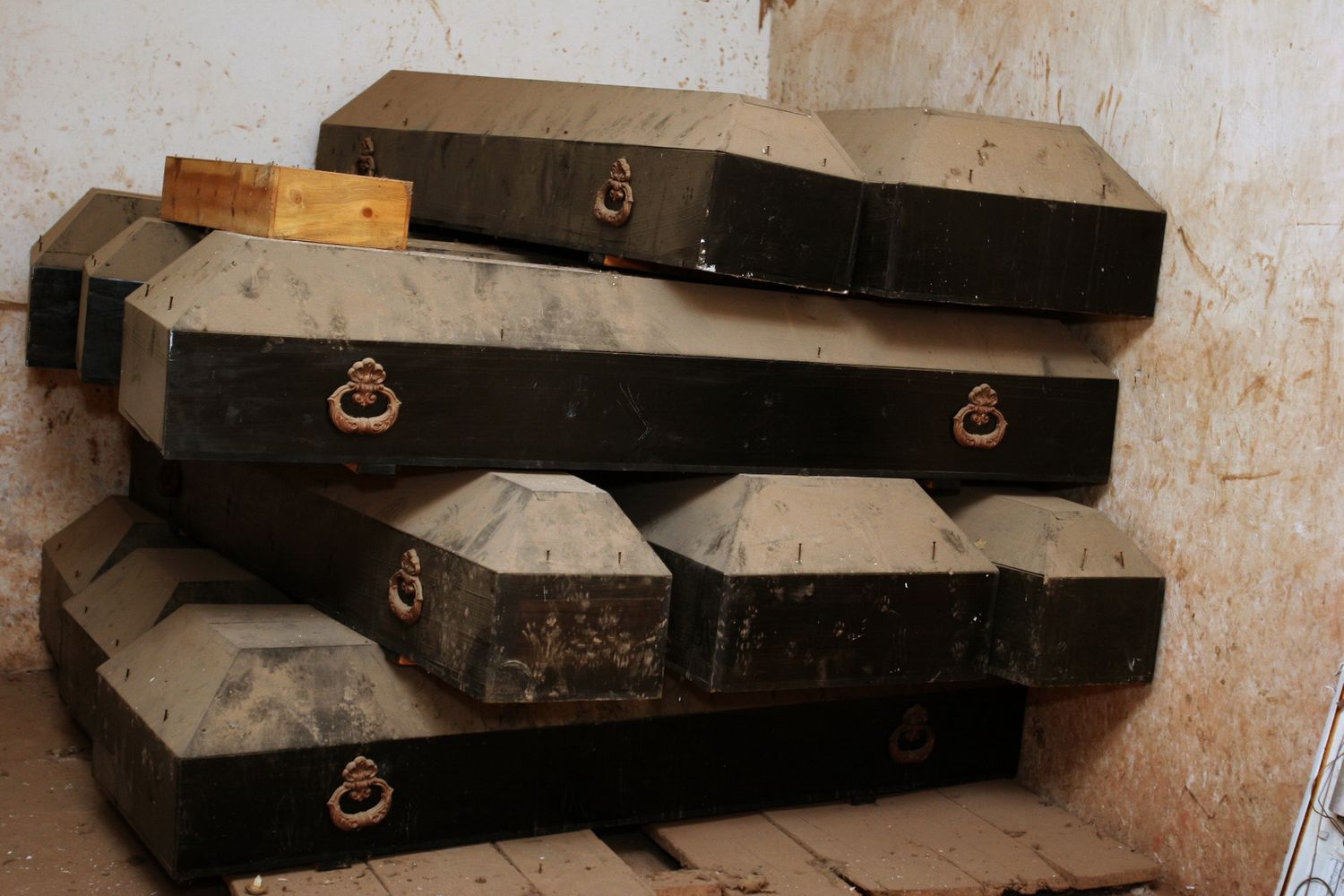
Then, in a small basement room, I found several tiny children's coffins stacked carefully against the wall. I lowered my camera.
Whether they had ever been used, I don't know, and perhaps I never will. But seeing them there, covered in decades of dust, was one of the most moving moments of my years photographing Spain. In that instant, the building became something more than an abandoned orphanage. It became a place that held lives I would never know, stories I could never fully tell, and questions that would probably never be answered.
As I walked back through the silent corridors, I realized that not every photograph is meant to explain the past. Sometimes it is enough simply to remember that these children were here.
Looking Closer
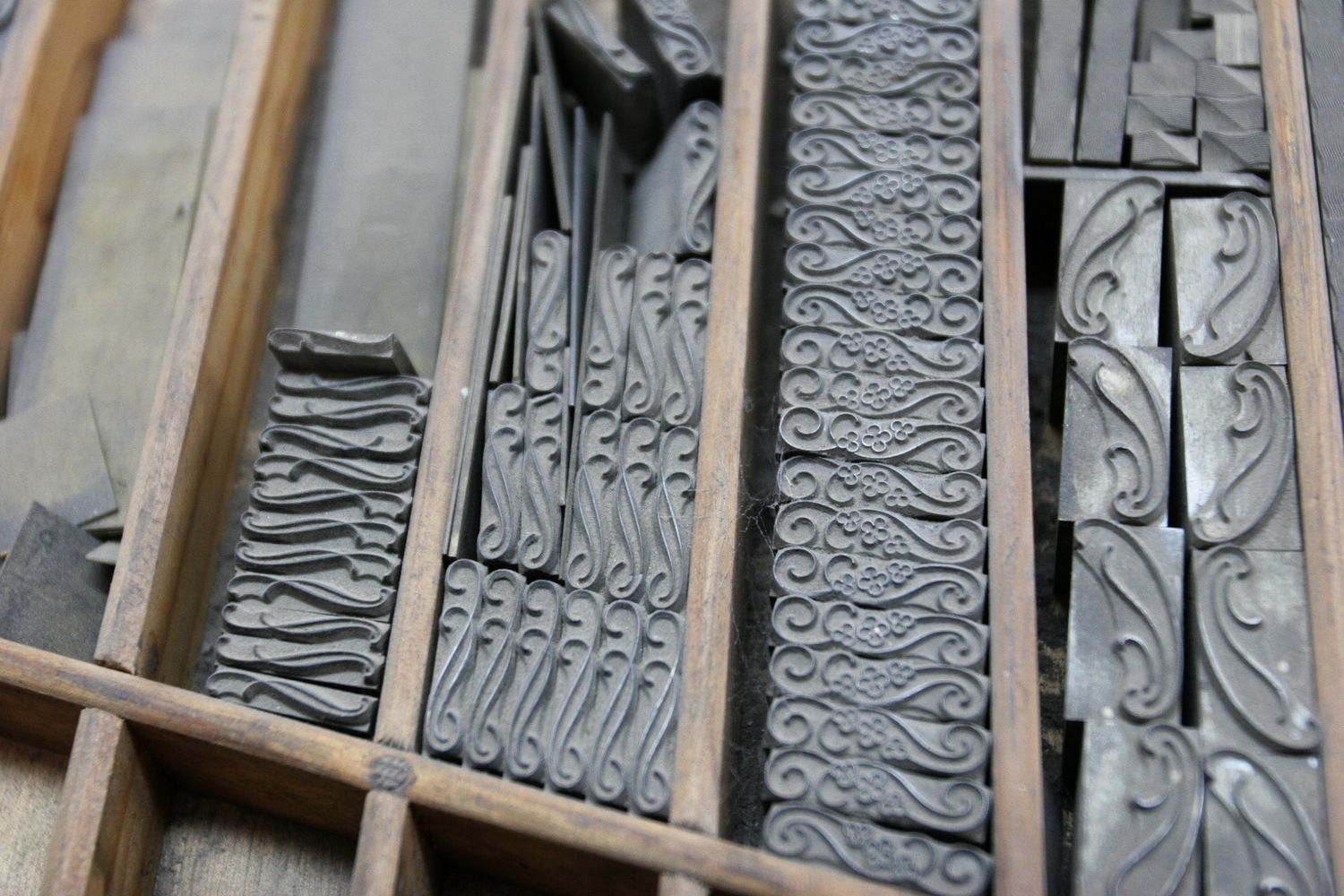
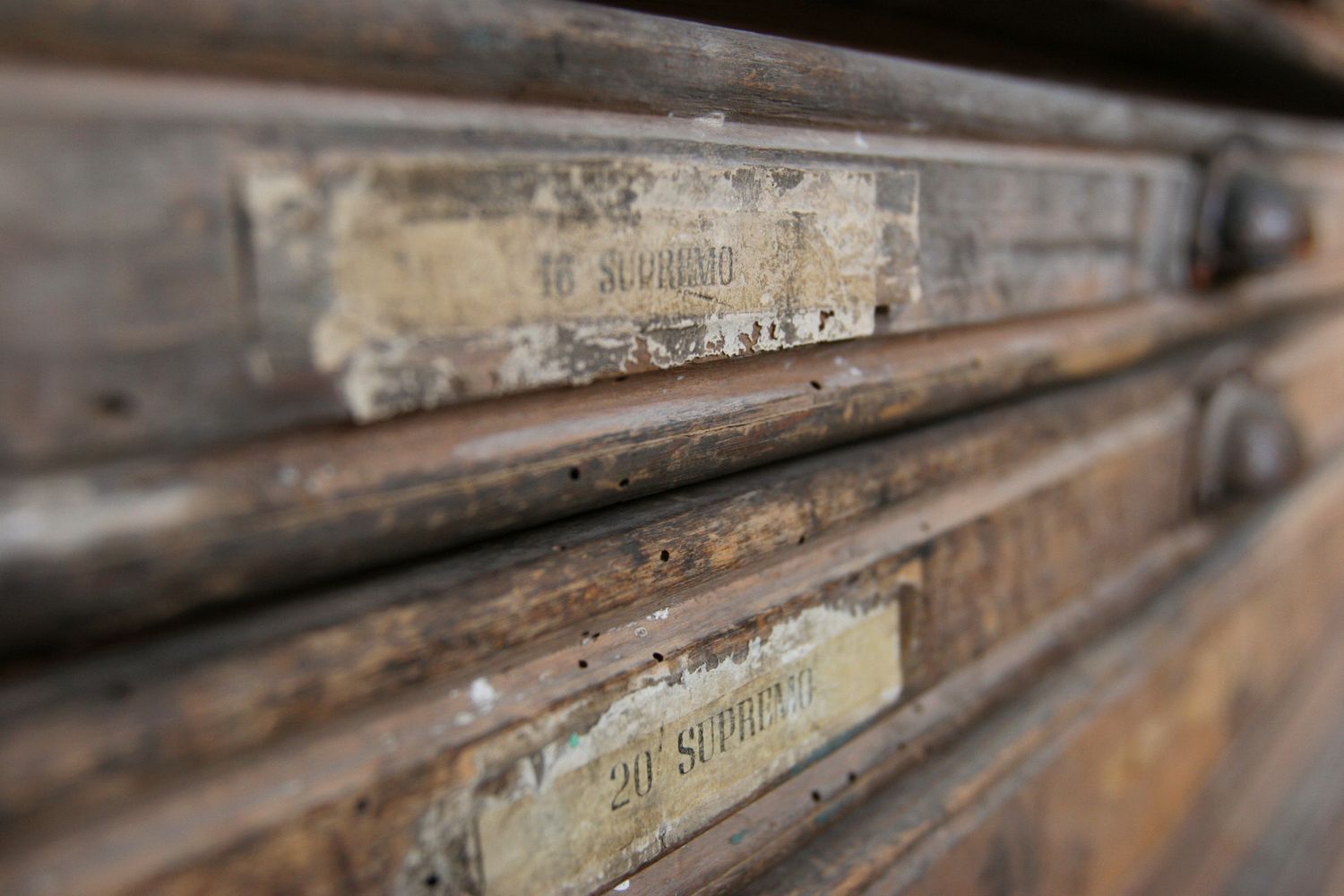
The Casa Provincial de Beneficencia in Teruel was established to care for orphaned and vulnerable children. Construction of its permanent home began in 1798, and children moved into the building in 1801. For almost two centuries, it served not only as a children's home but also as a place of education and vocational training, where practical skills such as shoemaking prepared many residents for adult life.
After the institution was largely vacated in 1992, many of its workshops, classrooms, dormitories, and everyday objects remained in place for years. Together, they offered a rare glimpse into the daily routines of institutional life in twentieth-century Spain and preserved an important chapter of Teruel's social history.