The Ceramists · Stewardship
Hand That Remember
Some crafts are learned with books. Others are learned by watching the same hands, day after day, for a lifetime.
The Ceramists · Stewardship · Where Clay Becomes Legacy
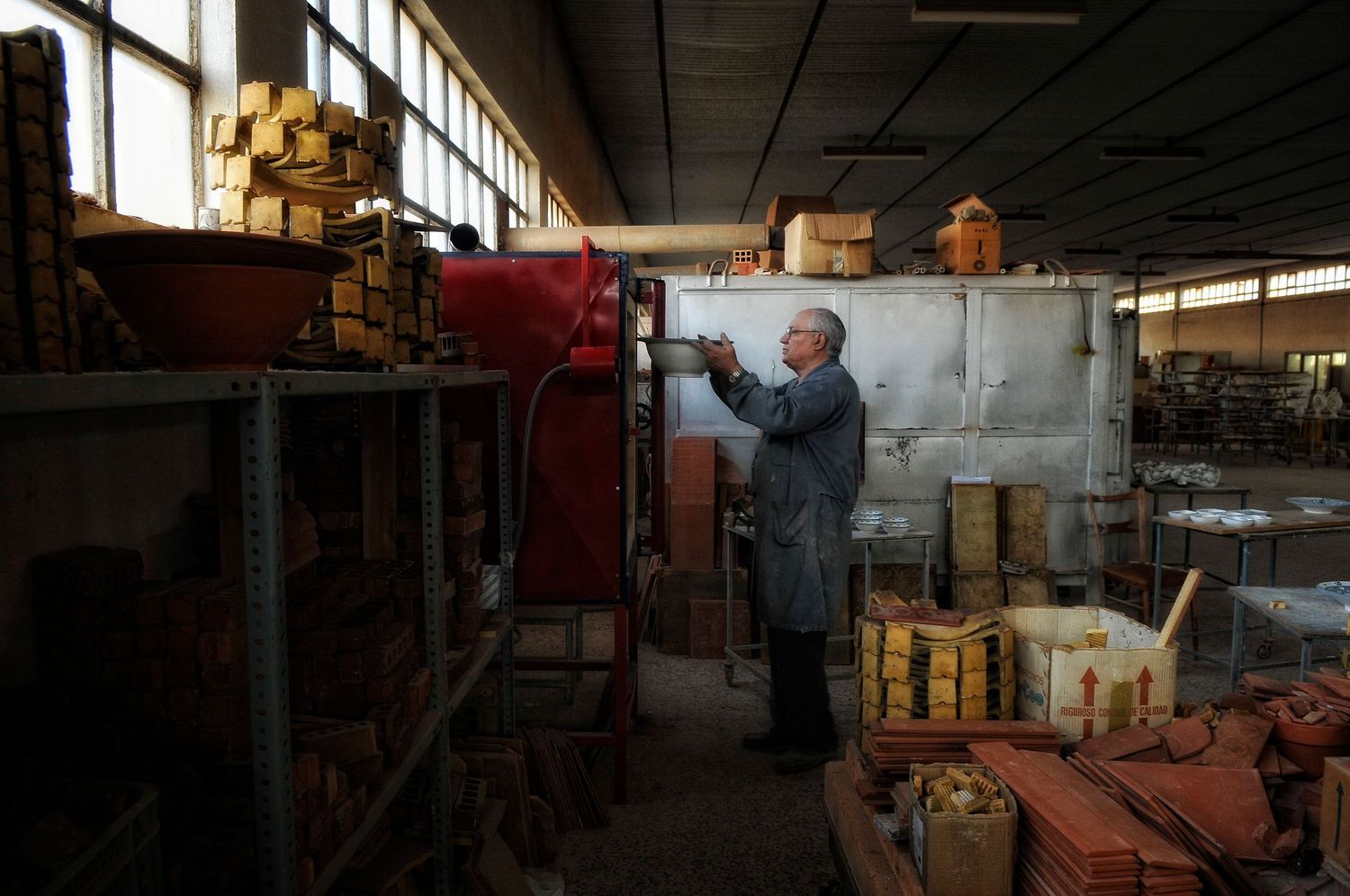
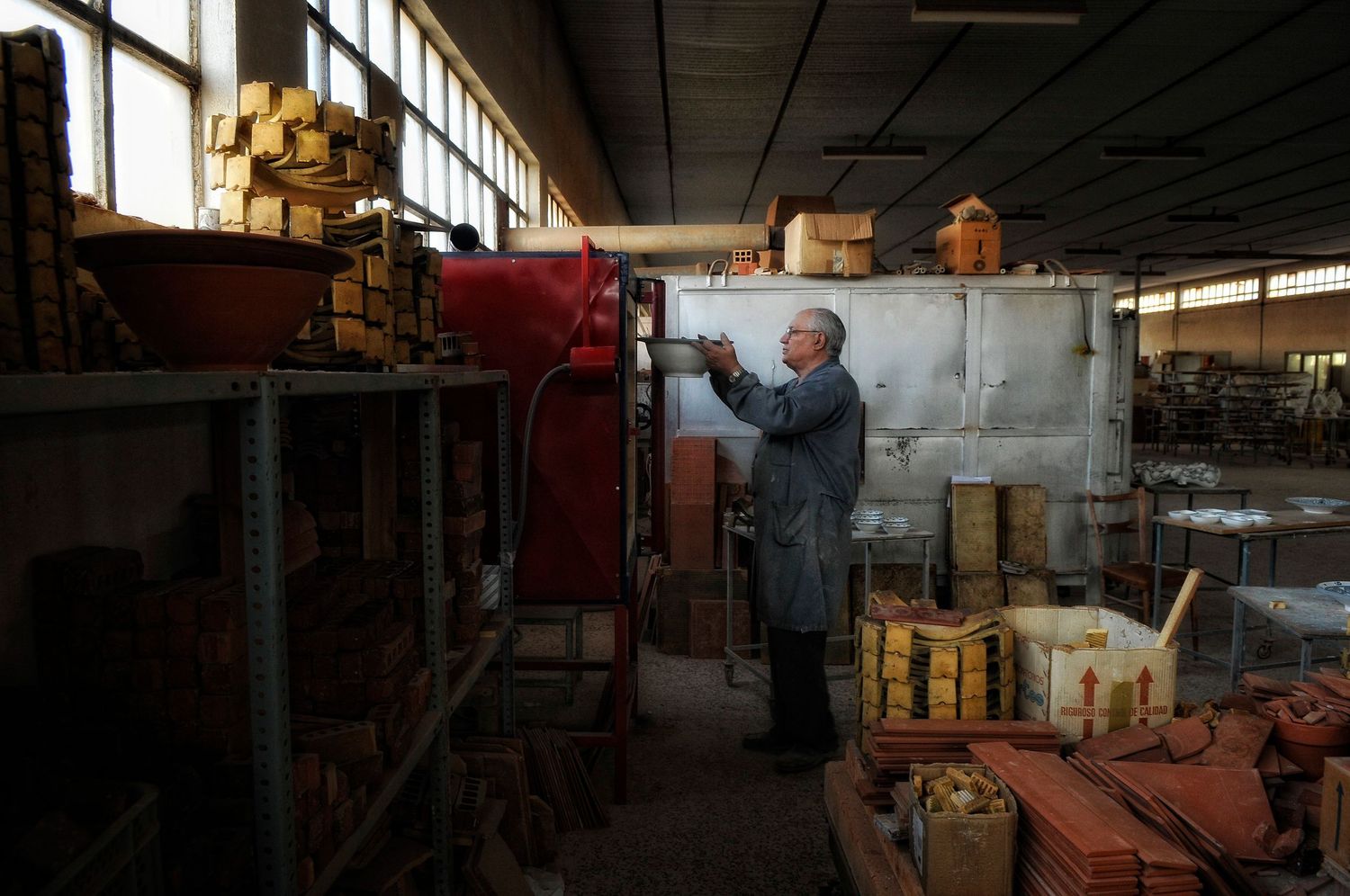
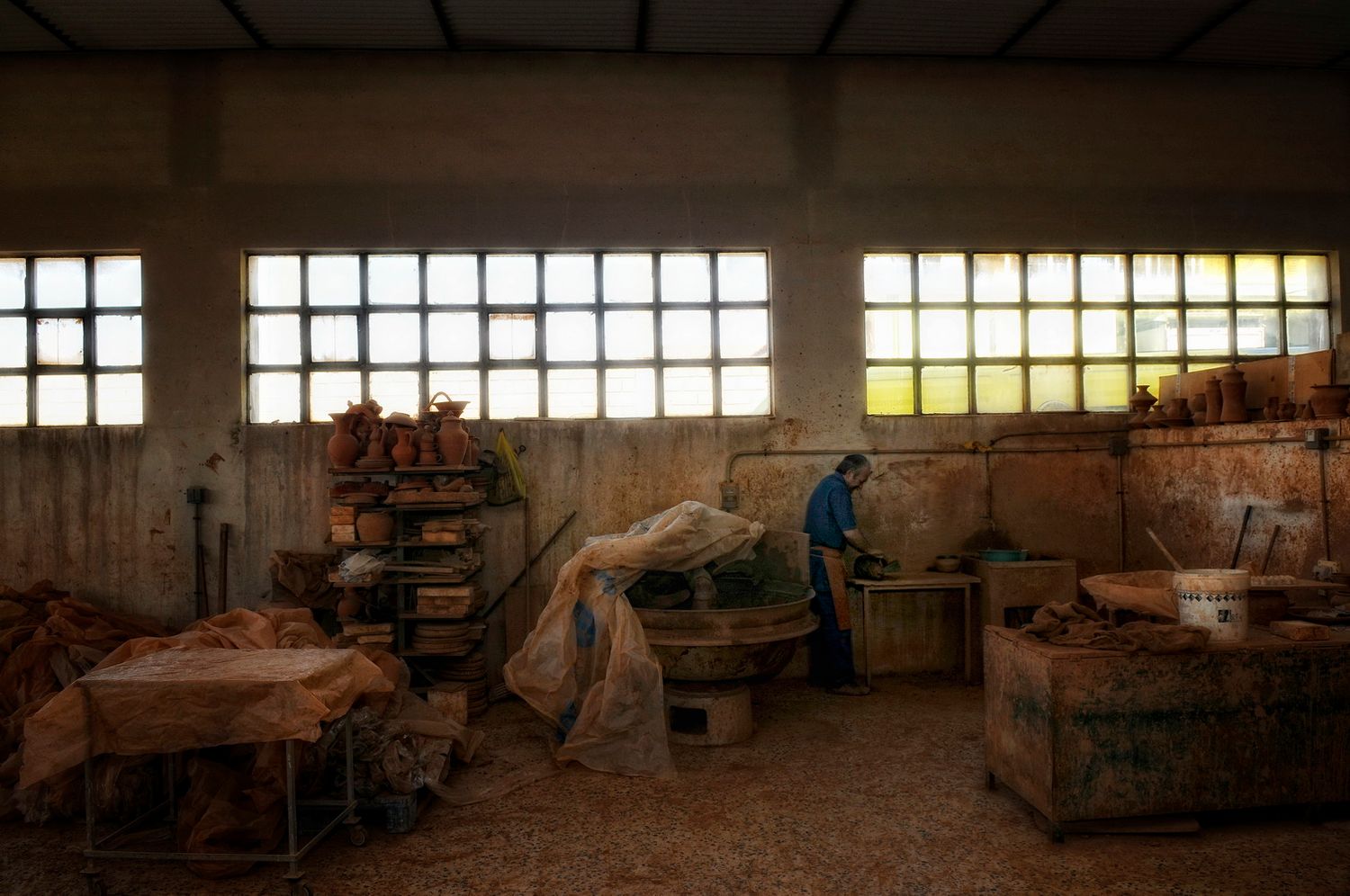
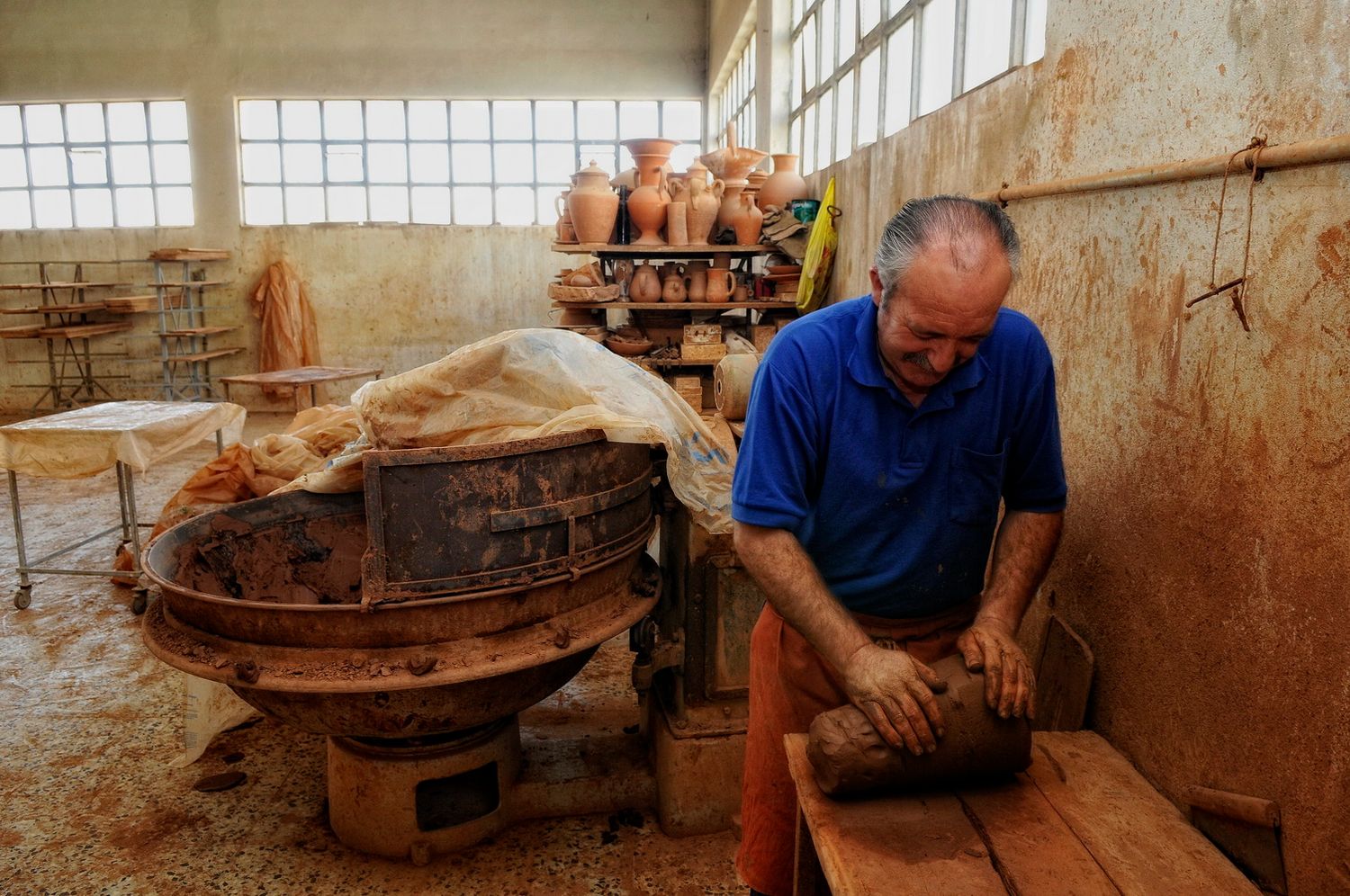
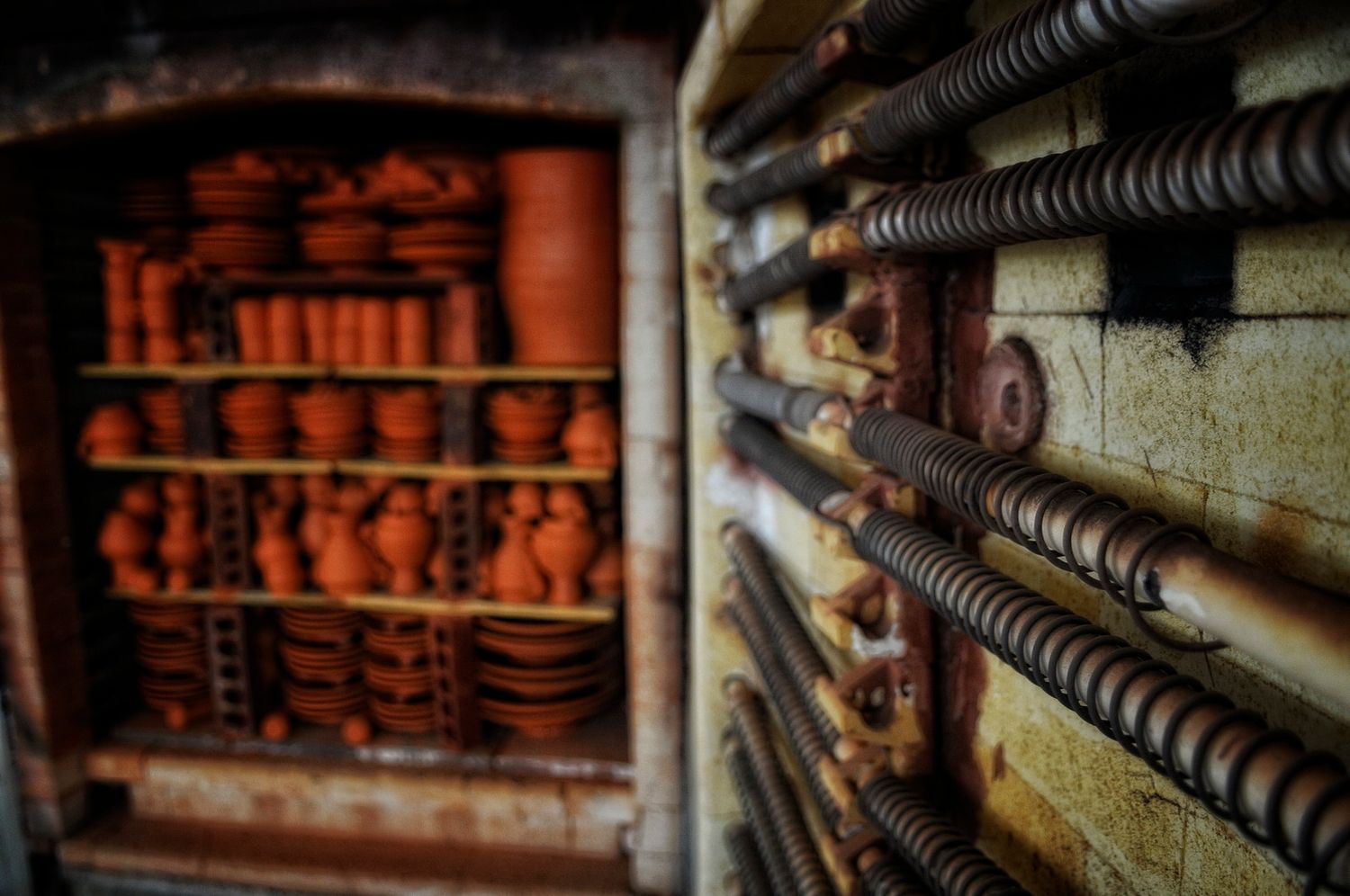
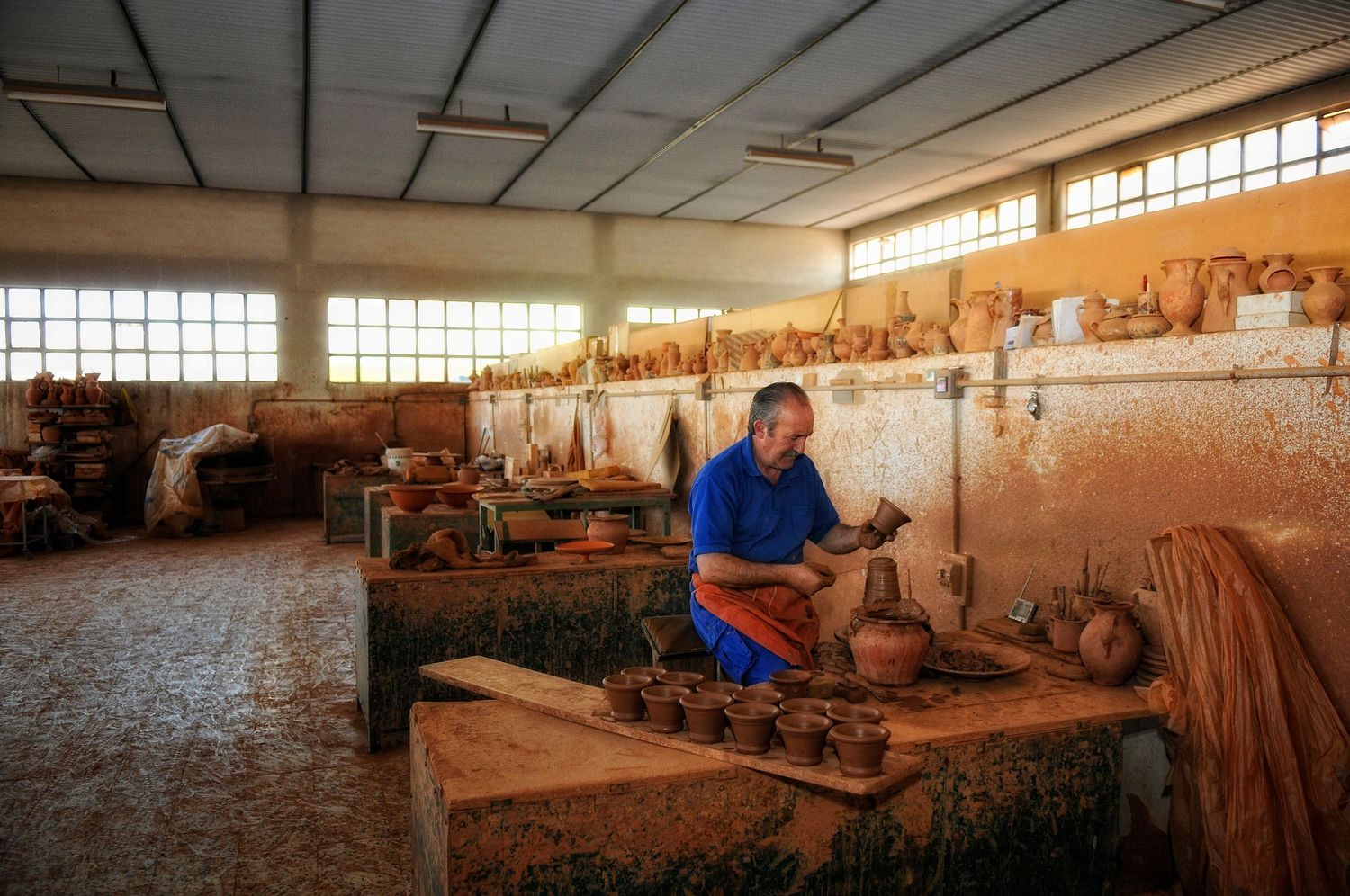
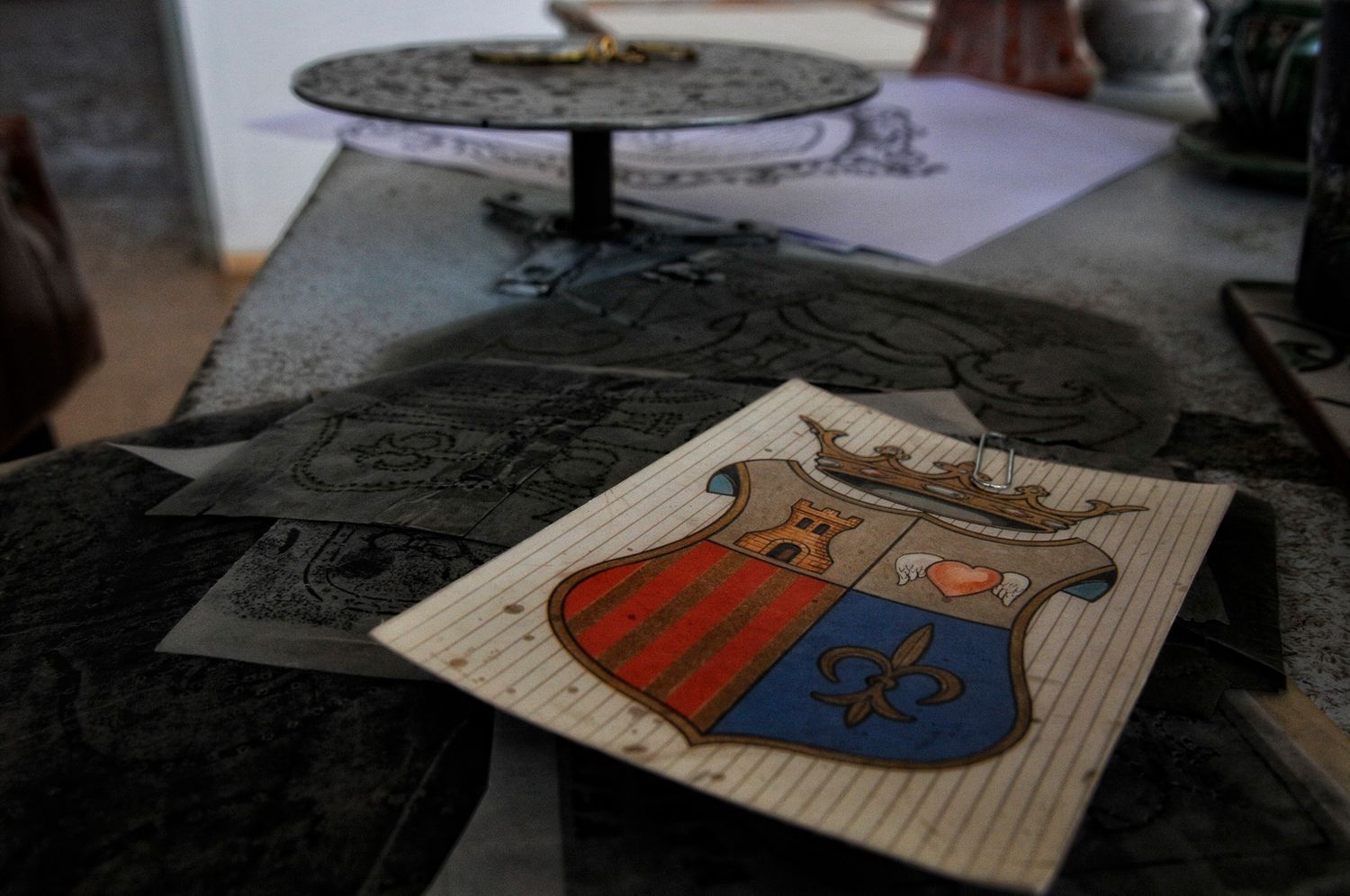
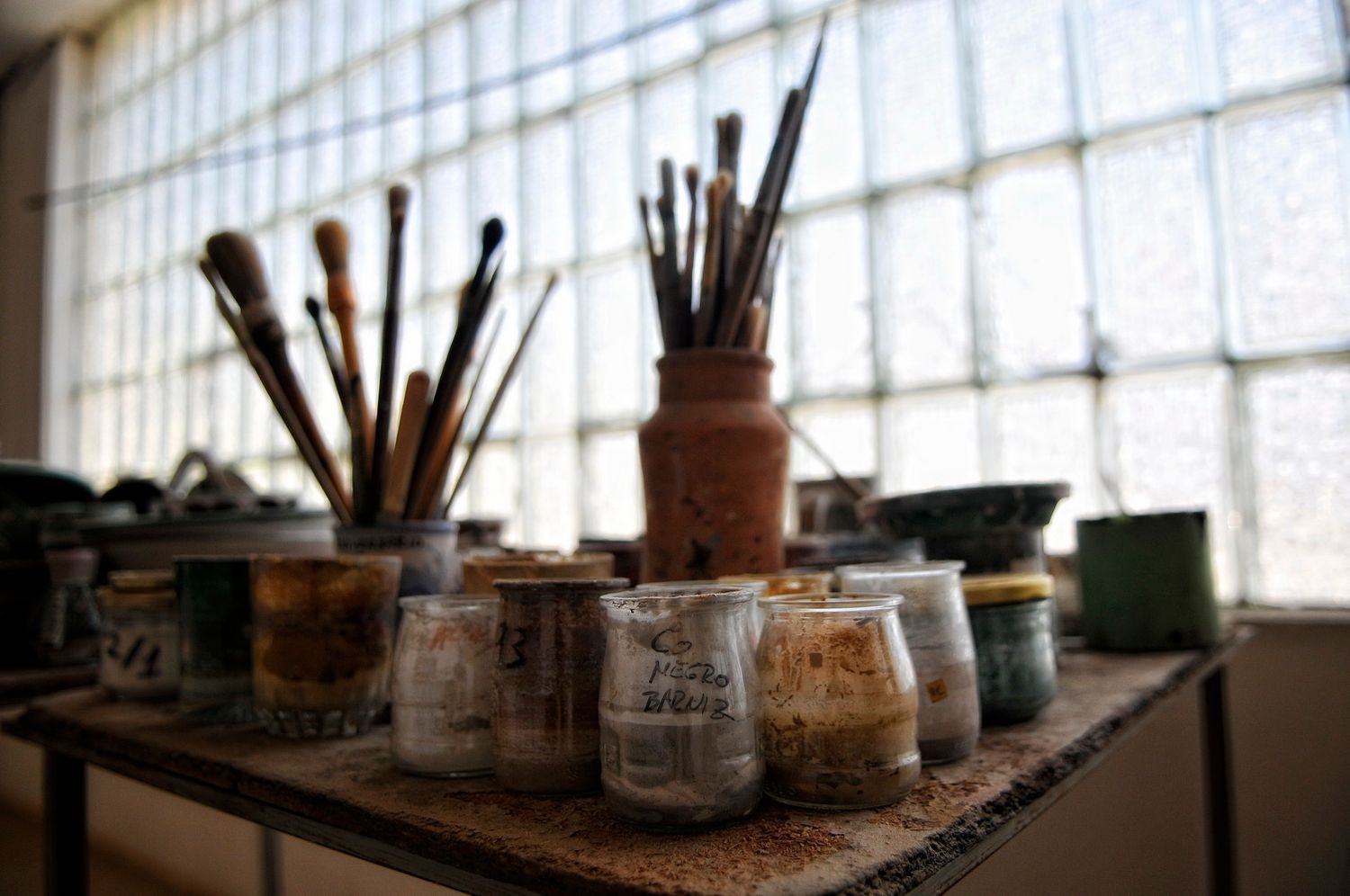
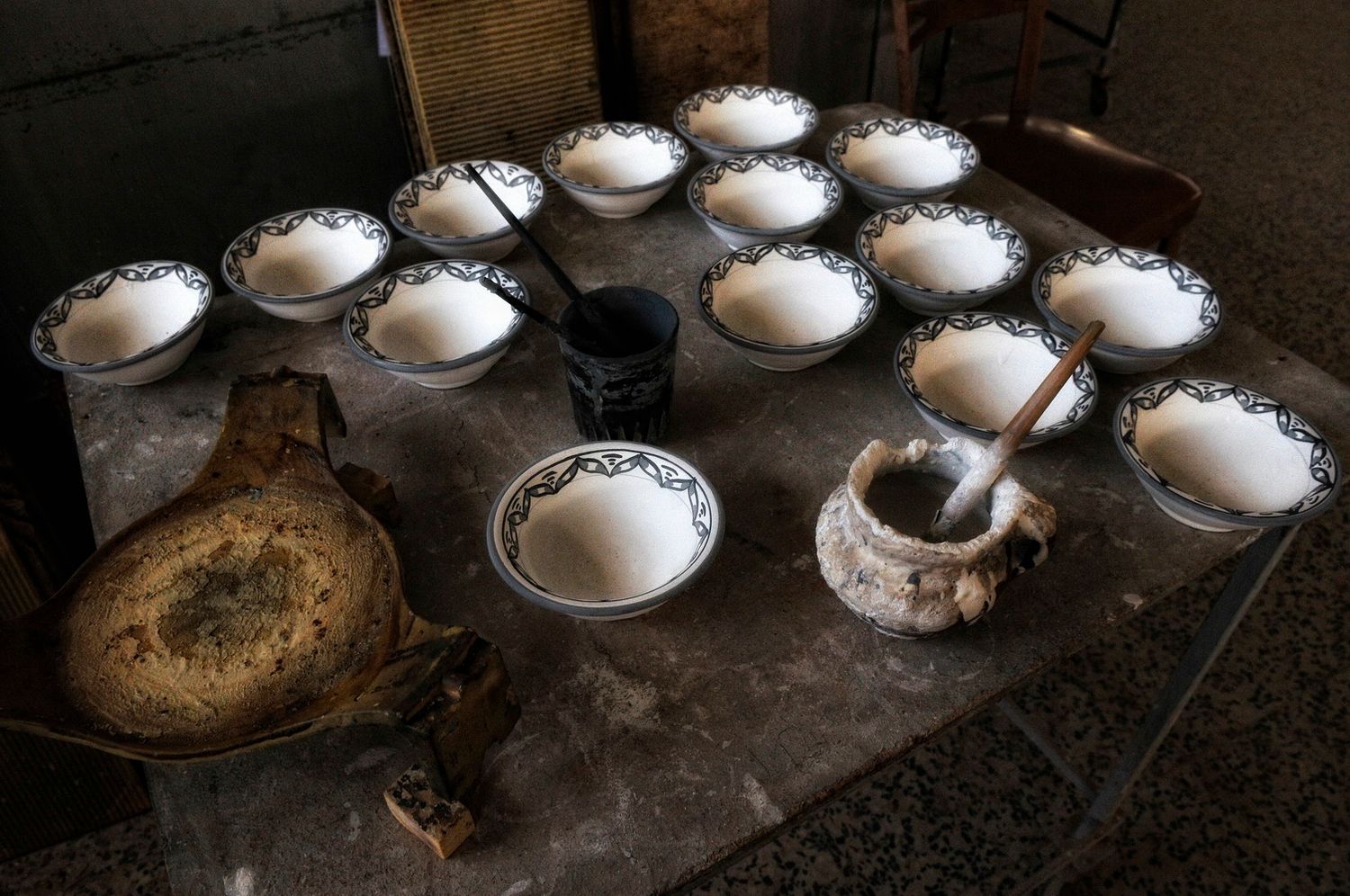
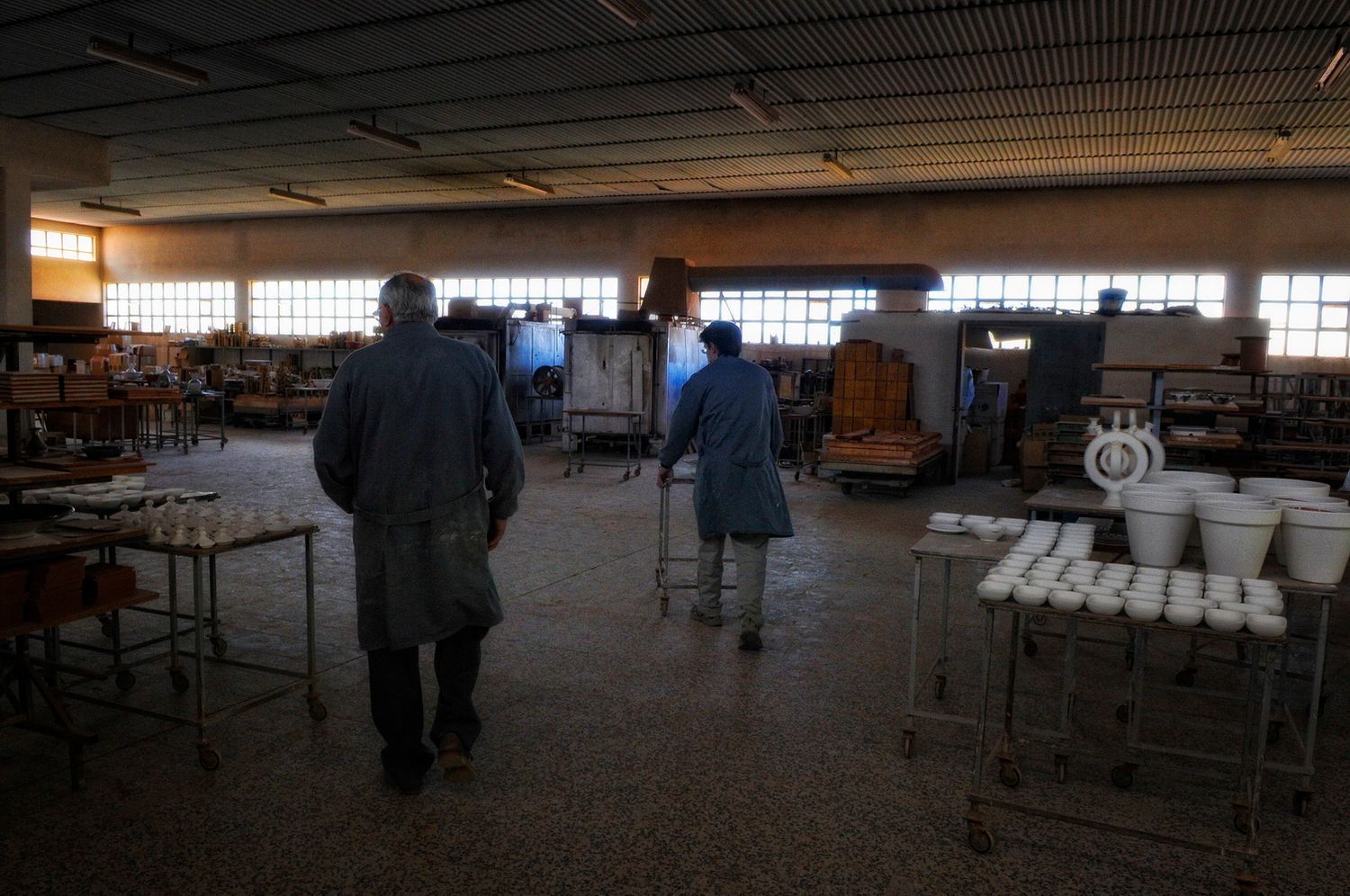
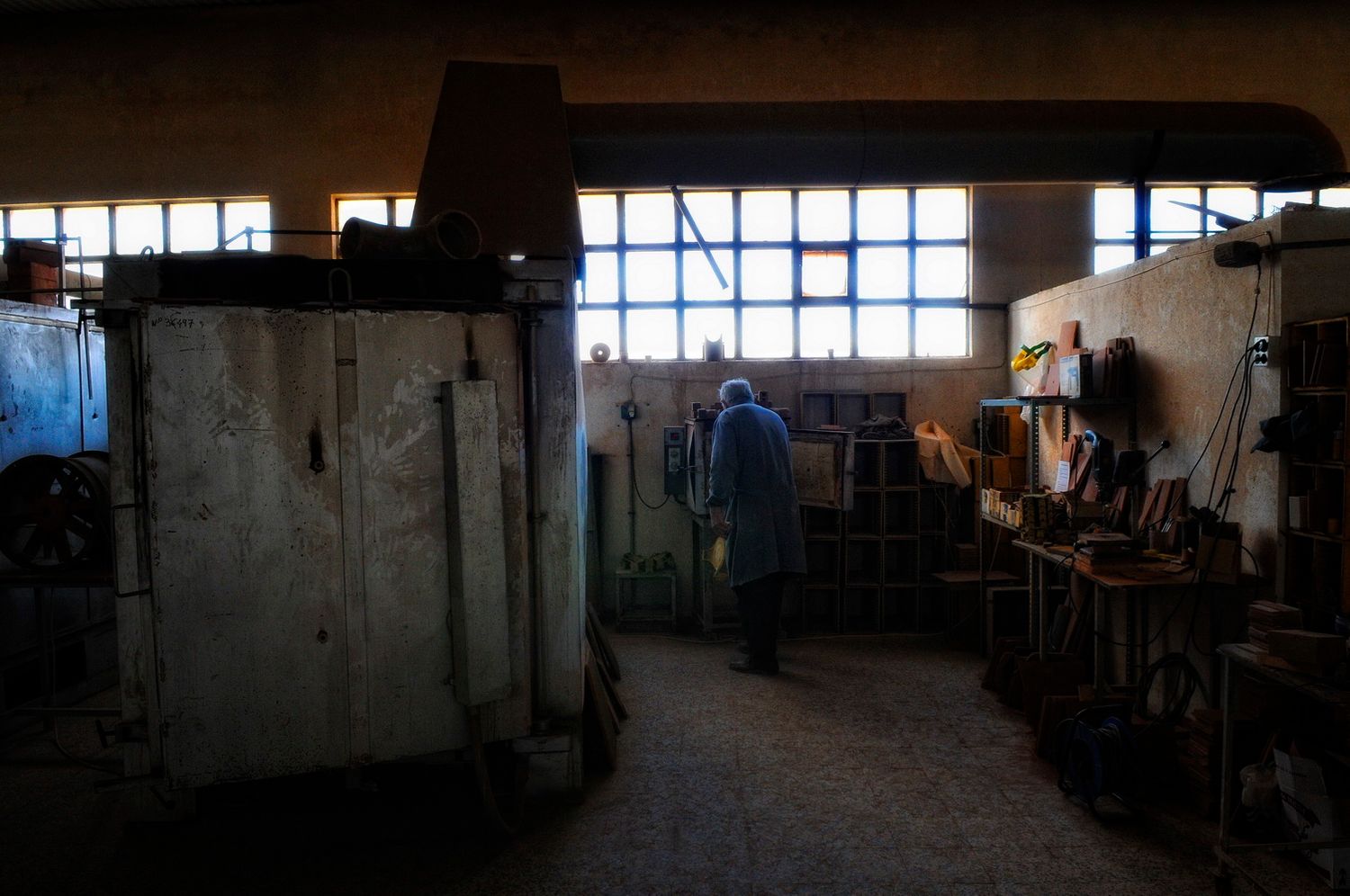
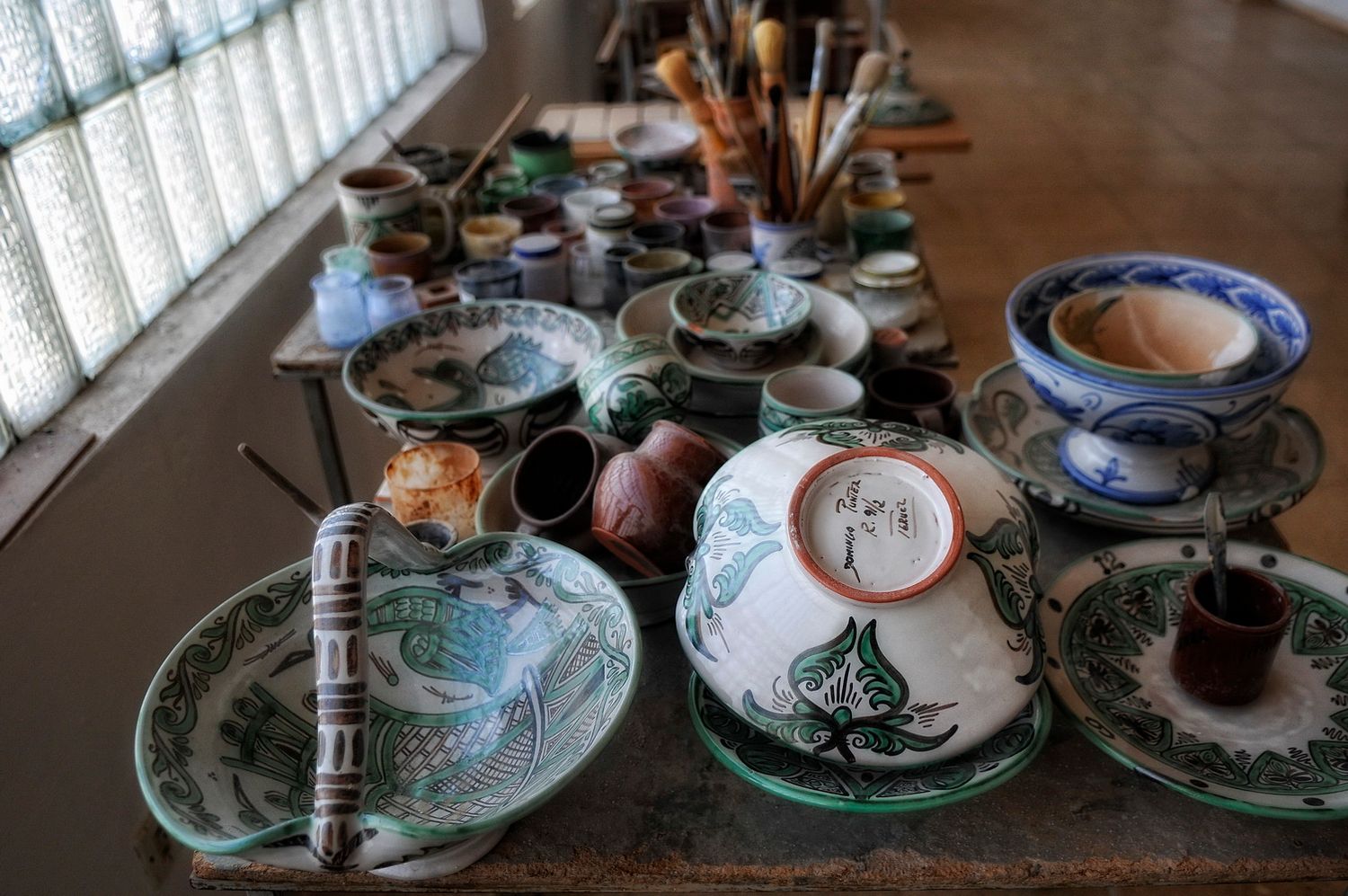
Stepping inside Agustín's family workshop felt less like entering a factory and more like stepping into another rhythm of life. Shelves lined with drying ceramics, jars of pigments, plaster molds, and kilns waiting patiently for their next firing filled the workshop. Everything carried the quiet signs of work that had been repeated for generations.
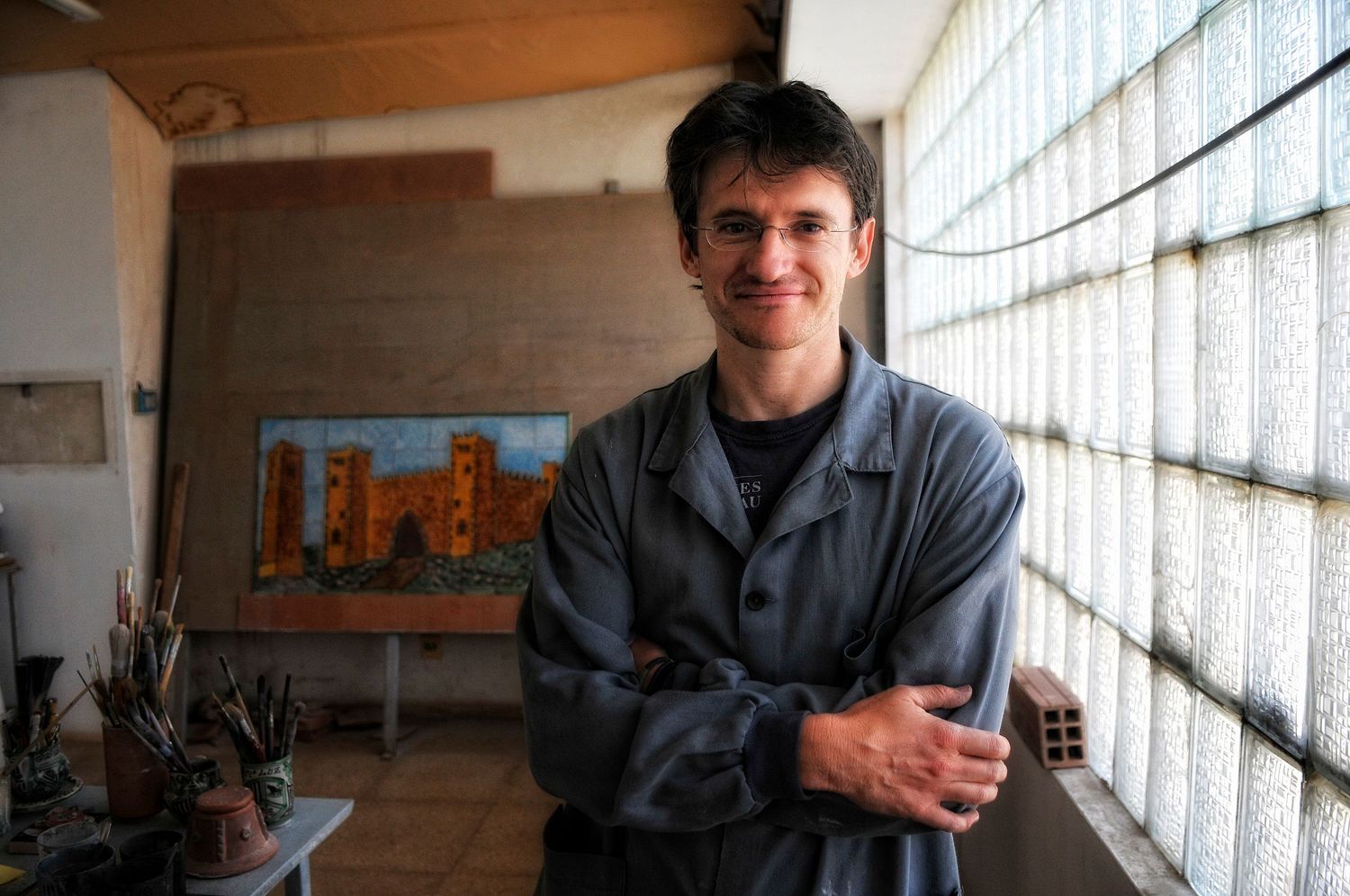
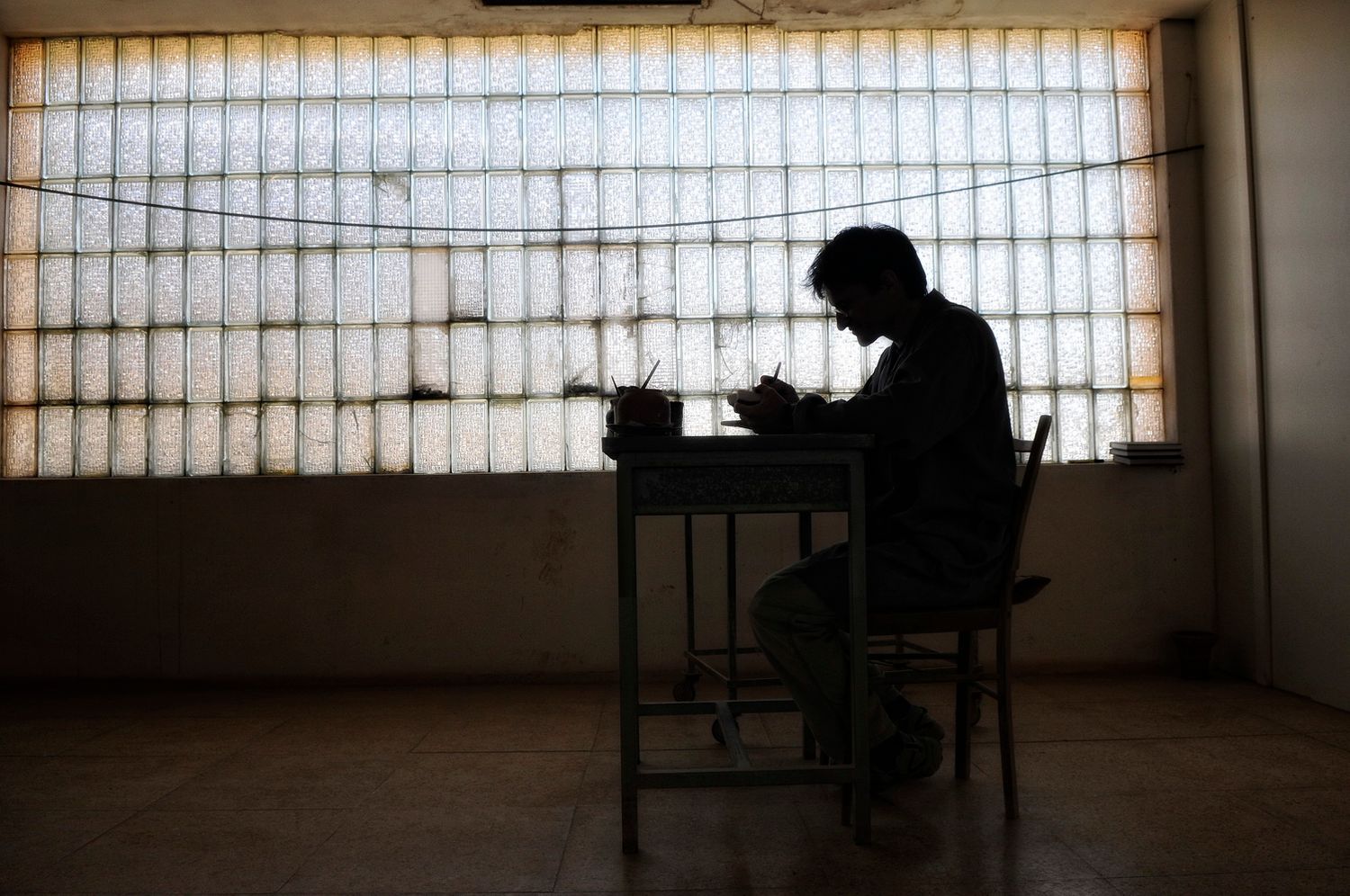
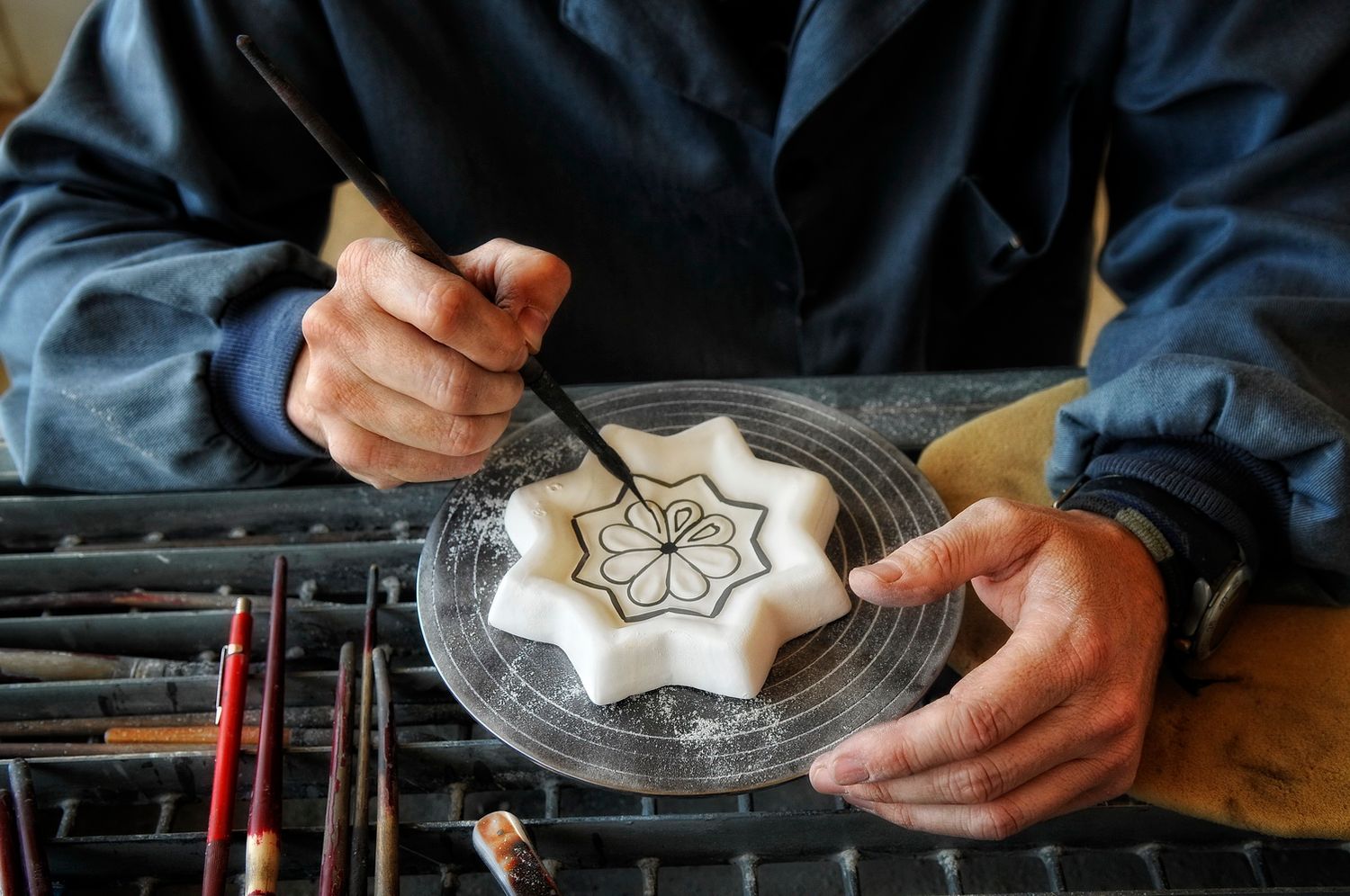
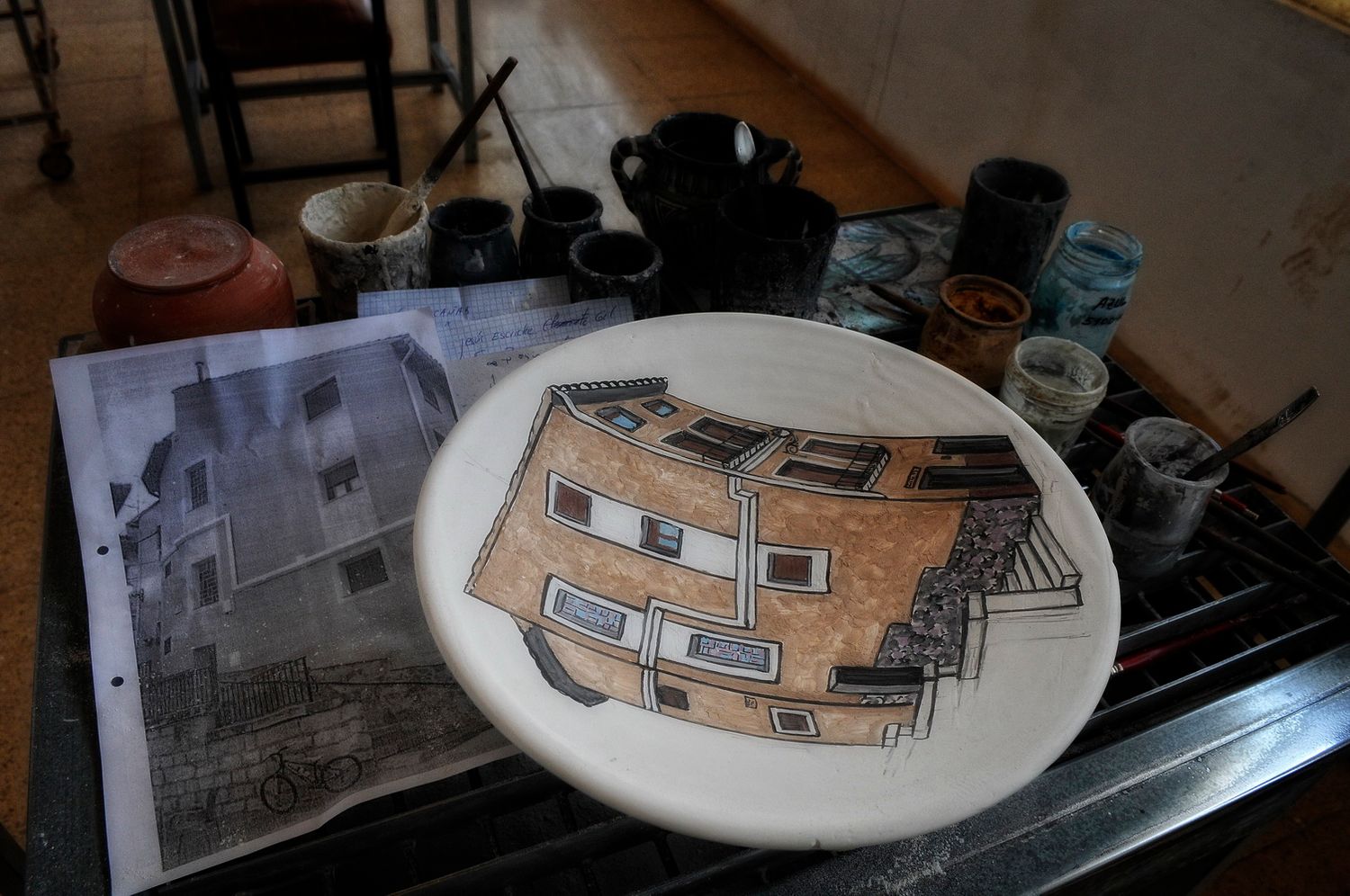
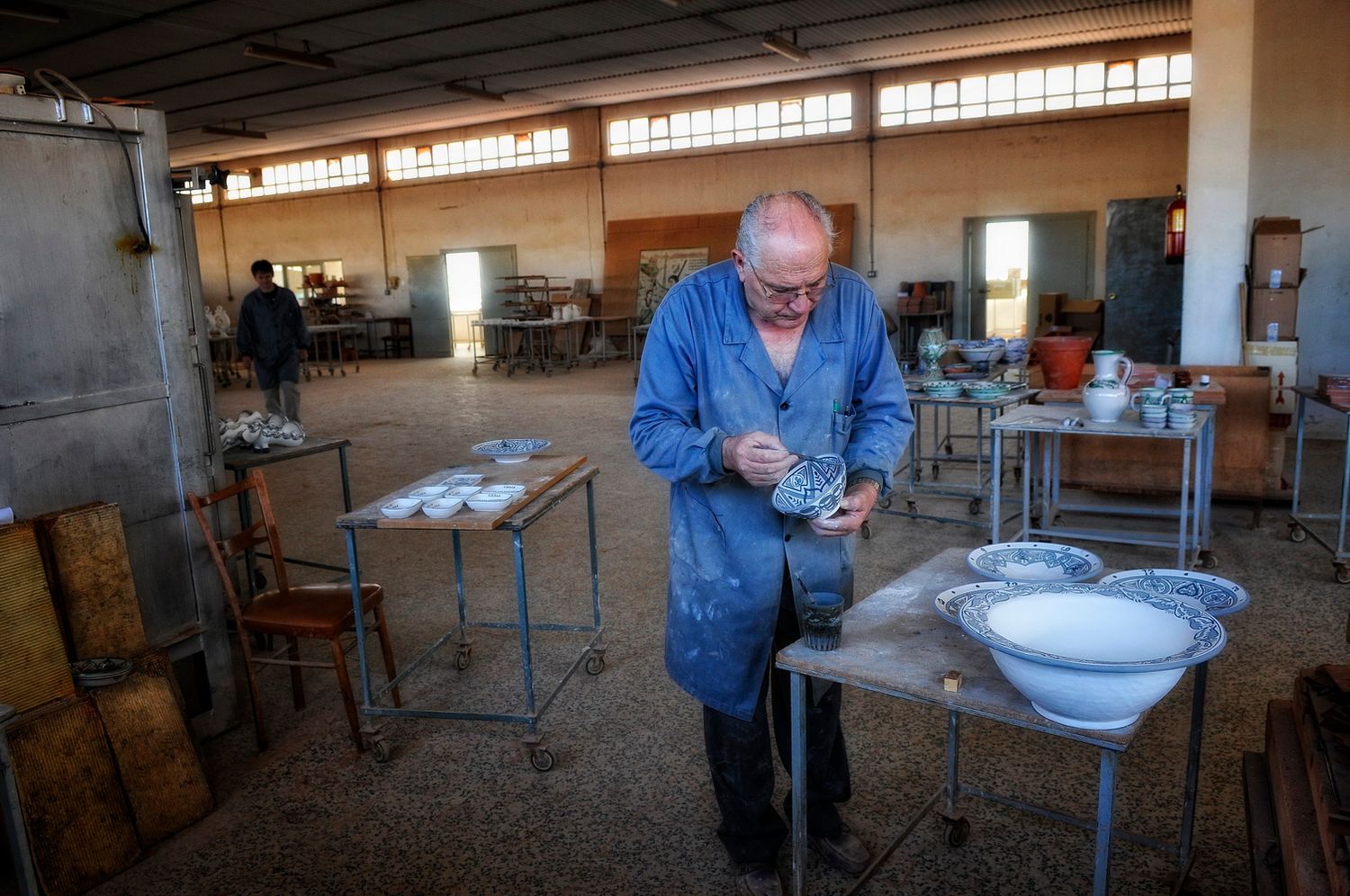
What I remember most, however, wasn't the pottery. It was watching Agustín paint.
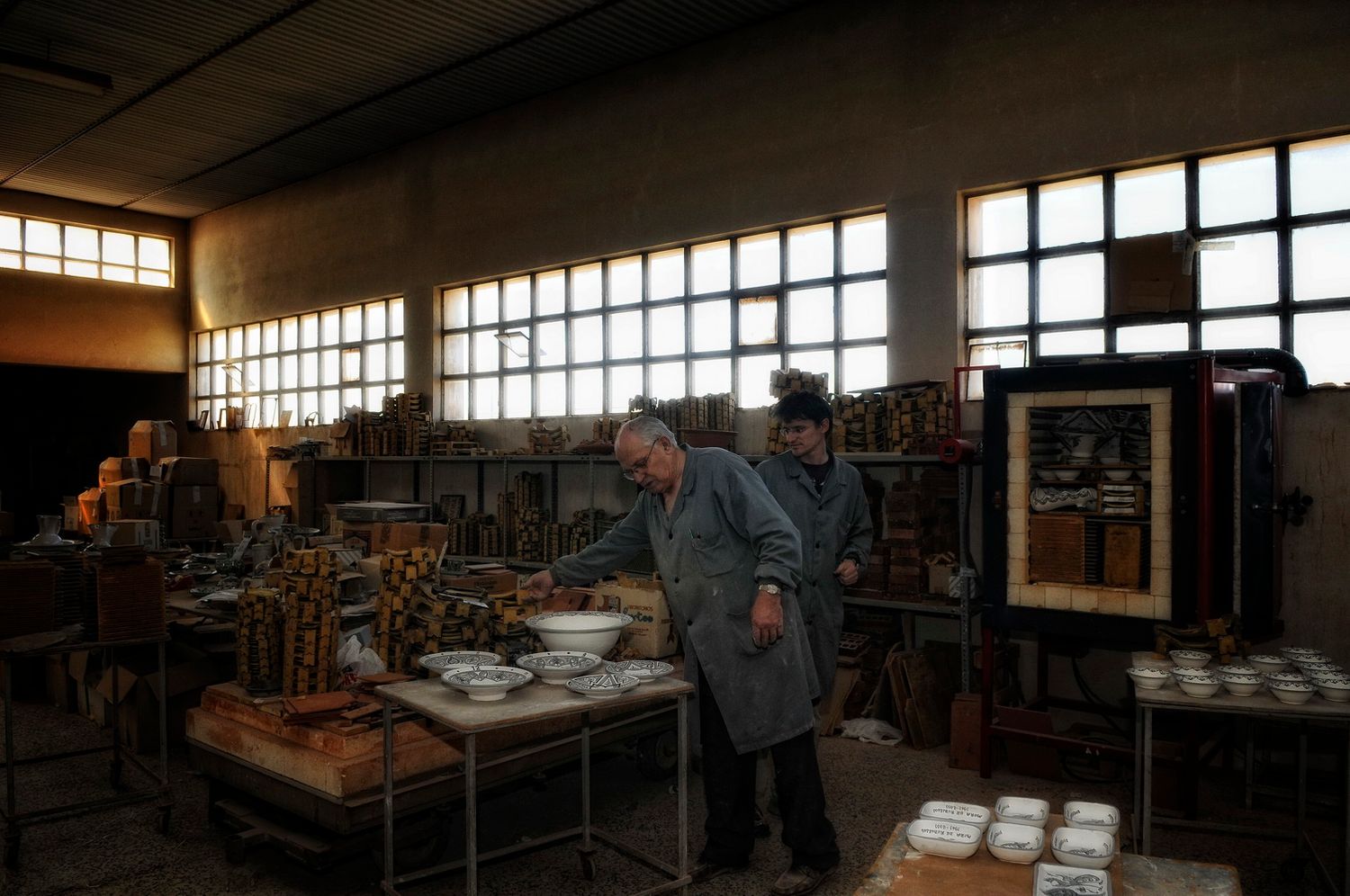
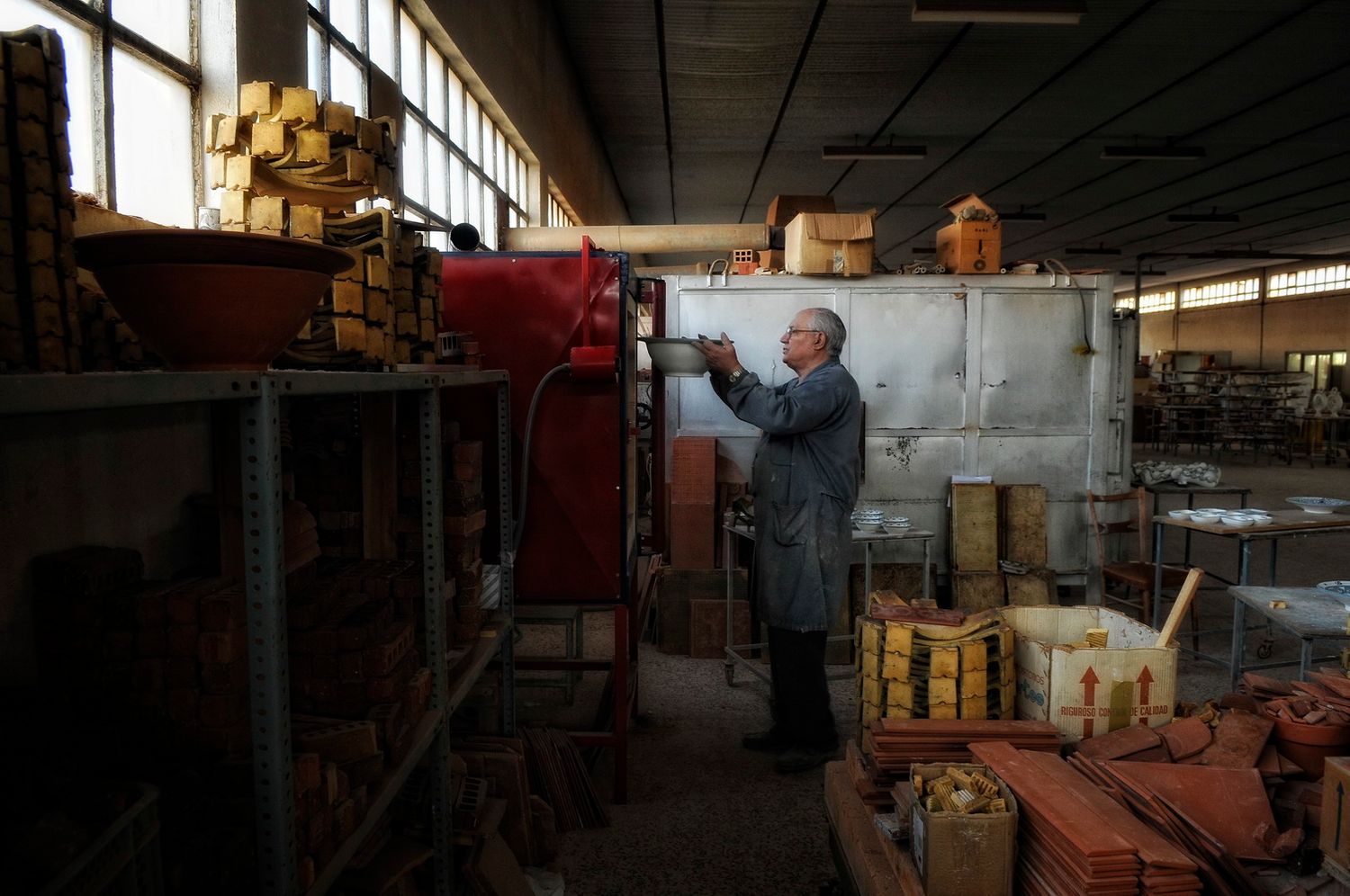
Seated quietly at his table, he applied each brushstroke with remarkable patience and precision, transforming simple white clay into pieces that carried the colors and traditions of Teruel. Across the workshop, his father moved almost silently from one task to another—preparing clay, checking the kilns, arranging finished pieces, and tending to the countless small jobs that keep a family workshop alive.
Neither spoke very much. They didn't need to. Their movements reflected the quiet confidence of people who had spent a lifetime working side by side. As I photographed them, I realized I wasn't simply documenting the making of ceramics. I was witnessing knowledge being lived.
Every gesture had been learned through years of practice, repeated so often that it had become instinctive. The workshop wasn't only preserving a craft. It was preserving a way of life.
Living in Spain has taught me that heritage often survives quietly, carried not by museums but by families who continue showing up each day to do their work with care. Long after I left the workshop, I found myself thinking less about the finished ceramics than about the two men who had created them together.
The true work of a ceramist is not only shaping clay. It is shaping a legacy.
Looking Closer
Ceramic production has been part of Teruel's identity since at least the thirteenth century. Its distinctive green-and-manganese glazed pottery became closely associated with Aragón's Mudéjar heritage, decorating churches, towers, and public buildings that are now recognized as UNESCO World Heritage Sites.
For centuries, pottery was learned through apprenticeship rather than formal education. Skills were passed from one generation to the next by working side by side in family workshops, where knowledge was shared through observation, repetition, and practice.
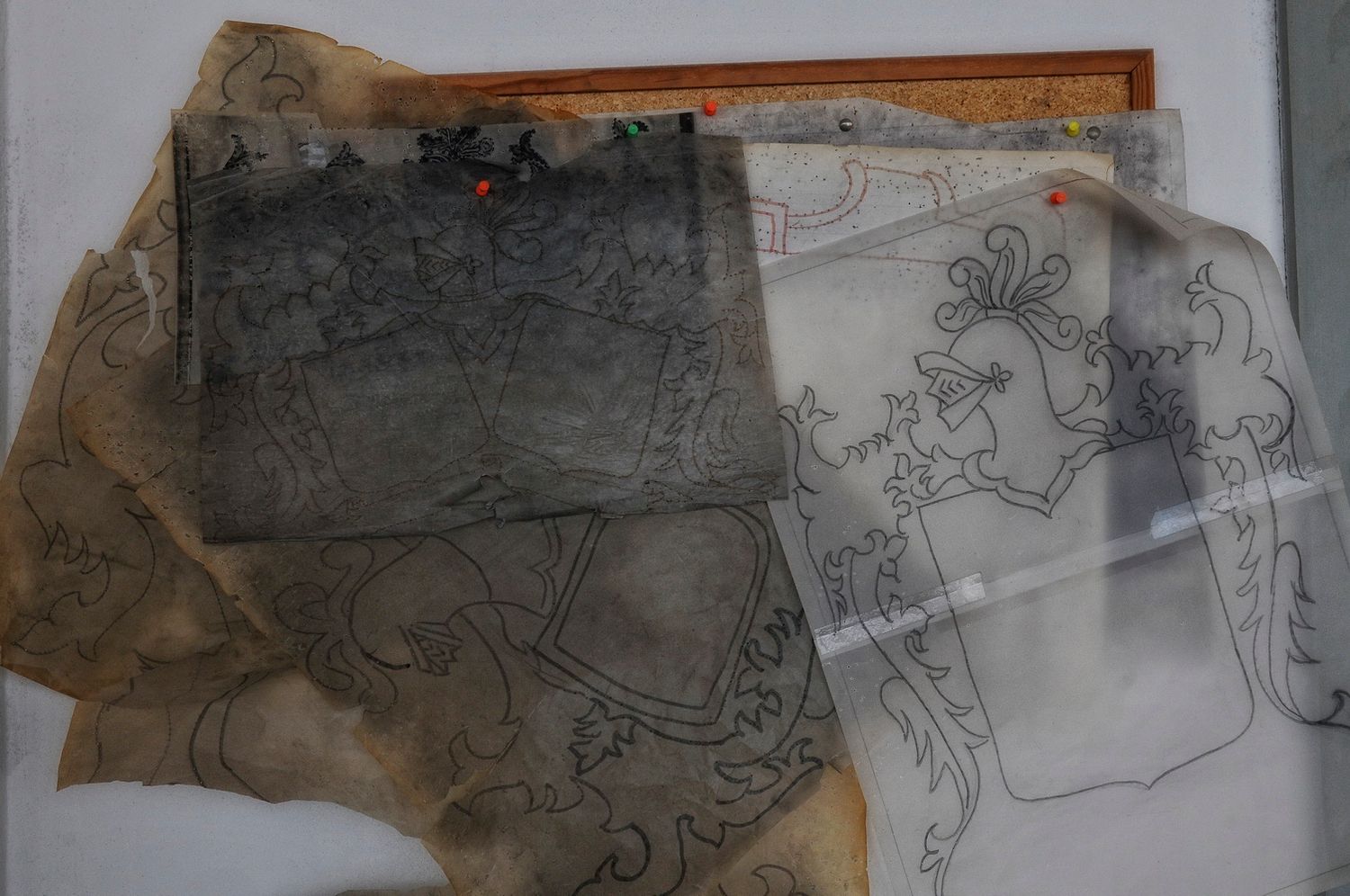
Today, only a small number of these traditional workshops remain. Cerámica Punter represents the fifth generation of a family of ceramic artisans whose roots in Teruel date back to 1900. Continuing techniques that have been passed down since the thirteenth century, the family still creates and hand-decorates every piece using the traditional methods of Teruel's master ceramists while also contributing to the restoration of historic monuments throughout Spain.