The Matriarch · Strength
The Heart of the Family
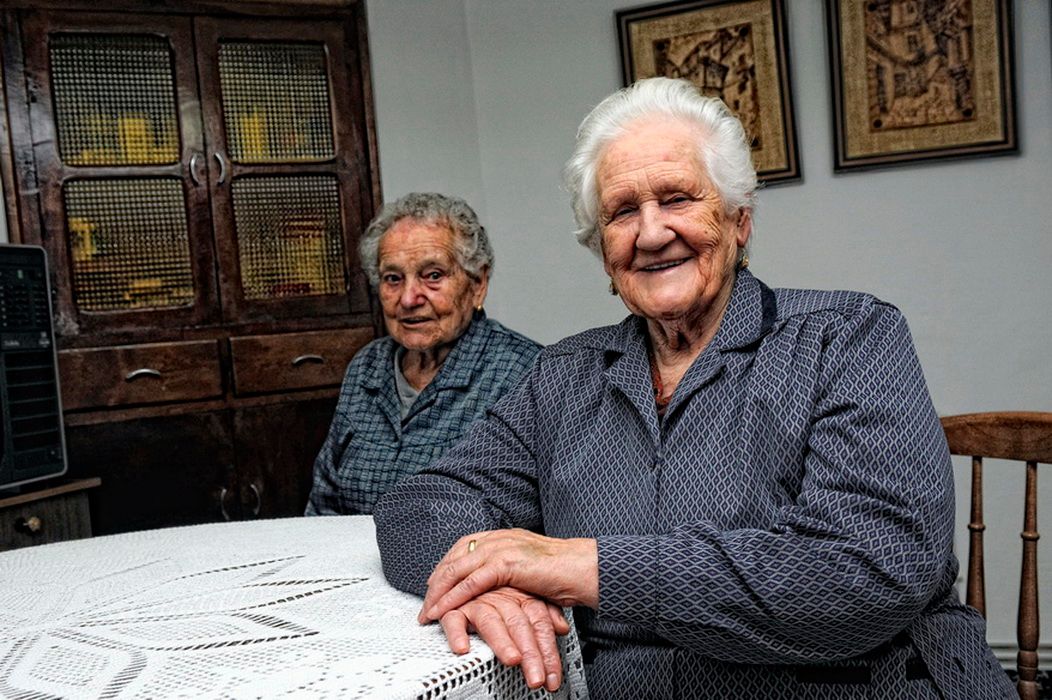
I came to photograph people. I discovered the women who quietly held entire families together.
The Matriarch · Strength · The Heart of the Family
When I first moved to Spain, one of the things that fascinated me most wasn't the architecture or the festivals. It was the families.
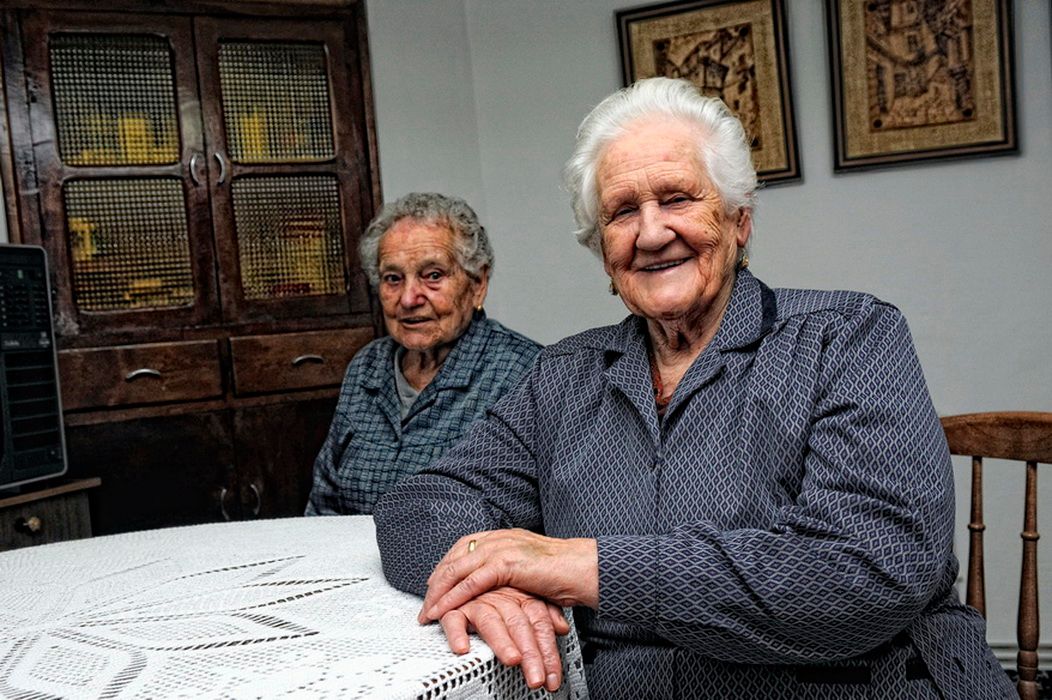
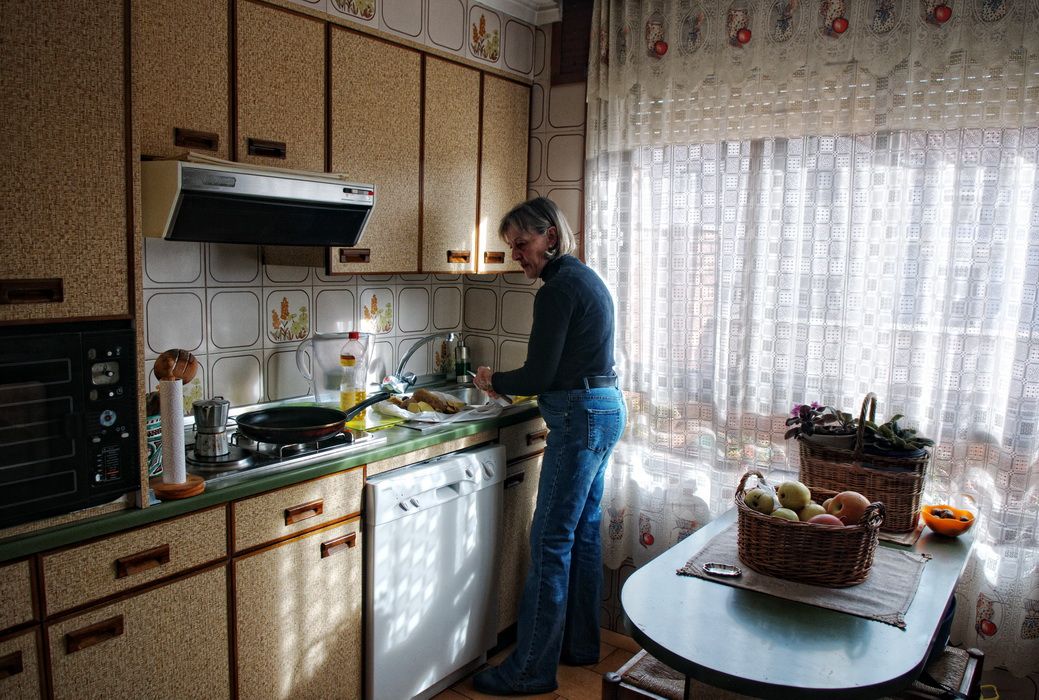
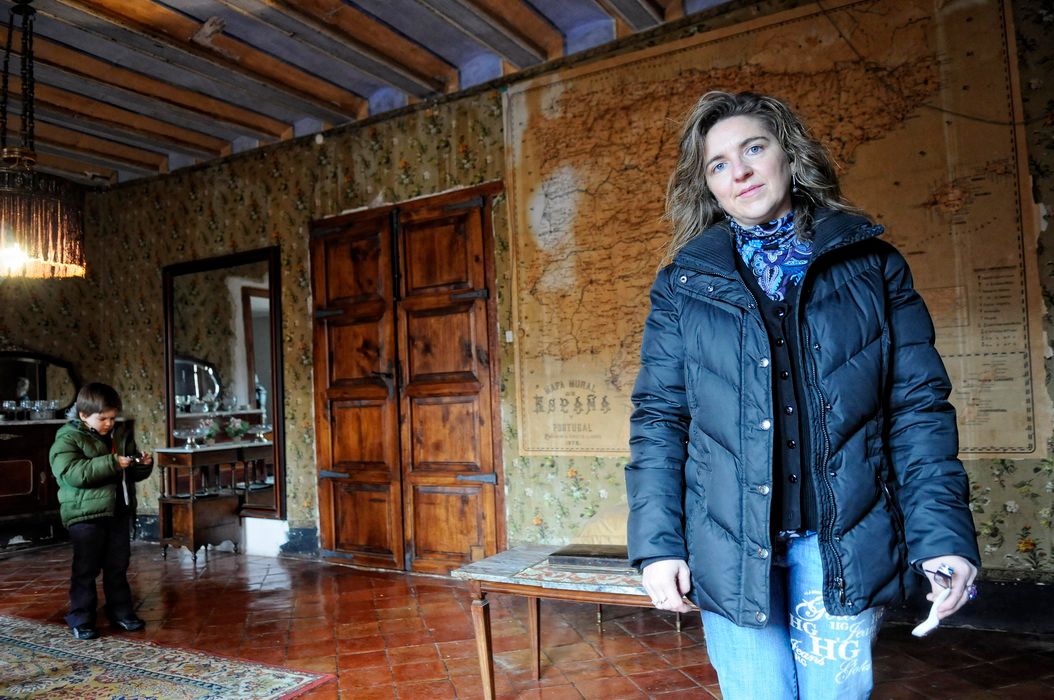
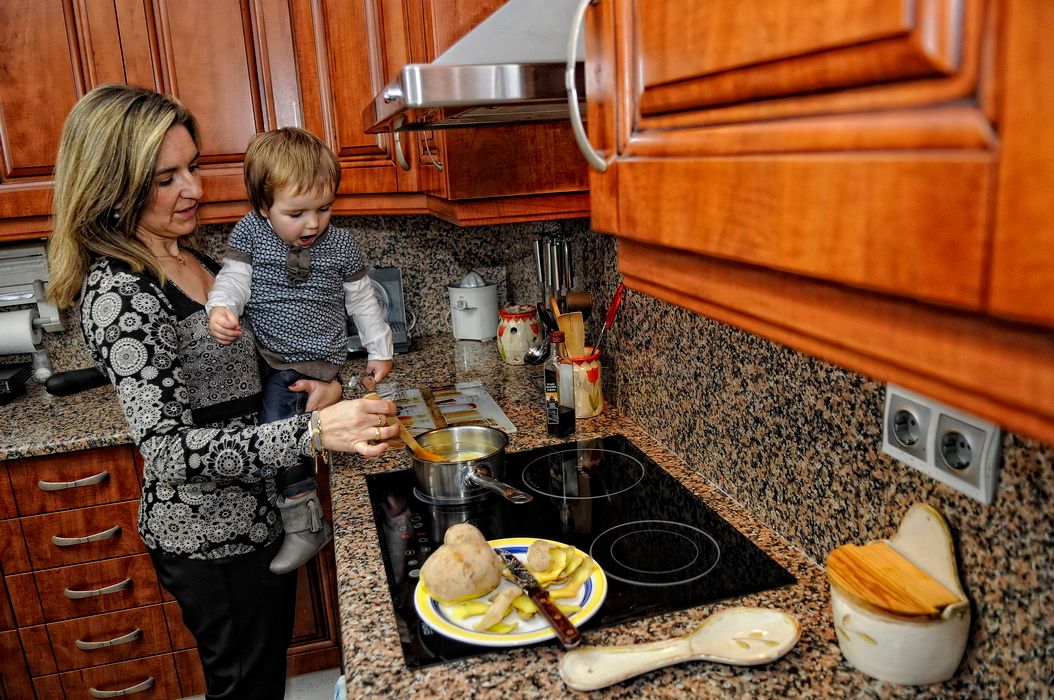
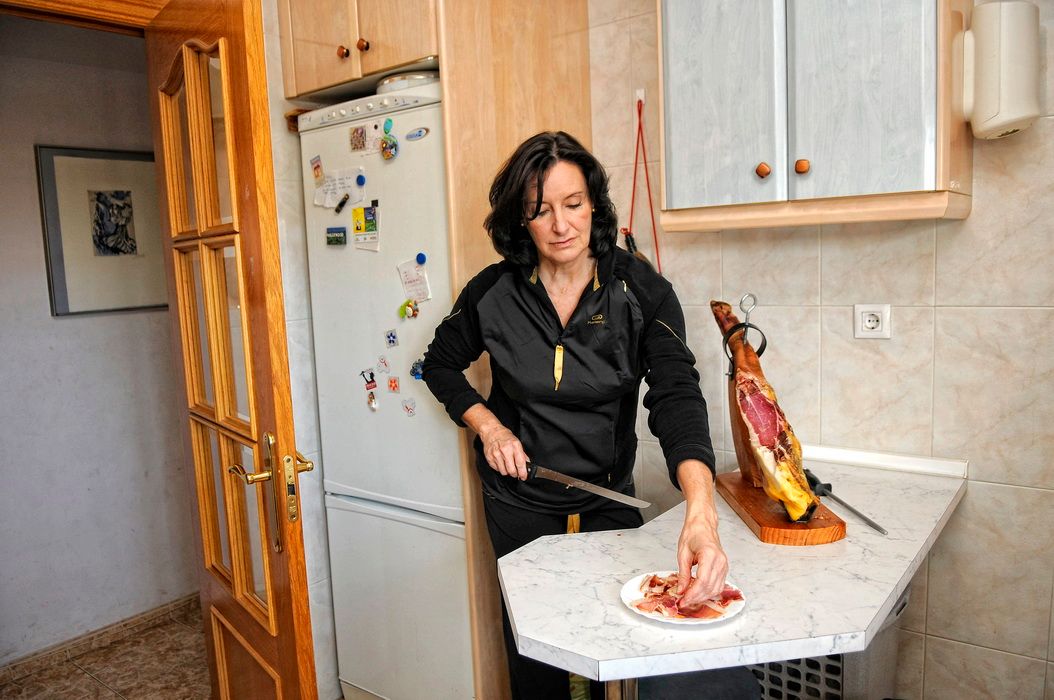
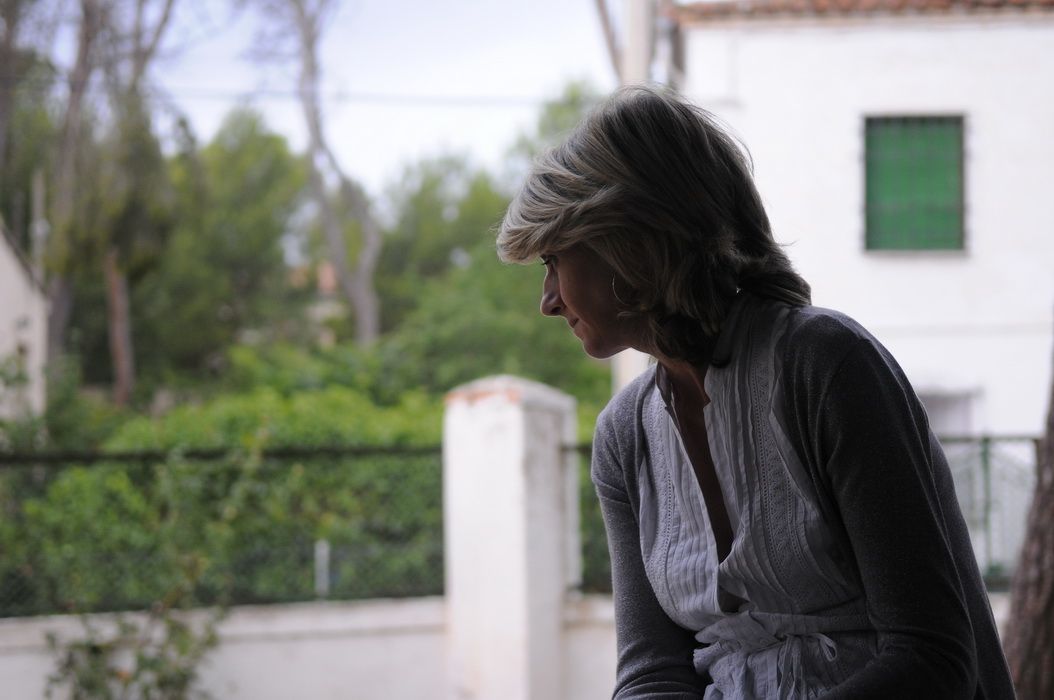
Again and again, I found myself meeting remarkable women—grandmothers, mothers, and widows—whose quiet presence seemed to hold generations together. They weren't necessarily the loudest people in the room, but everyone seemed to look toward them. Meals were prepared in their kitchens, birthdays were celebrated around their tables, family disagreements somehow found their way back to them, and children instinctively knew where home was.
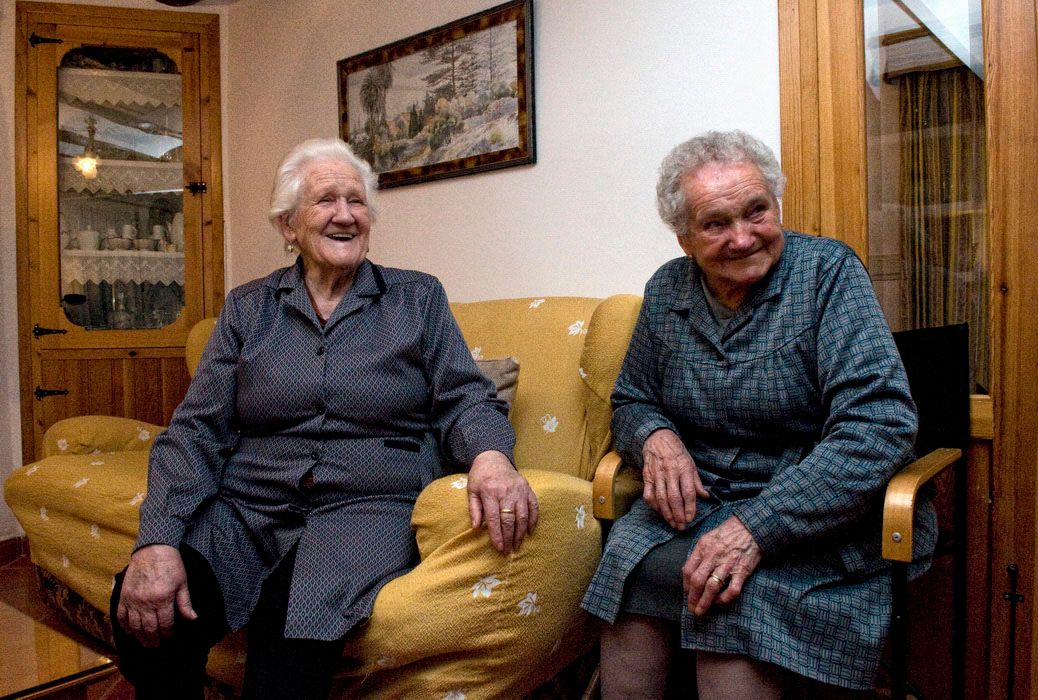
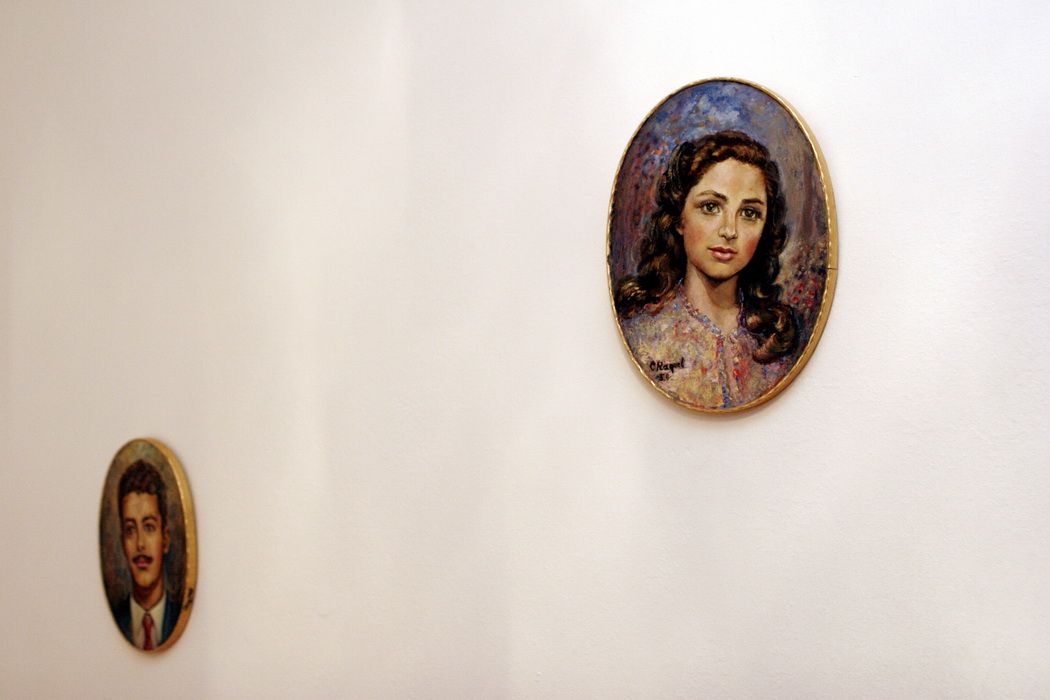
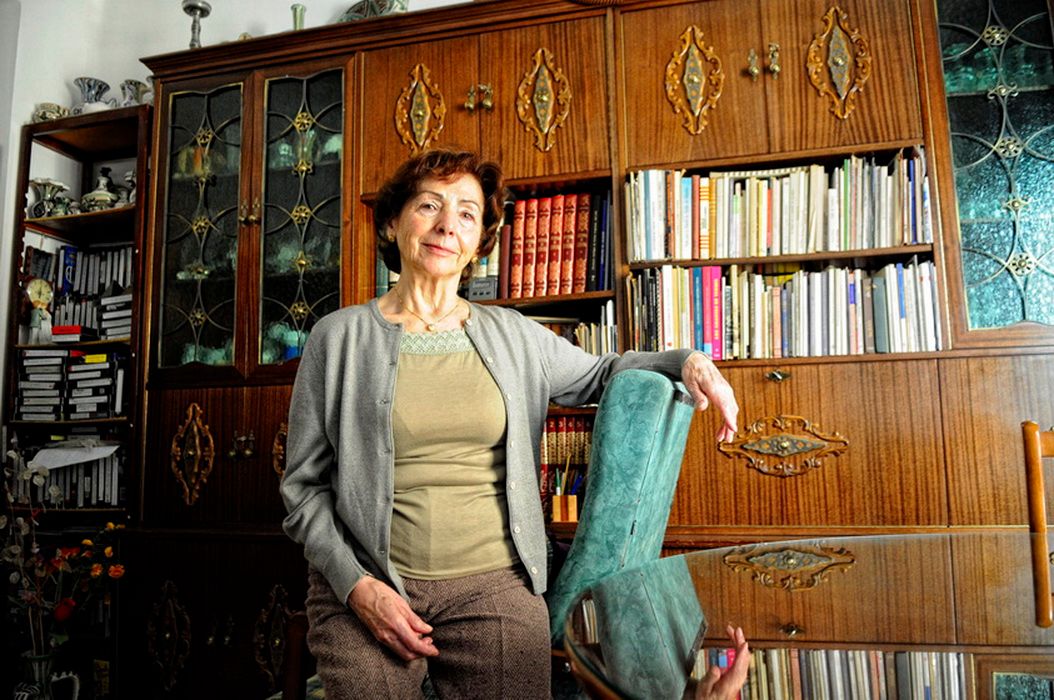
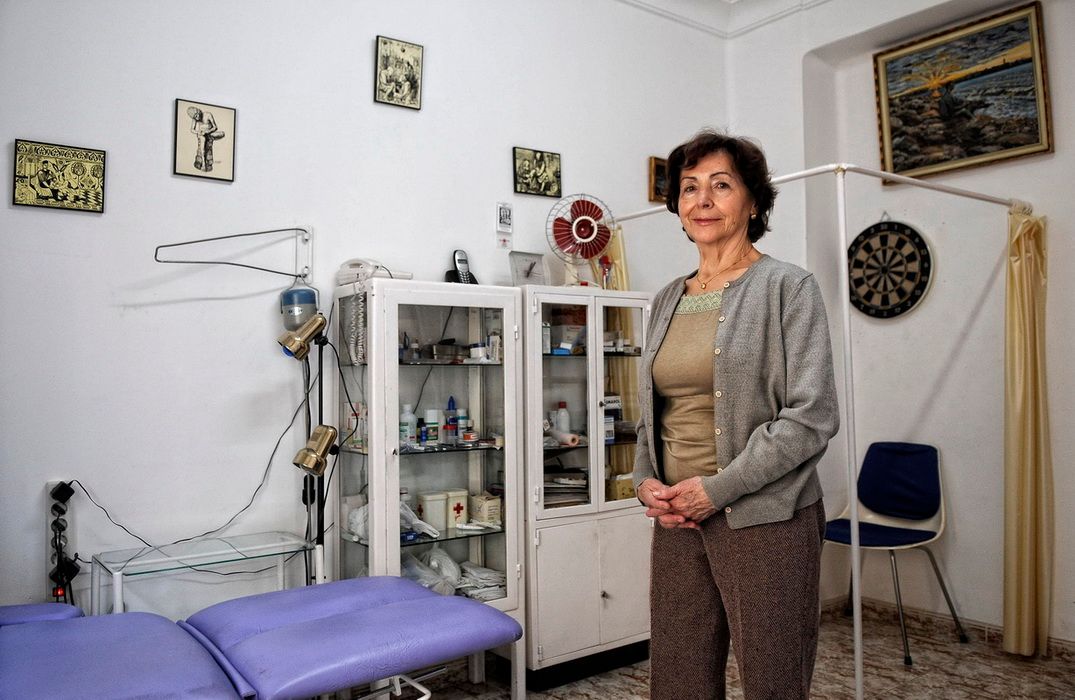
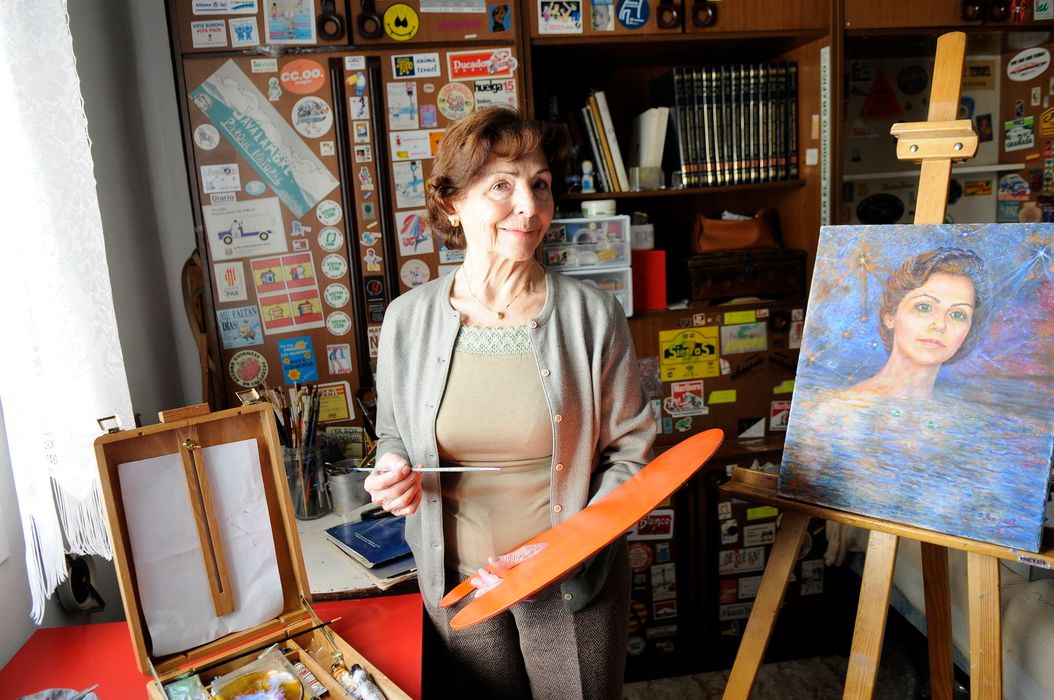
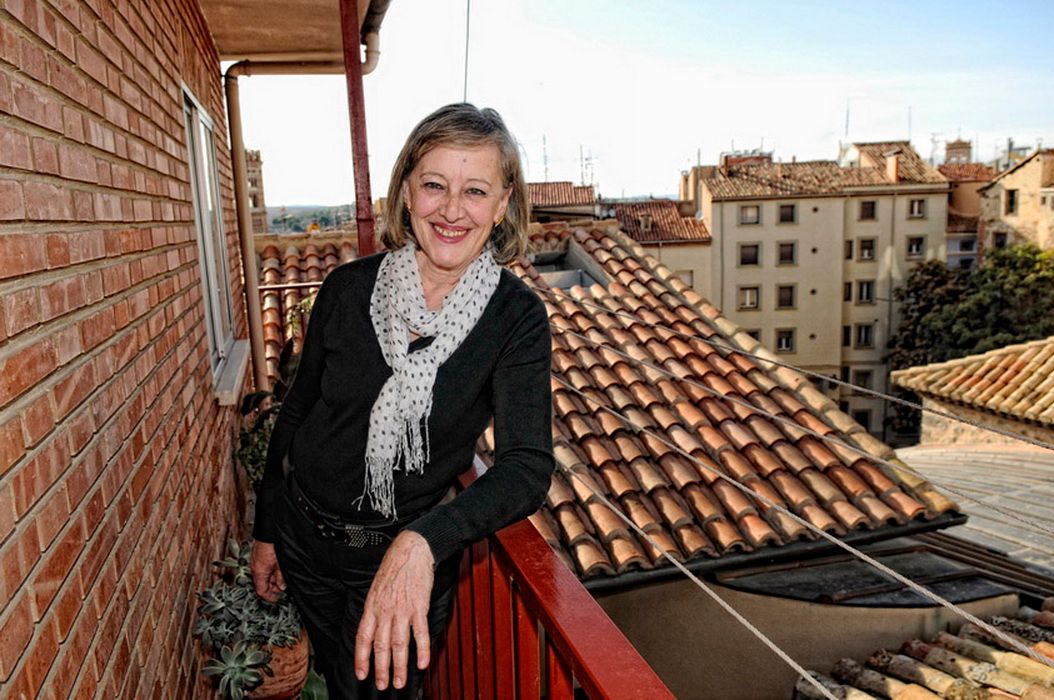
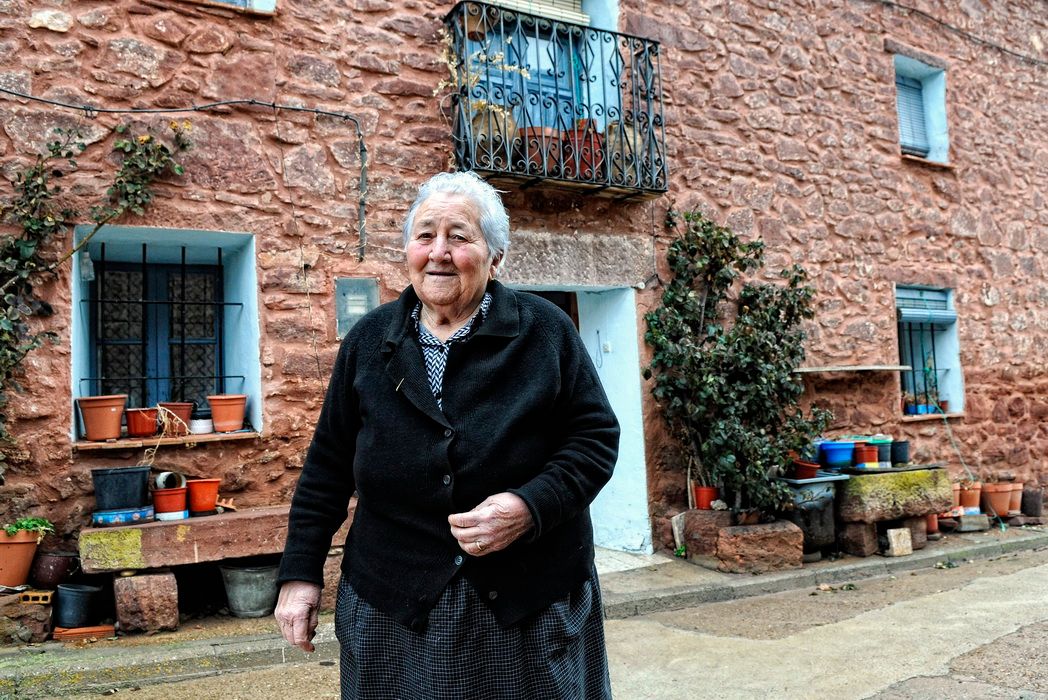
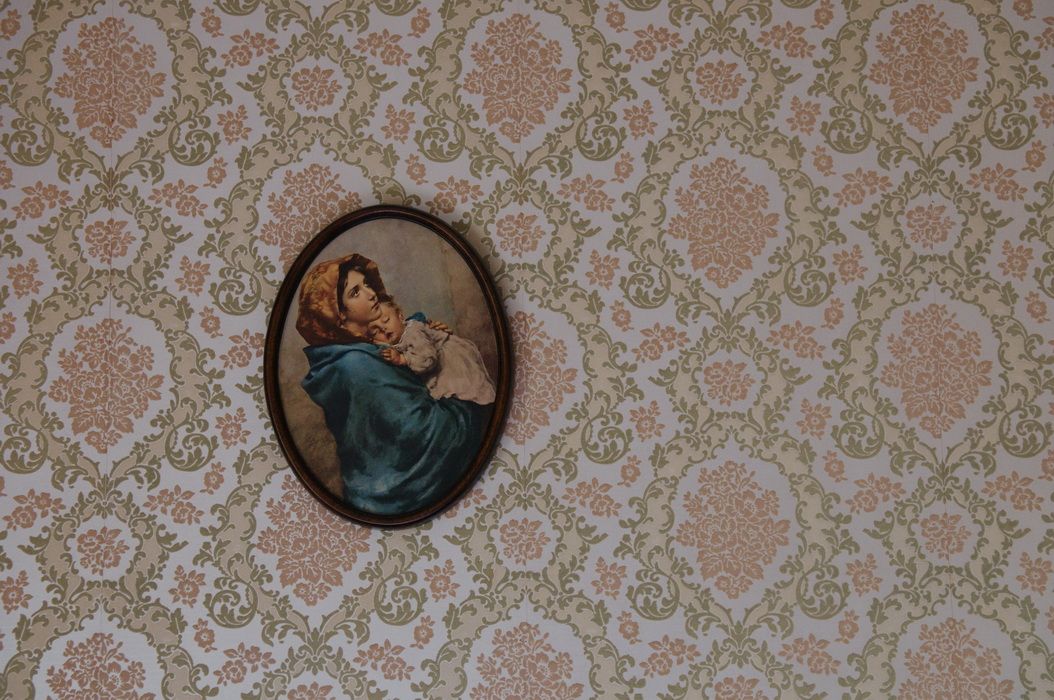
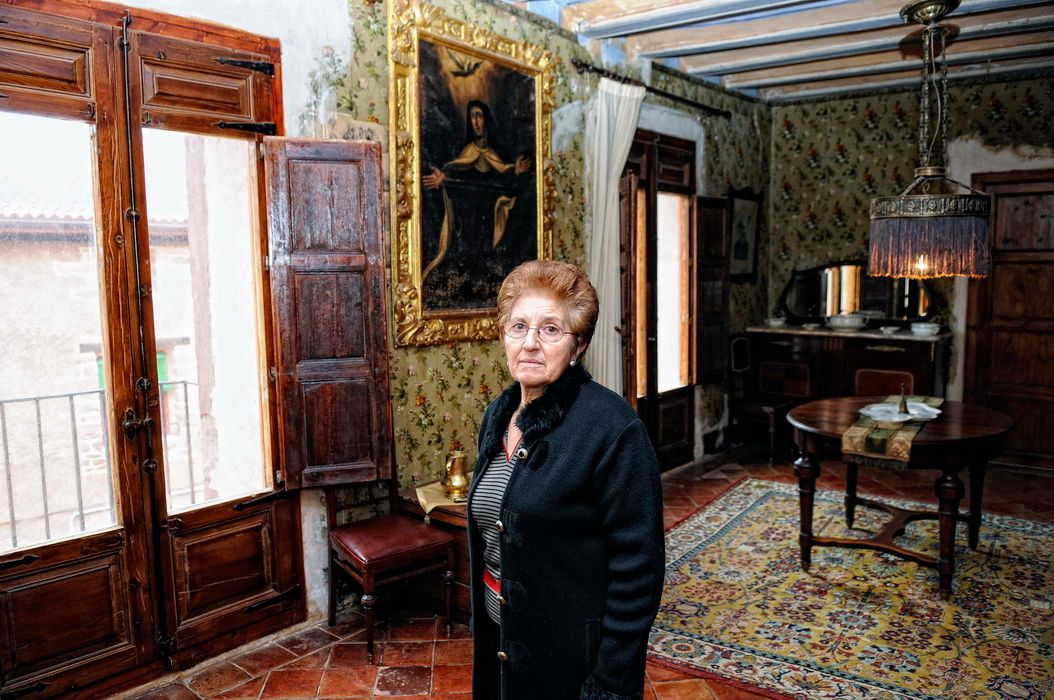
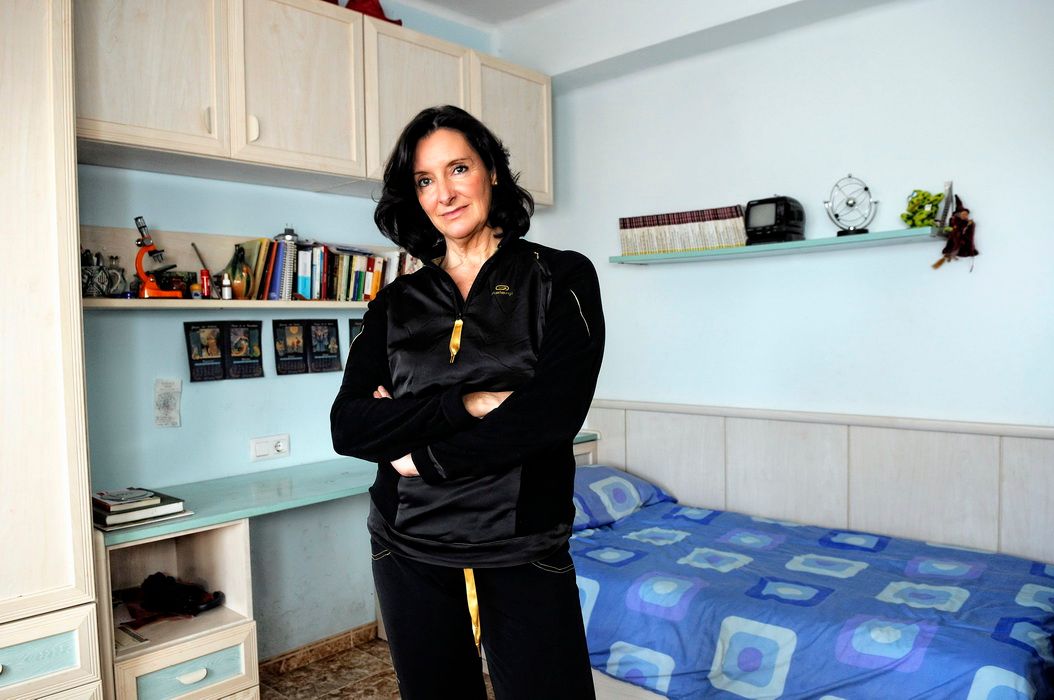
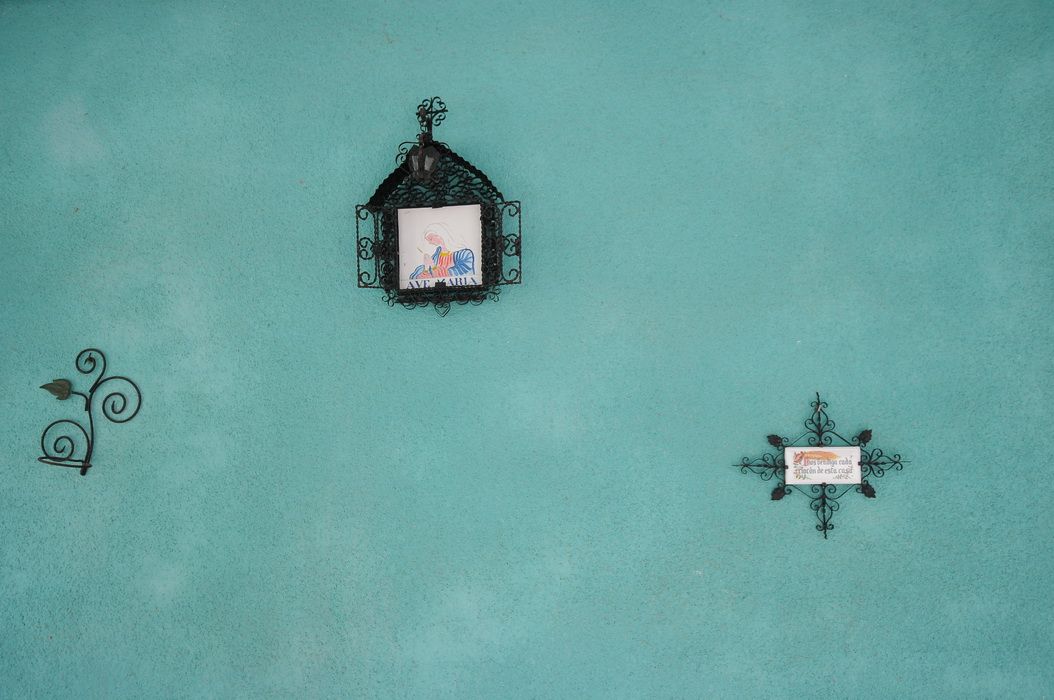
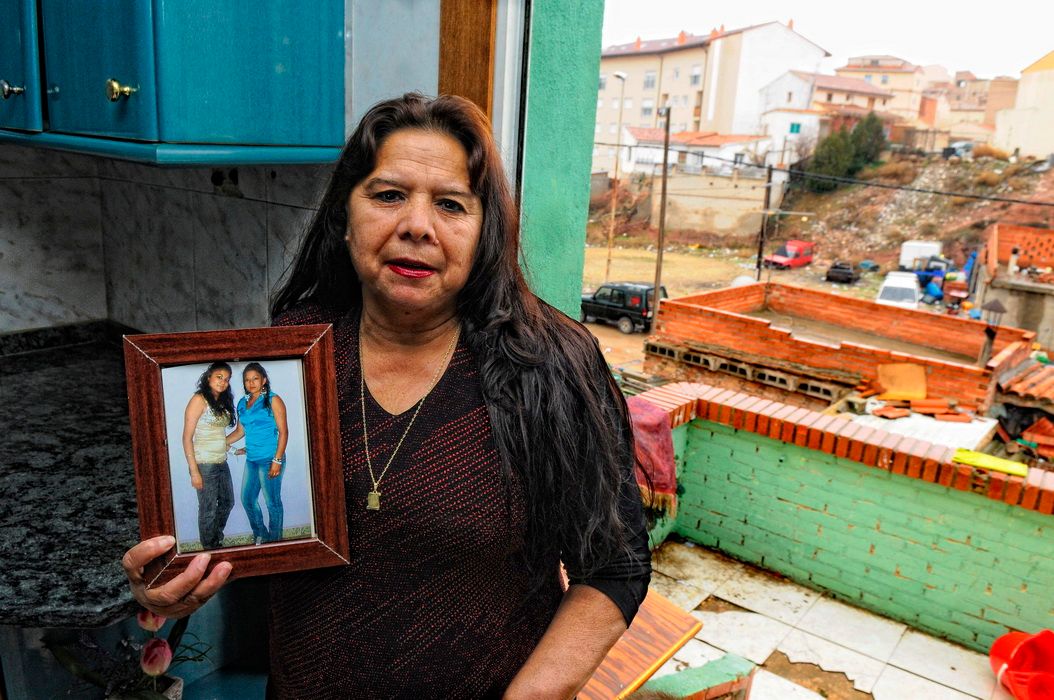
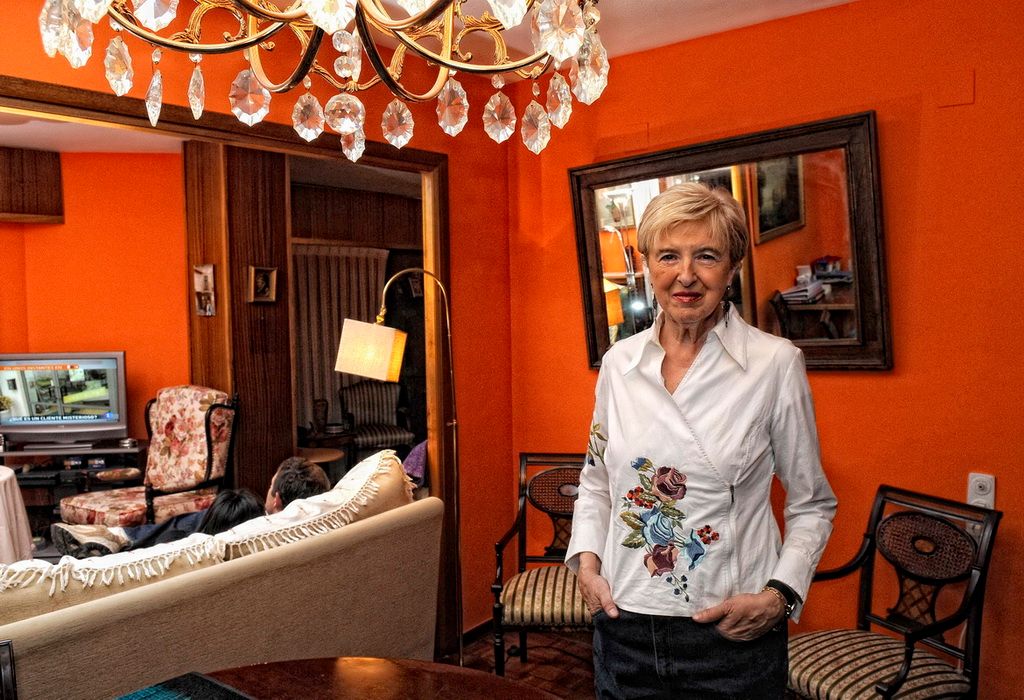
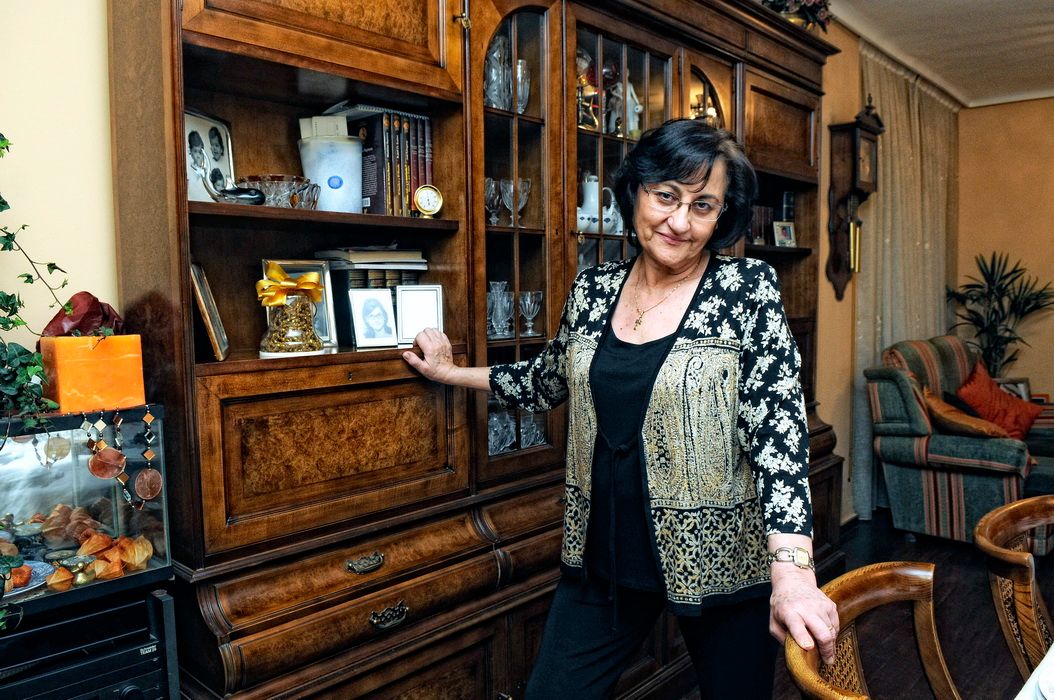
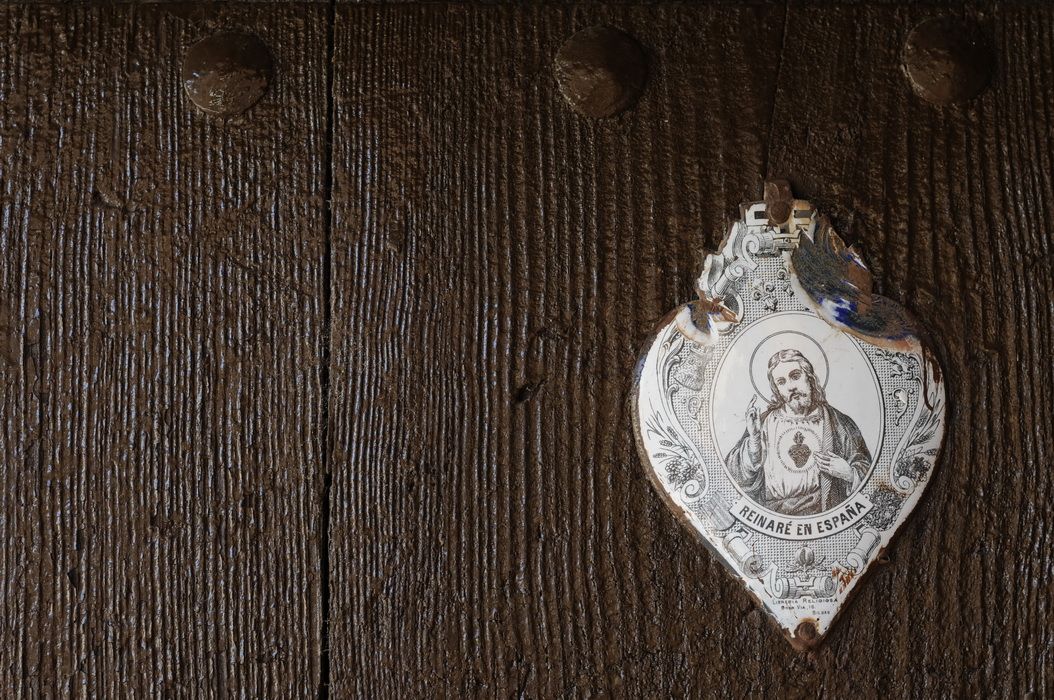
As I traveled through villages and cities, I began asking if I could photograph them in their own homes. Some welcomed me into centuries-old farmhouses. Others lived in modest apartments filled with family photographs, religious icons, and memories collected over a lifetime. Every home felt different, yet the women shared something remarkably similar.
Strength.
Not the strength that demands attention, but the quieter kind built over decades of caring for others. Many had lived through difficult years, raising children, supporting husbands, caring for aging parents, and eventually helping to raise grandchildren. They carried family history almost as though it were another member of the household.
What struck me most was how naturally several generations remained connected. Sunday lunches were rarely just meals. They were gatherings where stories were repeated, advice was offered, traditions were passed on, and grandchildren quietly learned who they were simply by listening.
As an American, I found this deeply moving. I had grown up in a culture where independence is often celebrated from an early age. In Spain, I discovered something equally valuable: the idea that strength can also be found in remaining connected. These women weren't simply preserving recipes or family photographs.
They were preserving identity.
Whether that role is changing today, I don't know. Modern Spain continues to evolve, just as every society does. But the women I photographed belonged to a generation whose influence reached far beyond their own homes. Their legacy wasn't measured by careers or public recognition.
It lived in the families they nurtured, the traditions they protected, and the values they quietly passed from one generation to the next. Looking back, I realized I wasn't photographing individual women. I was photographing the invisible thread that held so many Spanish families together.
Looking Closer
Throughout Spain, particularly in rural communities, grandmothers have traditionally played a central role in family life. Beyond caring for children, they have often acted as keepers of family traditions, recipes, local history, and everyday customs. In Mediterranean culture, several generations frequently remain closely connected, with regular family meals and strong intergenerational relationships continuing well into adulthood.
While Spanish society has changed significantly over recent decades, many families still view grandparents—especially grandmothers—as an important source of continuity, support, and shared identity.