Culture · Overview
The stories behind the places that taught me to see Spain differently.
Every place has a story. The more I listened, the more Spain began to make sense.
Culture · The stories behind the places that taught me to see Spain differently.
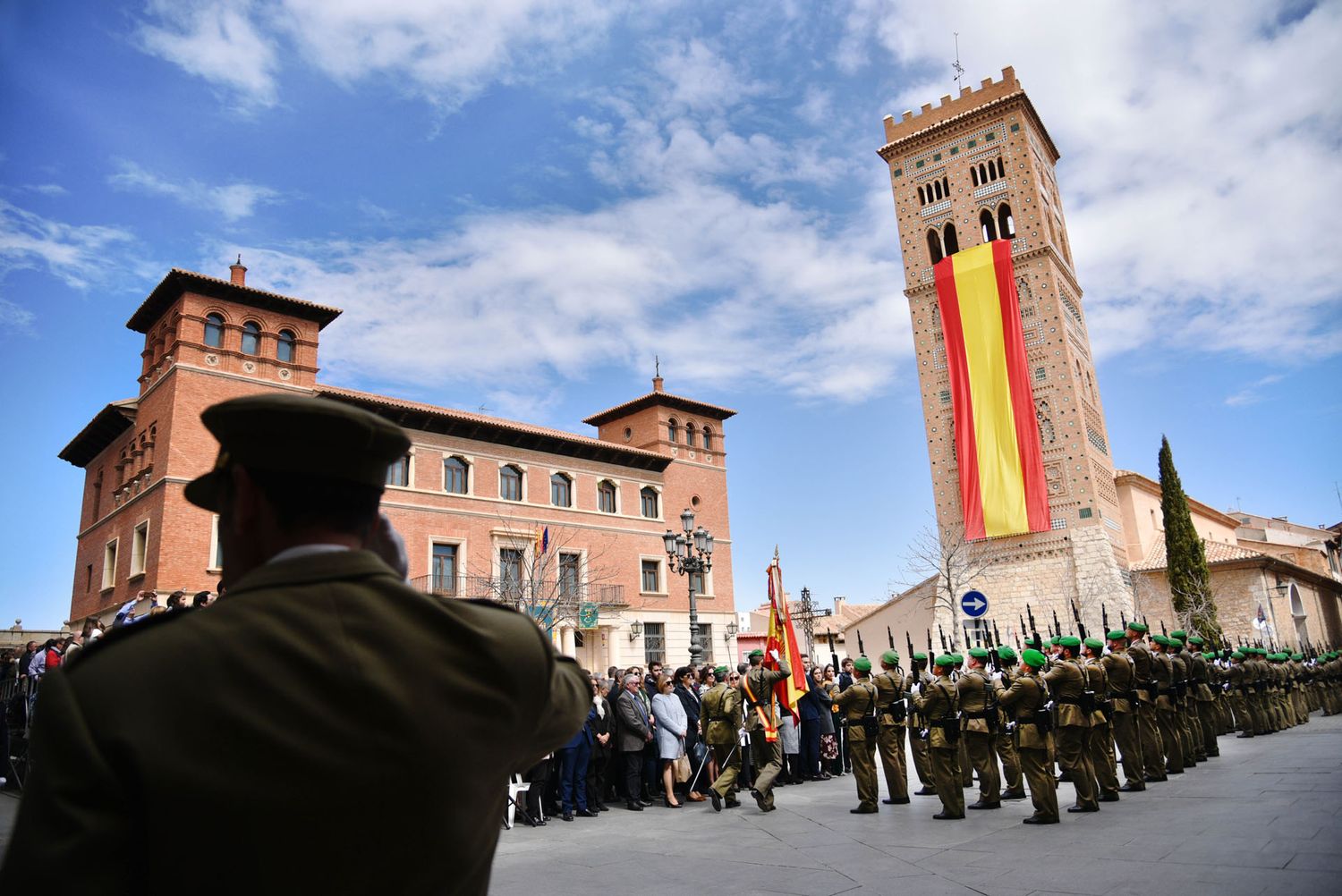
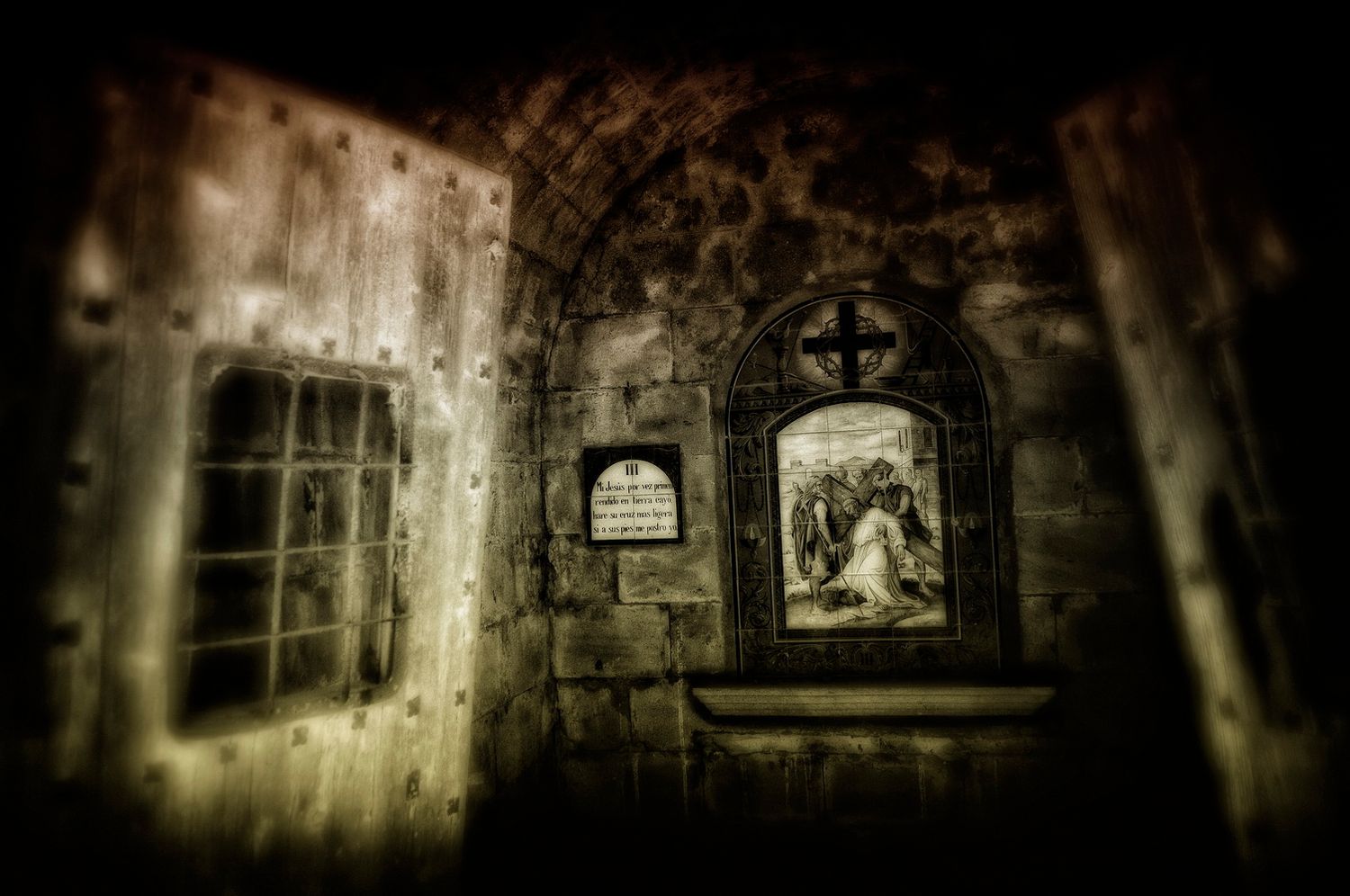
When I first arrived in Spain, I photographed what caught my eye: castles perched on distant hills, brick bell towers unlike anything I had seen before, monasteries tucked into the countryside, and villages where centuries-old traditions were simply part of everyday life.
At first, I was captivated by what I saw. Before long, I wanted to understand why it was there.
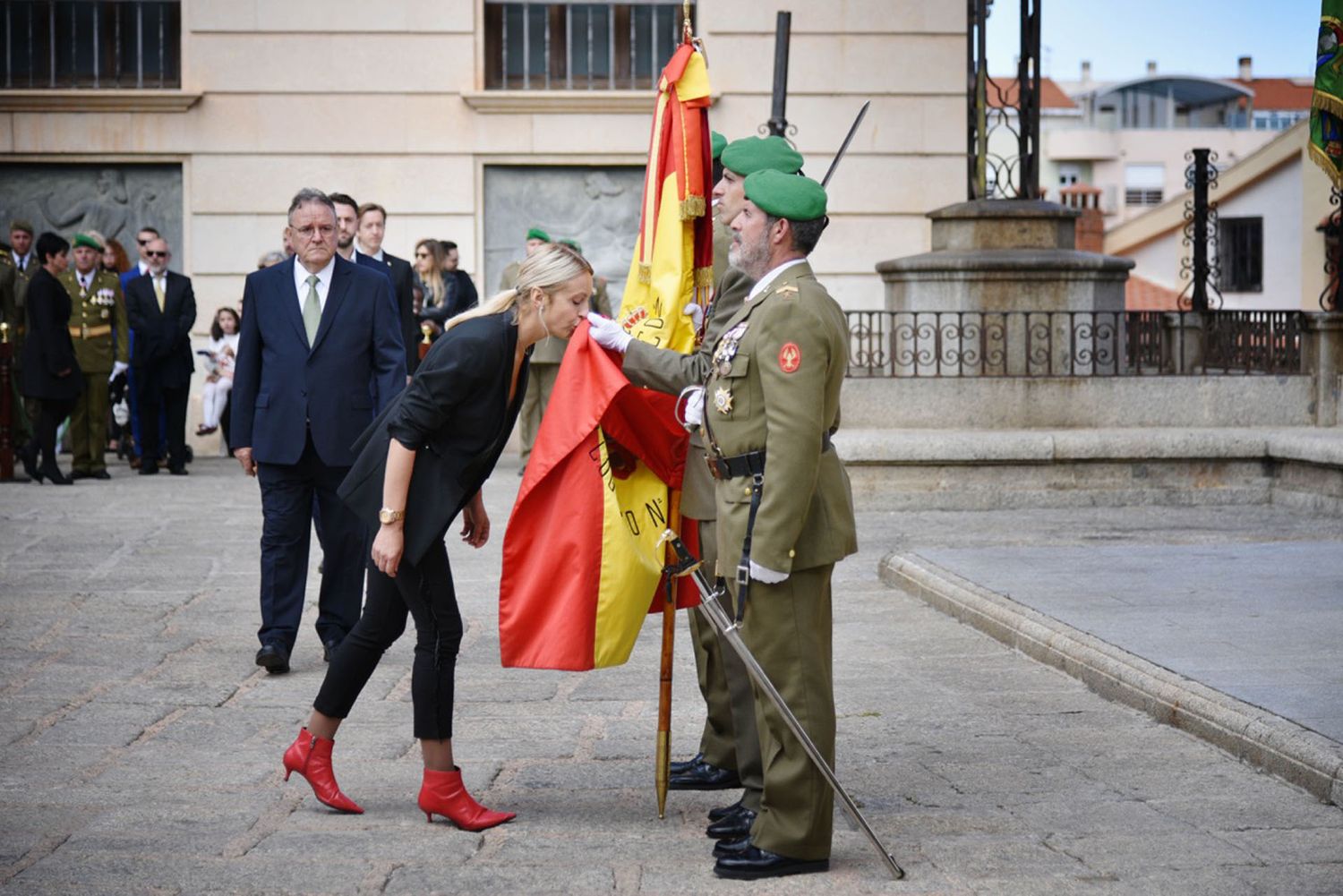
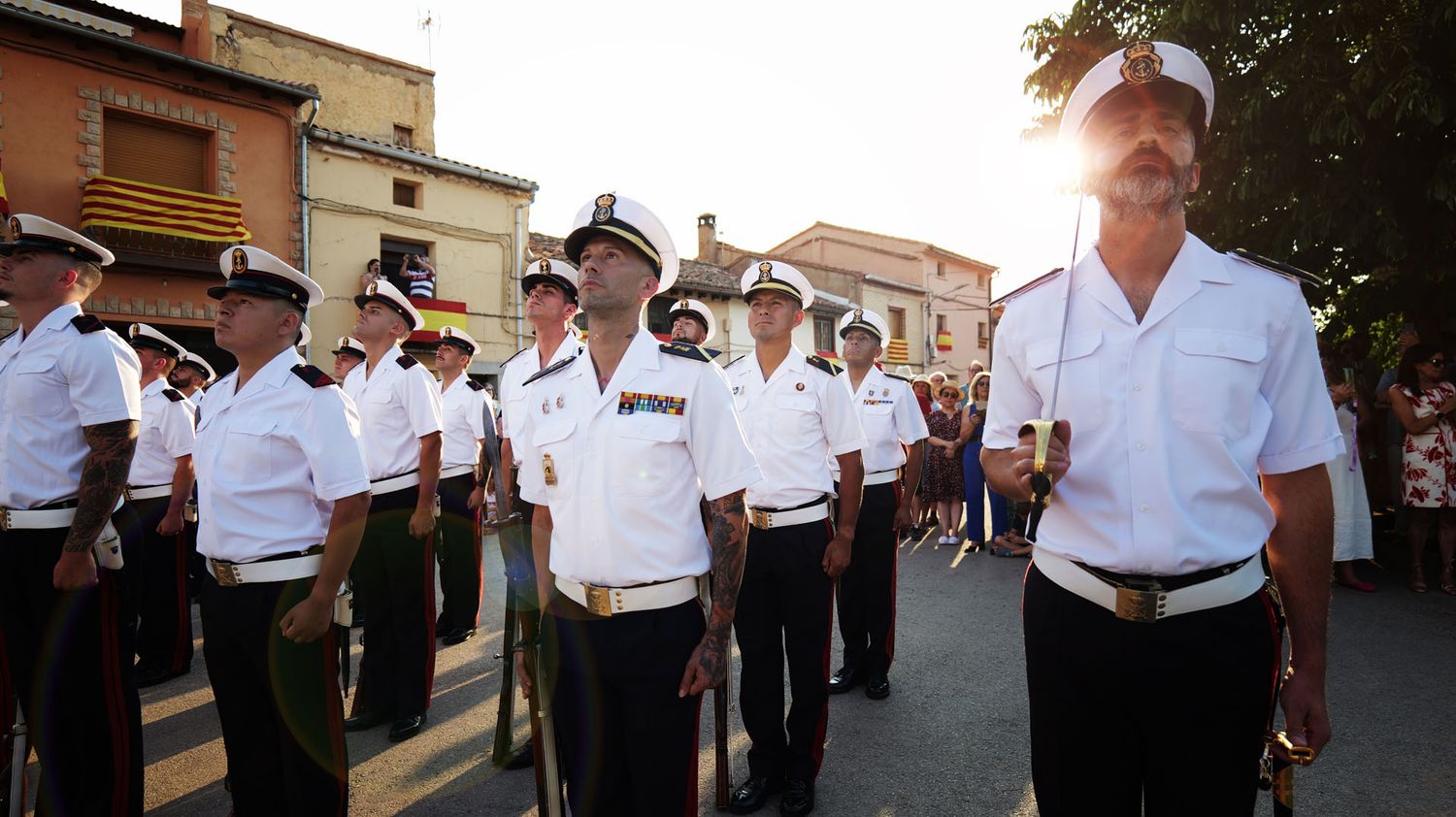
Why did so many villages have an ermita overlooking the landscape? Why were Mudéjar churches built from brick instead of stone? Why did military ceremonies still draw entire communities together? Why were local customs passed from one generation to the next with such pride?
The more I explored, the more I realized that history in Spain isn't confined to museums. It lives in the landscape, the architecture, and the people who quietly preserve it.
Living in Aragón gave me the chance to experience these places not as a visitor, but as part of everyday life. Medieval castles became familiar landmarks on weekend drives. Monasteries remained places of pilgrimage. Mudéjar towers weren't simply beautiful buildings—they became reminders of the cultures that shaped this region over centuries.
These stories aren't meant to explain Spain. They're simply the places that helped me understand the country I now call home. Together, they became the foundation for everything that followed, because before I could truly appreciate Spain's festivals, its people, or its traditions, I first had to understand the culture that connected them all.