Tradition · Bullfighting
More Than an Arena
Some traditions are admired. Others are questioned. The most enduring are often both.
Tradition · Bullfighting · More Than an Arena
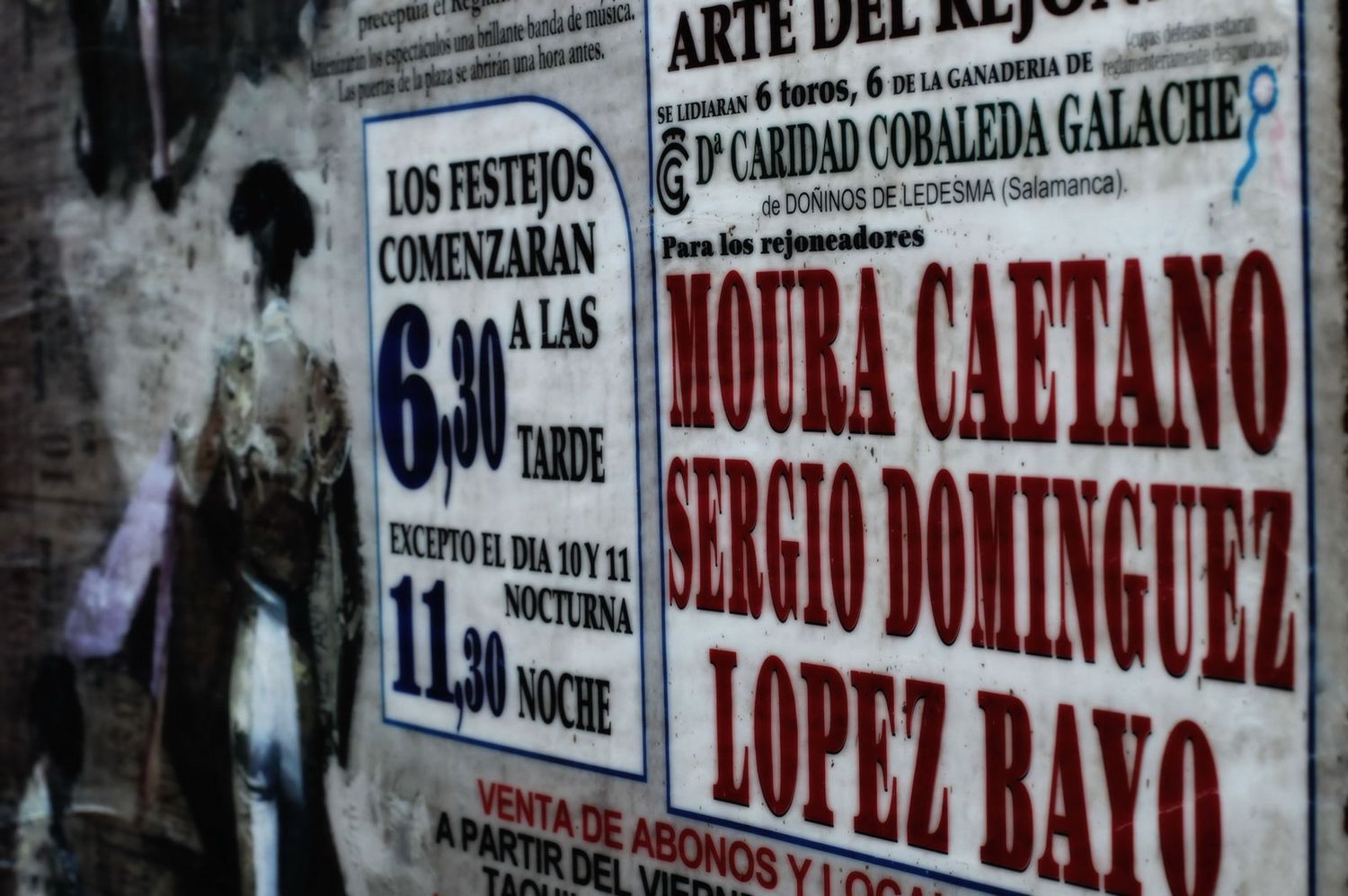
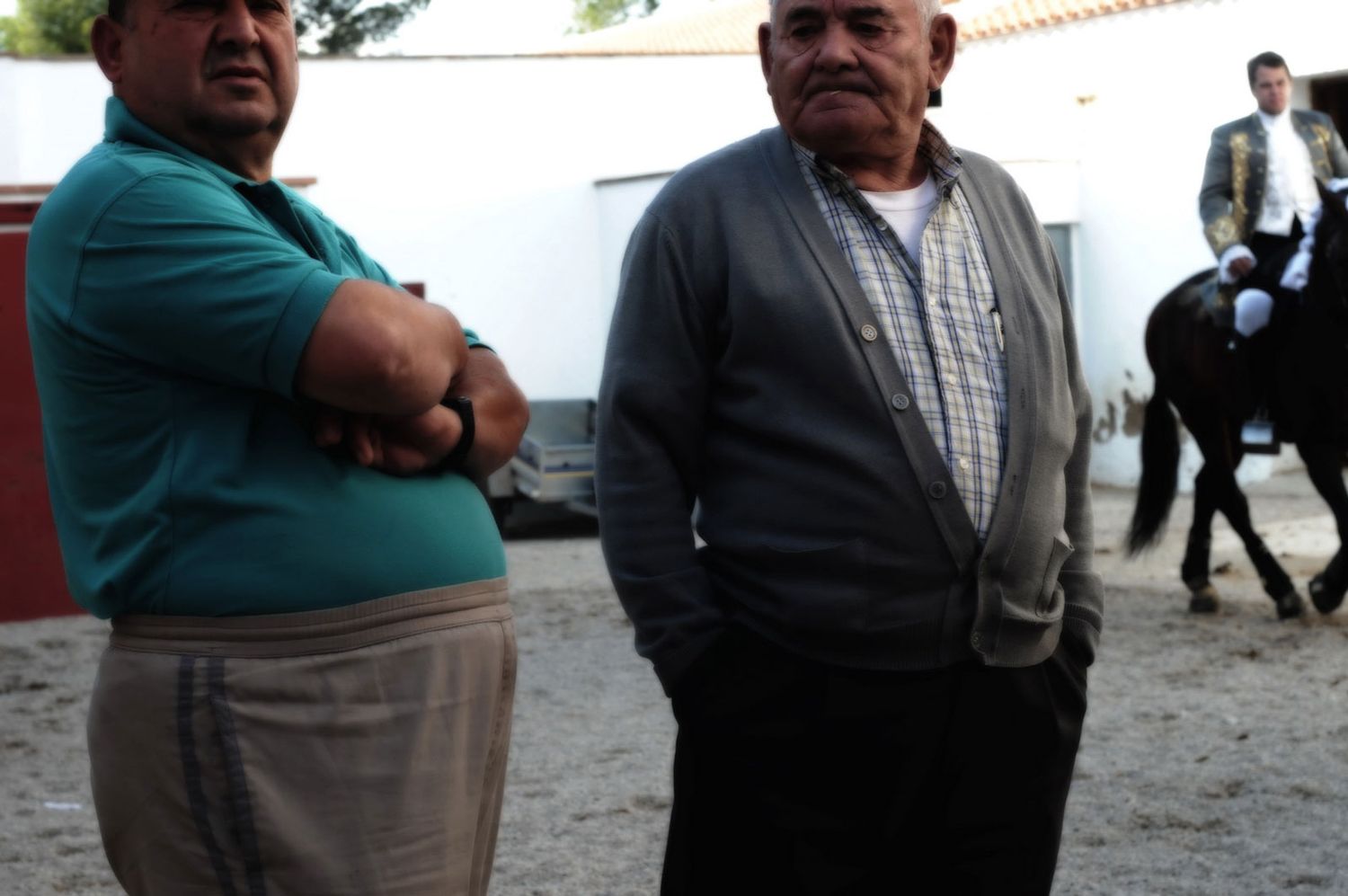
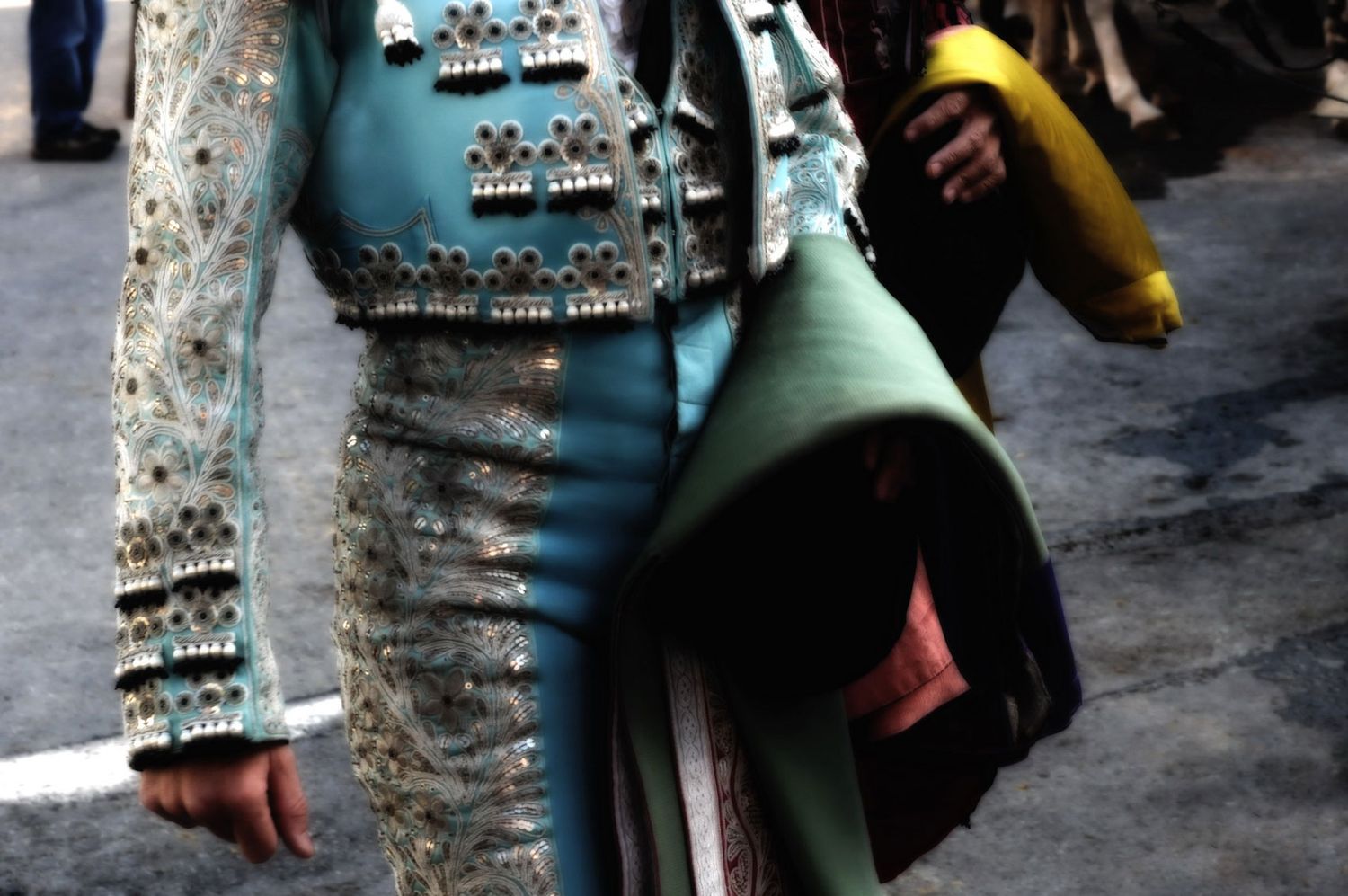
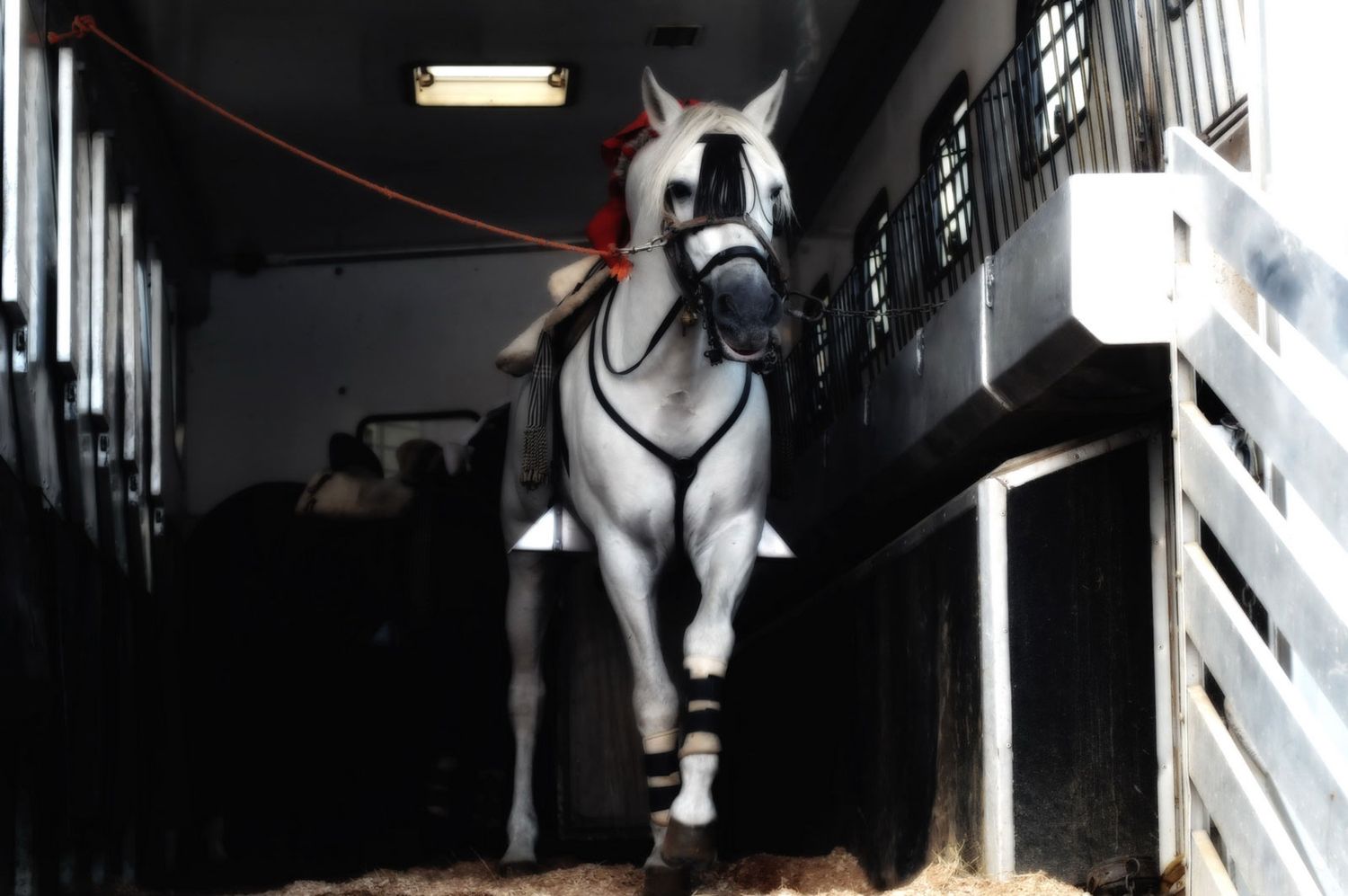
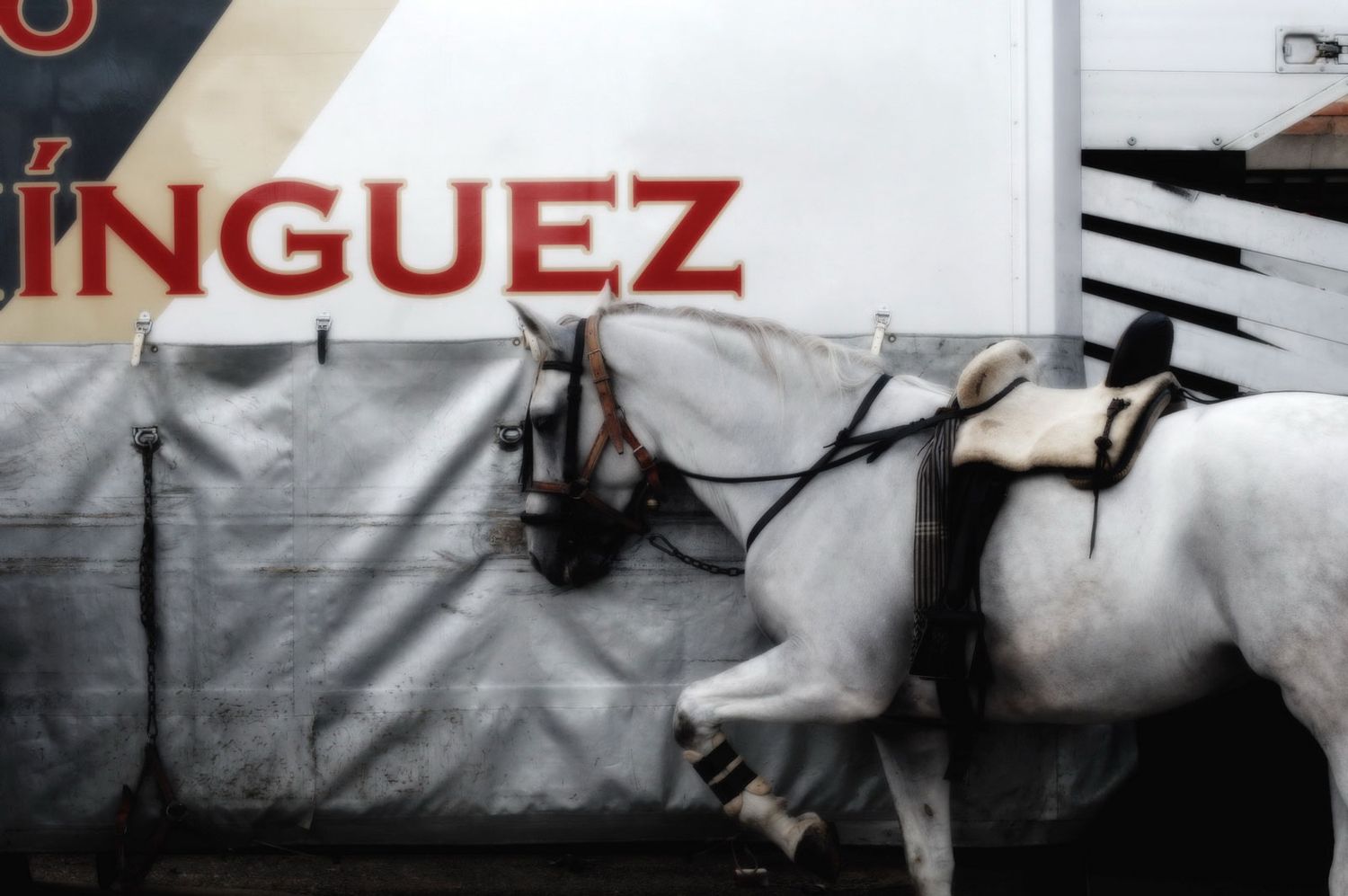
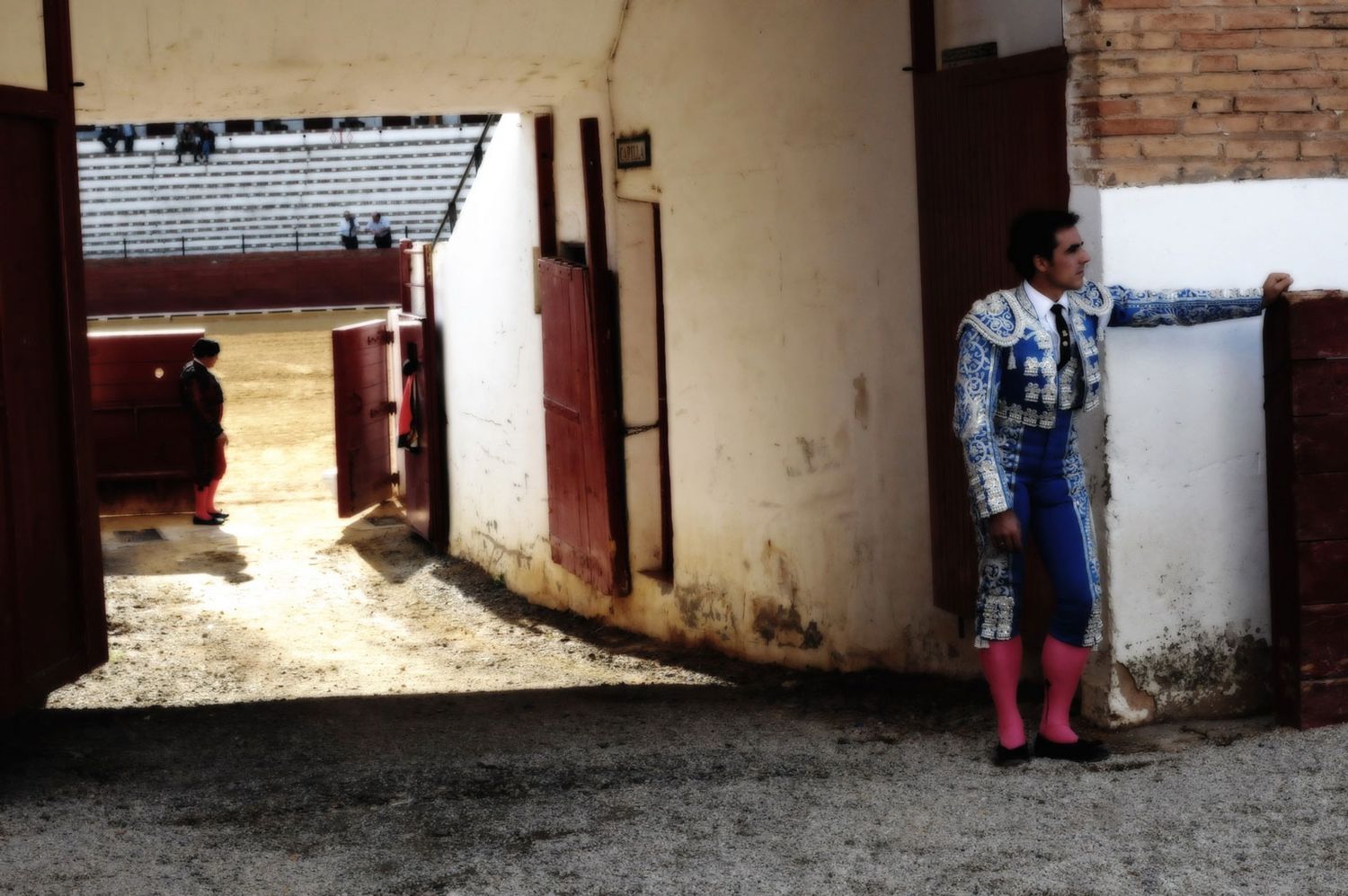
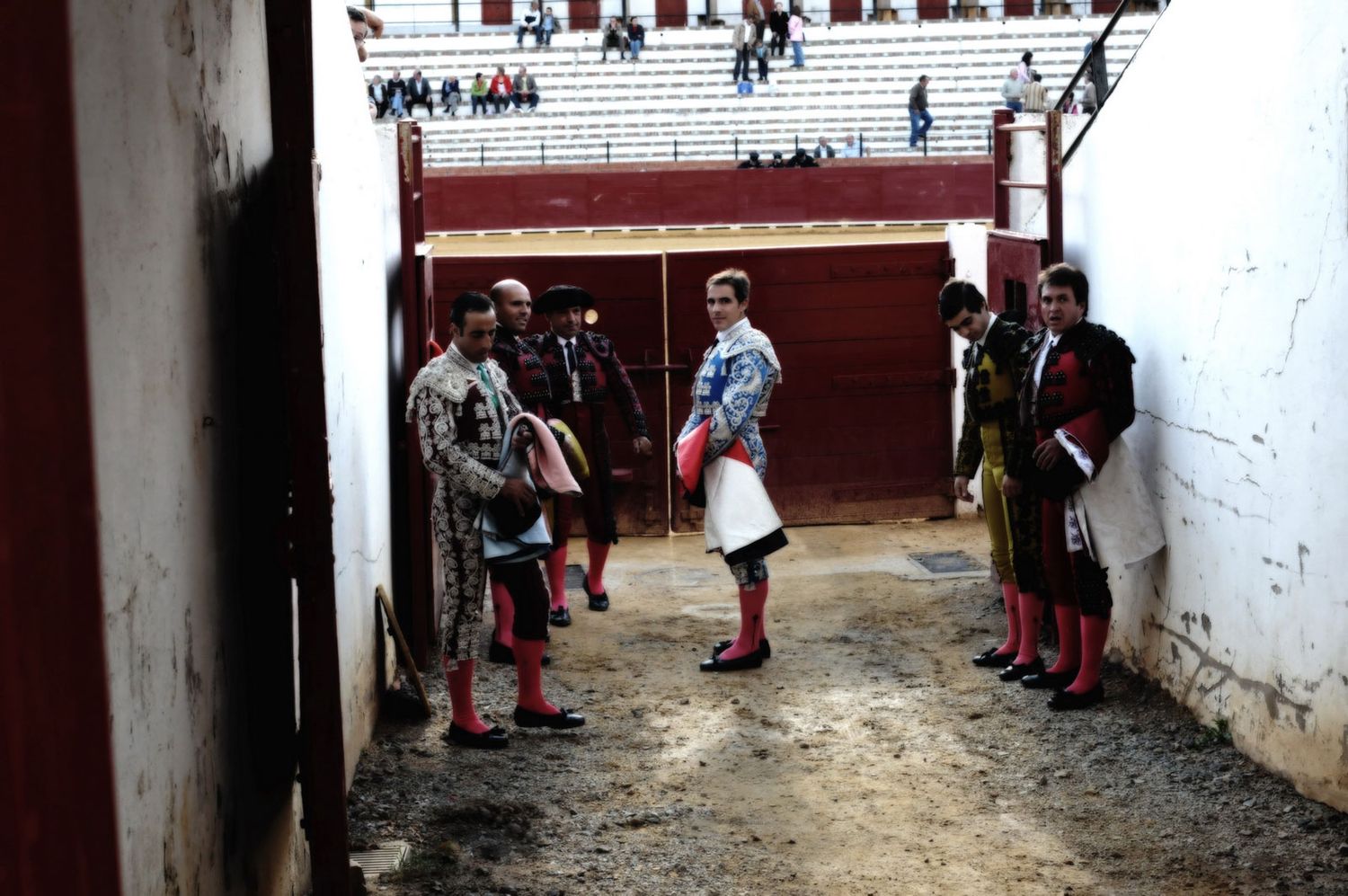
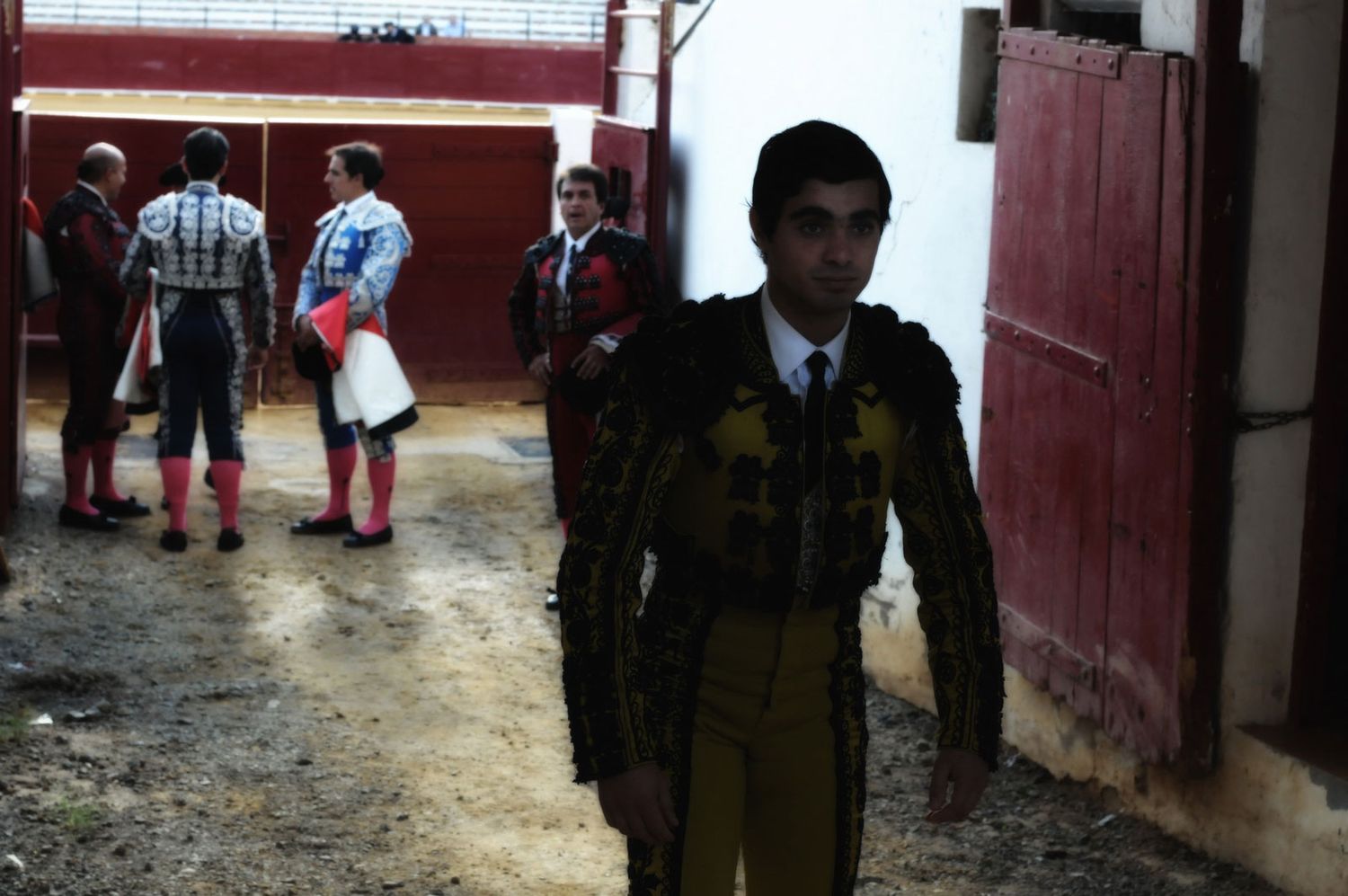
Before the arena filled with spectators, there was silence. Horses waited patiently in the stables. Matadors dressed with extraordinary care, adjusting every detail of their ornate costumes with quiet concentration. Conversations were brief, expressions thoughtful, and an unmistakable sense of anticipation hung in the air. Long before the first bull entered the ring, I realized there was far more to photograph than the spectacle itself.
Before moving to Spain, my understanding of bullfighting came almost entirely from stereotypes and headlines. Photographing it wasn't about deciding whether I agreed with it. It was about understanding why it has remained such a powerful part of Spanish culture for centuries.
Few traditions have taught me more about Spain's complexity than bullfighting. For some, it is an art form rooted in history, ritual, and skill. For others, it represents a practice that no longer belongs in modern society. It is impossible to spend time in Spain without hearing both sides of the conversation, often expressed with equal conviction.
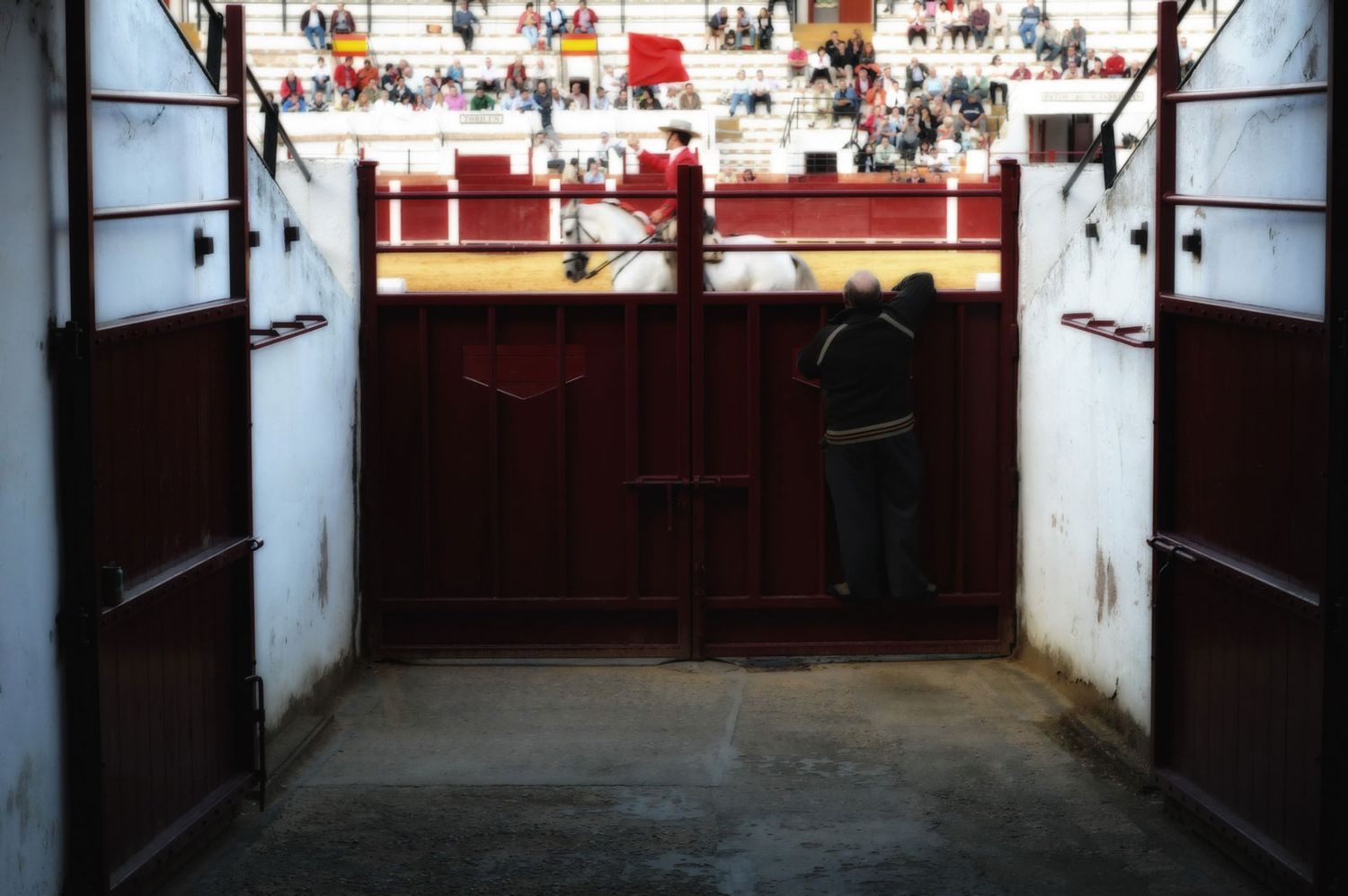
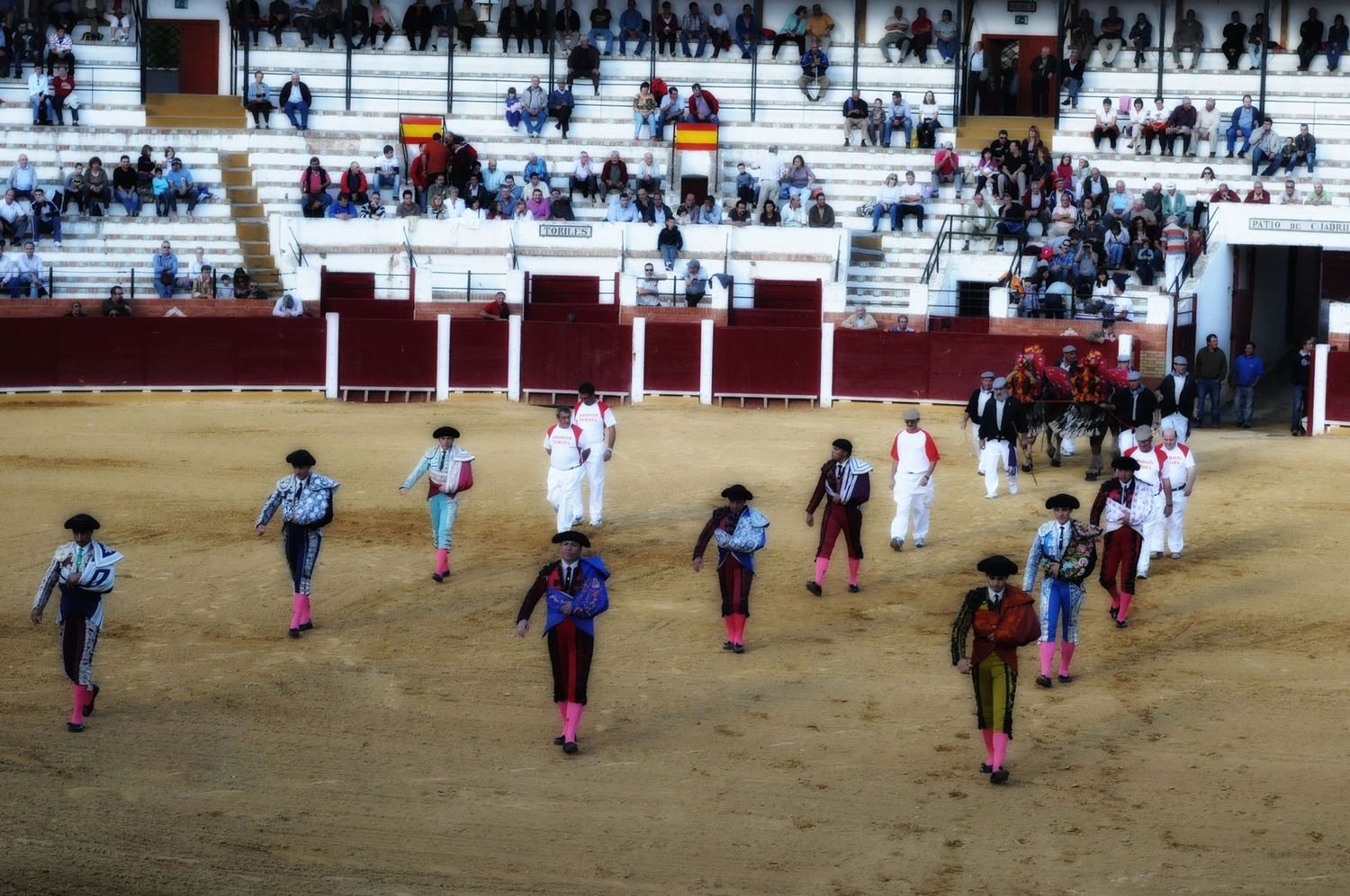
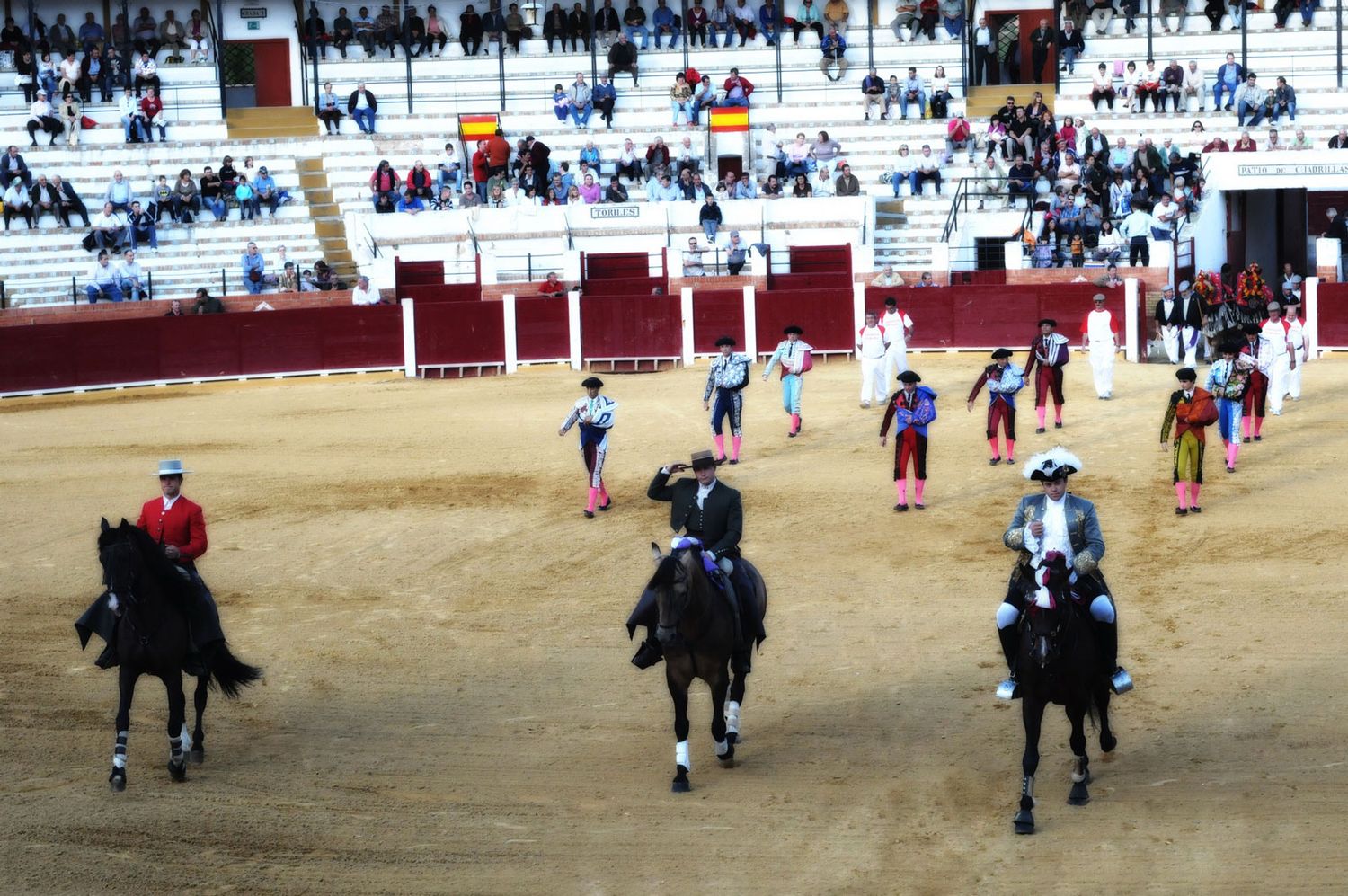
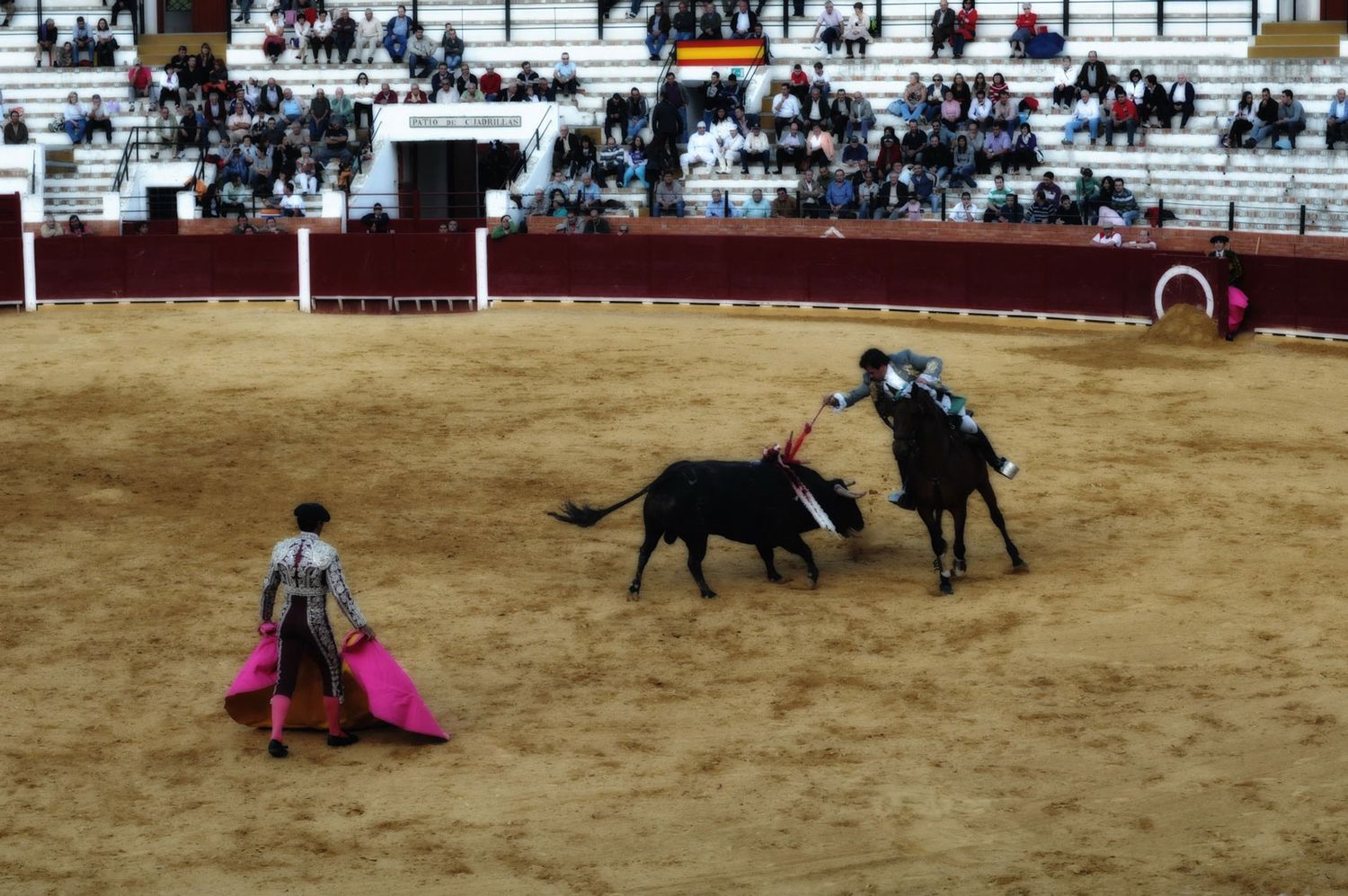
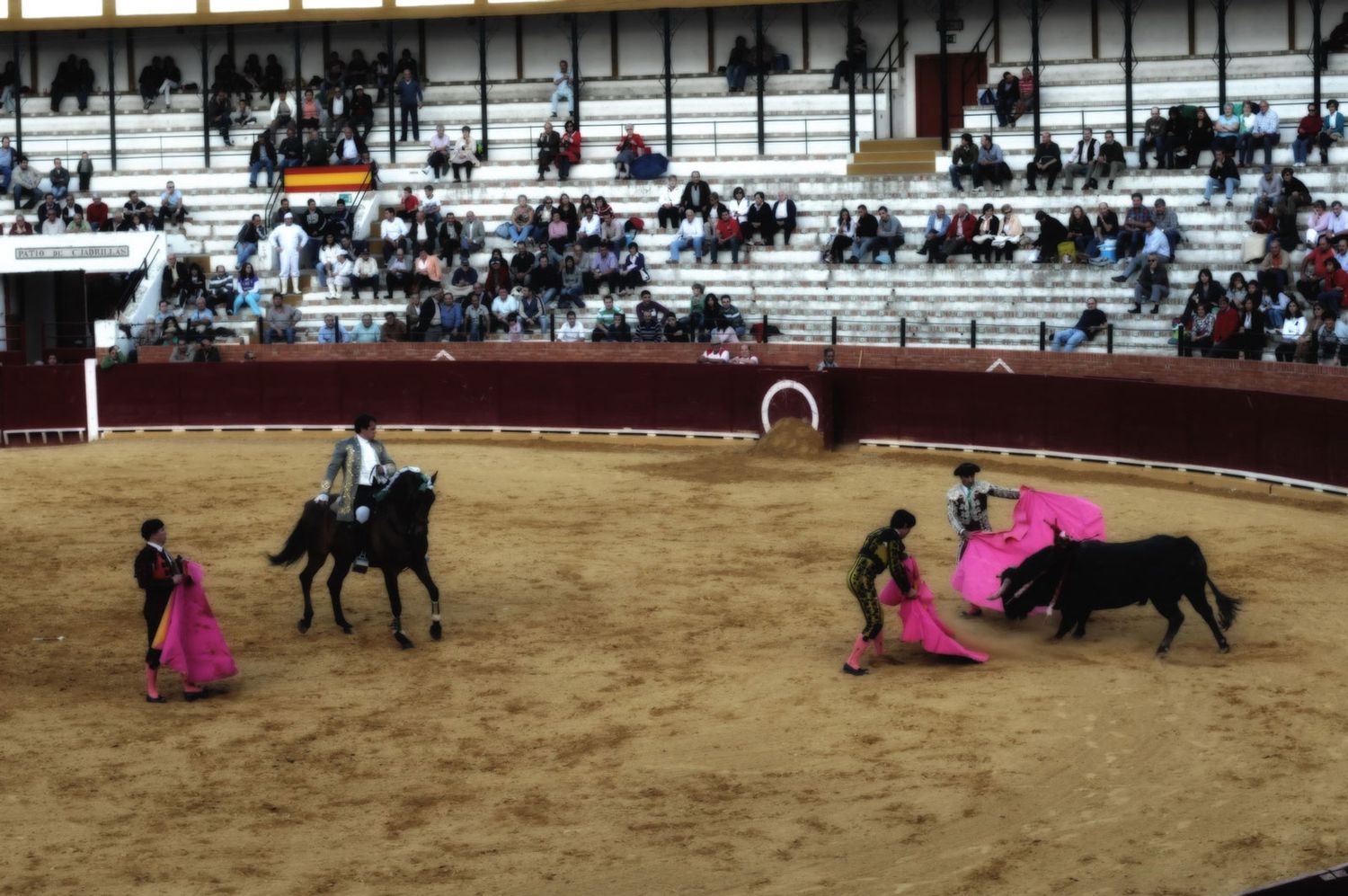
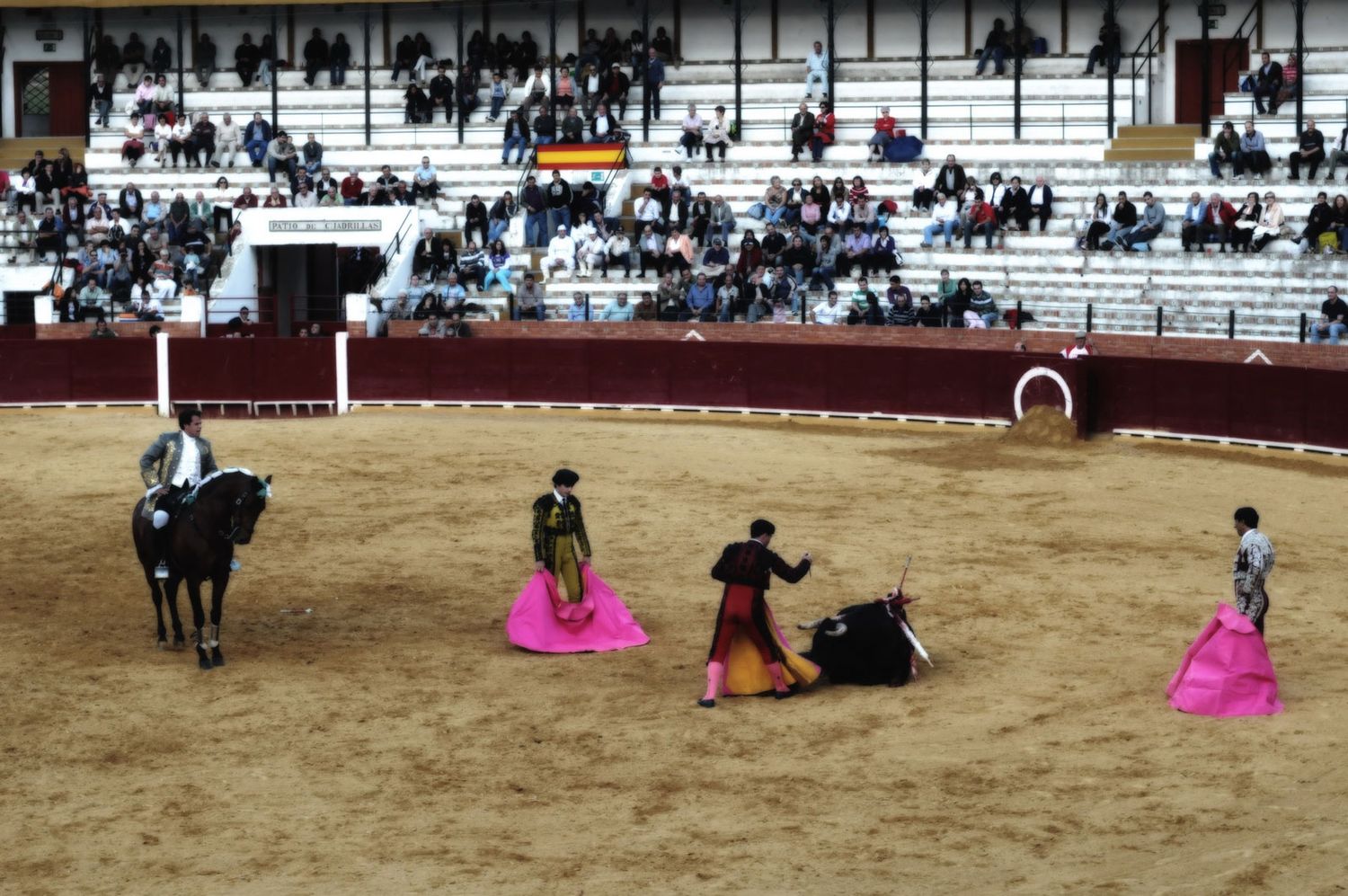
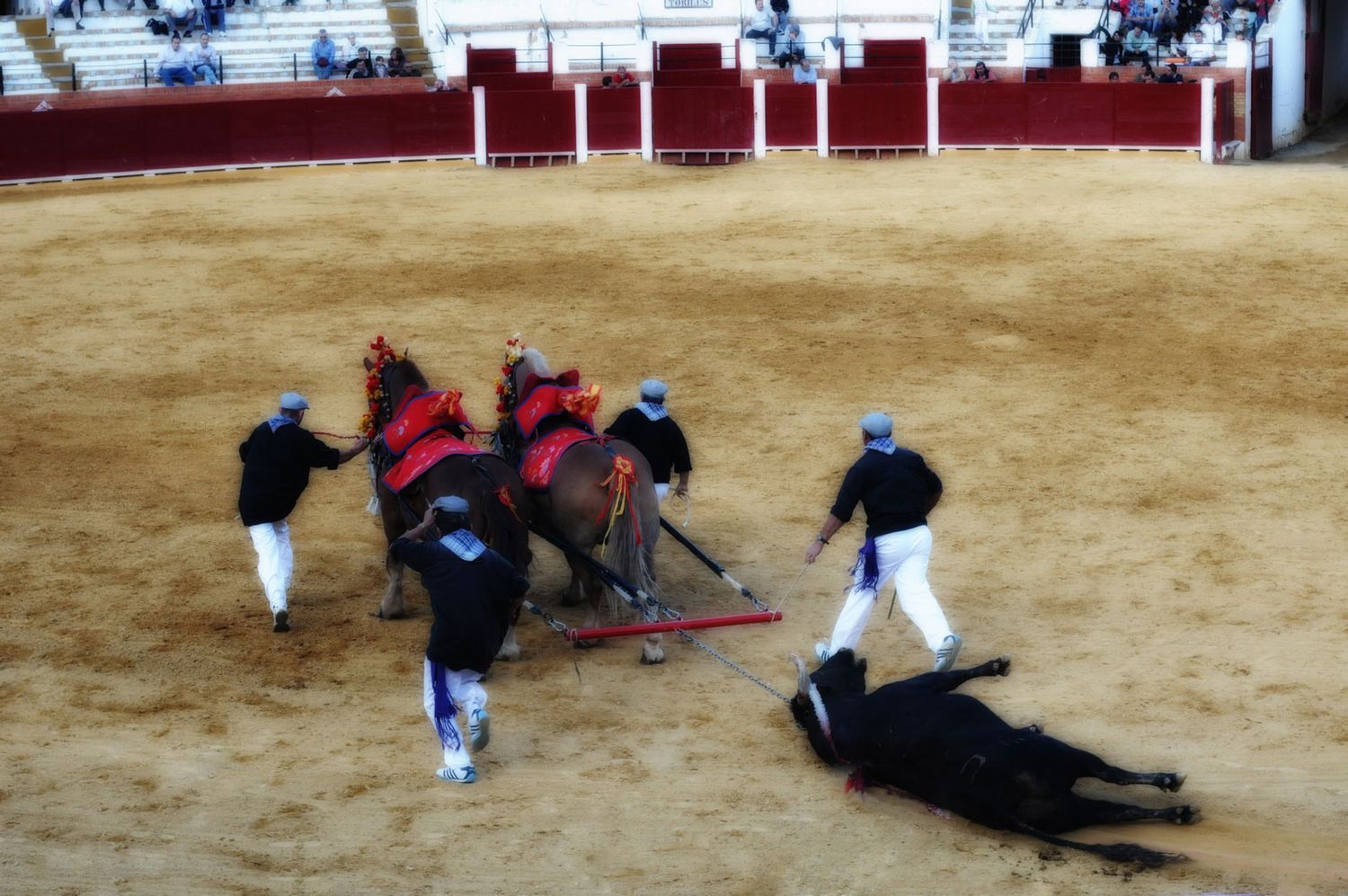
Inside the arena, the atmosphere changed completely. The performance unfolded according to rituals that have changed little over generations, witnessed by spectators whose reactions ranged from admiration to discomfort, applause to silence. As I moved quietly around the arena with my camera, I realized I wasn't searching for answers. I was documenting a tradition that continues to shape conversations about history, identity, culture, and change.
Living in Spain has taught me that understanding a culture doesn't always mean agreeing with every tradition. Sometimes it means listening carefully, observing honestly, and accepting that the most meaningful conversations rarely have simple answers.
Looking Closer
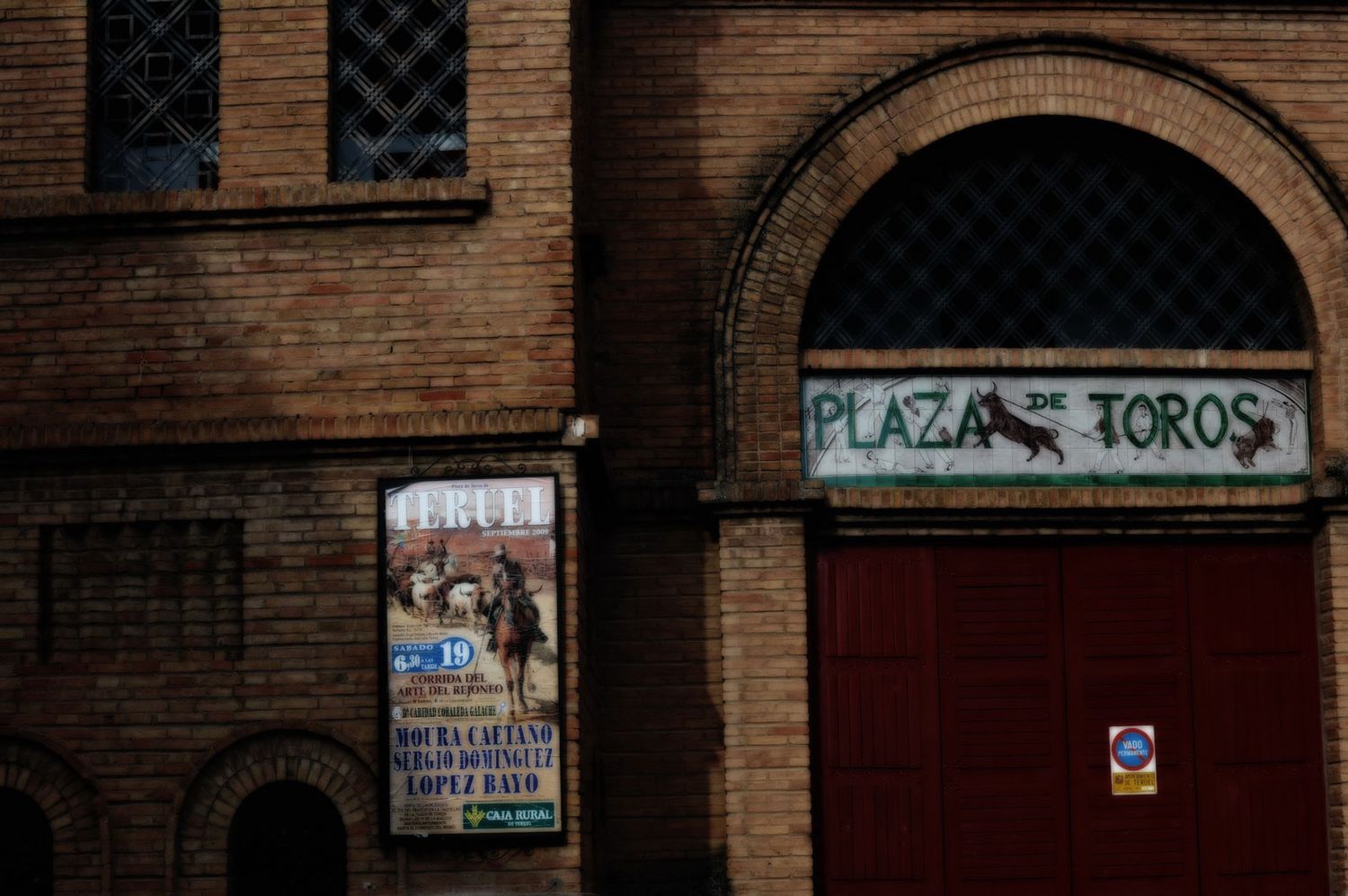
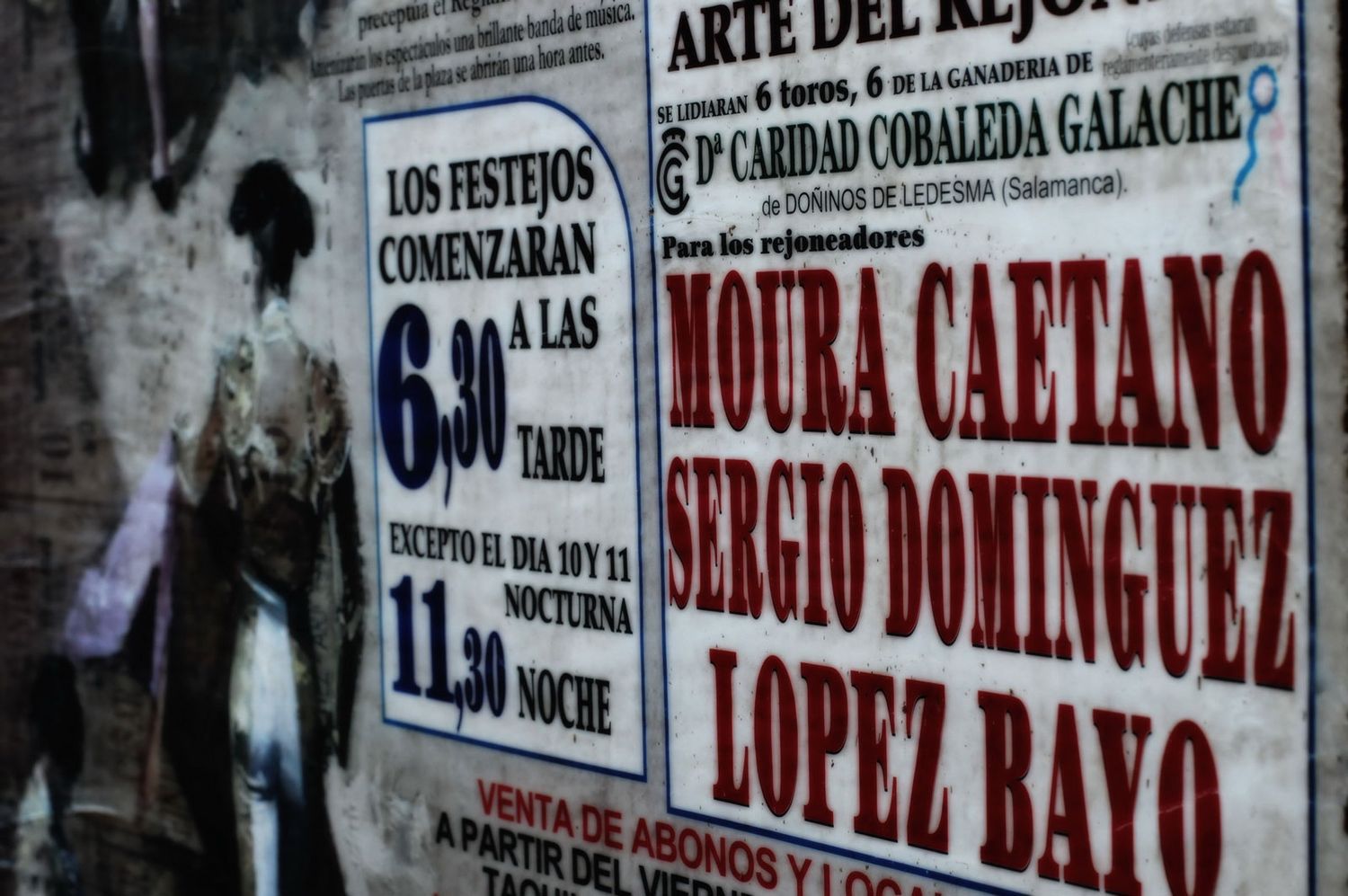
Bullfighting, or corrida de toros, has been part of Spanish culture for centuries, evolving from medieval displays of horsemanship into the highly ritualized form seen today. Although recognized by many as an important cultural tradition, it has also become one of Spain's most debated practices, prompting ongoing discussions about heritage, ethics, and animal welfare.
Today, bullfighting remains legal in much of Spain, while some regions have introduced restrictions or bans. Attendance has declined in some areas, yet it continues to attract devoted supporters and remains an important part of many local festivals, illustrating the continuing conversation between tradition and a changing society.