Cemetery · Remembrance
Remembering the Absent
Some places speak most clearly in silence.
Cemetery · Remembrance · Remembering the Absent
The first time I walked through the cemetery in Teruel on All Saints' Day, I expected flowers, families, and quiet reflection. What caught my attention were the walls.
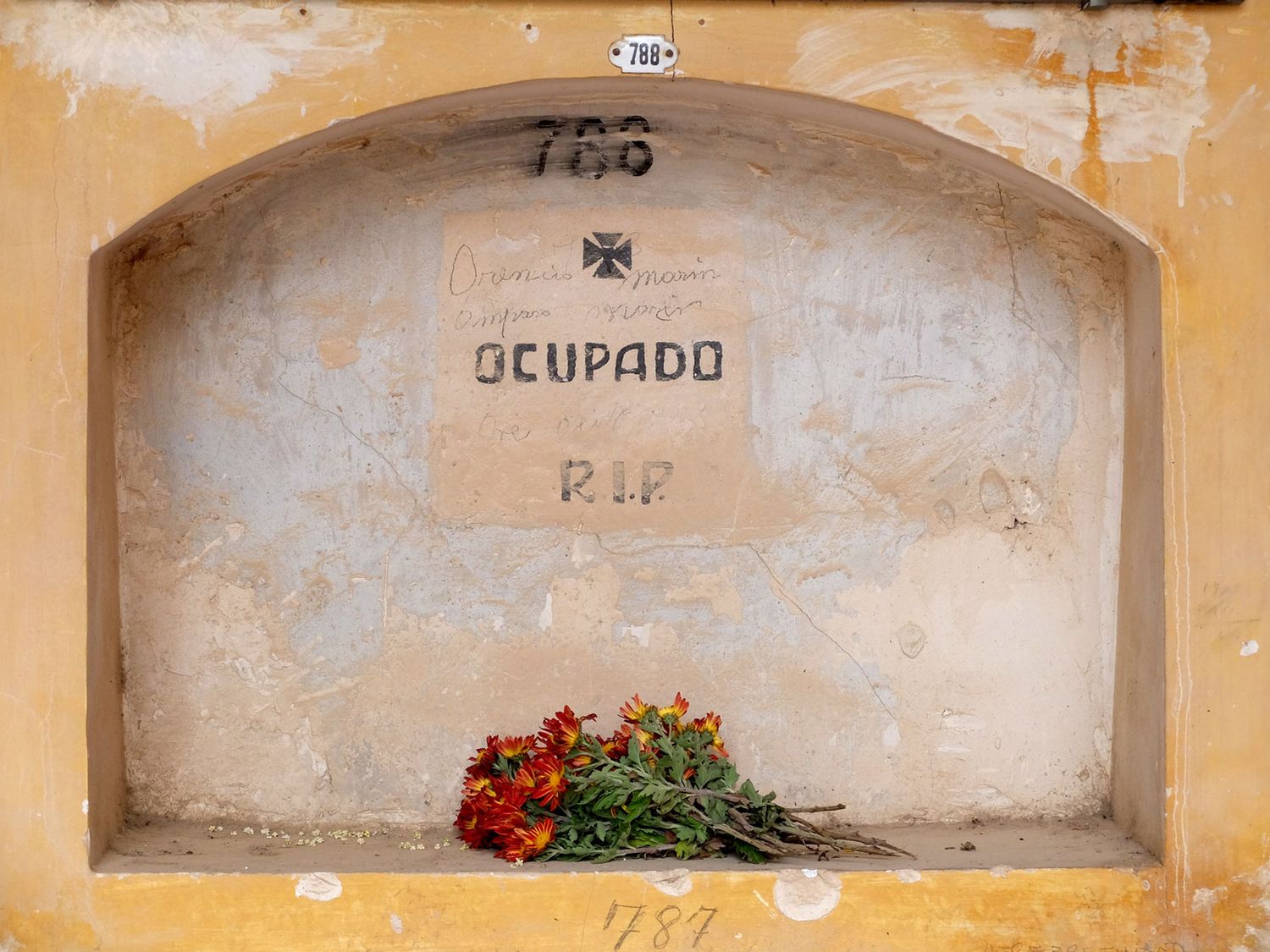
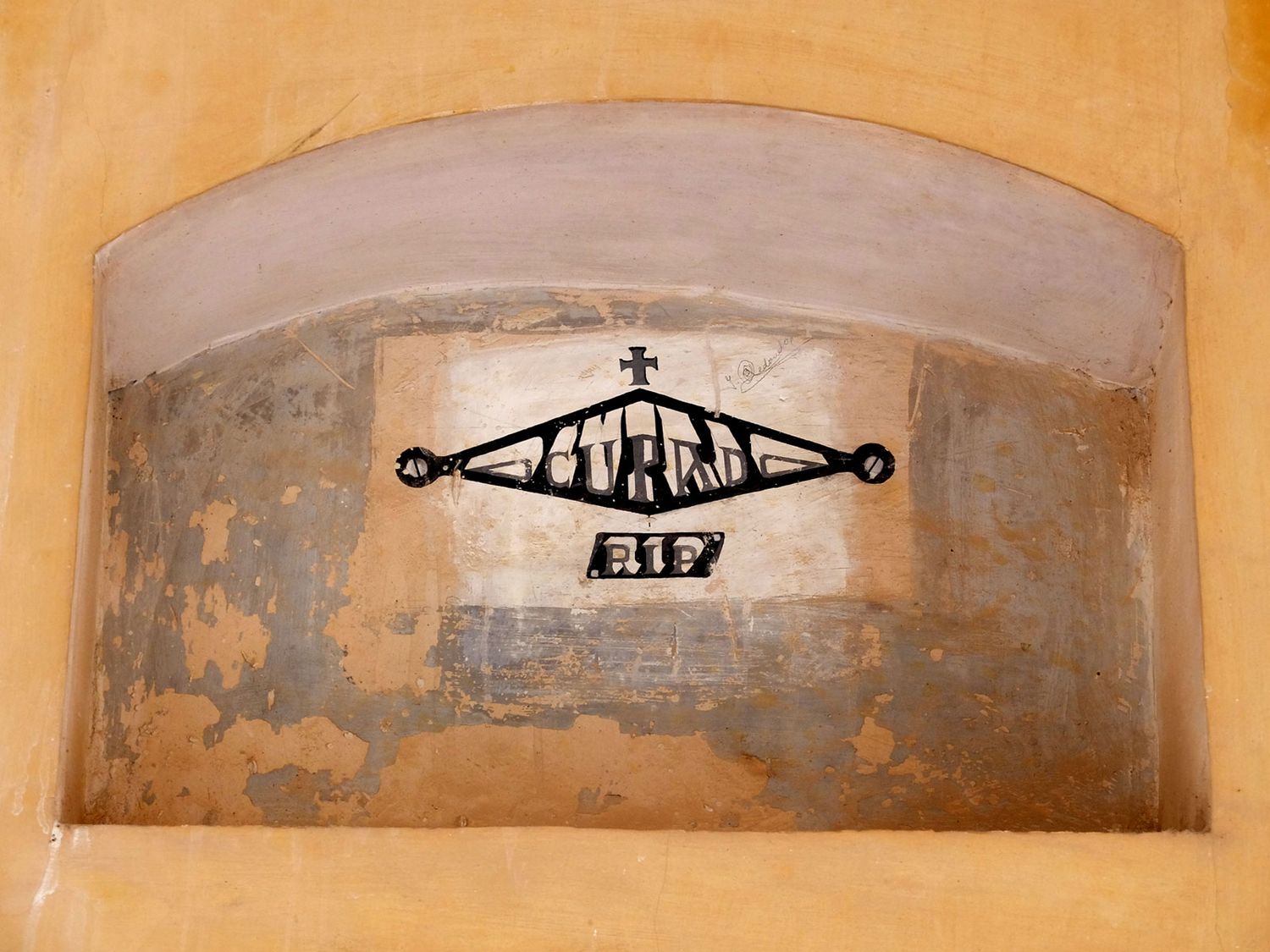
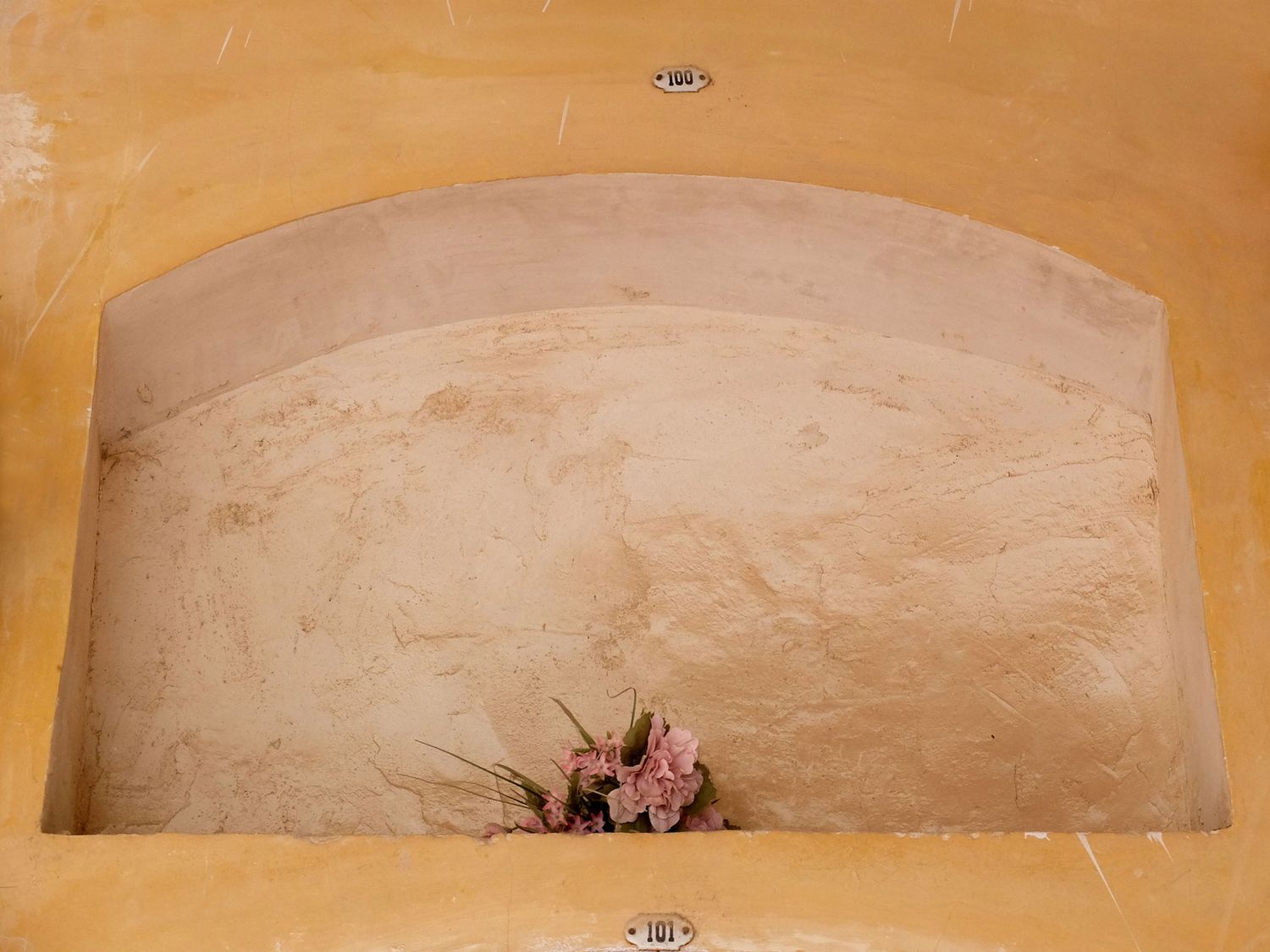
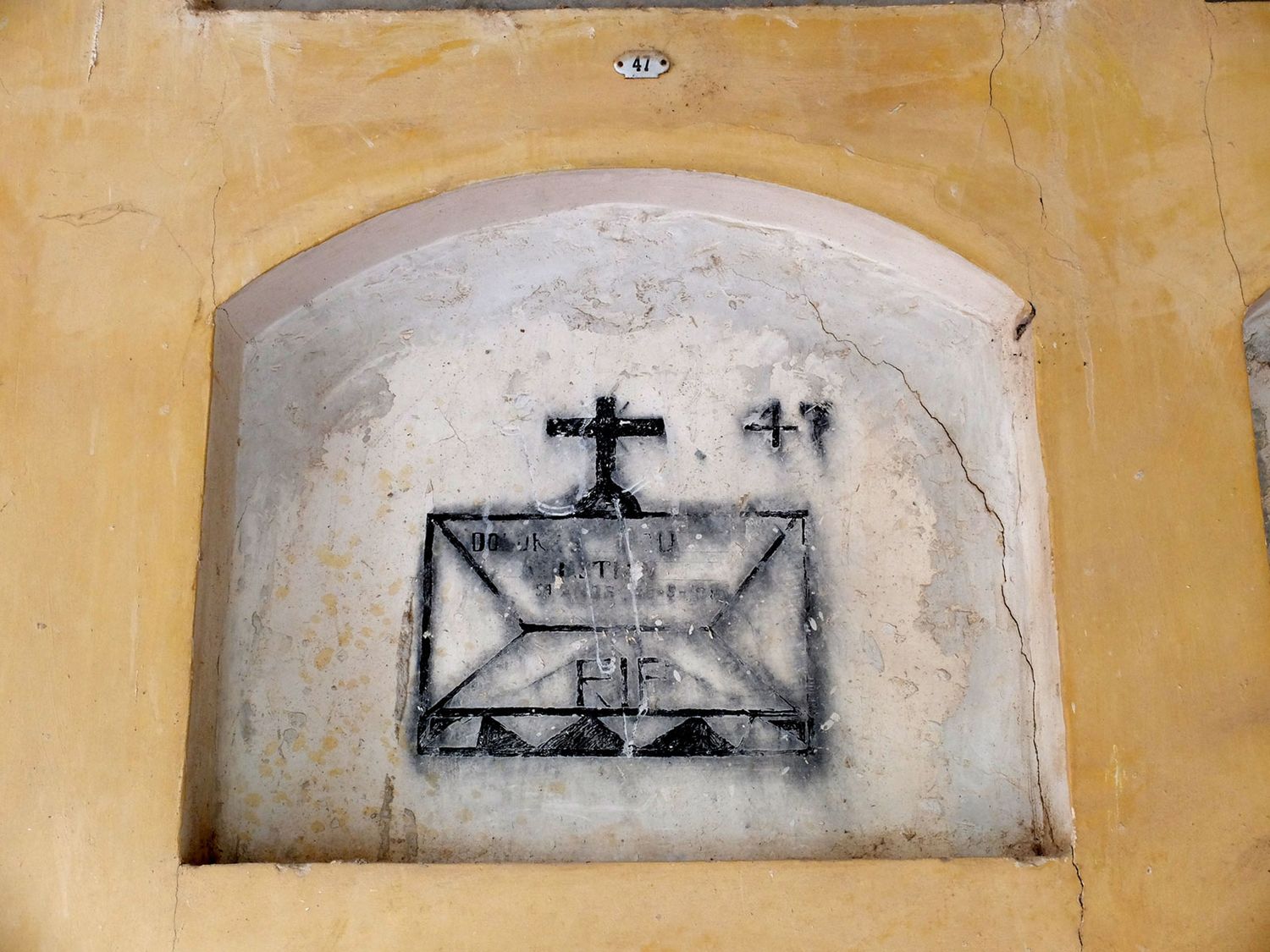
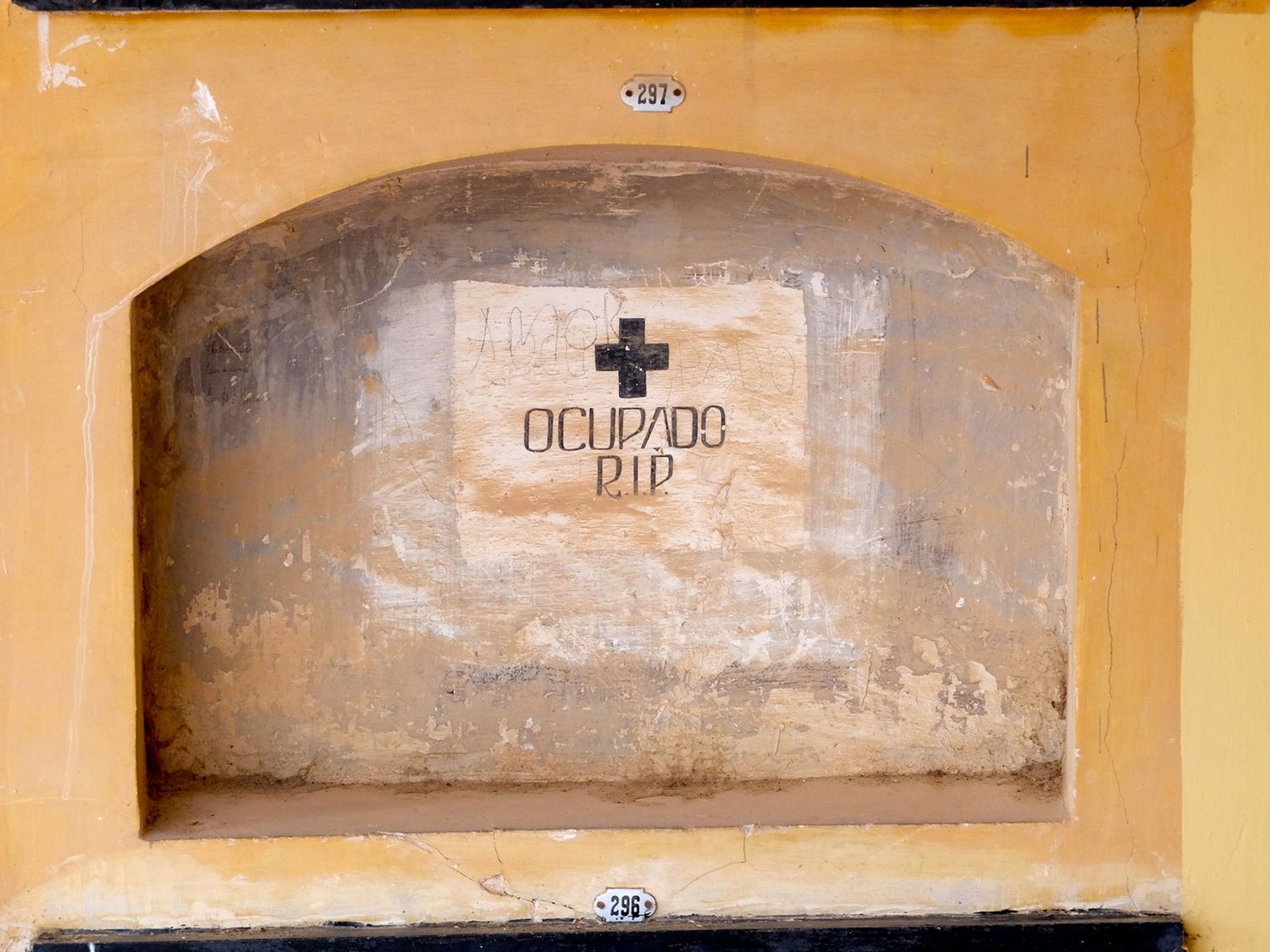
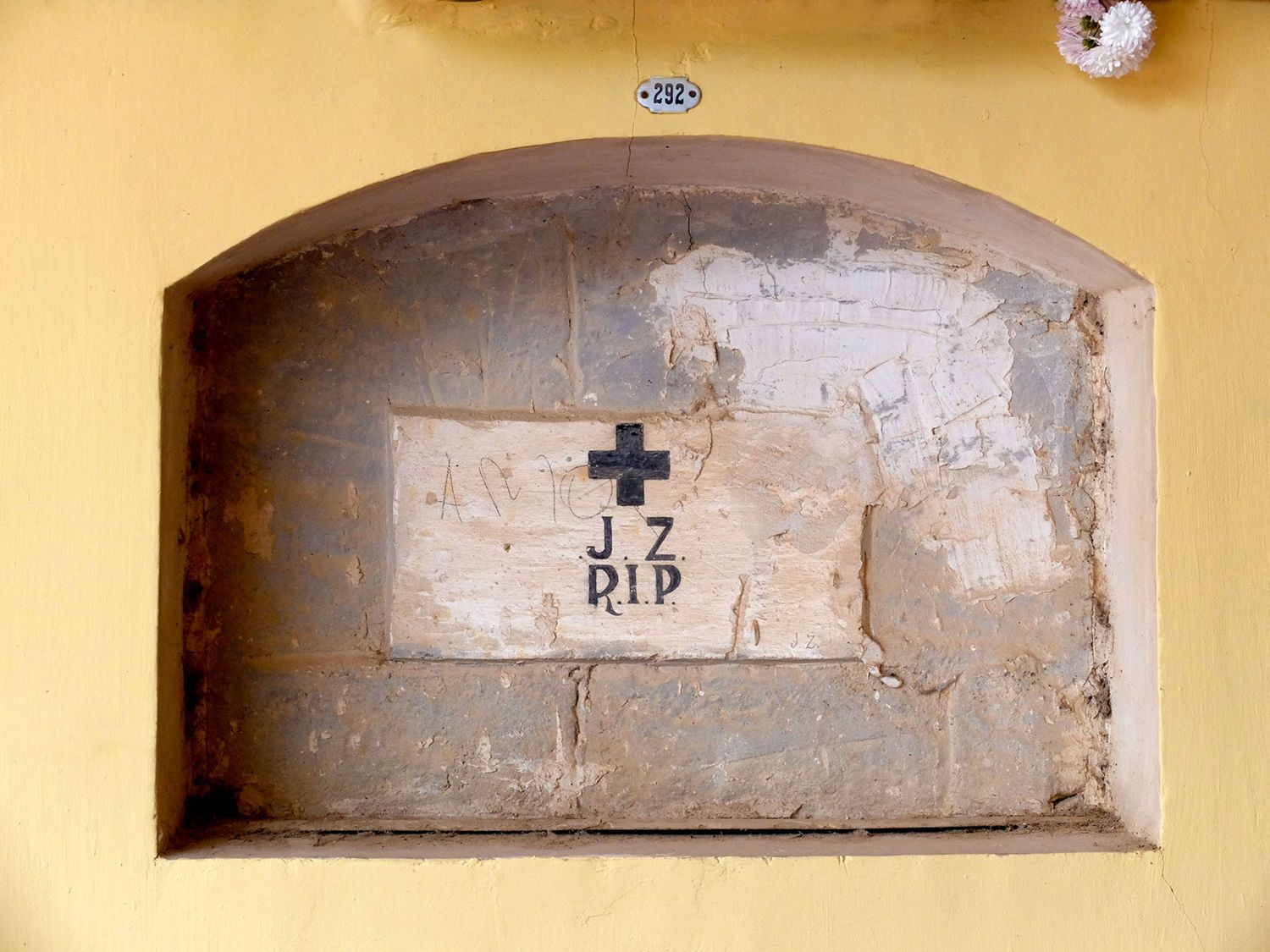
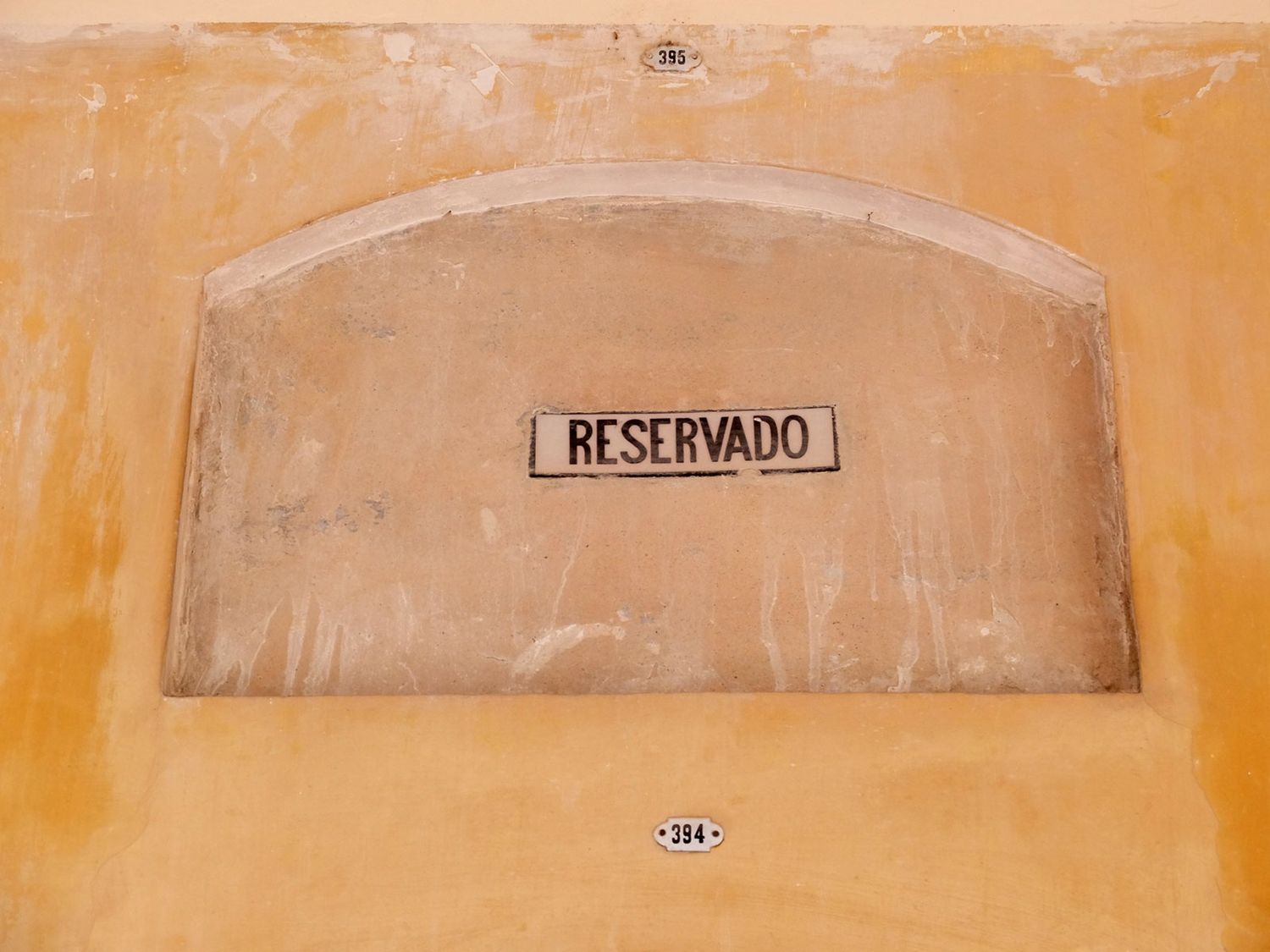
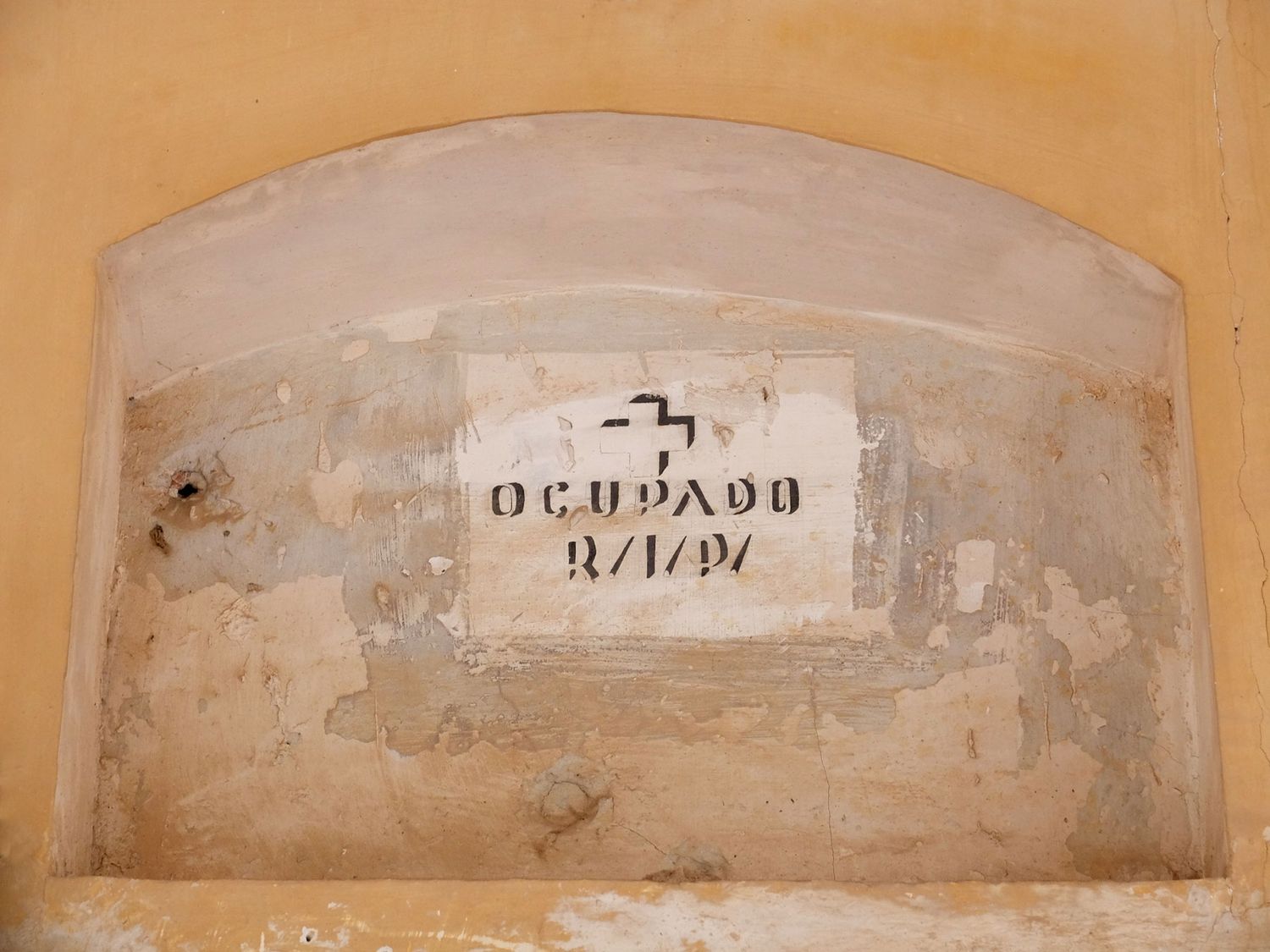
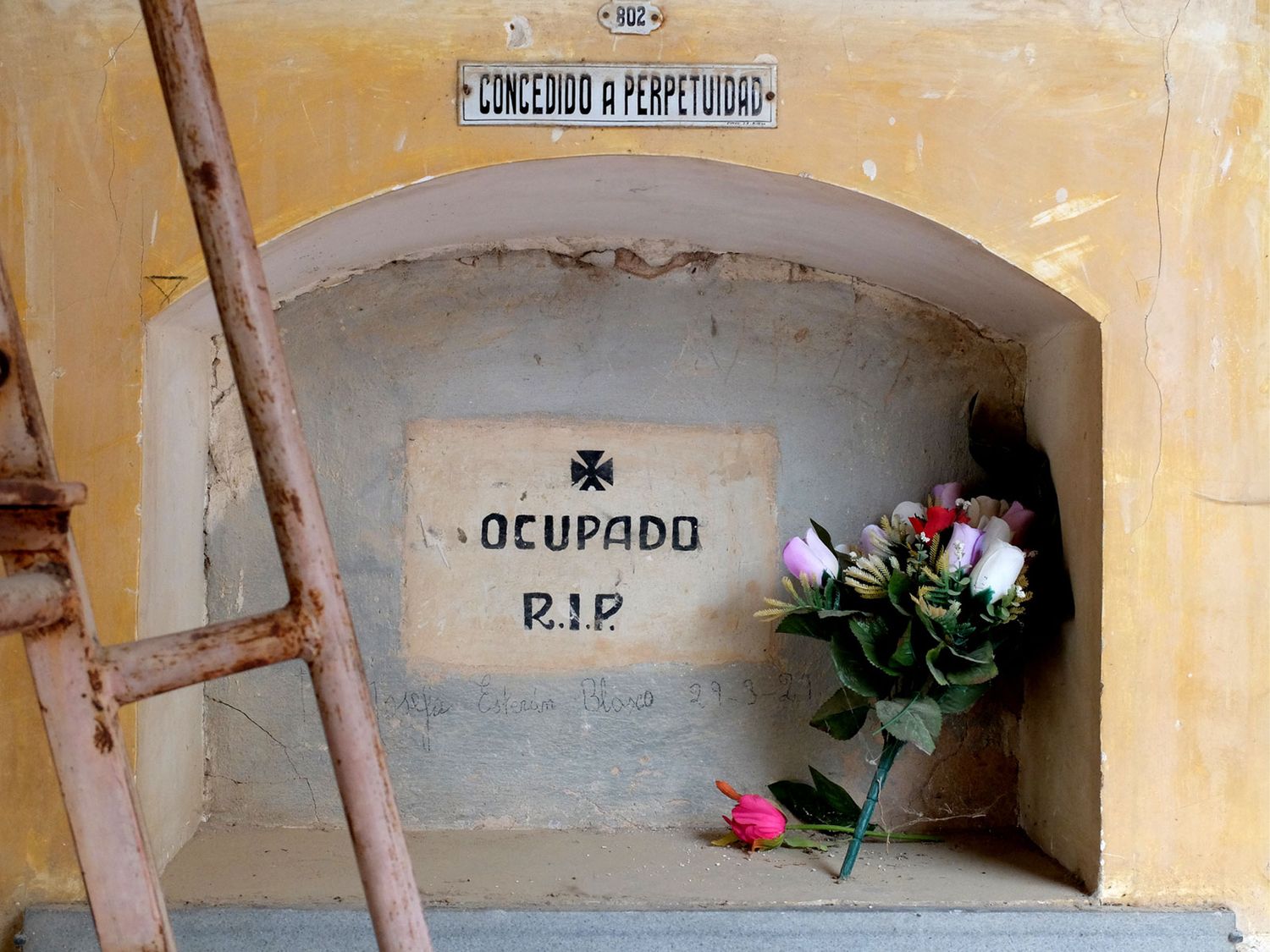
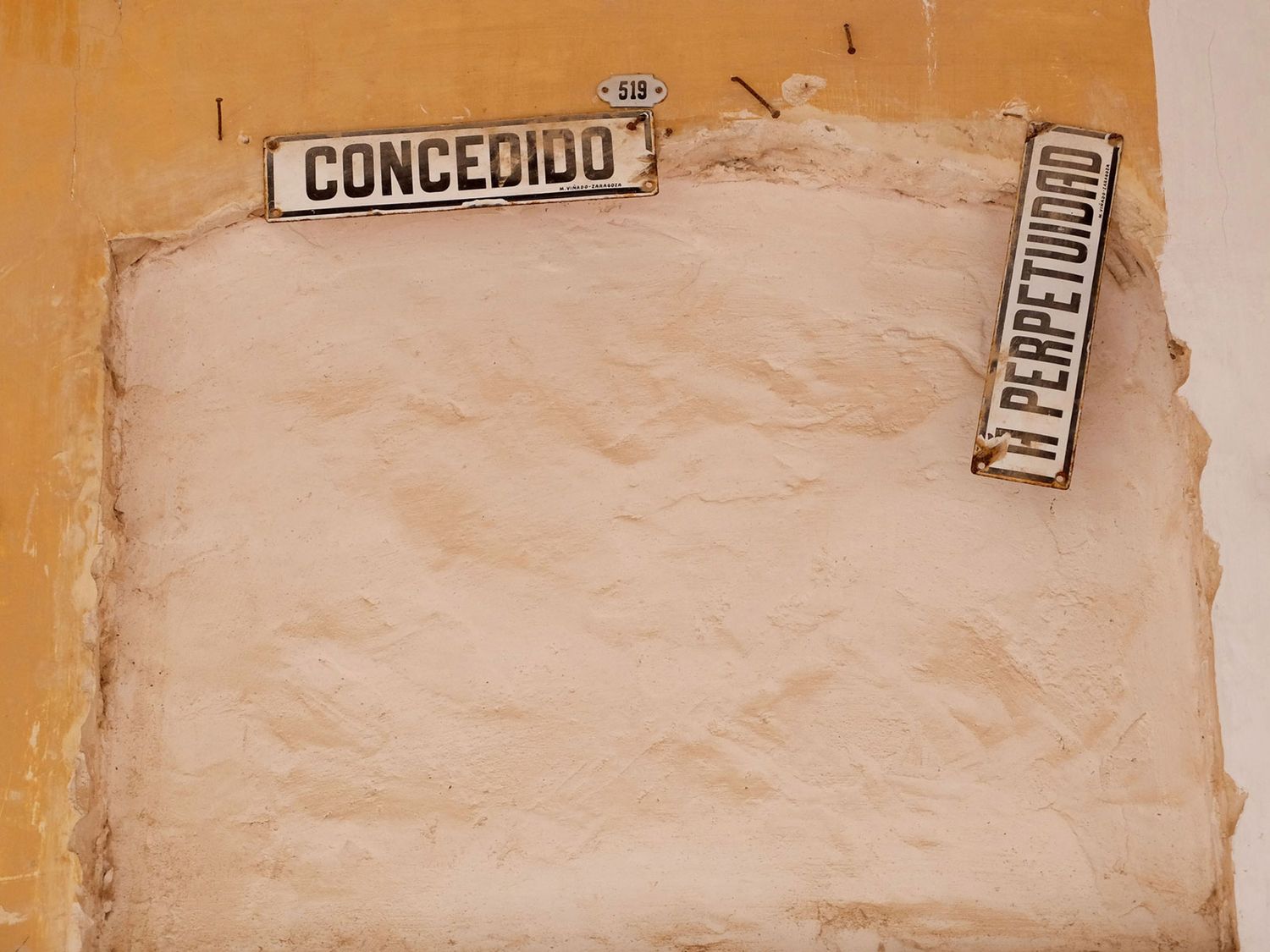
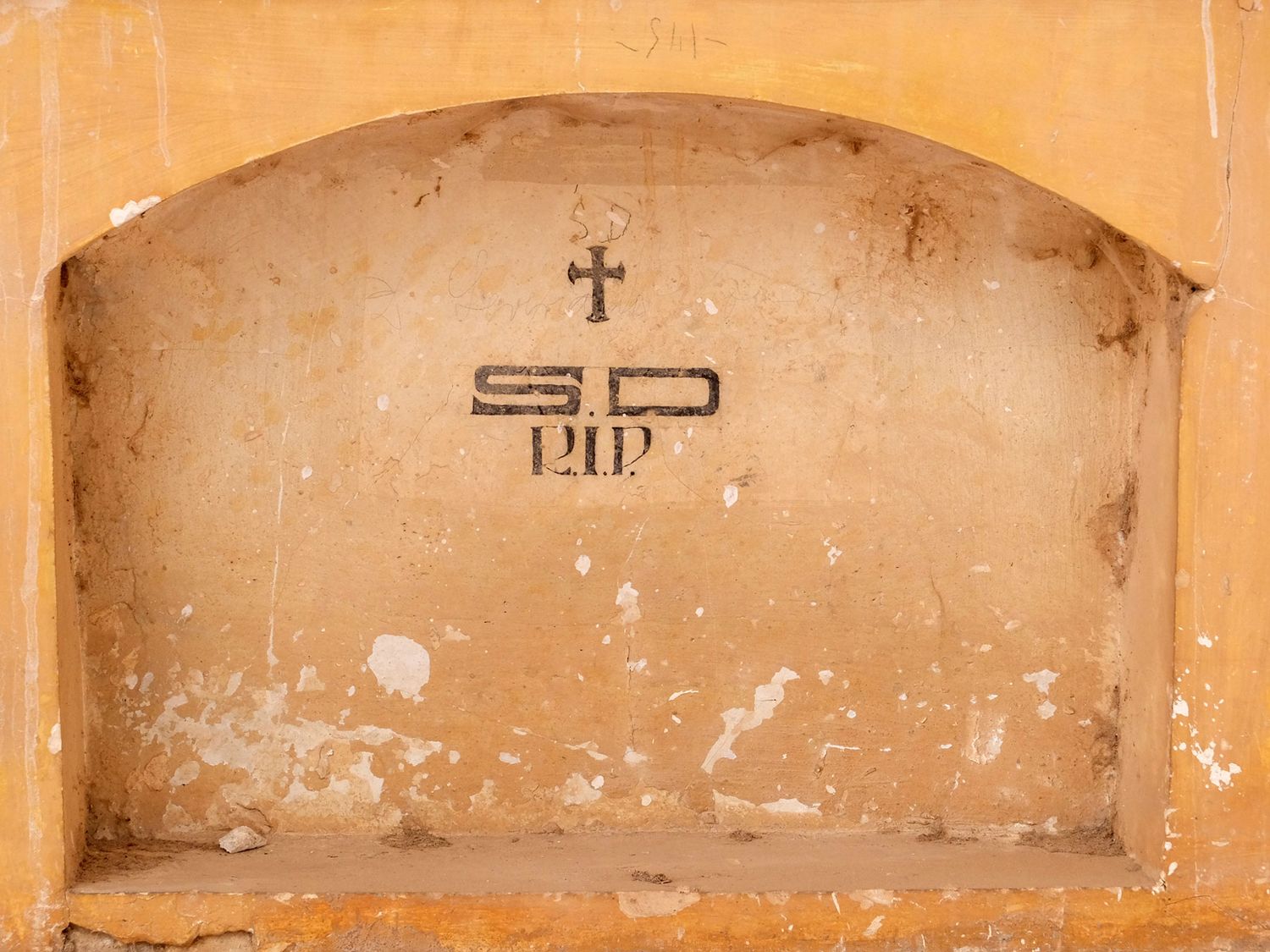
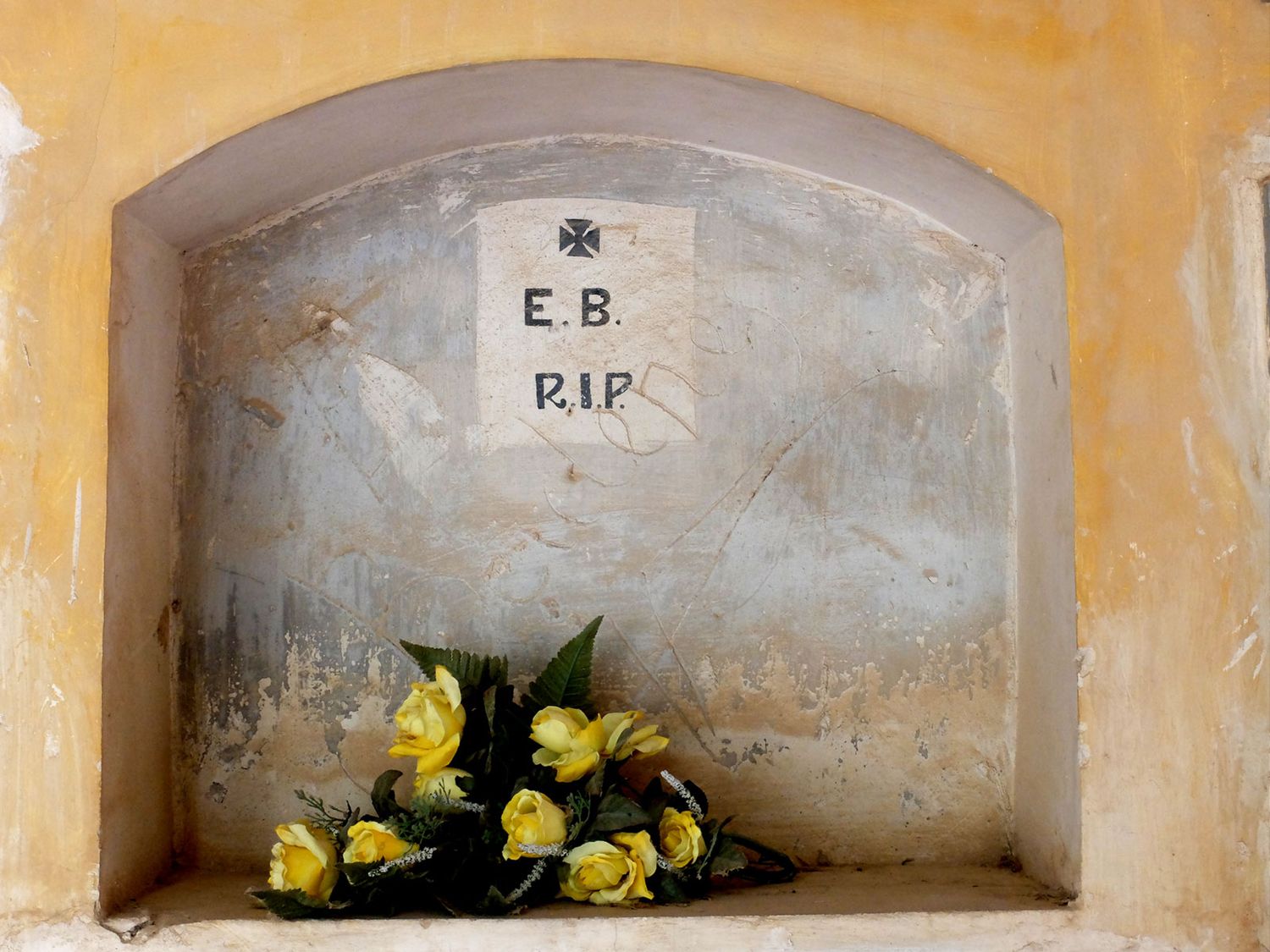
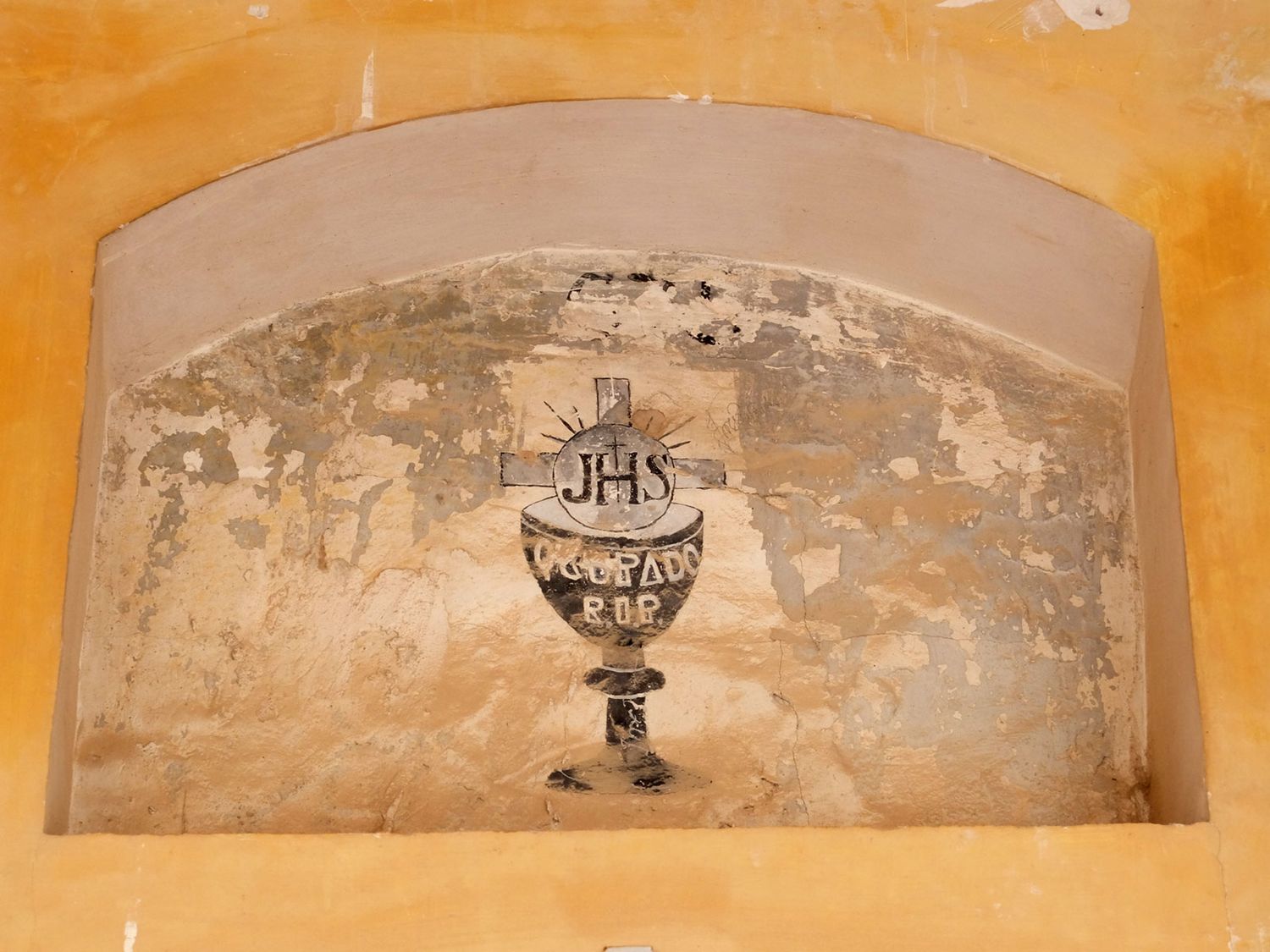
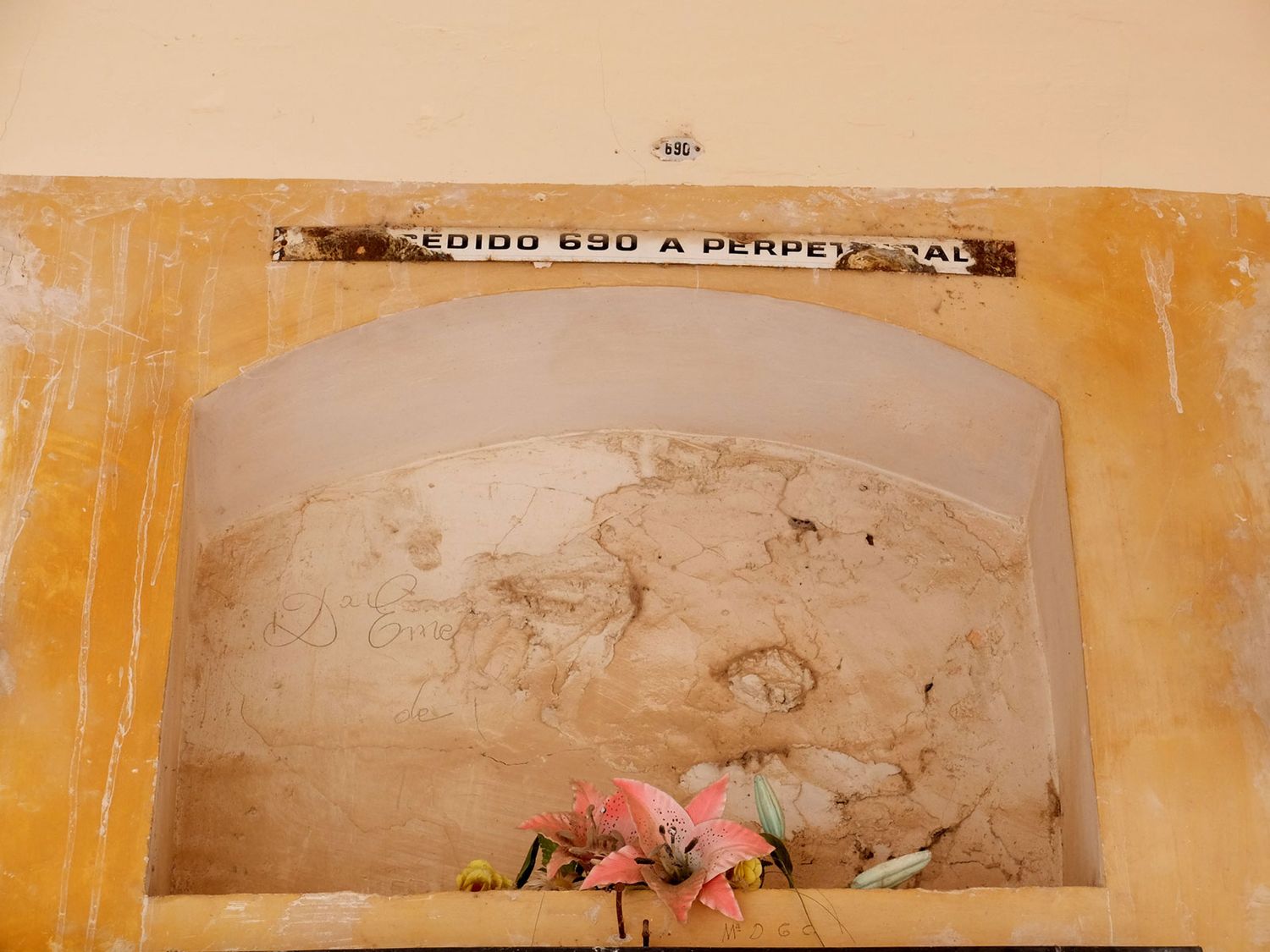
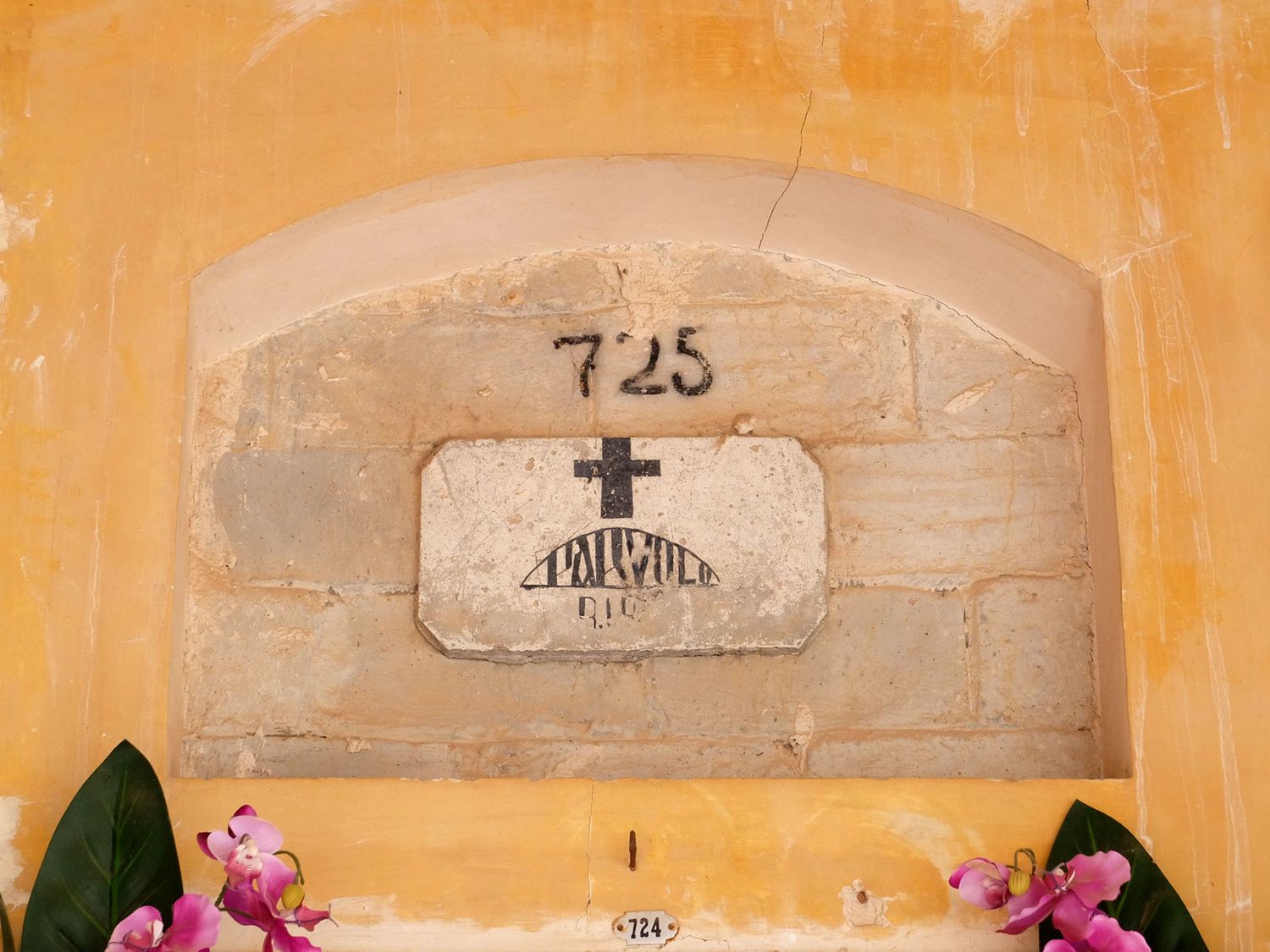
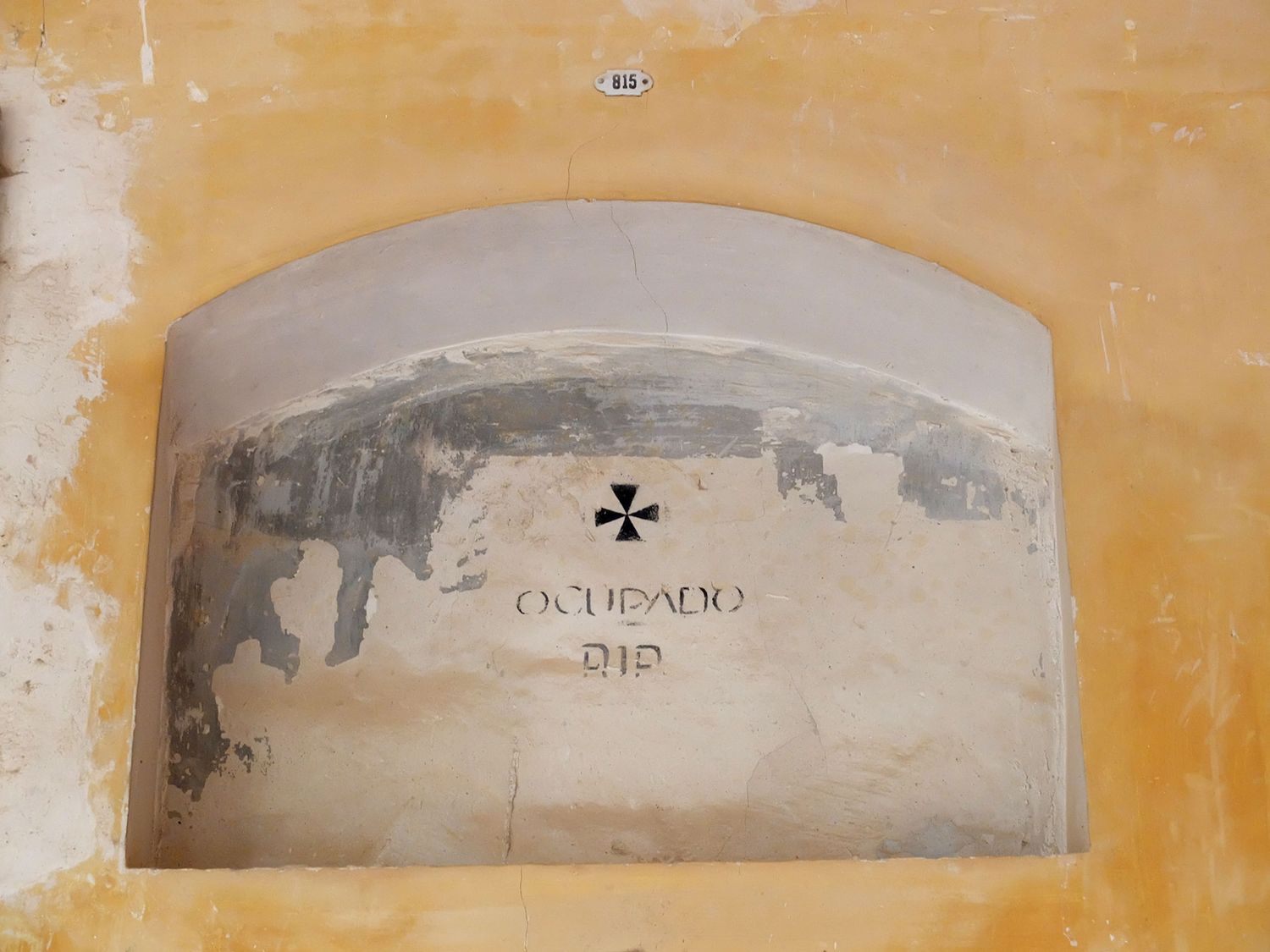
Row upon row of small niches stretched across the cemetery, each one holding a name, a date, and sometimes little more than a fading inscription. Some were filled with fresh flowers. Others had none. Paint peeled away, names softened with time, and handwritten words slowly disappeared into the stone. Every niche seemed to tell a different story, yet together they formed a collective memory.
As I wandered with my camera, I realized I wasn't searching for dramatic moments. I found myself drawn to the smallest details: a bouquet carefully placed beneath a cross, a weathered photograph, and the word ocupado painted across a sealed niche, reminding me that even in death, these spaces remained someone's place within a family.
Growing up in the United States, cemeteries often felt separate from everyday life. In Spain, I discovered something different. Every year, families return to clean graves, replace flowers, and remember those who came before them. The cemetery doesn't feel forgotten. It remains part of the life of the community.
There is a remarkable simplicity to these walls. No grand monuments compete for attention. Thousands of ordinary lives rest side by side, each connected to someone who still takes the time to return.
Photographing the cemetery reminded me that remembrance isn't measured by the size of a monument, but by the quiet decision not to forget.
Looking Closer
Every year on November 1, Spain observes All Saints' Day (Día de Todos los Santos), one of the country's most important days of remembrance. Families visit cemeteries to clean graves, place fresh flowers, and spend time honoring relatives who have passed away. Although rooted in the Catholic tradition, the day has become a deeply shared cultural custom throughout Spain.
In many Spanish cemeteries, the deceased are buried in nichos (wall niches) rather than beneath individual headstones. These distinctive structures, common across Spain, reflect centuries of local burial traditions while creating places where generations of families continue to gather in remembrance.