Faith · Ermitas
Small Places, Enduring Faith
Some places were built not to be seen, but to offer a moment of stillness.
Ermitas · Faith · Small Places, Enduring Faith
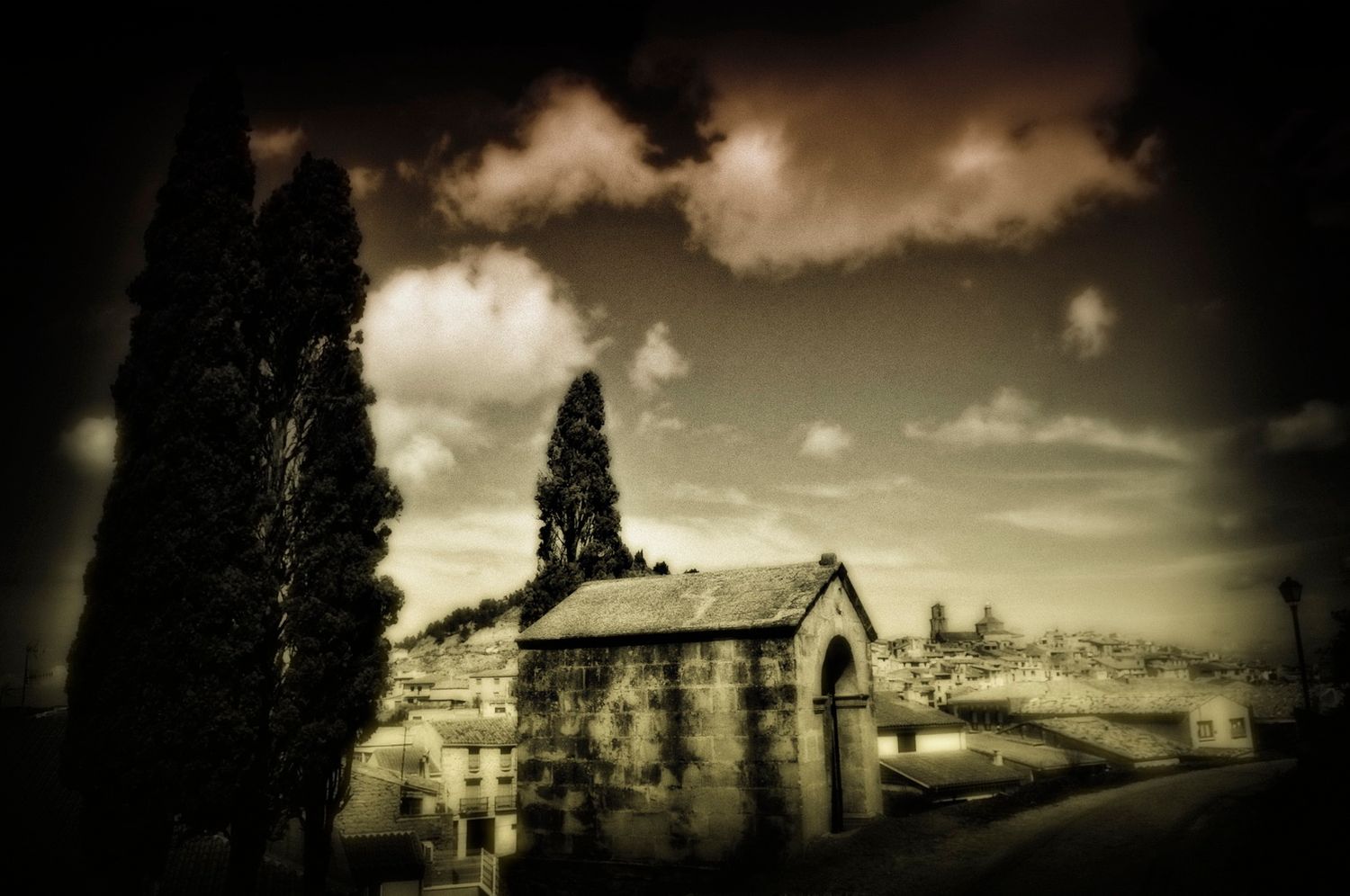
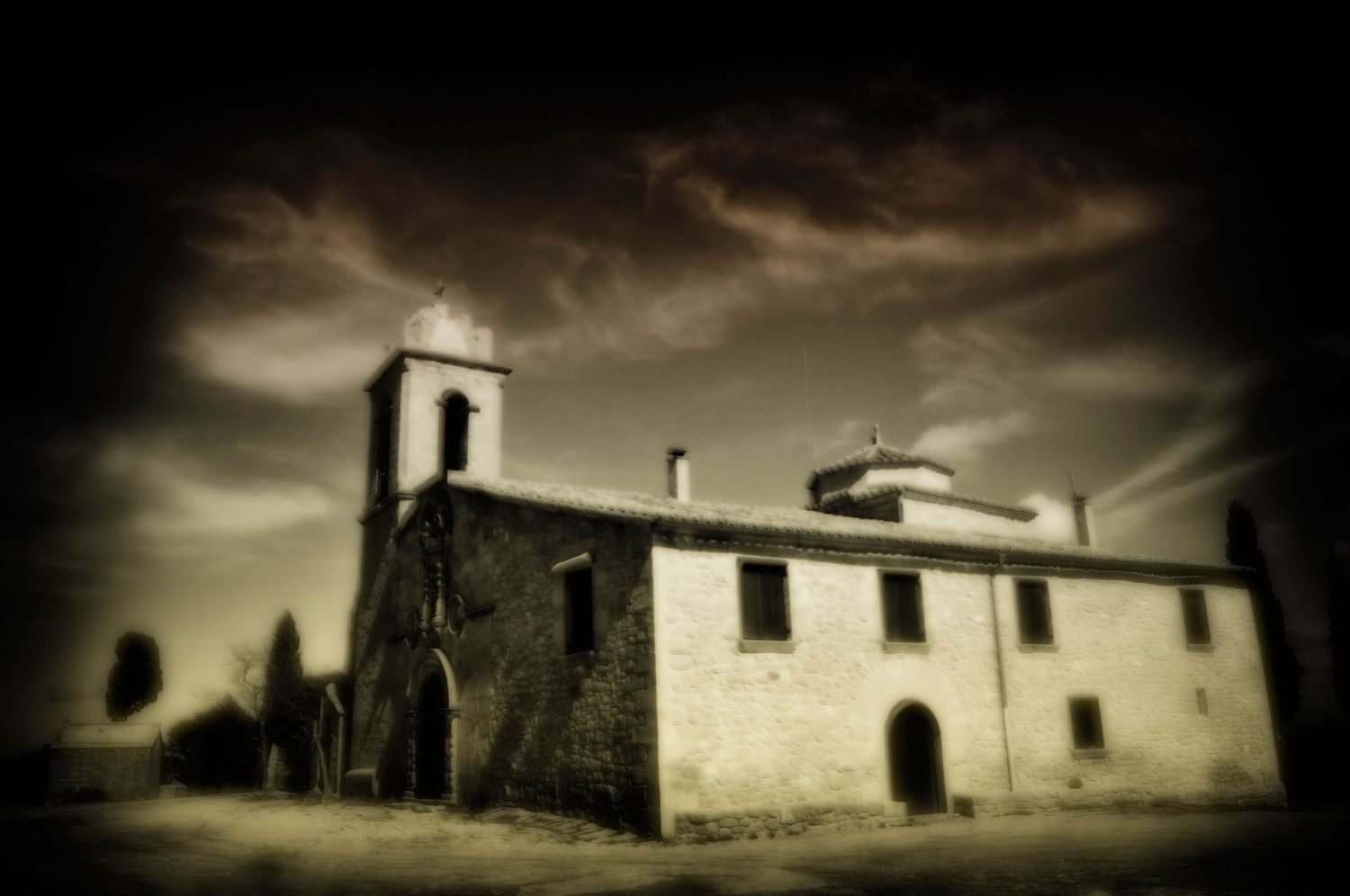
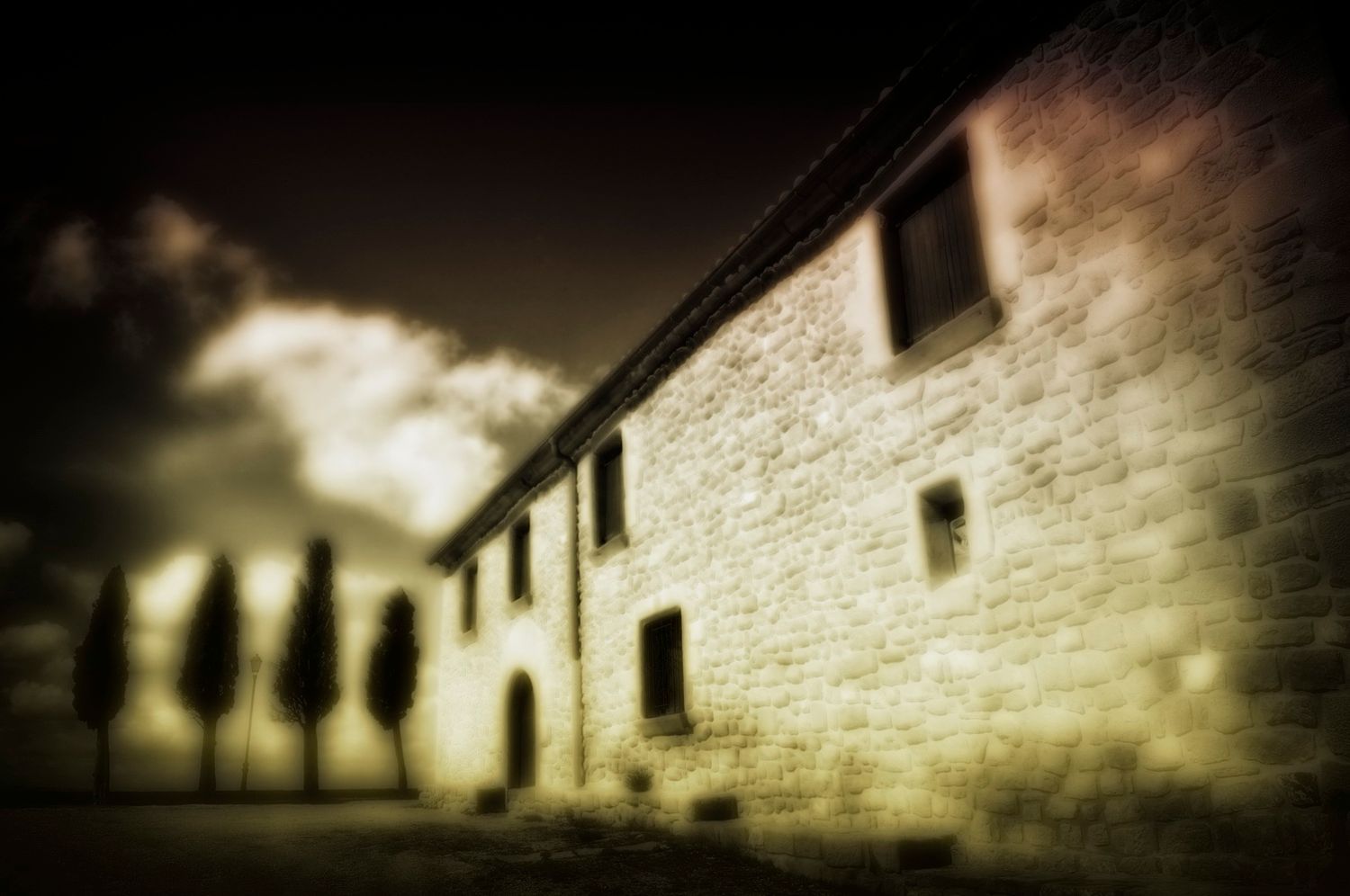
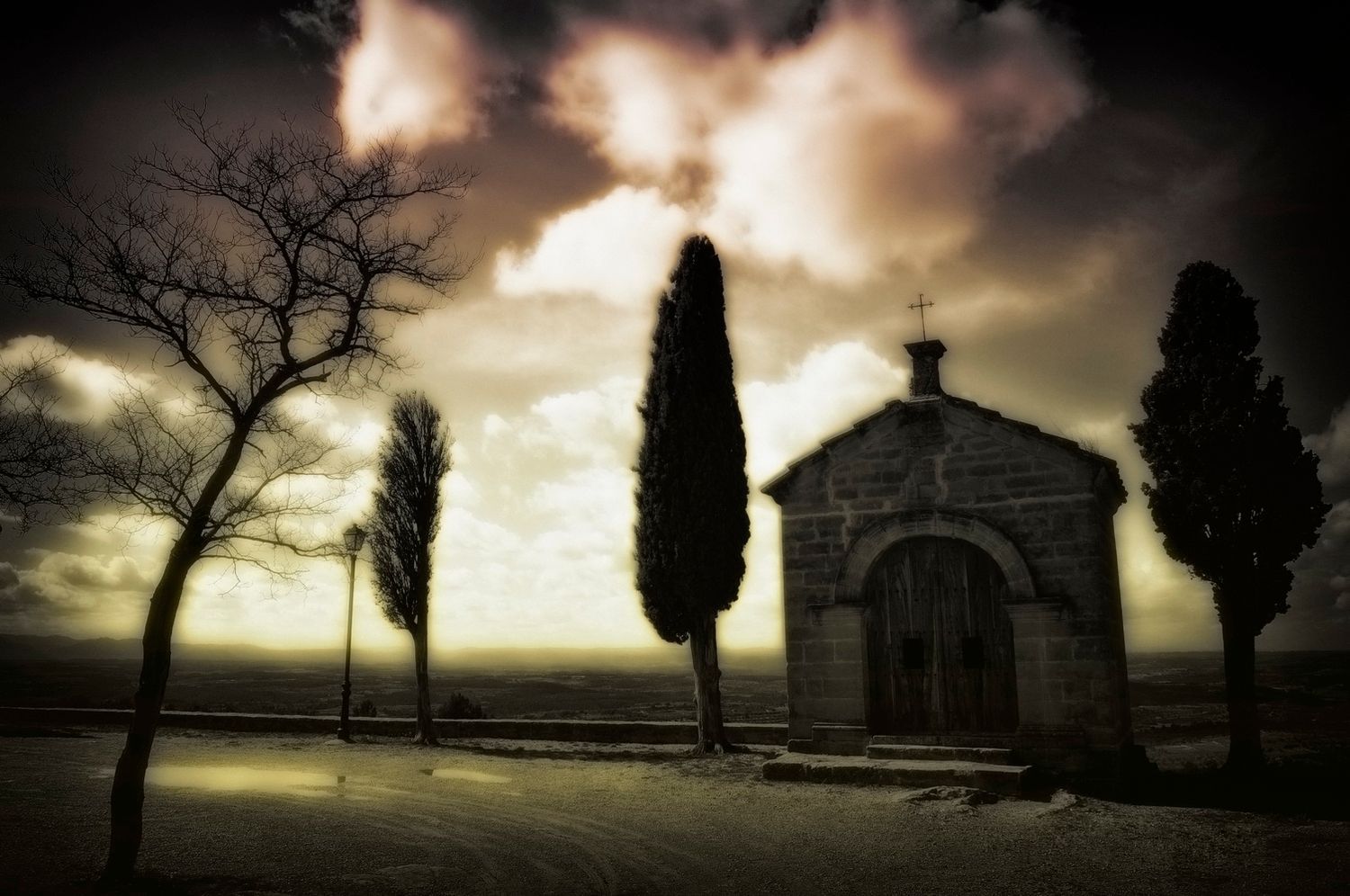
When I first began traveling through rural Spain, I noticed small chapels appearing in the most unexpected places—on distant hilltops, beside quiet country roads, or hidden among trees far from any village. They were never grand, yet they seemed to belong exactly where they stood, watching over the landscape with quiet certainty.
At first, I photographed them simply because they were beautiful. Over time, I realized they were much more than picturesque buildings. These small chapels, known as ermitas, have long been places of prayer, pilgrimage, and reflection, woven into the lives of the communities around them.
Many open only once or twice a year, when families walk together in pilgrimage, gather for Mass, share a meal, and continue traditions repeated for generations. For the rest of the year, they stand quietly above the fields, waiting for people to return.
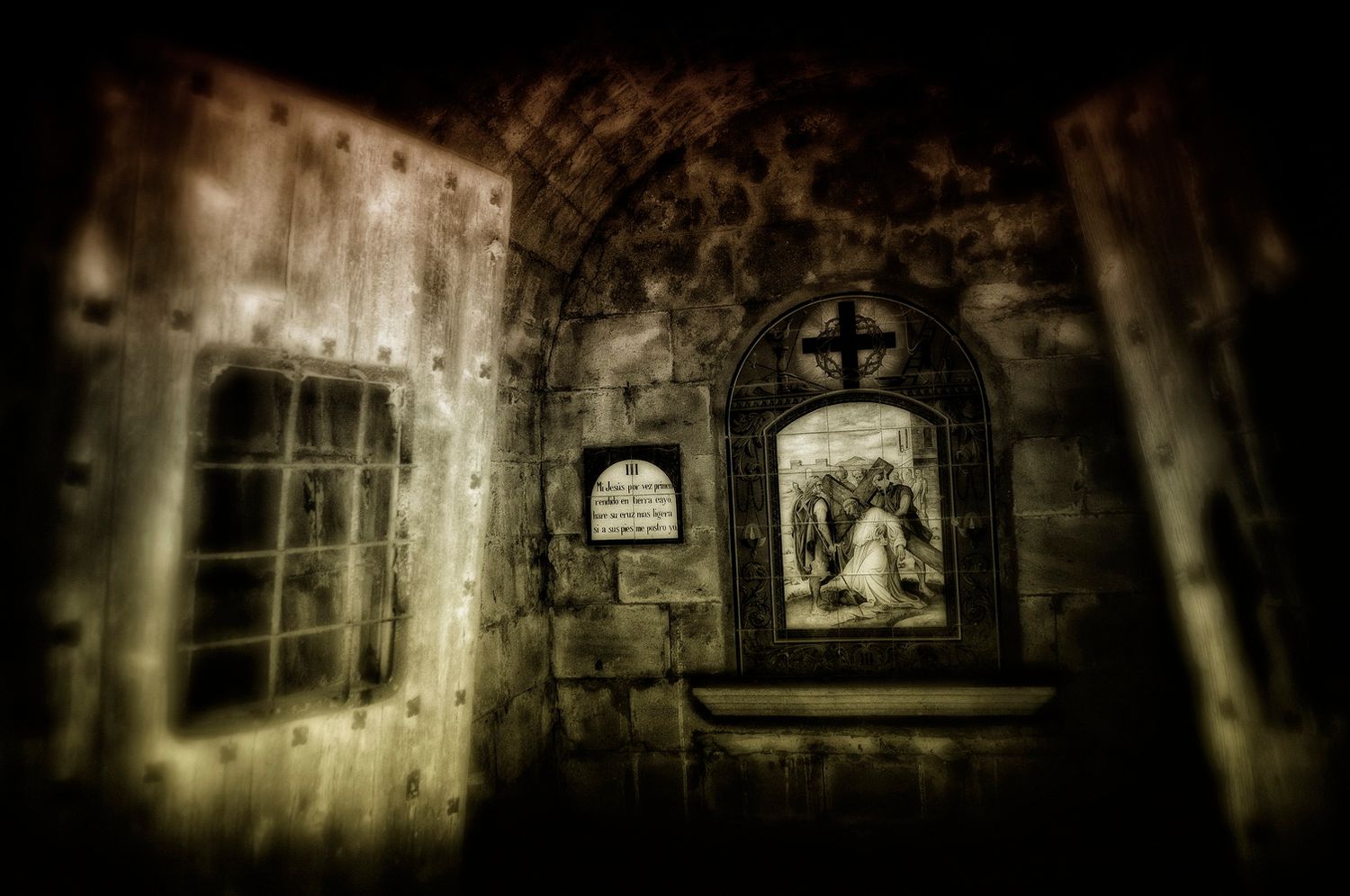
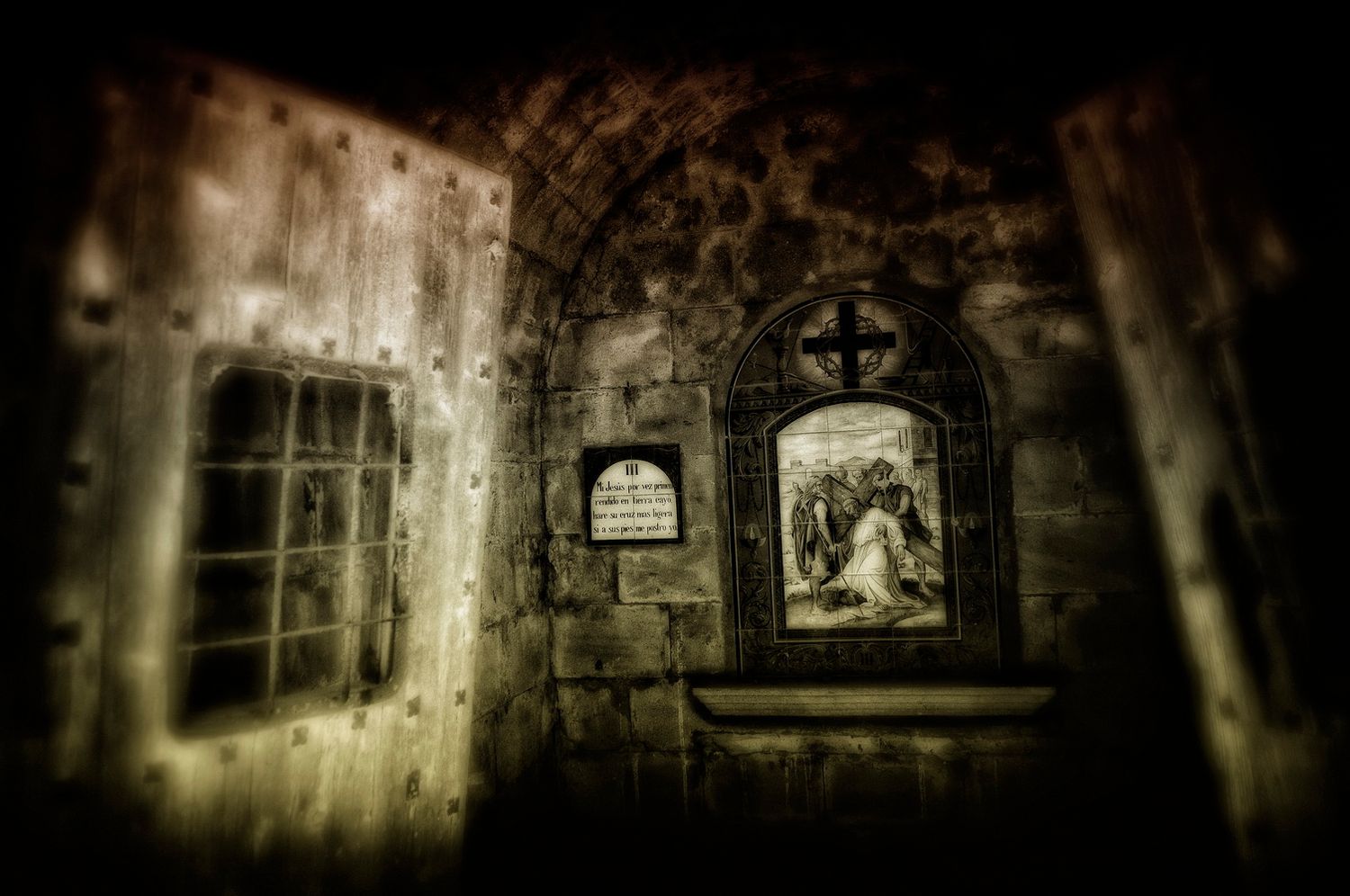
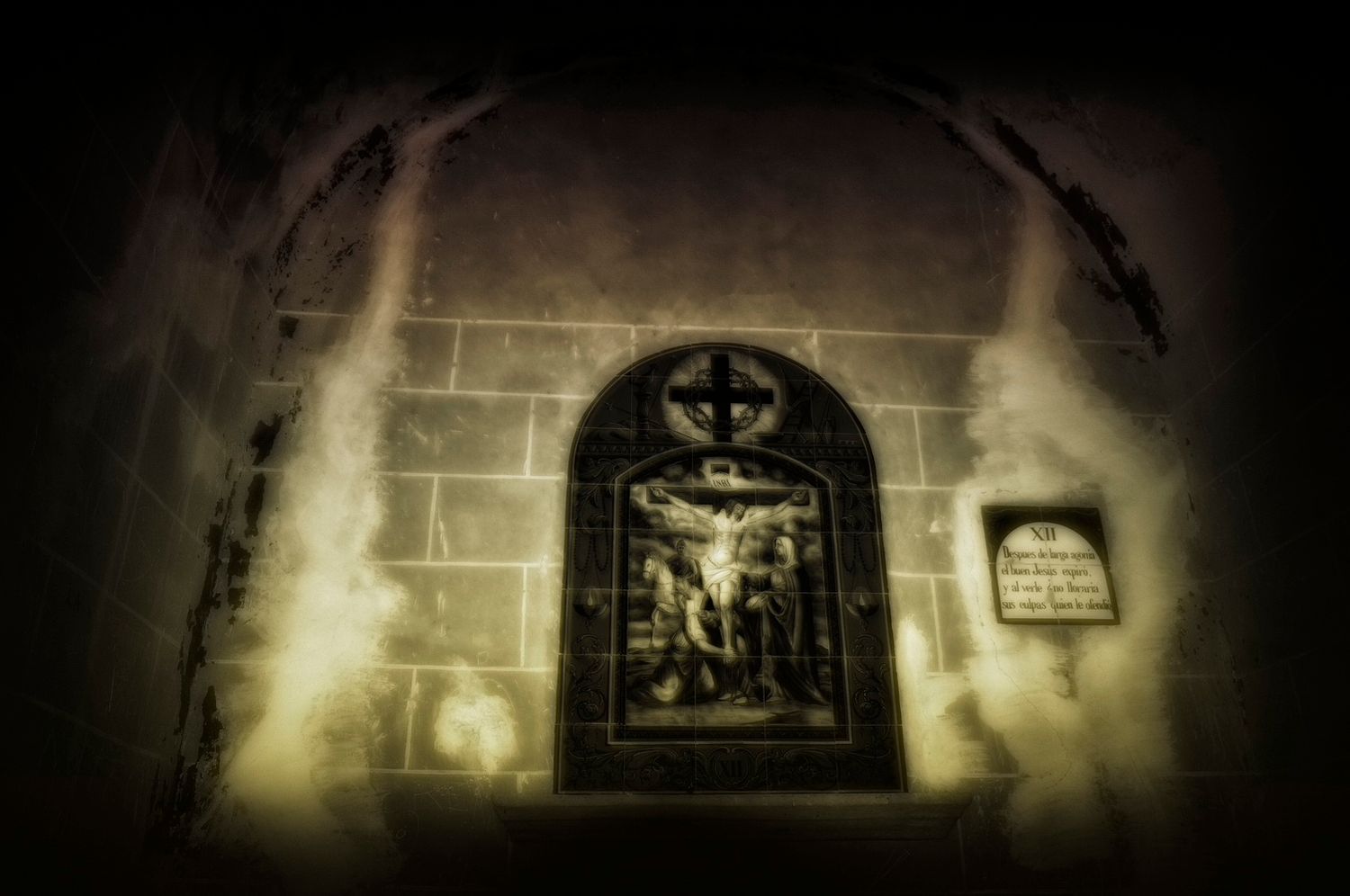
What drew me back to them was their simplicity. Whitewashed walls. Worn stone. A modest bell tower. A few candles flickering inside. Nothing seemed designed to impress. Everything felt built for devotion.
As I photographed these quiet places, I found myself thinking less about the buildings than about the people who had passed through them. They had witnessed prayers offered in hope, promises exchanged, and moments of gratitude, grief, and celebration.
Perhaps that is why ermitas continue to draw me. They remind me that the most meaningful places are not always the grandest, but the ones that quietly become part of people's lives.
Looking Closer
The word ermita comes from the Latin eremita, meaning "hermit." For centuries, these small chapels have been built in quiet, often remote locations where solitude, prayer, and reflection were as important as the buildings themselves.
Spain is home to thousands of ermitas, many dating back hundreds of years. Some remain active places of worship, while others open only during annual pilgrimages and village festivals, when communities return to celebrate traditions passed from one generation to the next.