Monasterio de Piedra · Sanctuary
In Search of Silence
I didn't come looking for silence.
I discovered how much
I needed it.
Monasterio de Piedra · Sanctuary · In Search of Silence
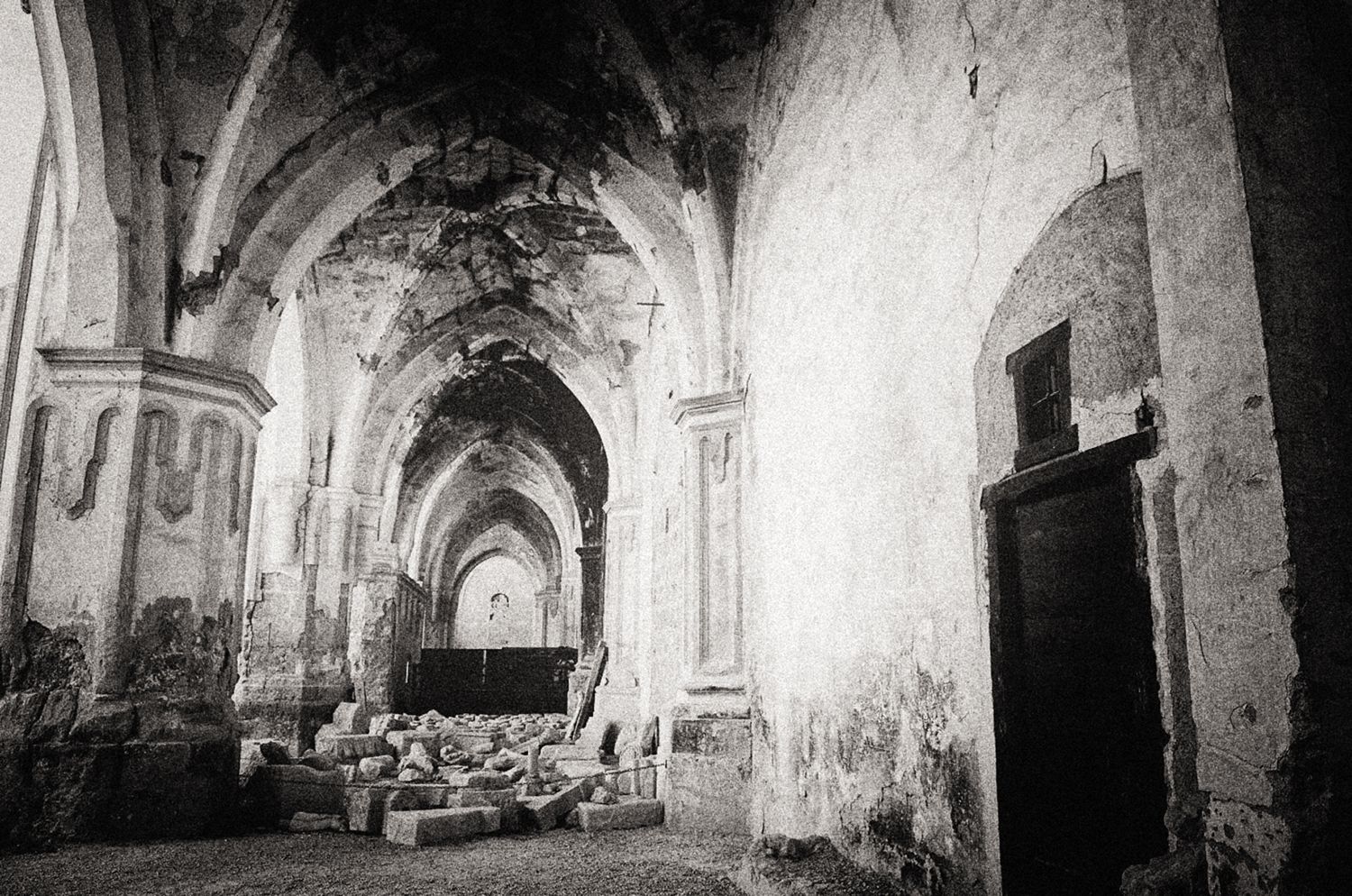
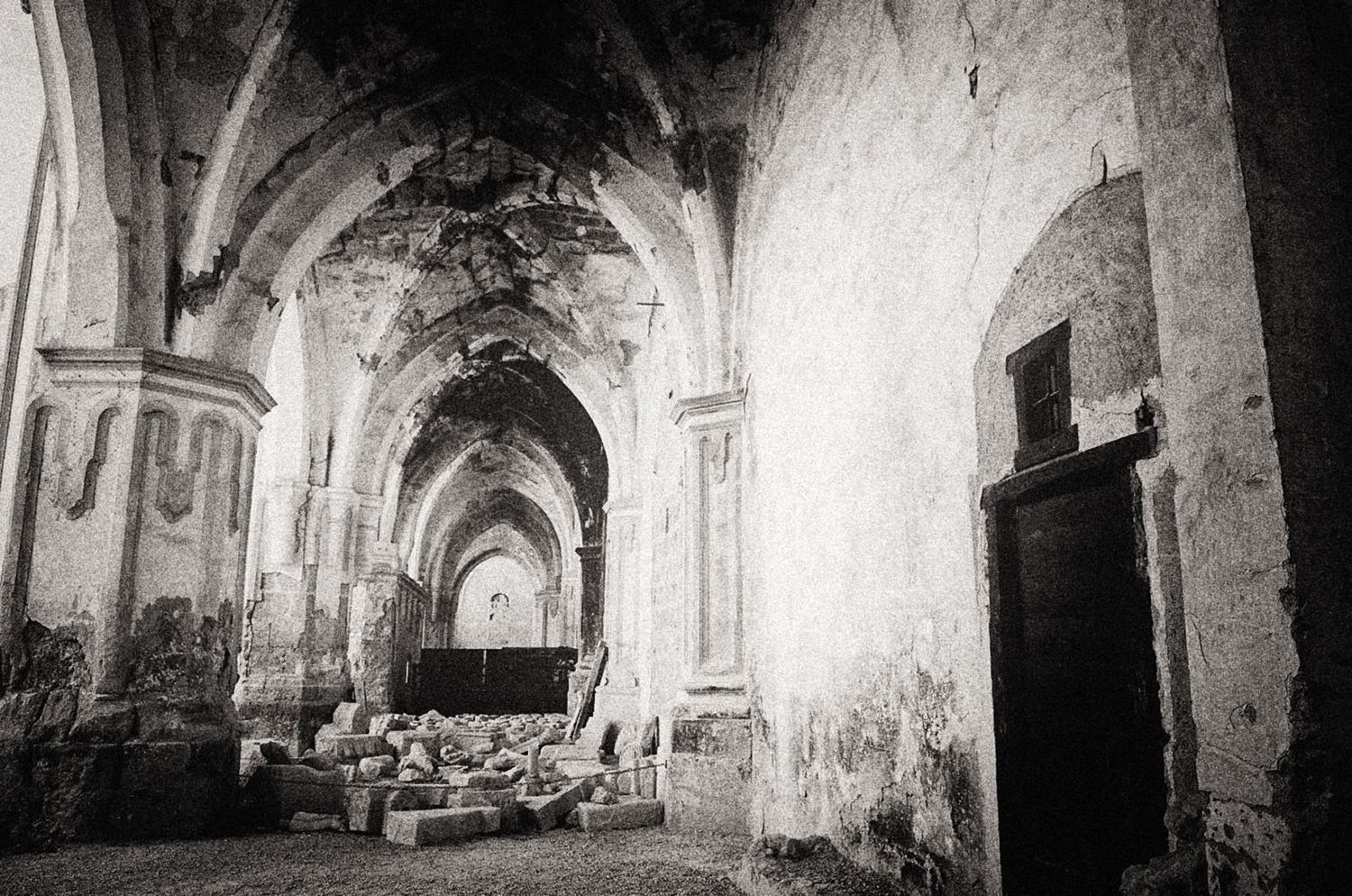
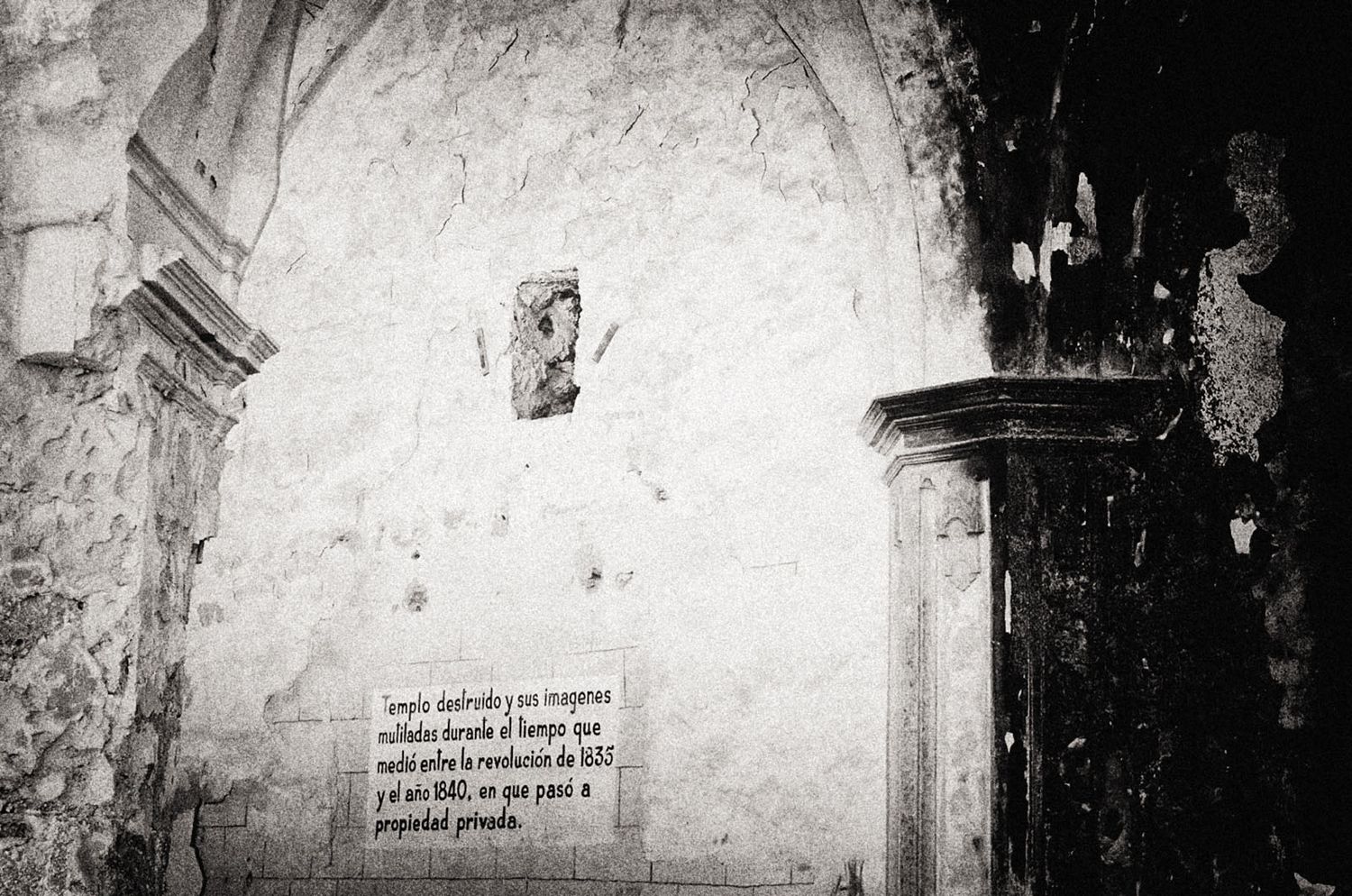
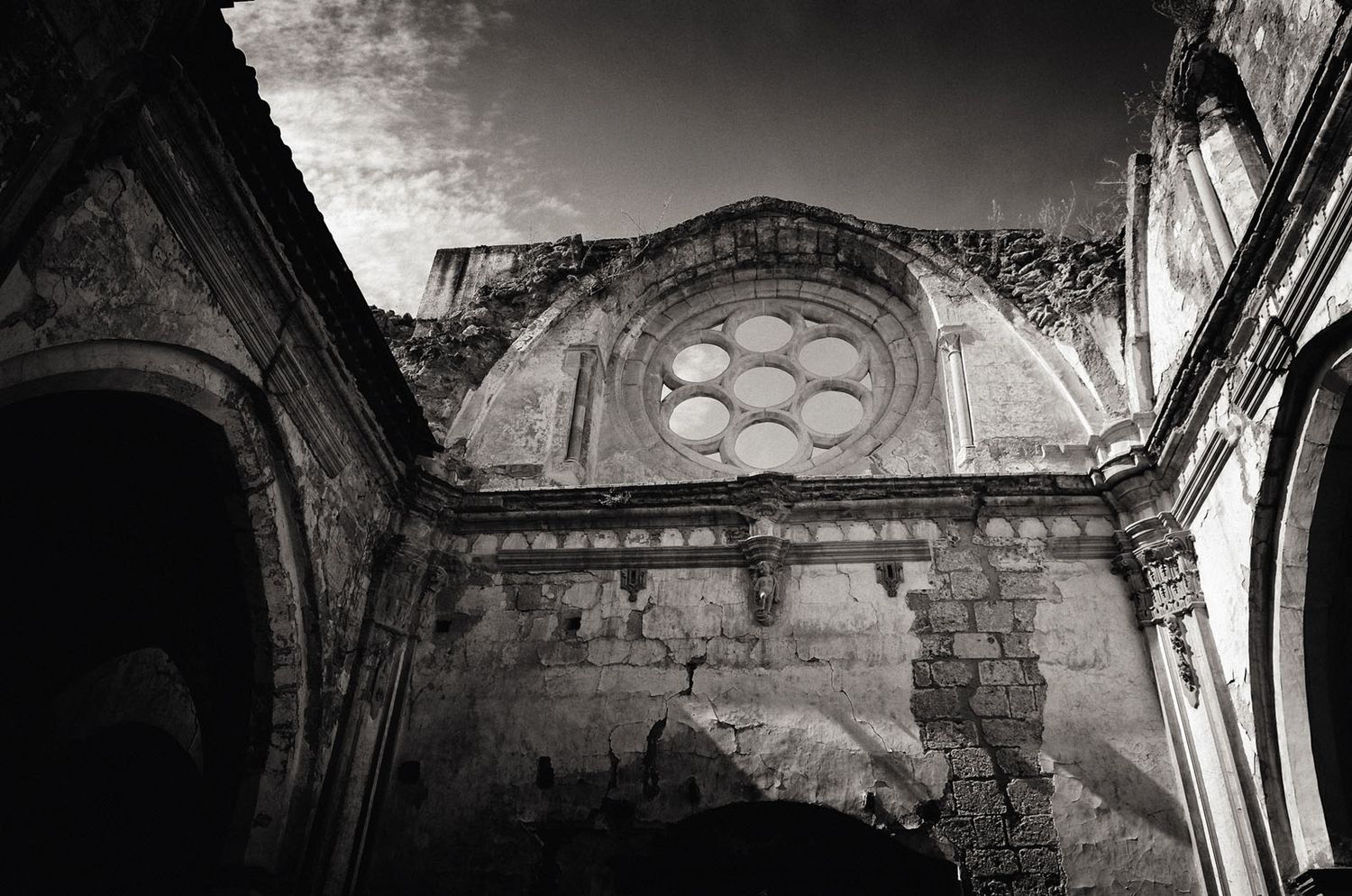
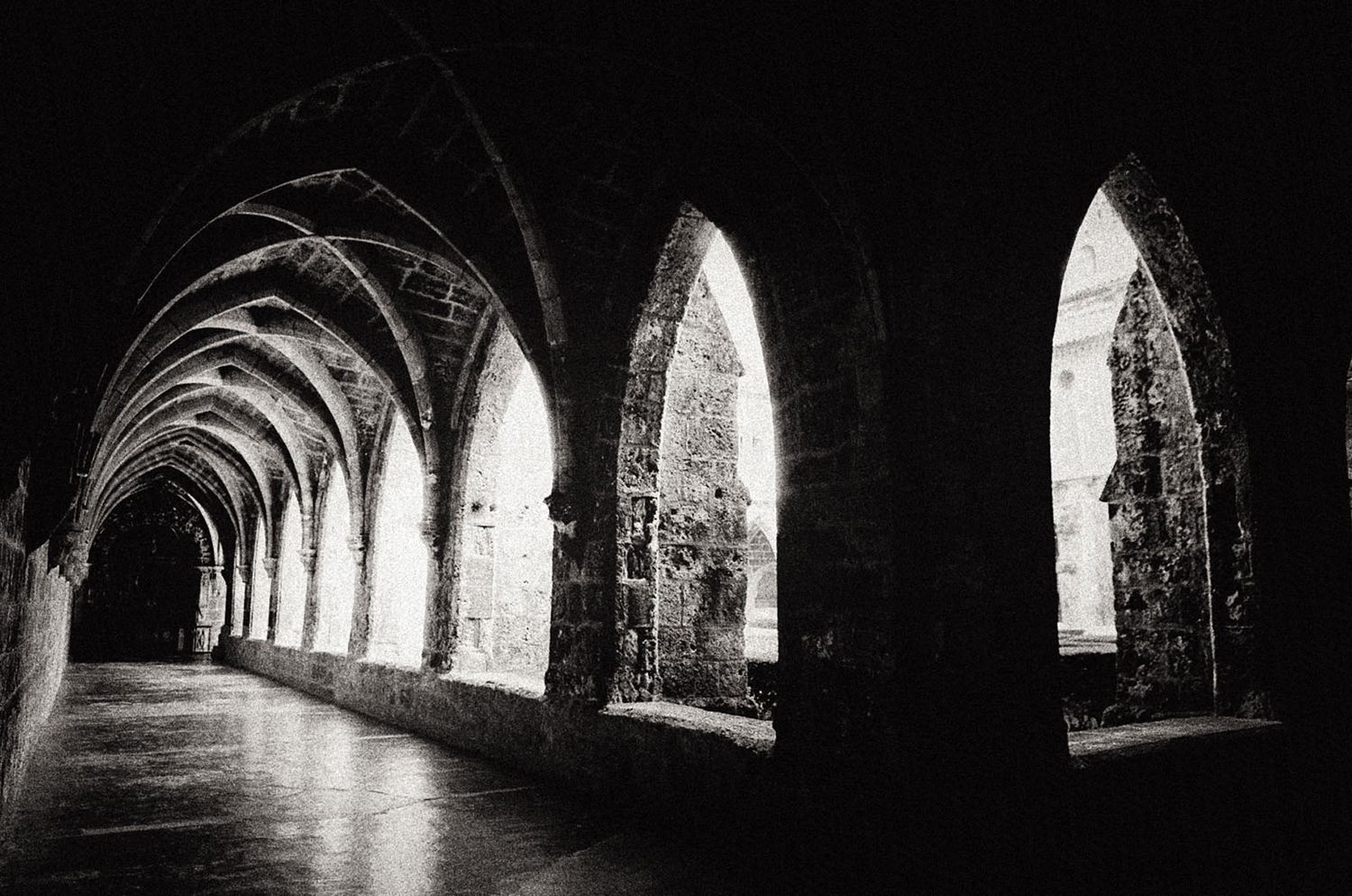
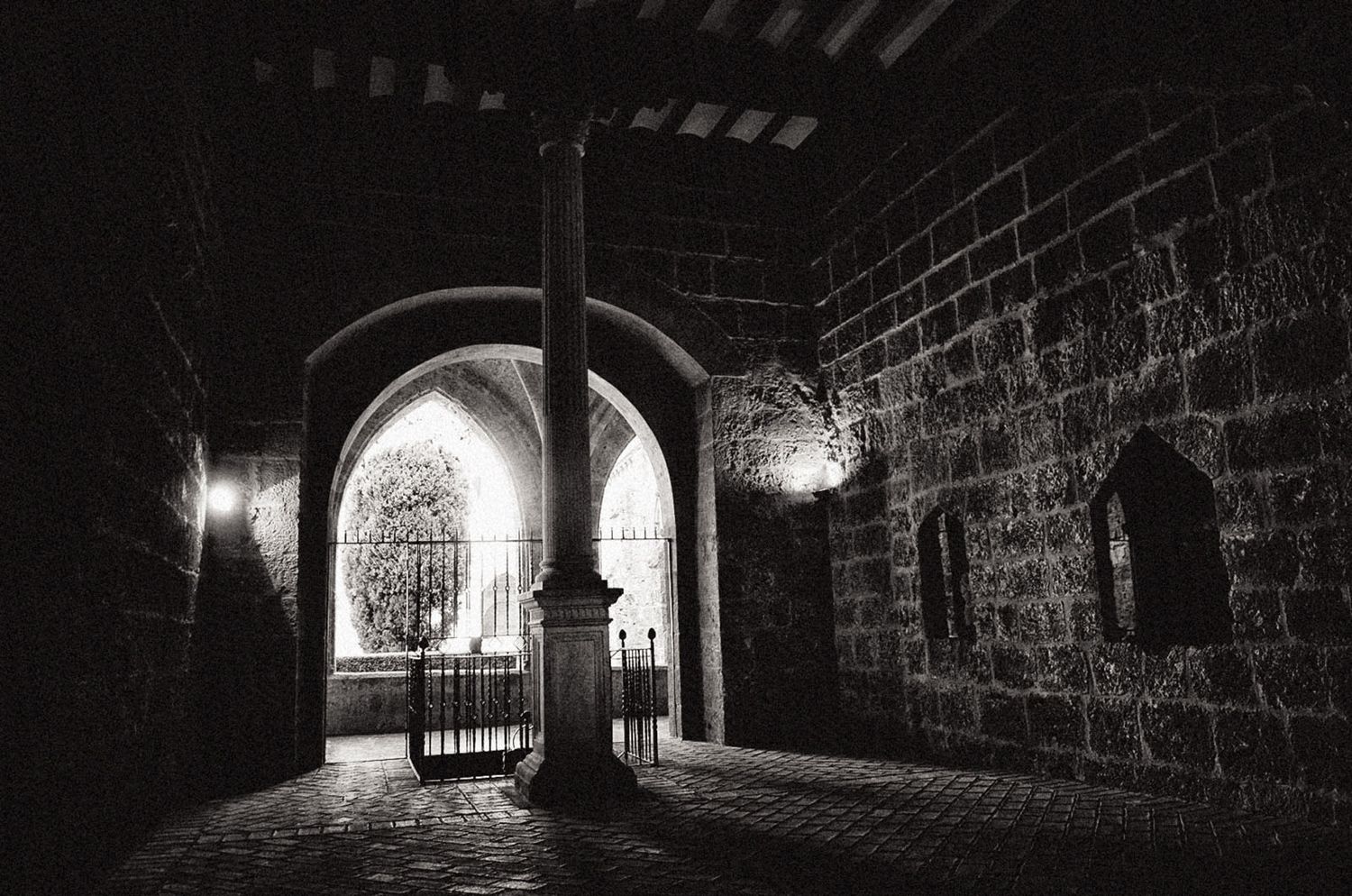
Walking into Monasterio de Piedra, I instinctively lowered my voice. Light filtered through centuries-old arches, illuminating walls that had witnessed generations of monks, pilgrims, and travelers. Although the monastery has changed many times throughout its history, it never felt abandoned. It felt remembered.
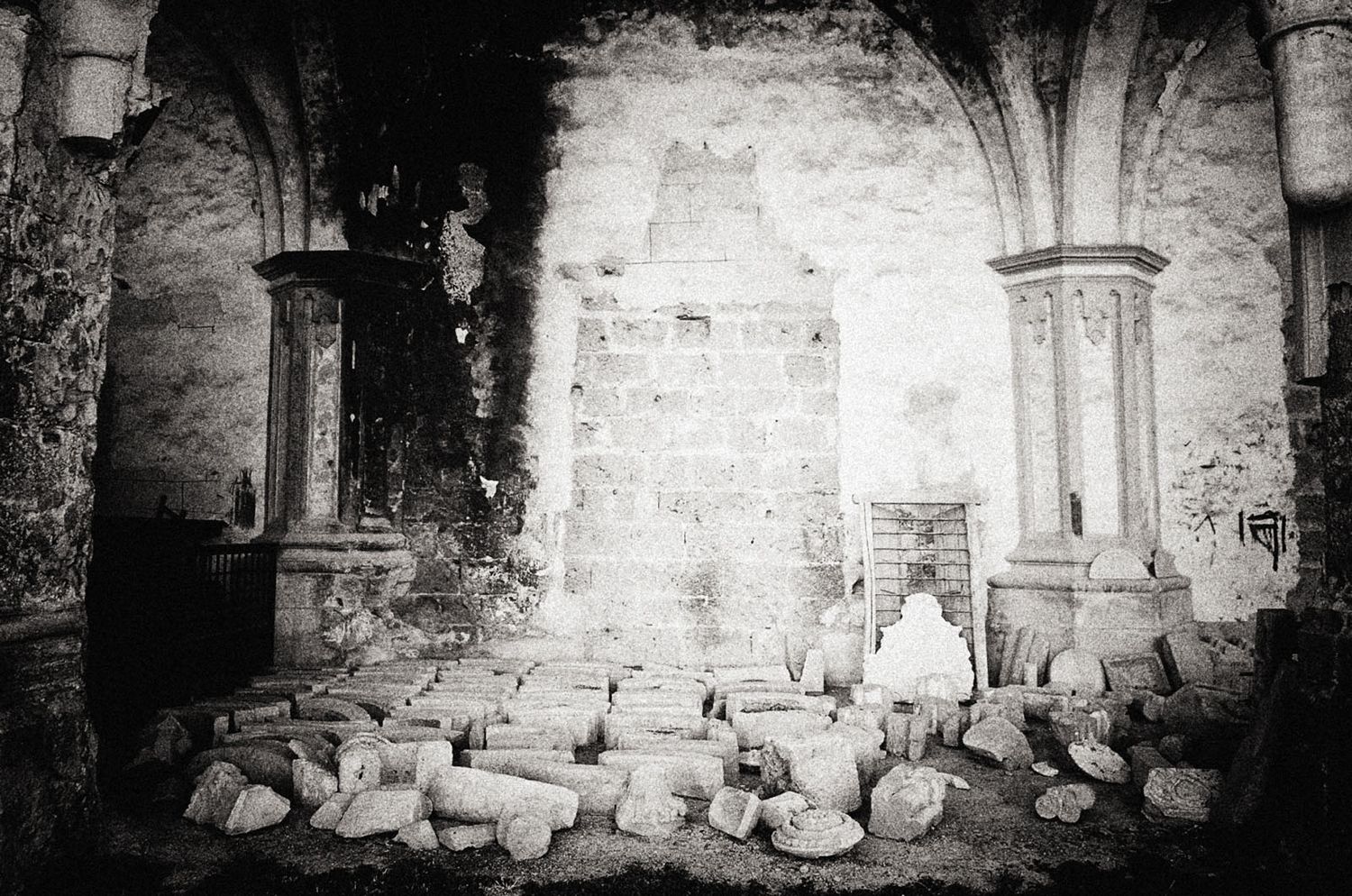
As I wandered through the cloisters and quiet halls, I realized I wasn't photographing ruins. I was photographing endurance. The people who once lived here had long since disappeared, yet the building continued to carry their presence. The stone seemed to hold their footsteps, their prayers, and the quiet rhythm of everyday life.
Outside, the landscape told the same story in a different language.
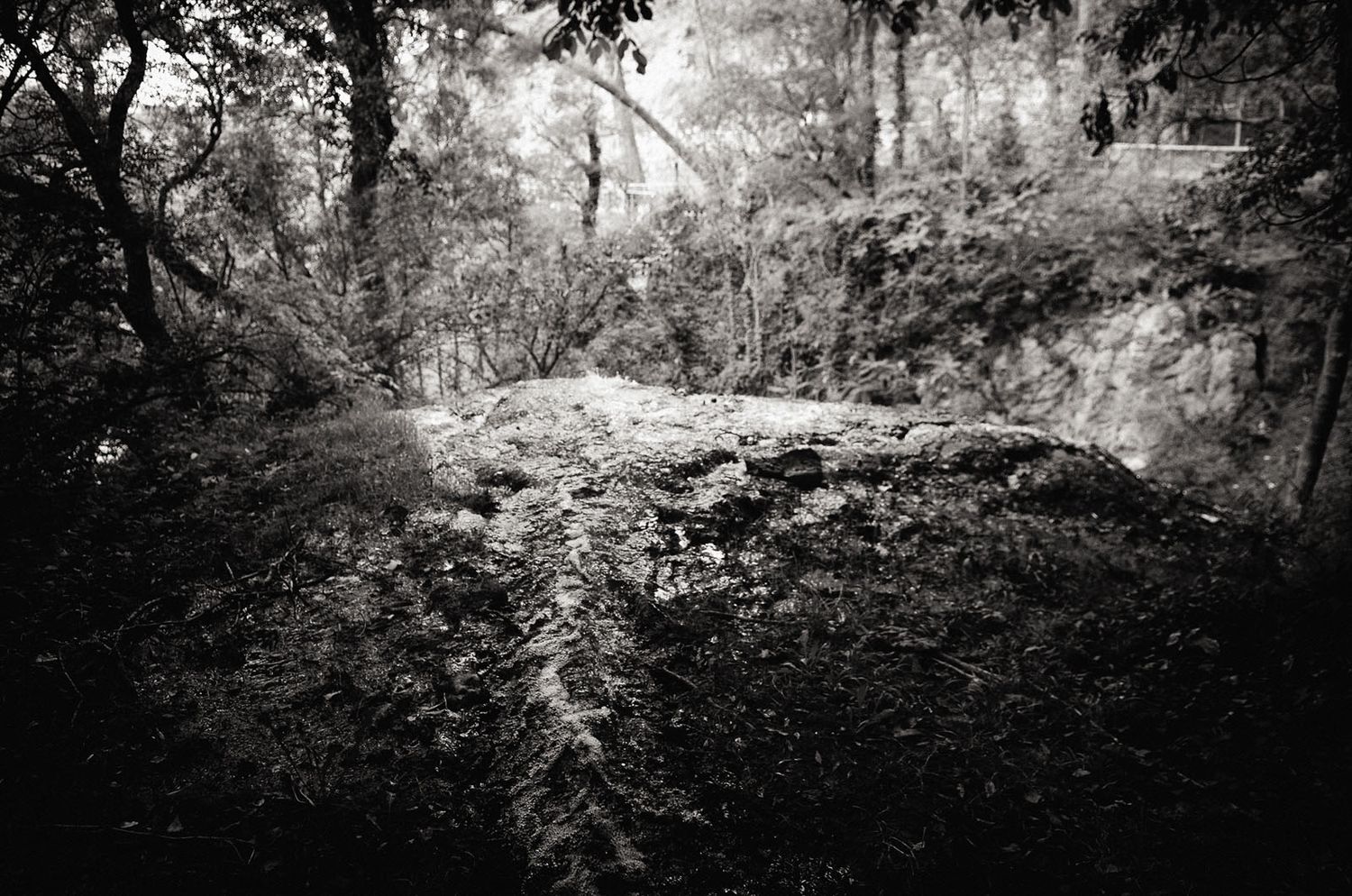
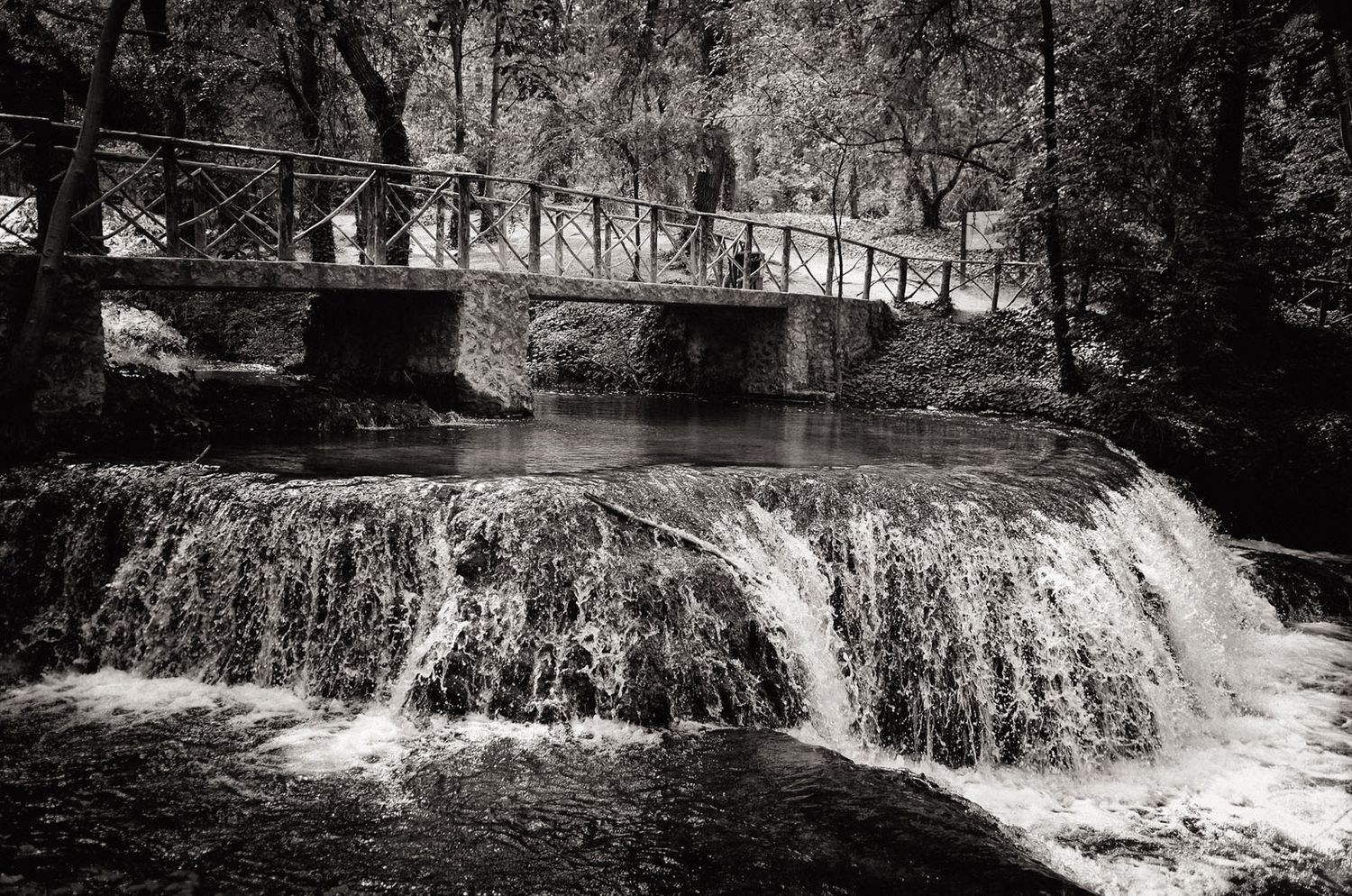
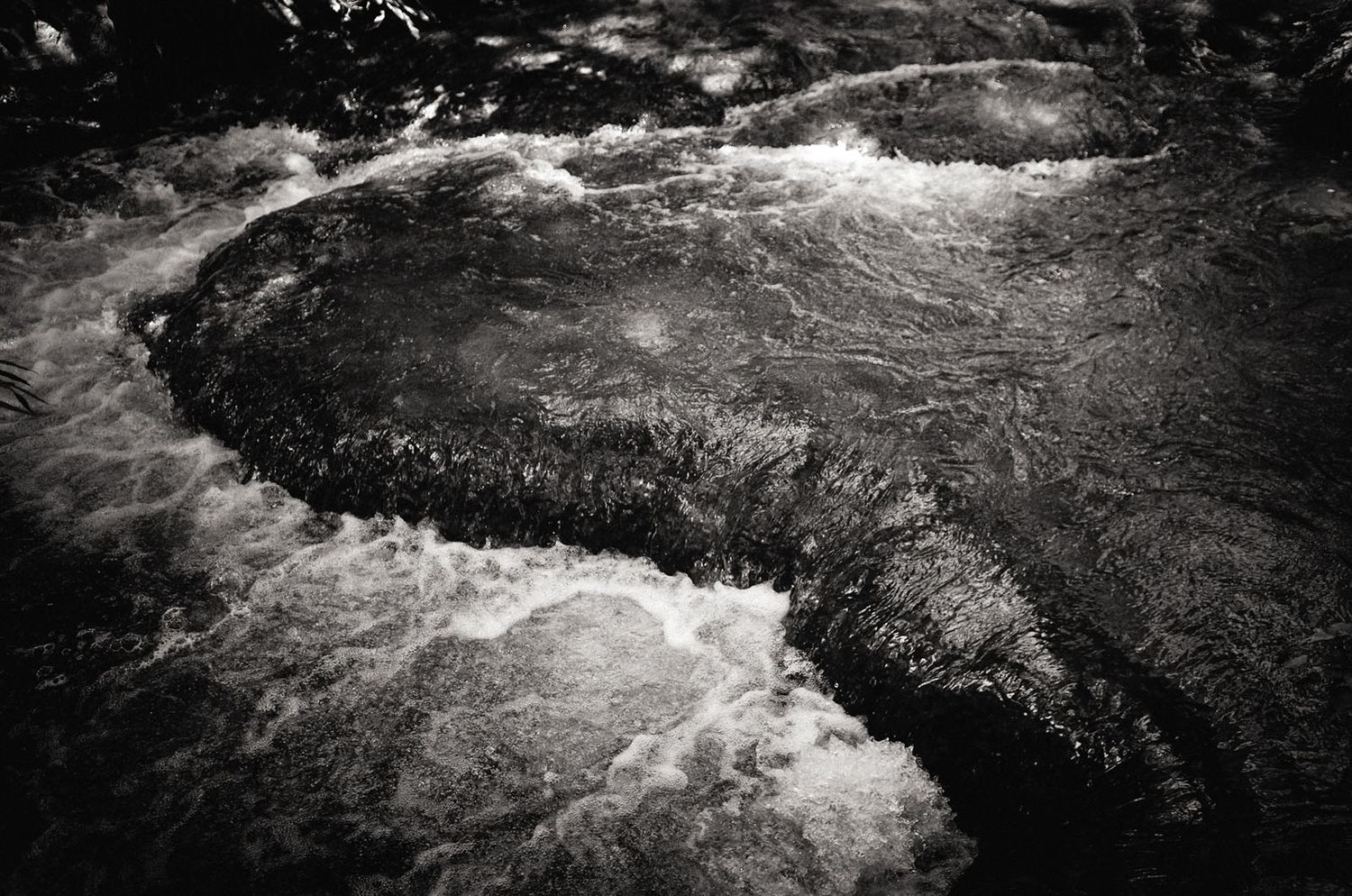
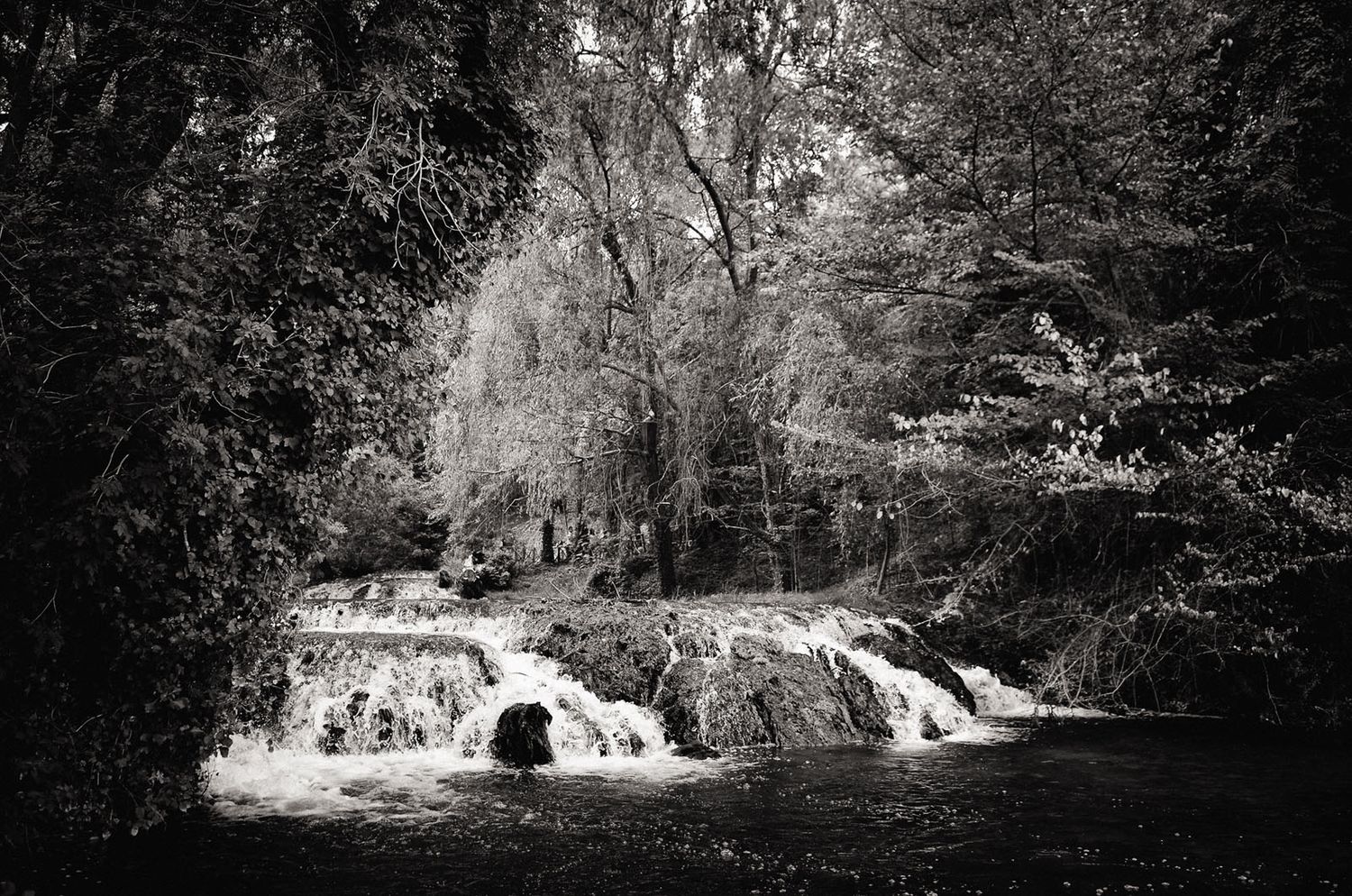
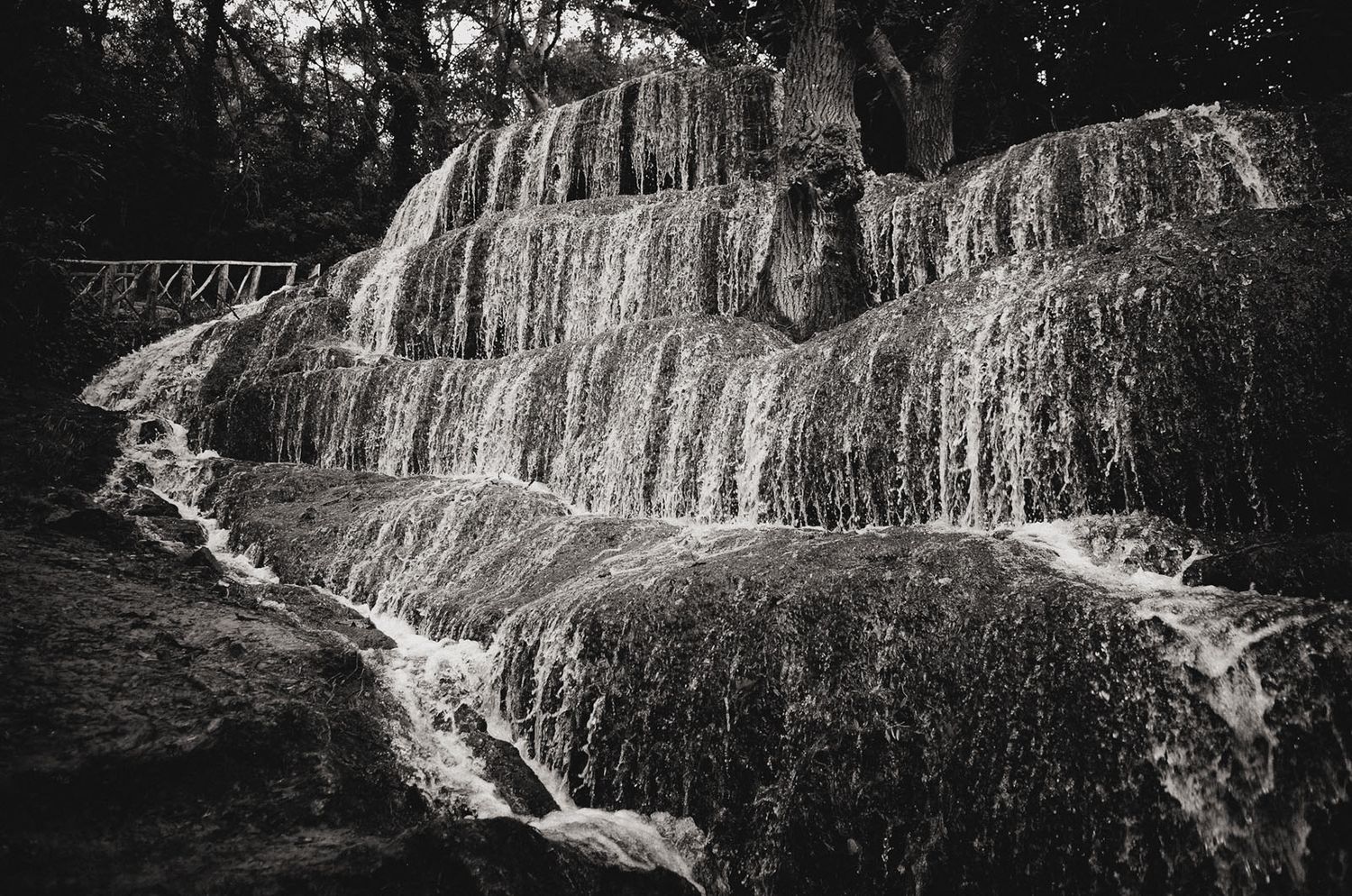
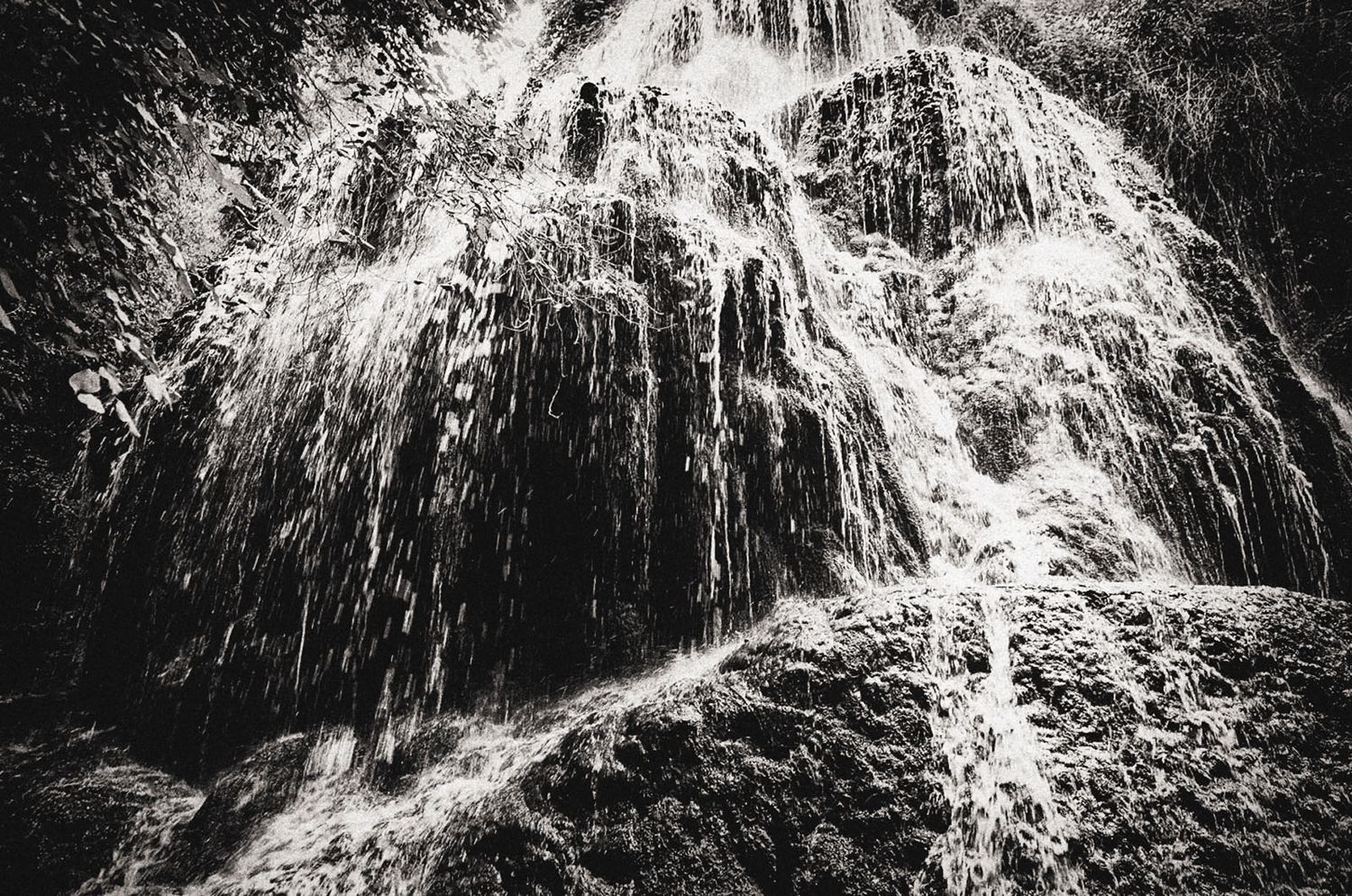
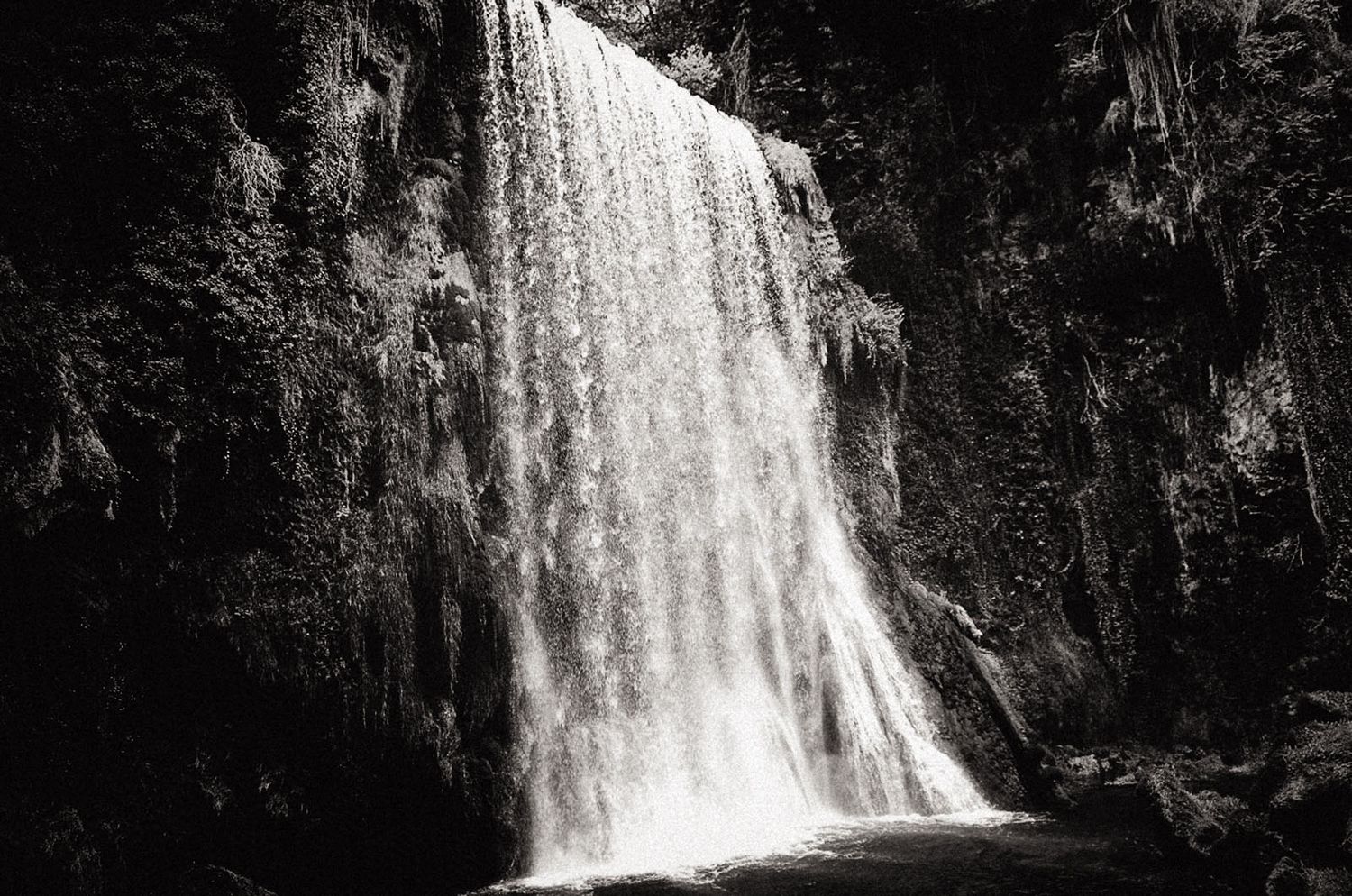
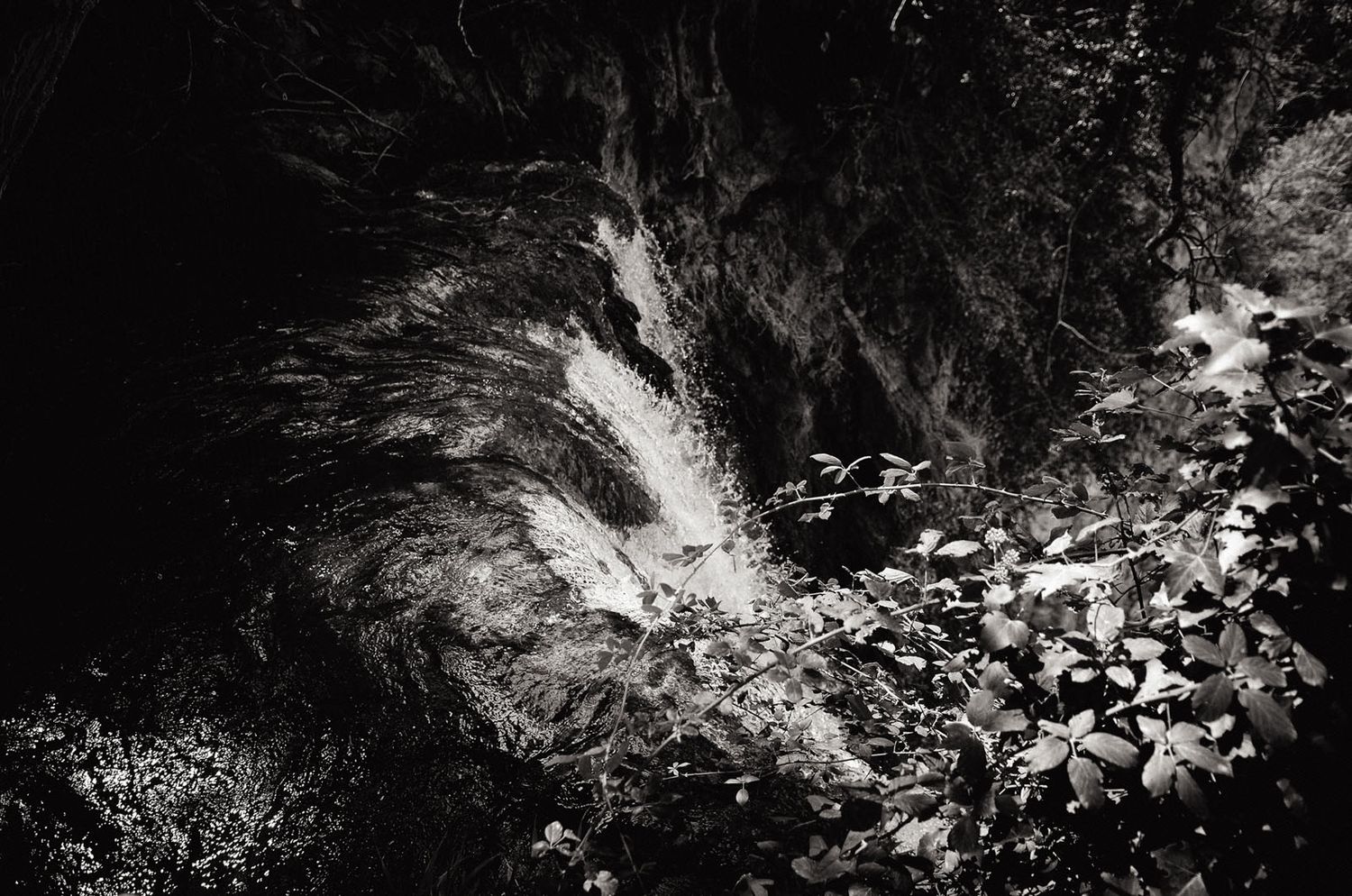
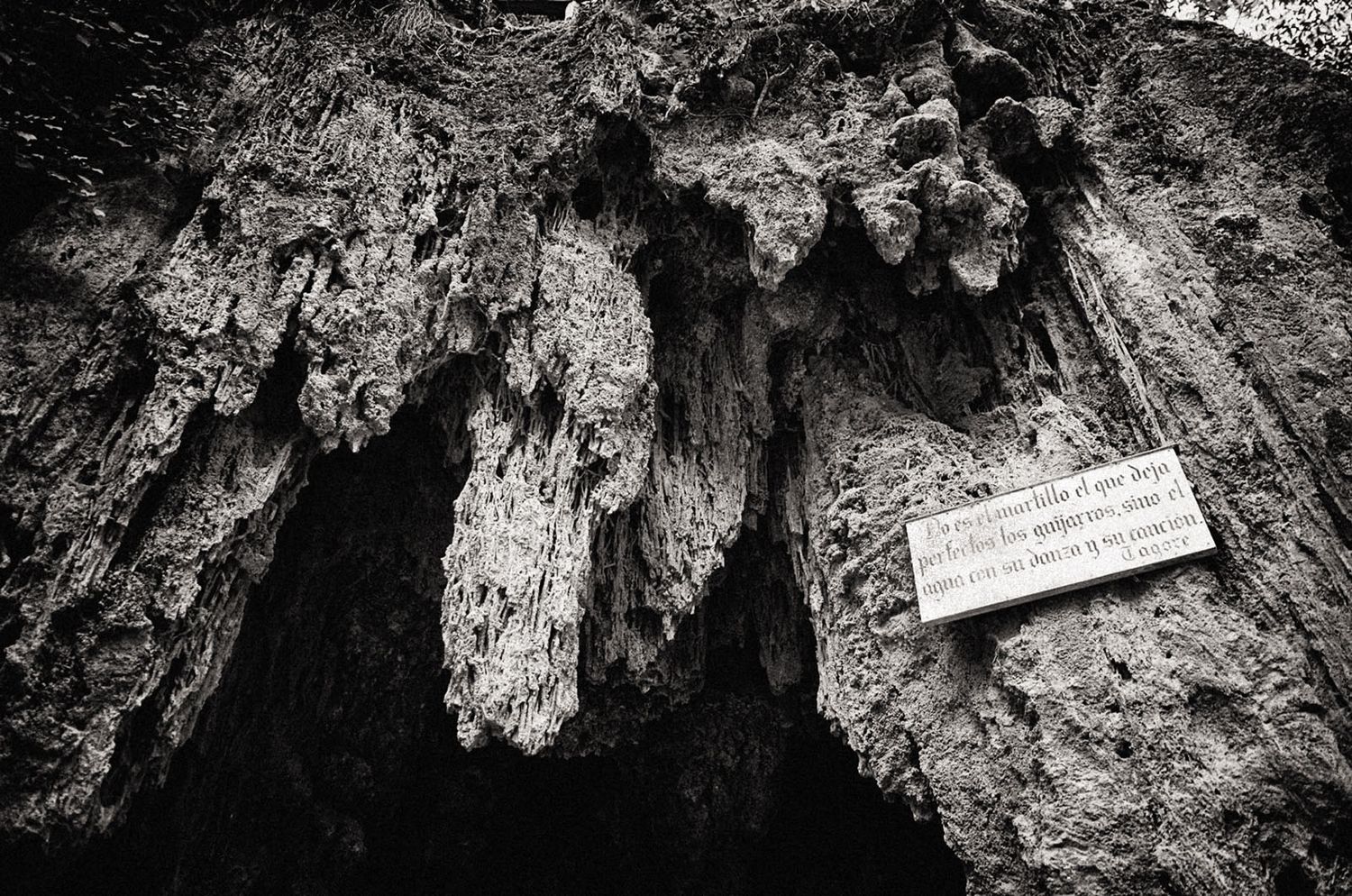
Water flowed over limestone terraces exactly as it had for thousands of years. Hidden caves, waterfalls, and forest paths reminded me that while history often feels fragile, nature measures time differently. People come and go. Buildings rise and fall. The river simply keeps flowing.
When I first moved to Spain, I slowly began to appreciate a different rhythm of life. Photography became less about producing images and more about paying attention—observing quietly, lingering a little longer, and allowing places to reveal themselves rather than rushing through them.
Standing in the monastery, I realized why it stayed with me long after I left. It wasn't only because it was beautiful.
It was because it reminded me that stillness has its own purpose. Some places ask us to look more closely. Others simply ask us to be still.
Looking Closer
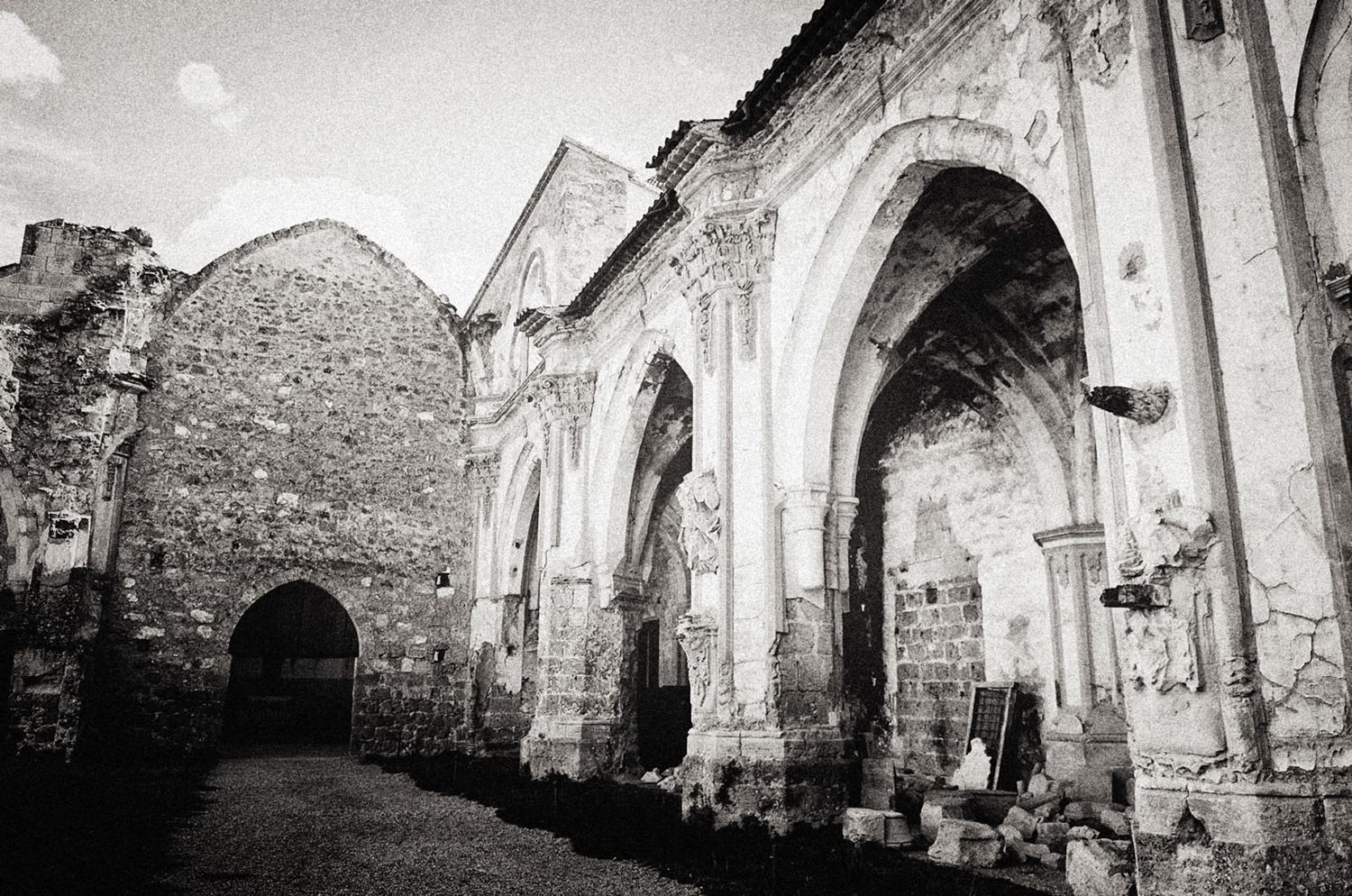
Founded in 1194 by Cistercian monks, Monasterio de Piedra is one of Spain's most remarkable monastic sites. Set within a dramatic natural park in the province of Zaragoza, it combines medieval architecture with waterfalls, caves, and lush gardens shaped by the Piedra River.
Although monastic life ended in the nineteenth century, the monastery remains a place where history, nature, and quiet reflection continue to coexist, welcoming visitors who come not only for its beauty, but also for its sense of peace.