Wonder · Gigantes y Cabezudos
Where Childhood Meets Tradition
Some traditions are first learned through laughter.
Wonder · Gigantes y Cabezudos · Where Childhood Meets Tradition
The first thing I heard was the music. Then came the giants.
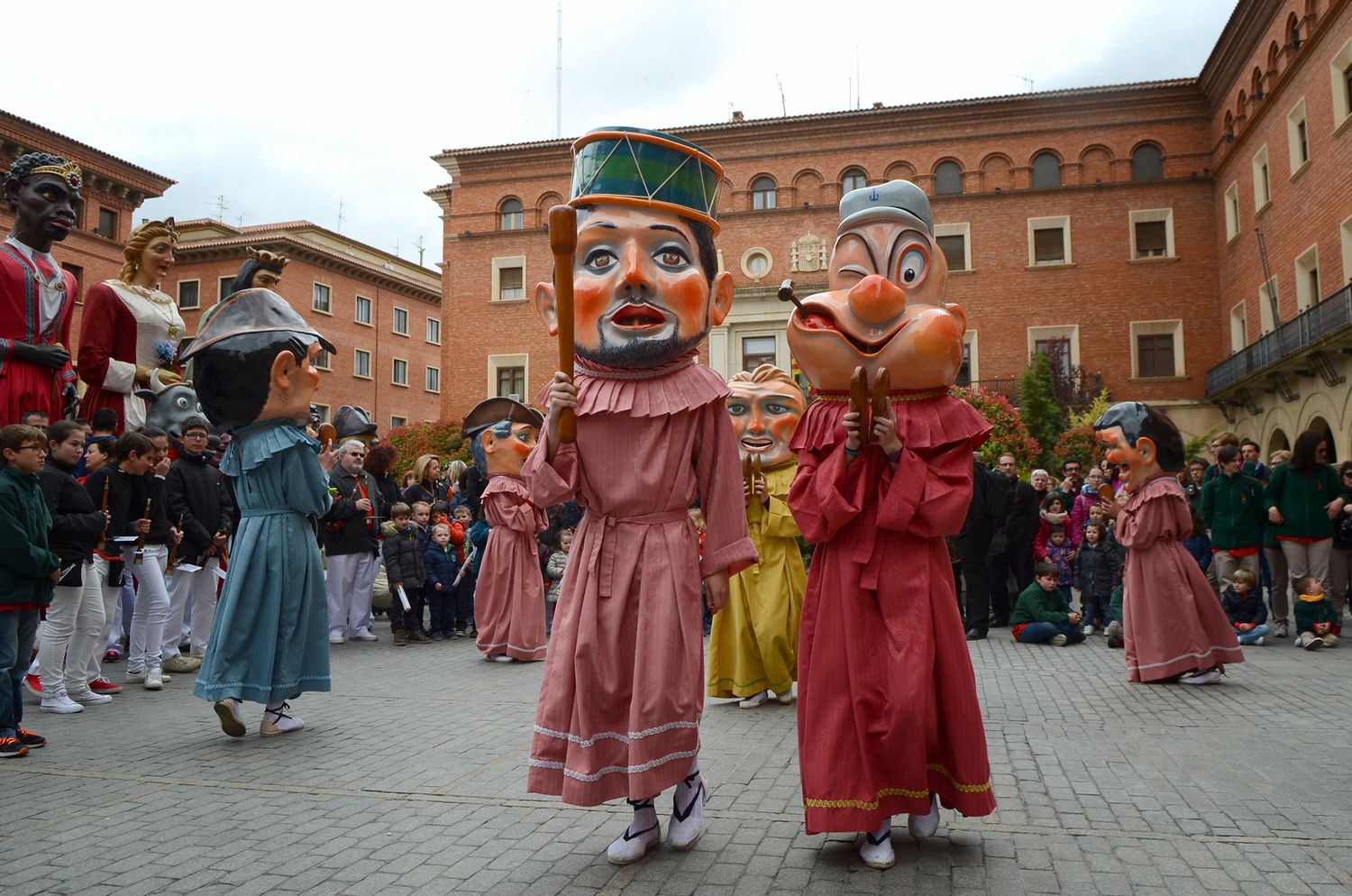
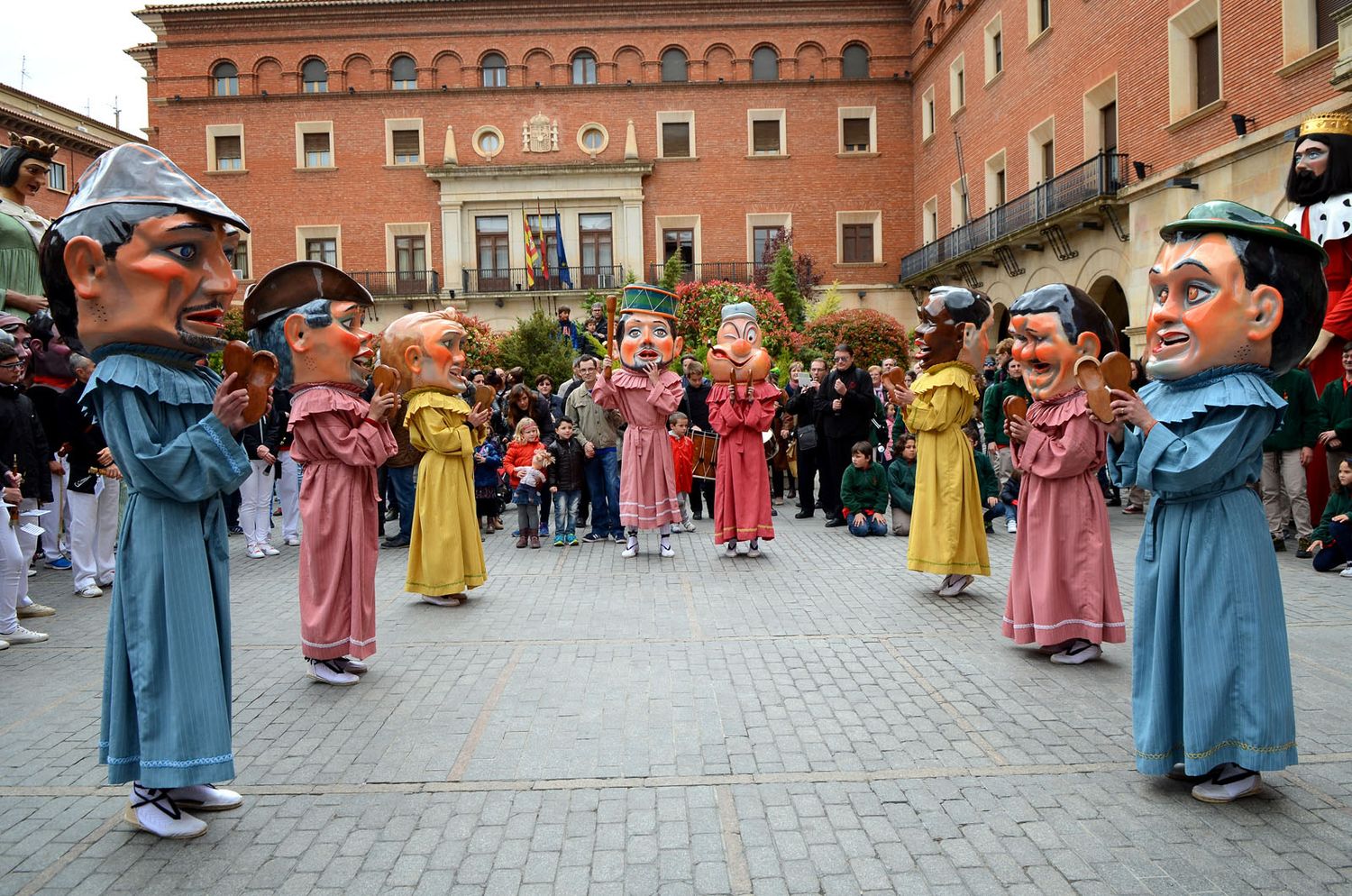
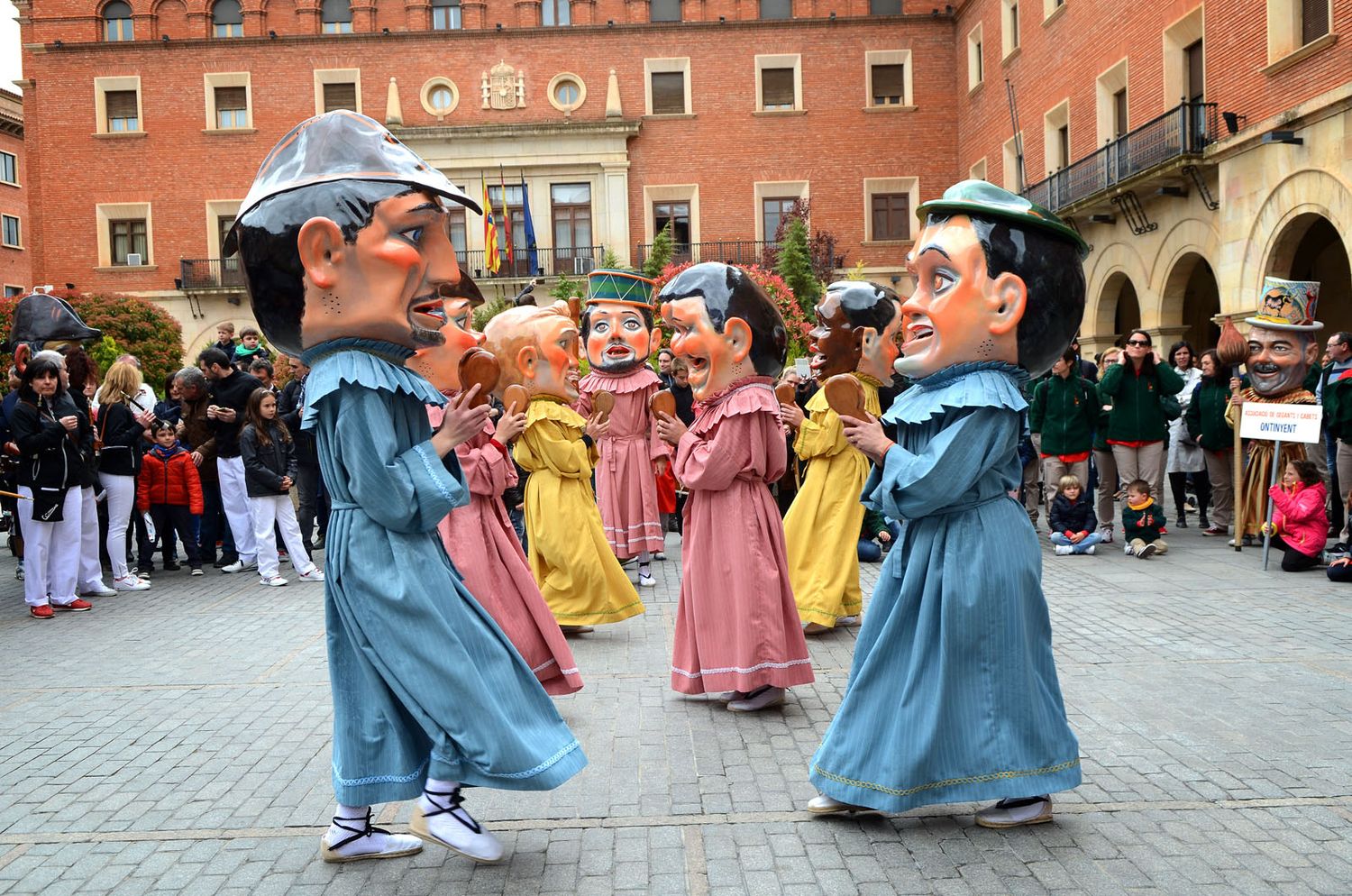
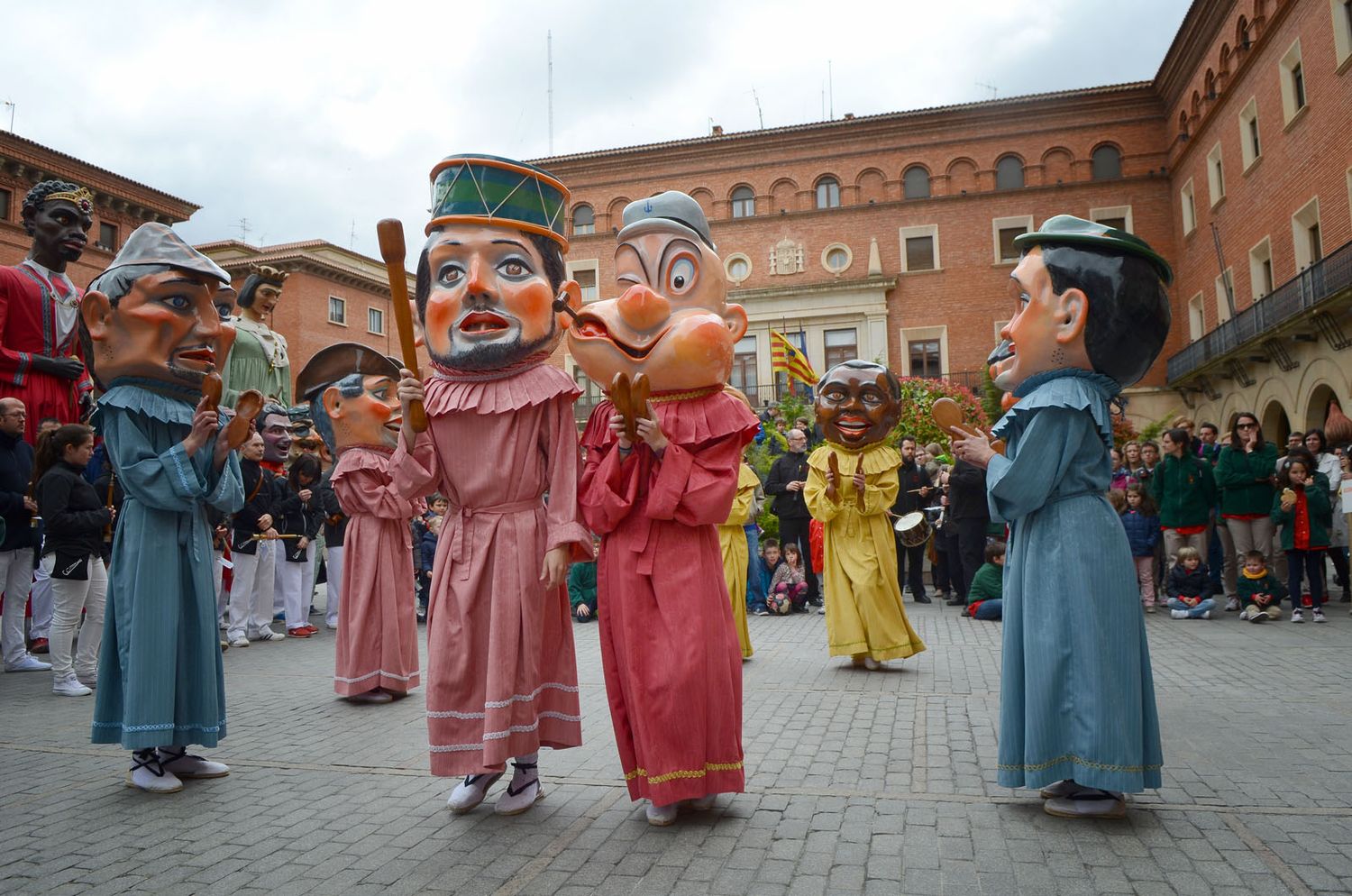
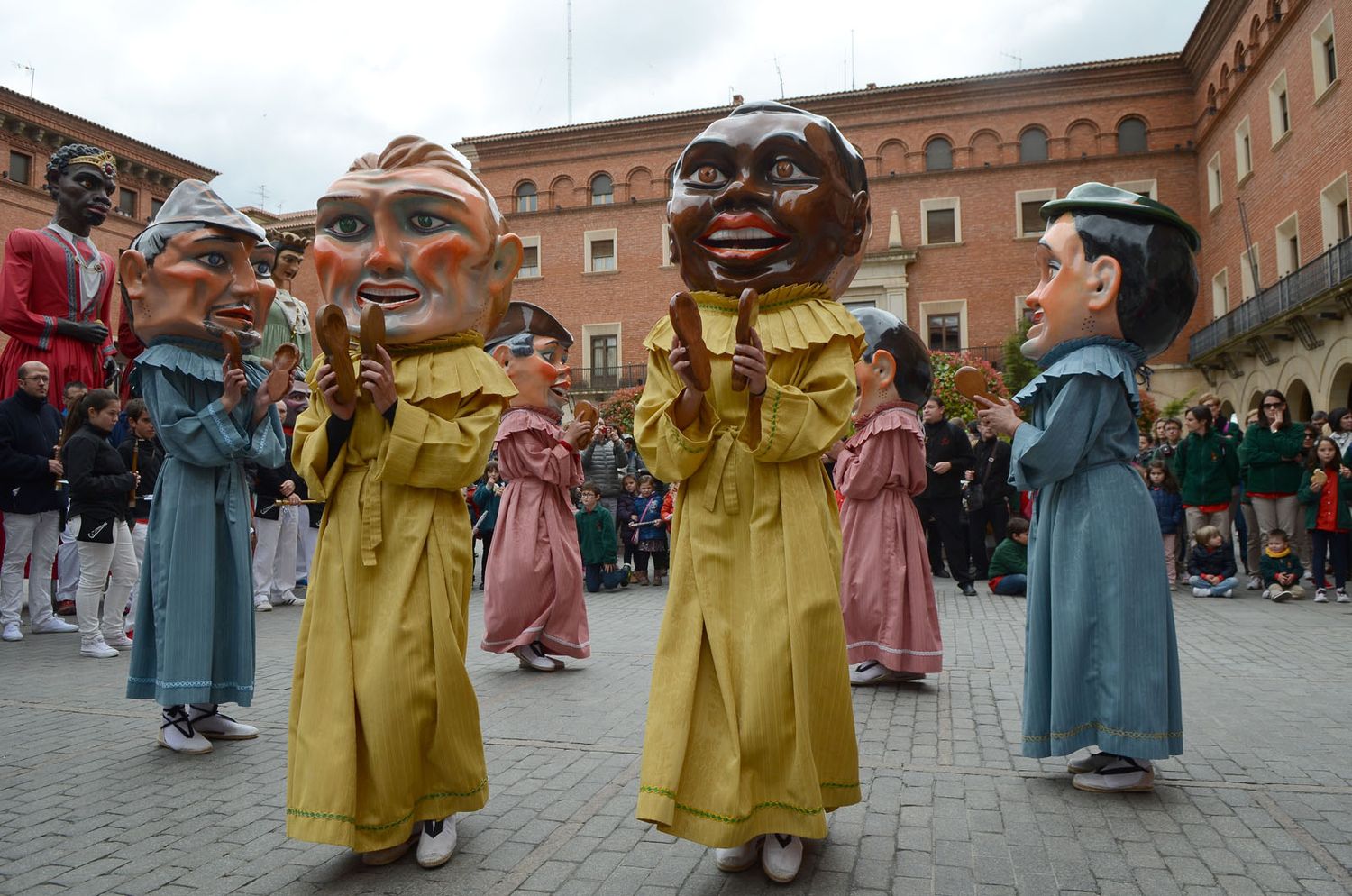
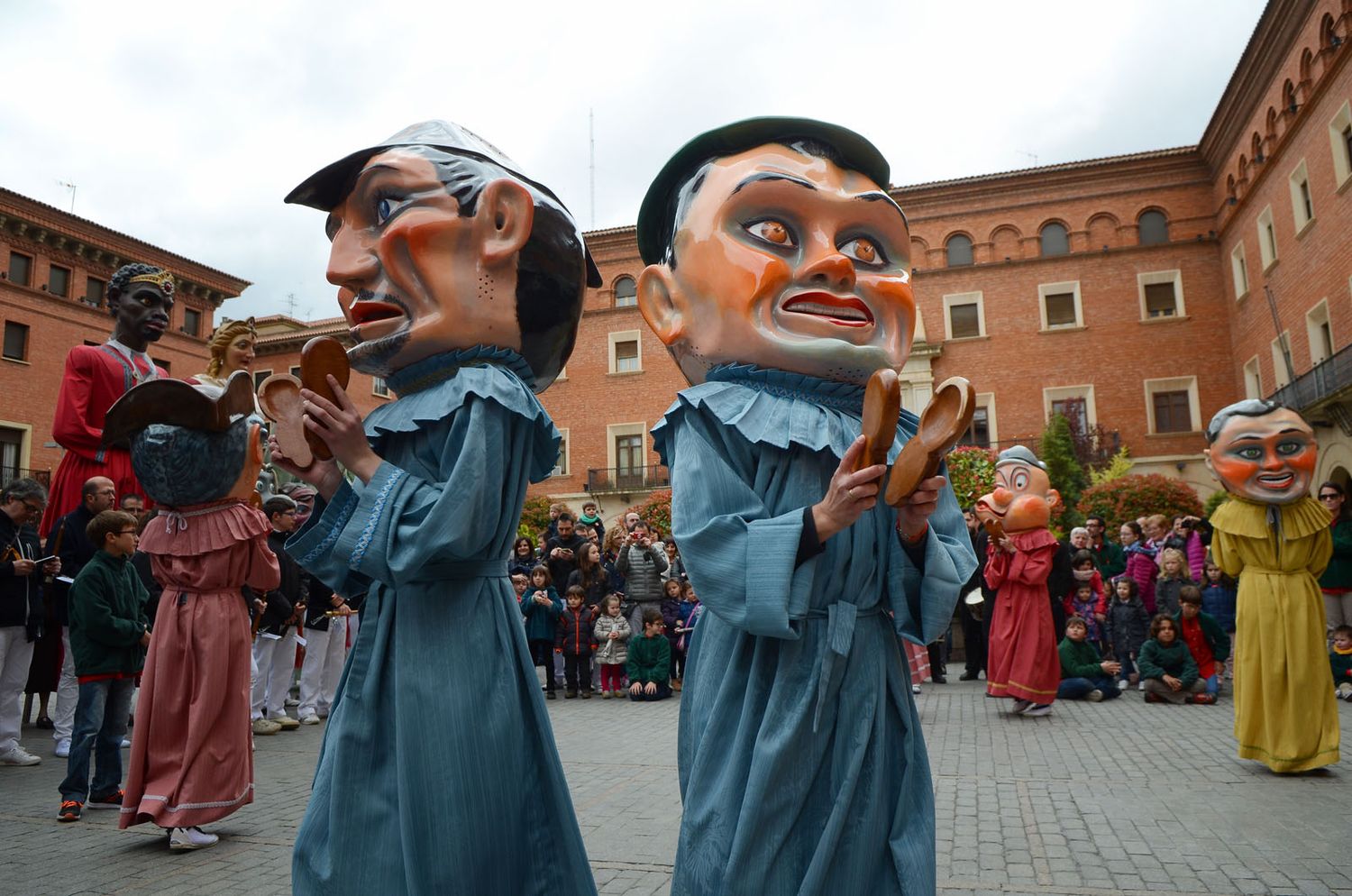
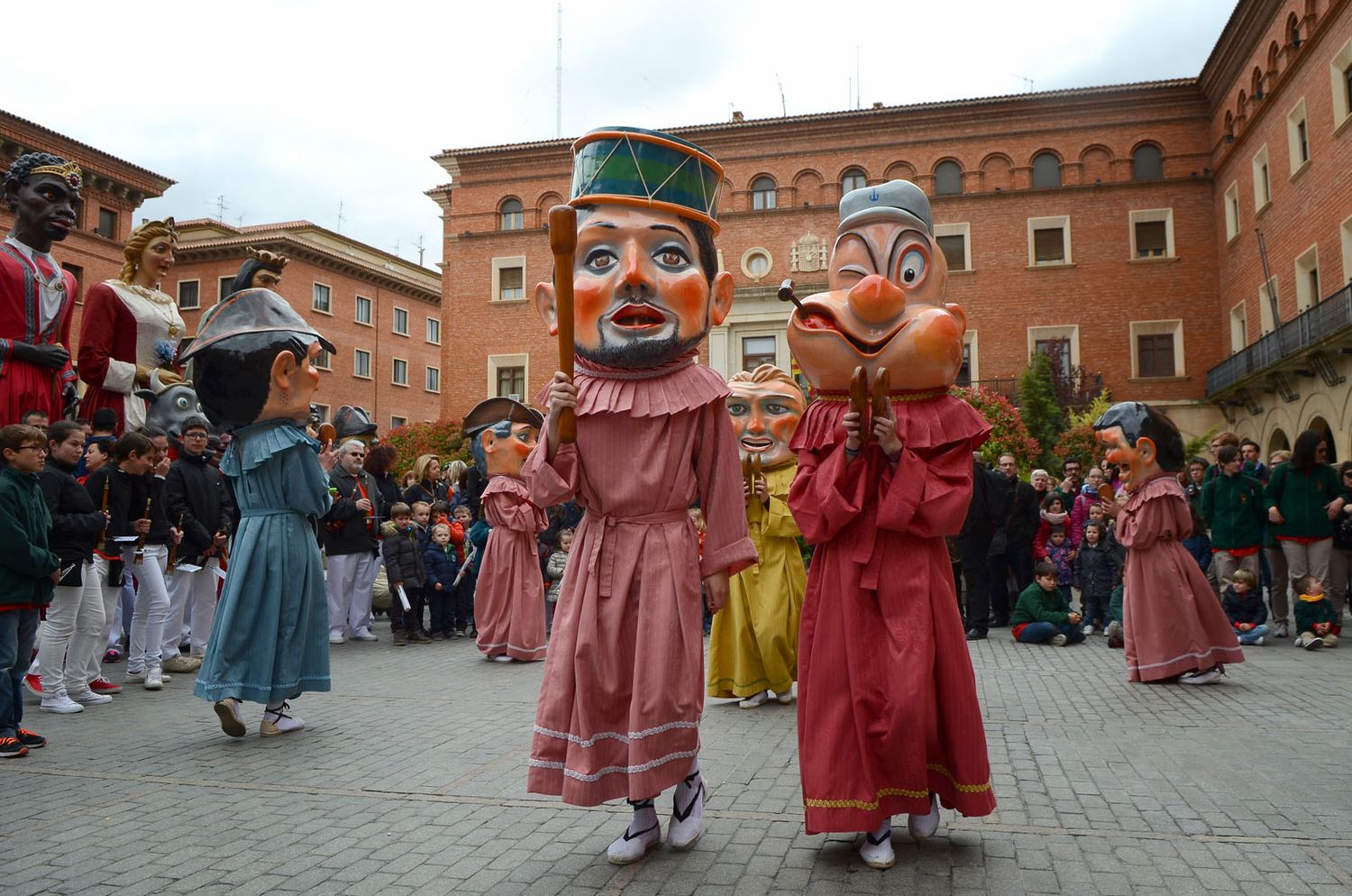
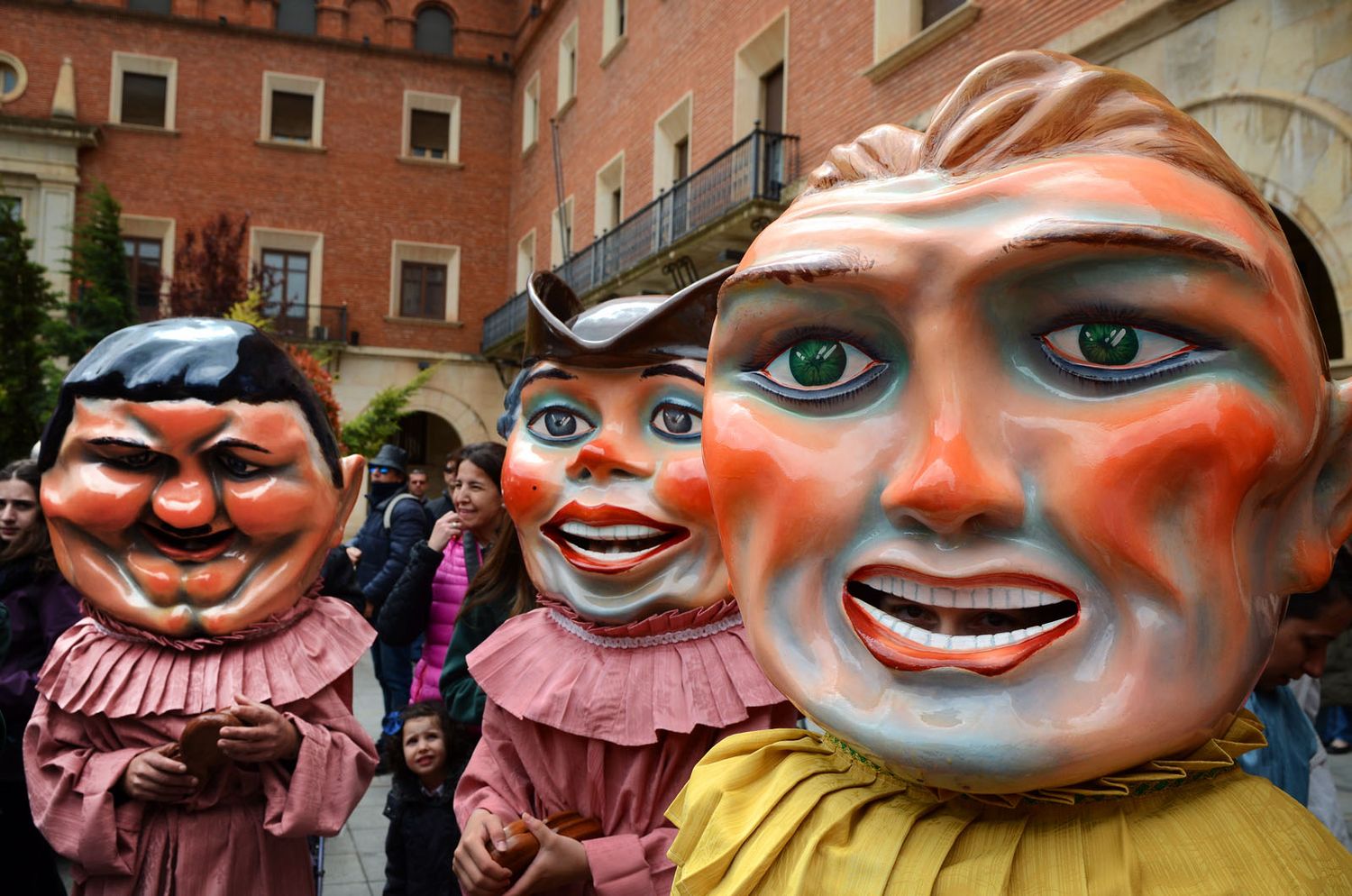
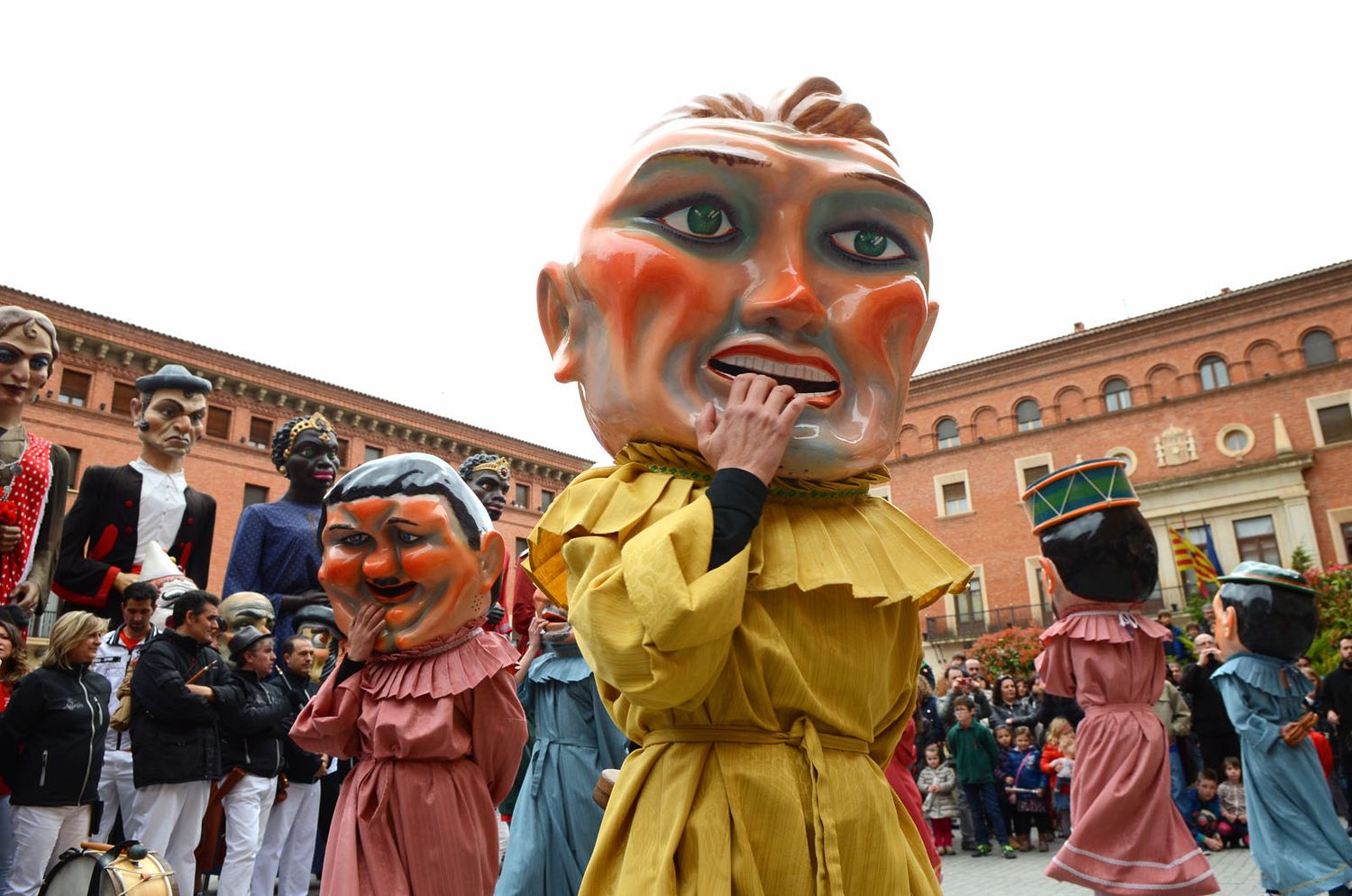
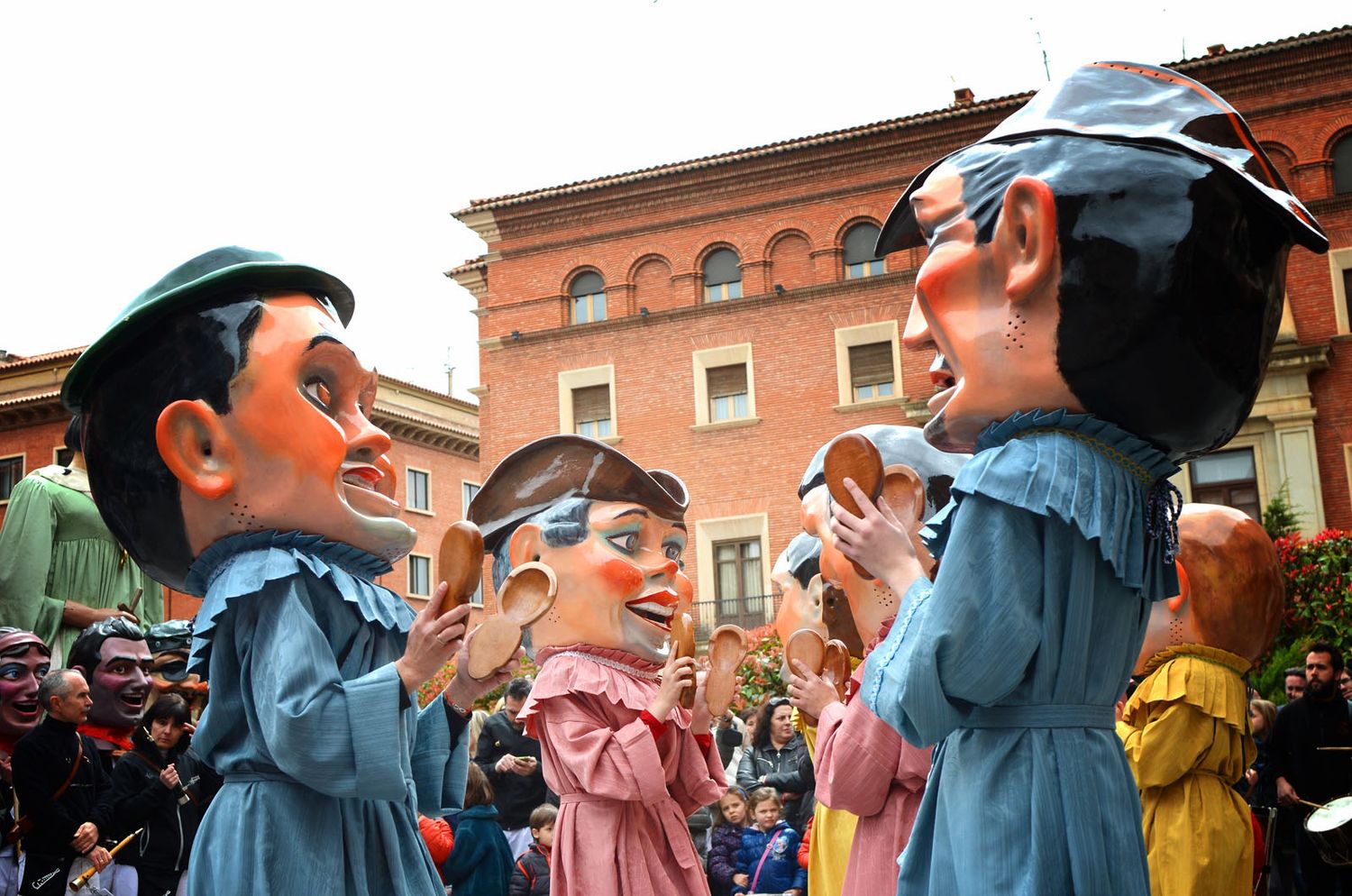
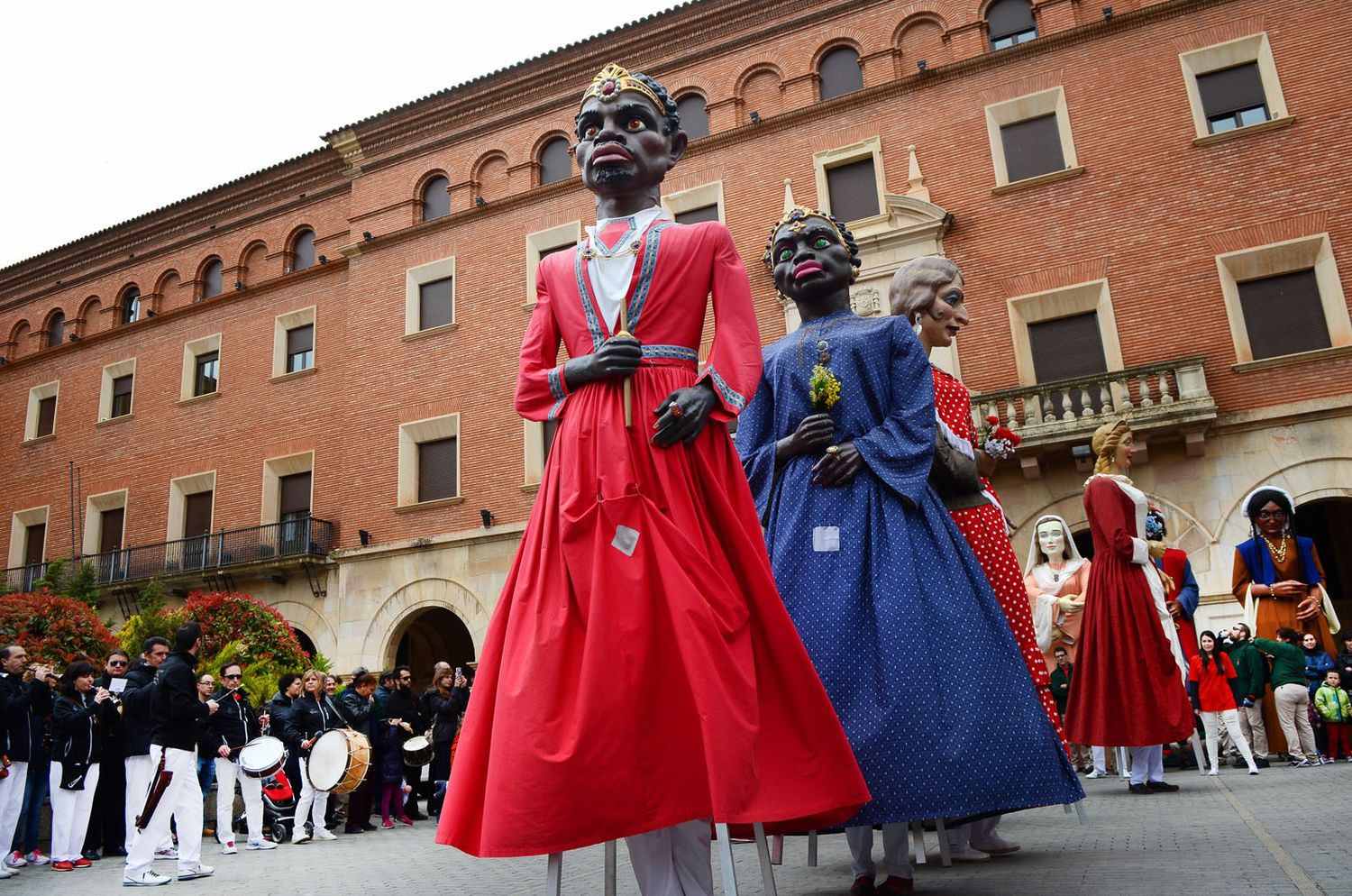
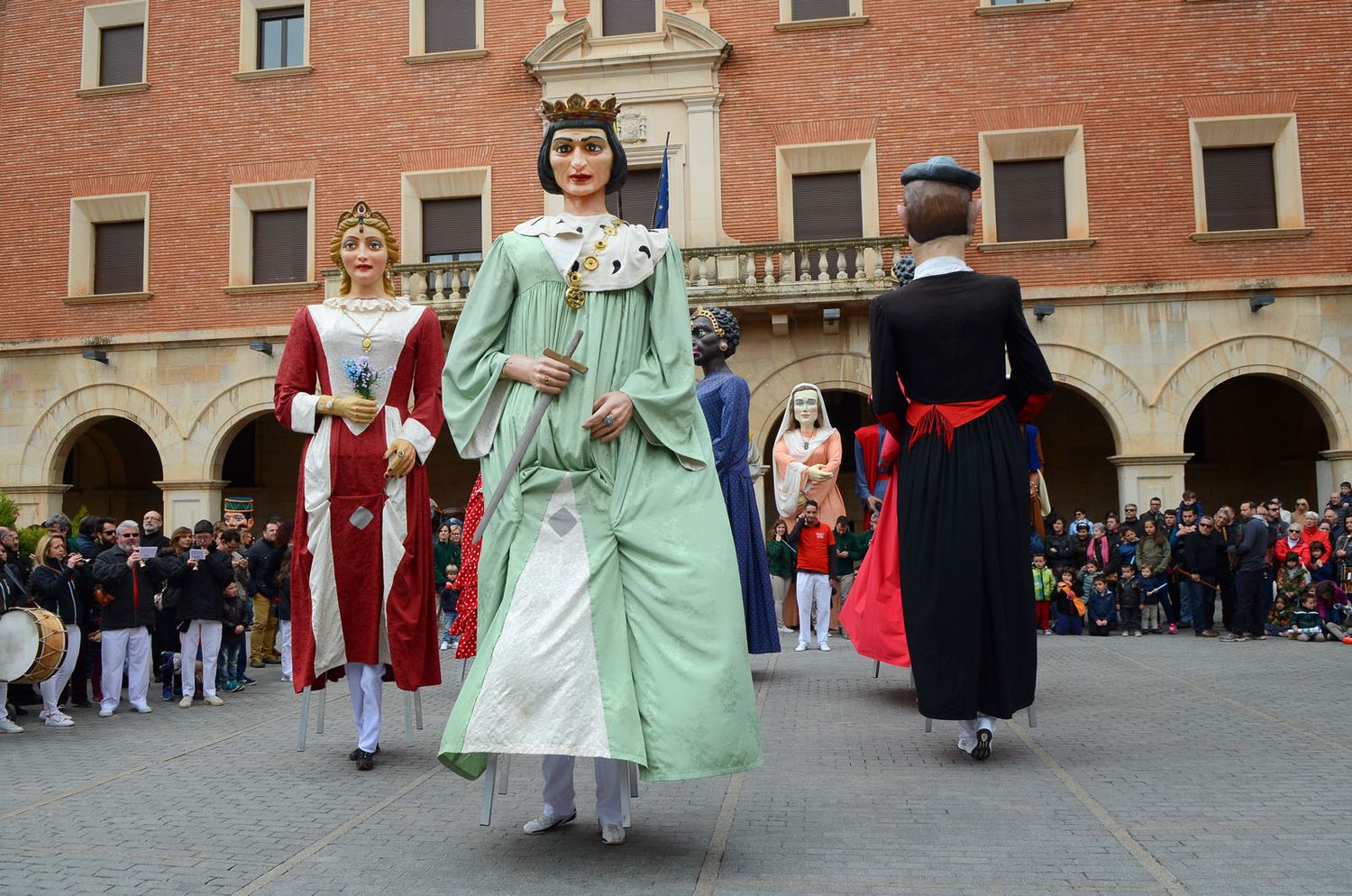
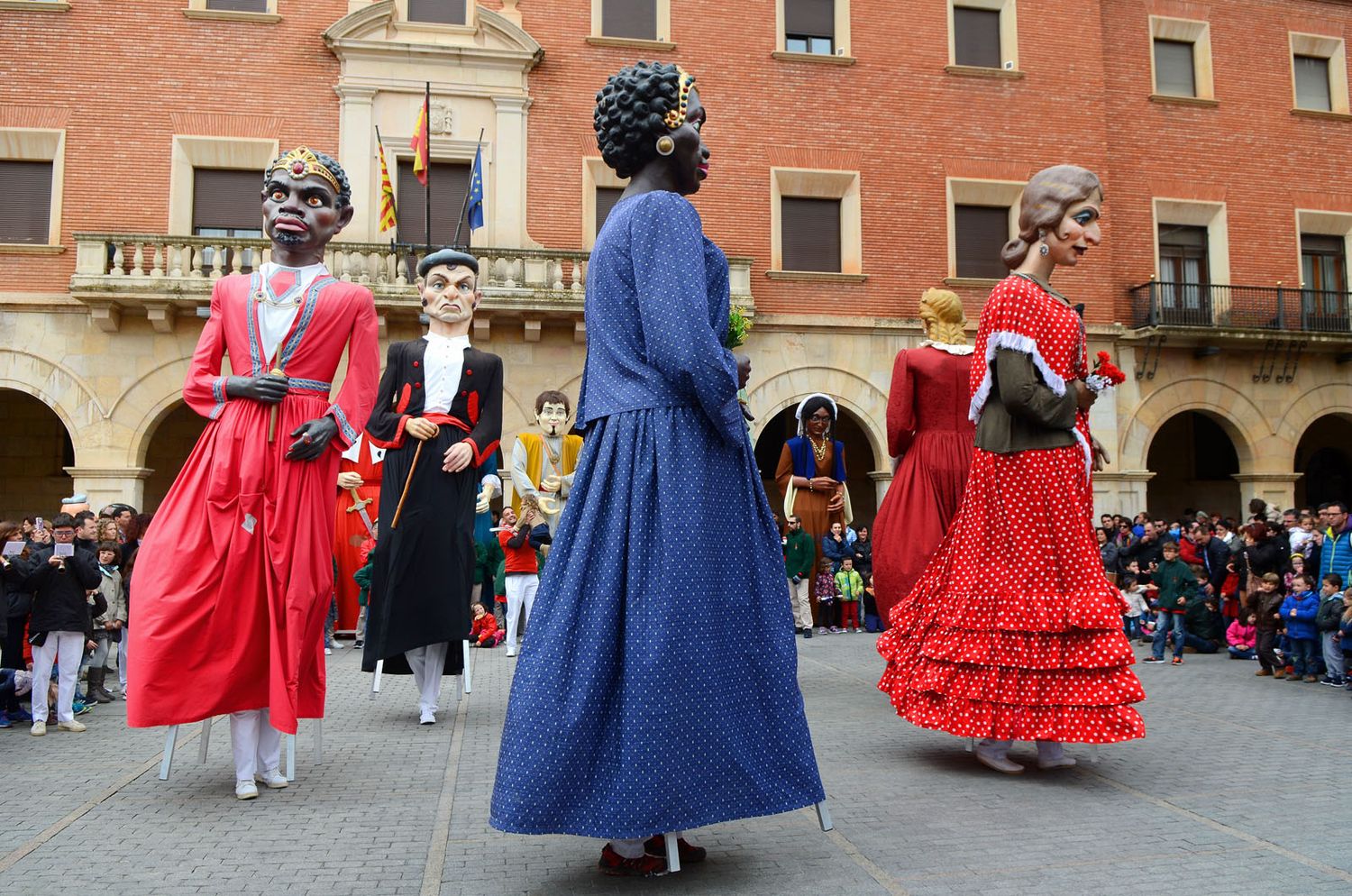
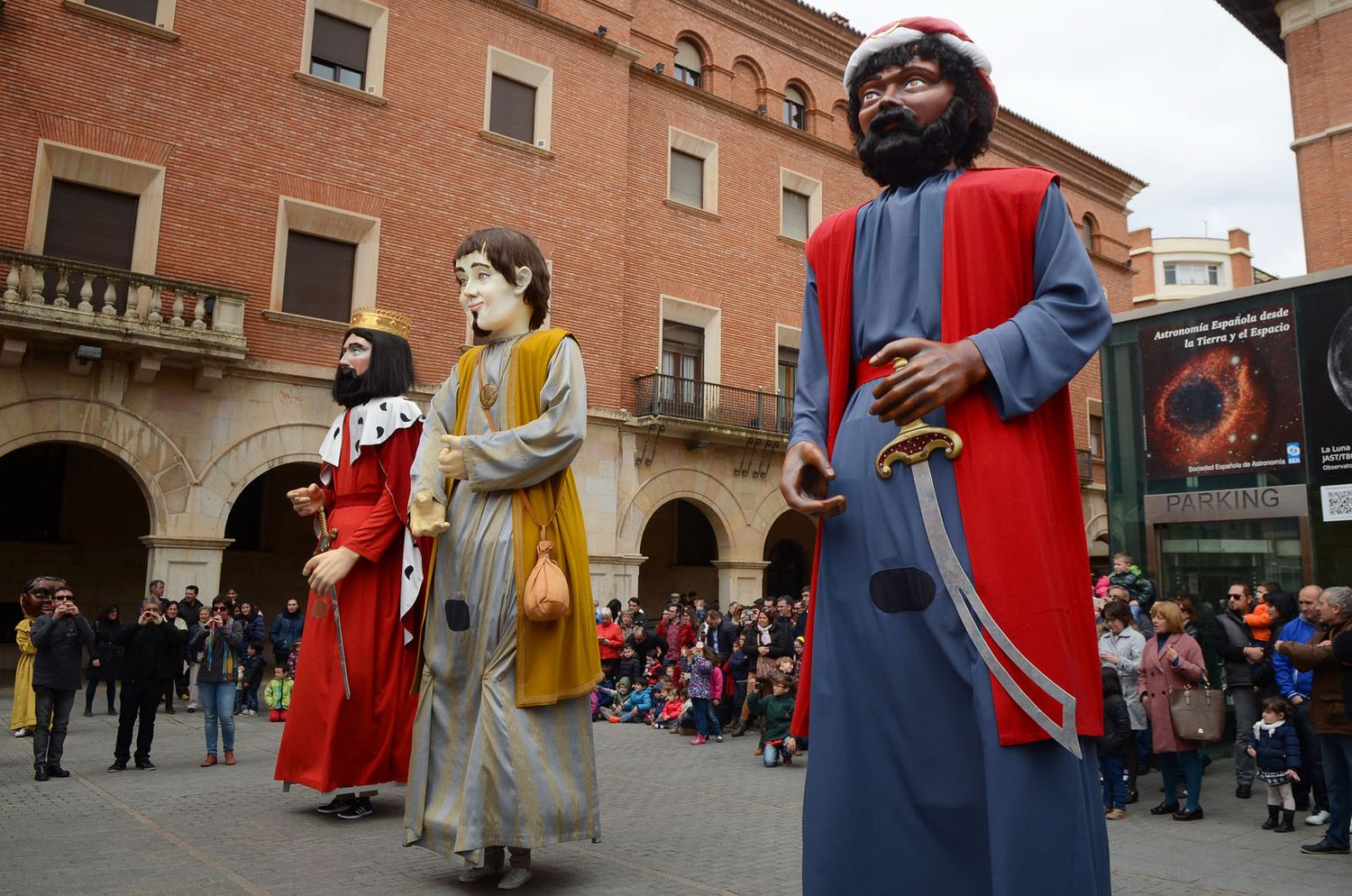
Towering above the crowd, they swayed through the streets with surprising grace, while the mischievous cabezudos darted between families, delighting in chasing laughing children who ran away only to turn around and come back for more. The streets echoed with music, laughter, and the unmistakable excitement that belongs to childhood.
At first, I found myself watching the giants. Before long, I was watching the children. Some ran toward them without hesitation. Others hid behind their parents before curiosity slowly drew them closer. Every smile, every burst of laughter, and every cautious step forward reminded me that these weren't simply colorful figures in a parade. They were becoming part of someone's childhood.
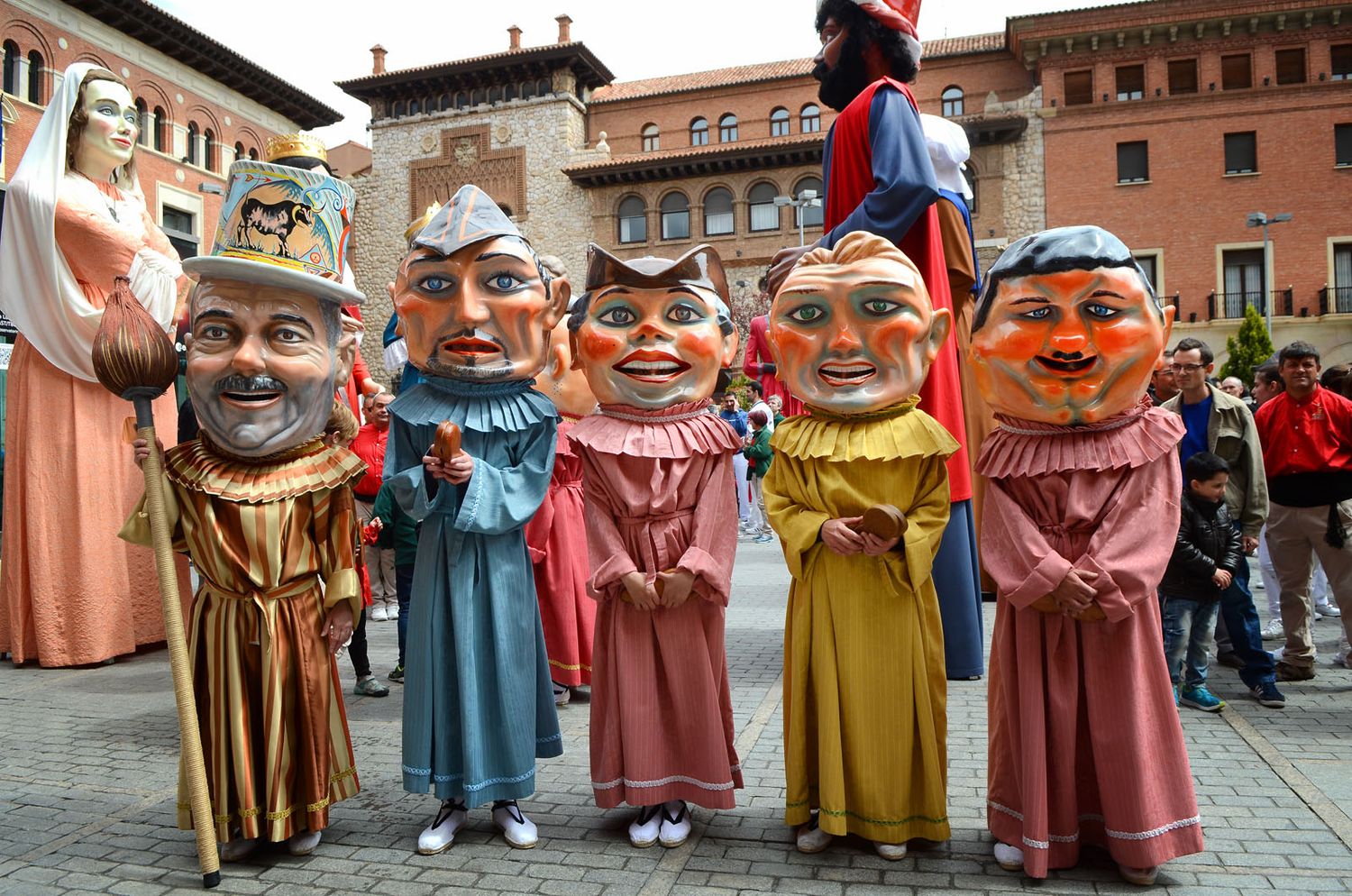
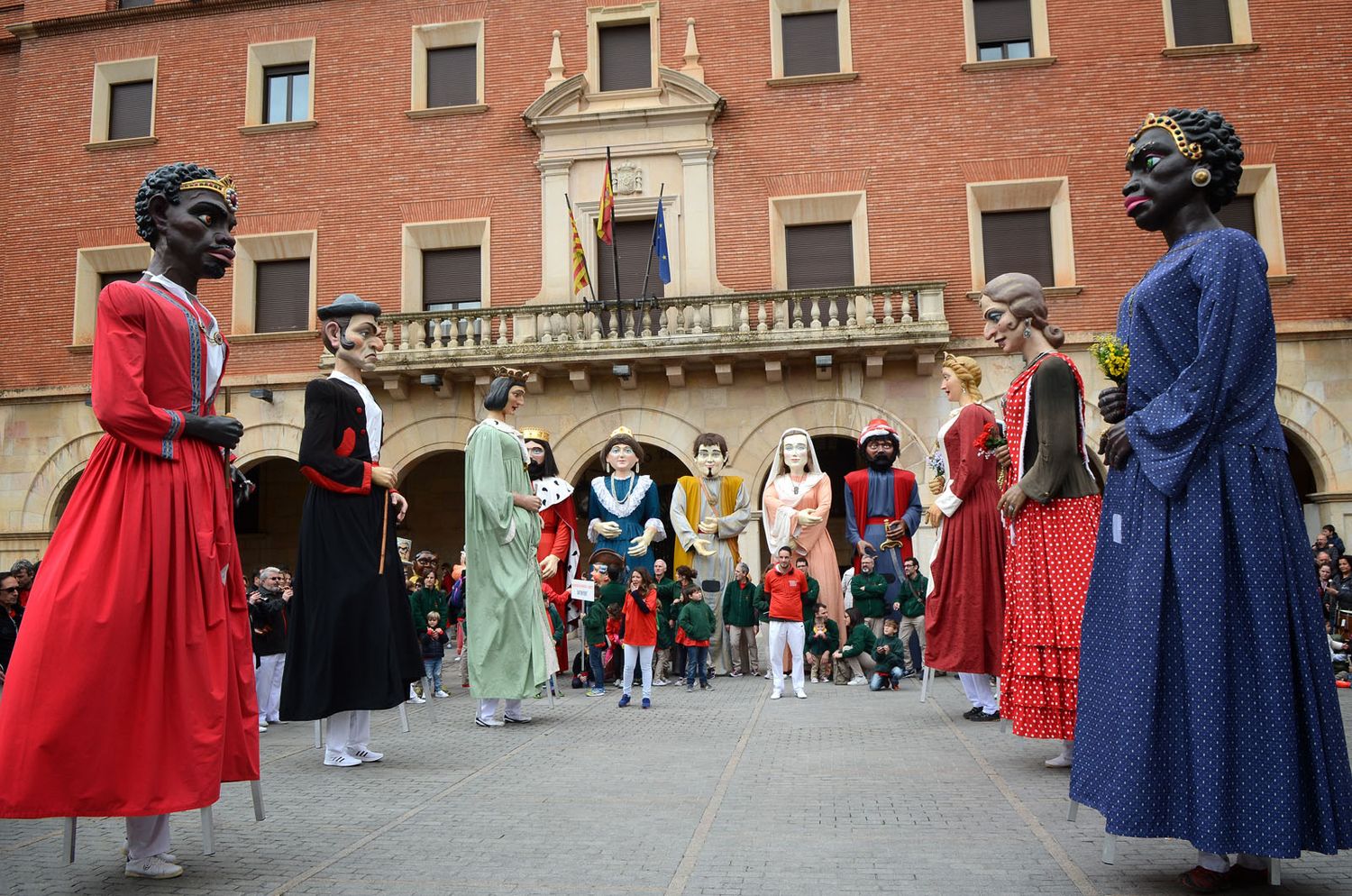
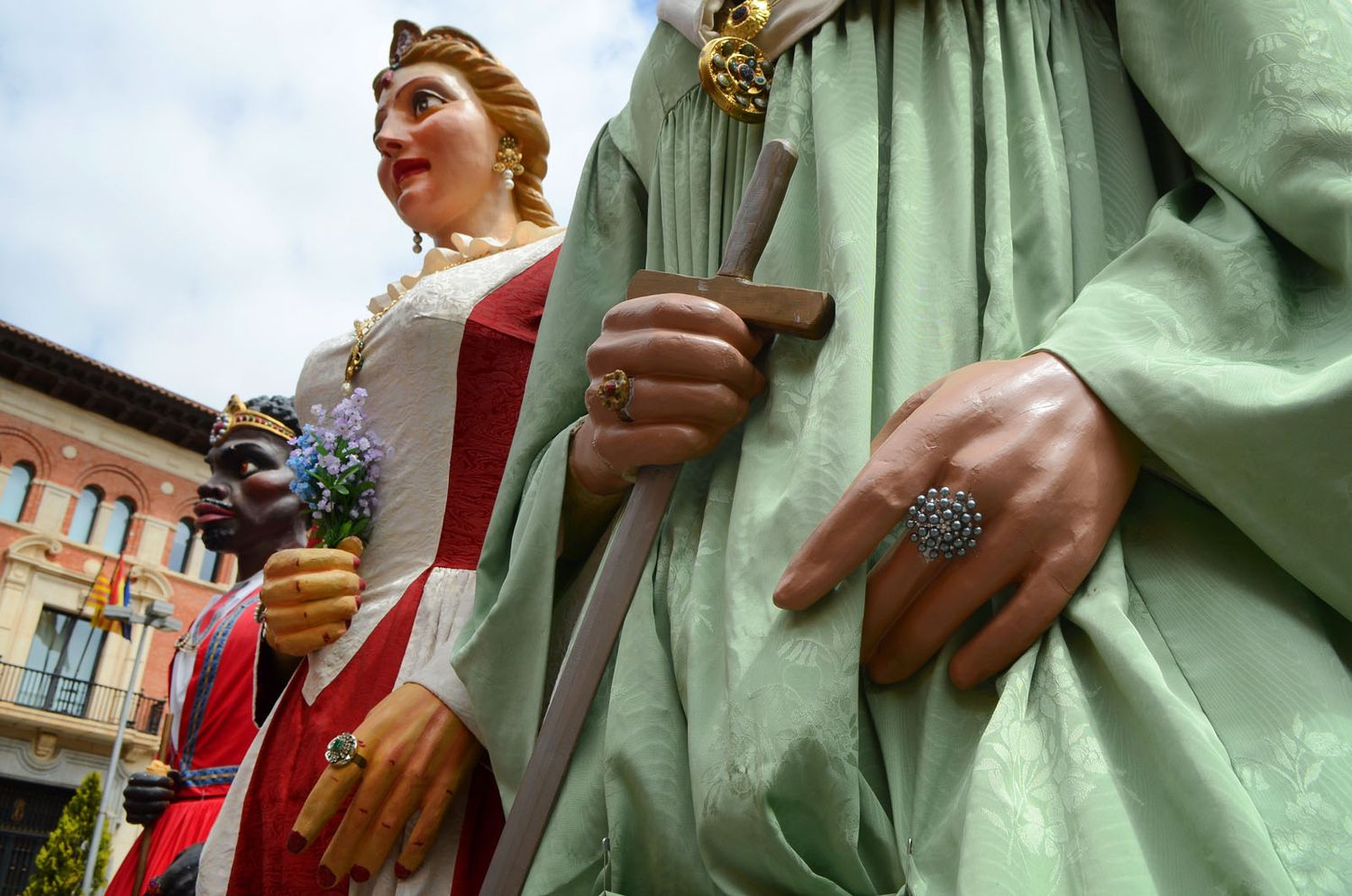
Across Spain, Gigantes y Cabezudos have been part of local celebrations for centuries. Representing kings, queens, historical figures, and local characters, they appear at festivals throughout the country, bringing together music, theater, and play in a tradition that continues to delight every generation.
Watching the children, I realized that traditions are often experienced long before they are understood. They may not know who the giants represent or why the cabezudos first appeared, but they will remember the music, the excitement, and the joy of seeing them dance through the streets.
Years from now, those memories will become part of the stories they tell, the festivals they return to, and the traditions they pass on to their own children. As I stood in Plaza San Juan watching the celebration unfold, I realized I wasn't simply photographing giant figures or children at play. I was photographing the moment when tradition becomes memory.
Looking Closer
Gigantes y Cabezudos have been part of Spanish festivals for hundreds of years. The towering gigantes often represent kings, queens, historical figures, or local characters, while the playful cabezudos, with their oversized papier-mâché heads, delight in interacting with the crowd—especially children.
Together, they remain one of Spain's most enduring and beloved traditions, appearing in towns and cities across the country throughout the year.