
La Expulsión · Gea de Albarracín
Remembering What Was Lost
Some communities preserve their history by celebrating it. Others preserve it by remembering it.
La Expulsión · Reflection · Remembering What Was Lost
When I first heard that a small village in Aragón was staging a festival about the expulsion of its own people, I was surprised. Most festivals celebrate victories, patron saints, or joyful traditions. This one asked an entire community to revisit one of the most painful chapters in its own history.
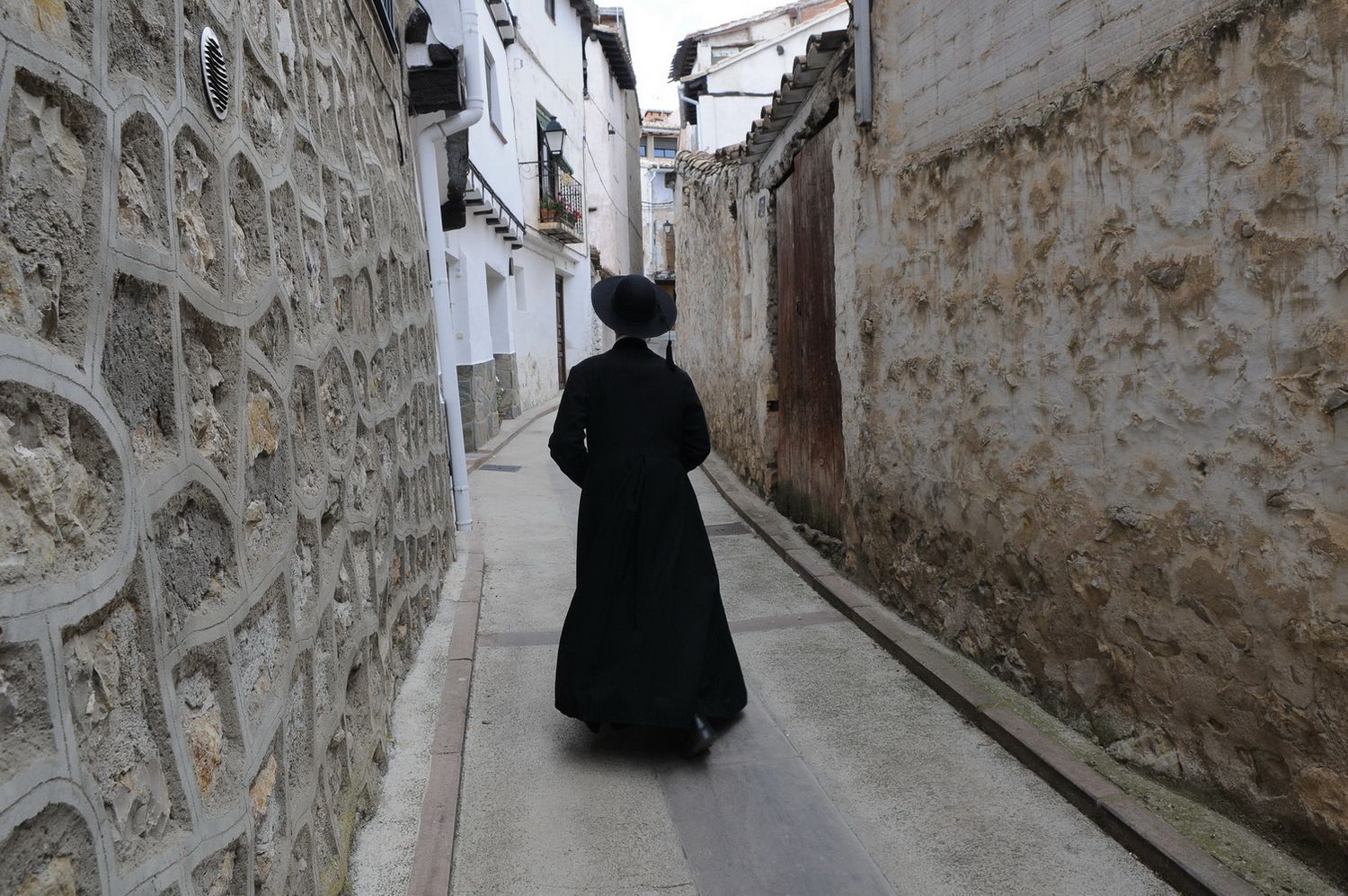
Walking through the streets of Gea de Albarracín, I watched neighbors become the people who had once lived there centuries before. Families dressed as Moriscos filled the narrow streets, musicians played, artisans demonstrated traditional crafts, and the village slowly transformed into another time. Yet beneath the music and celebration was a quieter purpose: remembering those who had been forced to leave.
One of the things I have come to admire most about Spain is its willingness to acknowledge the past, even when it is difficult. Rather than allowing history to fade, communities like Gea choose to revisit it, reflect on it, and pass it on to the next generation.
As I photographed the final performance in the village square, I realized this wasn't simply historical theater. It was an act of collective memory. Children watched beside their grandparents. Residents portrayed both those who stayed and those who left. History no longer belonged only to books. It had become something the entire community could experience together.
Living in Spain has taught me that traditions are not always about celebration. Sometimes they are about reflection. The people of Gea weren't recreating the expulsion to reopen old wounds, but to ensure they were never forgotten.
Watching the village remember its own history reminded me that understanding the past is one of the most meaningful ways a community can shape its future.


Looking Closer
In 1502, the Catholic Monarchs ordered Muslims in the Kingdom of Castile to convert to Christianity or leave. Those who converted became known as Moriscos, although many continued to preserve elements of their culture and traditions. In 1609, King Philip III ordered the expulsion of the Moriscos from Spain, forcing hundreds of thousands to leave their homes.
Today, Gea de Albarracín, in the province of Teruel, commemorates this history through La Expulsión de los Moriscos, a historical reenactment that combines theater, music, traditional crafts, and community participation. Rather than celebrating conquest, the event encourages reflection on identity, coexistence, and the lasting consequences of intolerance.