Veruela Abbey · Contemplation
The Art of Stillness
Some journeys begin by moving. Others begin by becoming still.
Veruela Abbey · Contemplation · The Art of Stillness
Long before I understood Spain through its people, I began discovering it through its monasteries. Veruela Abbey was one of those places.
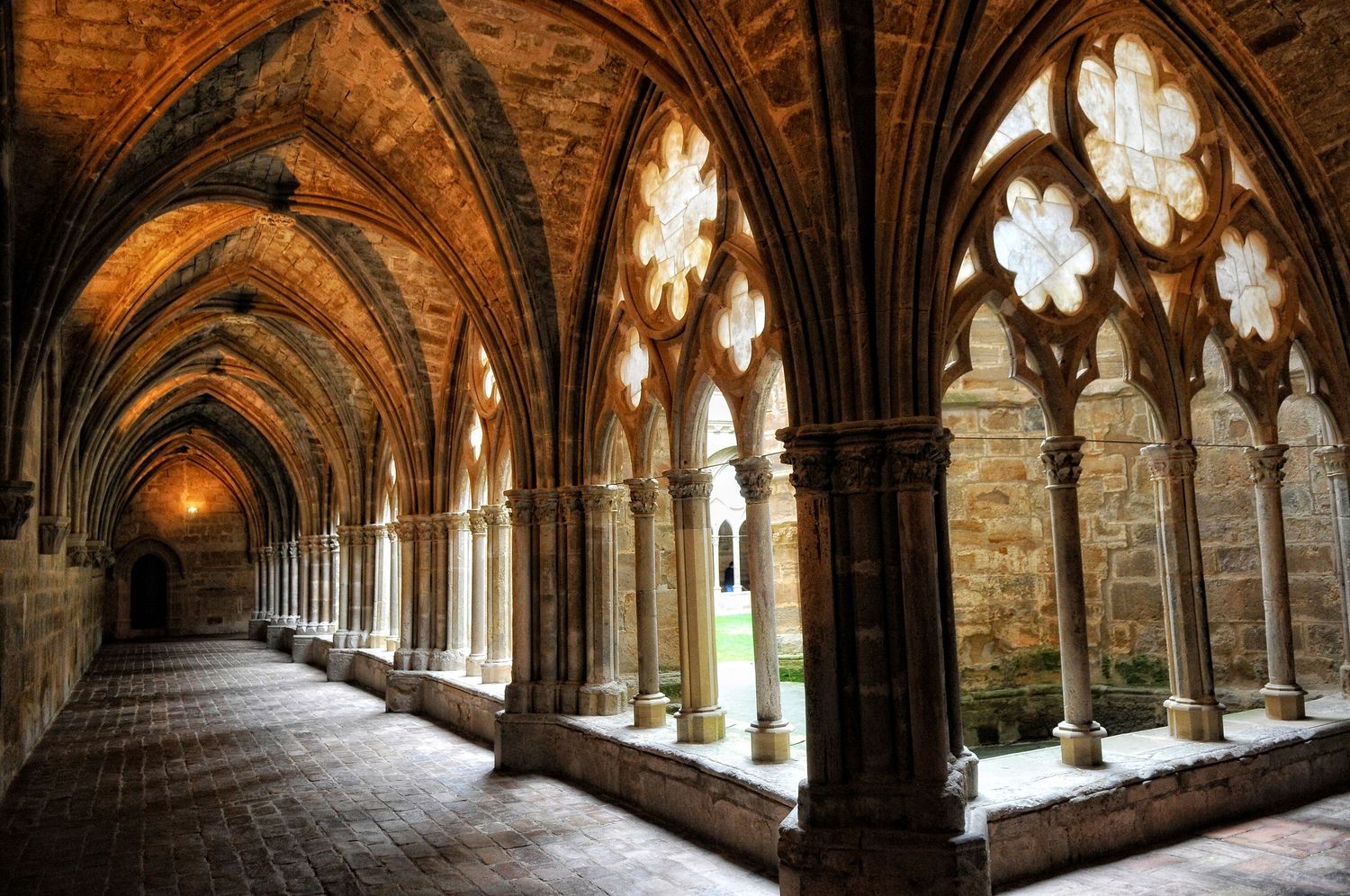
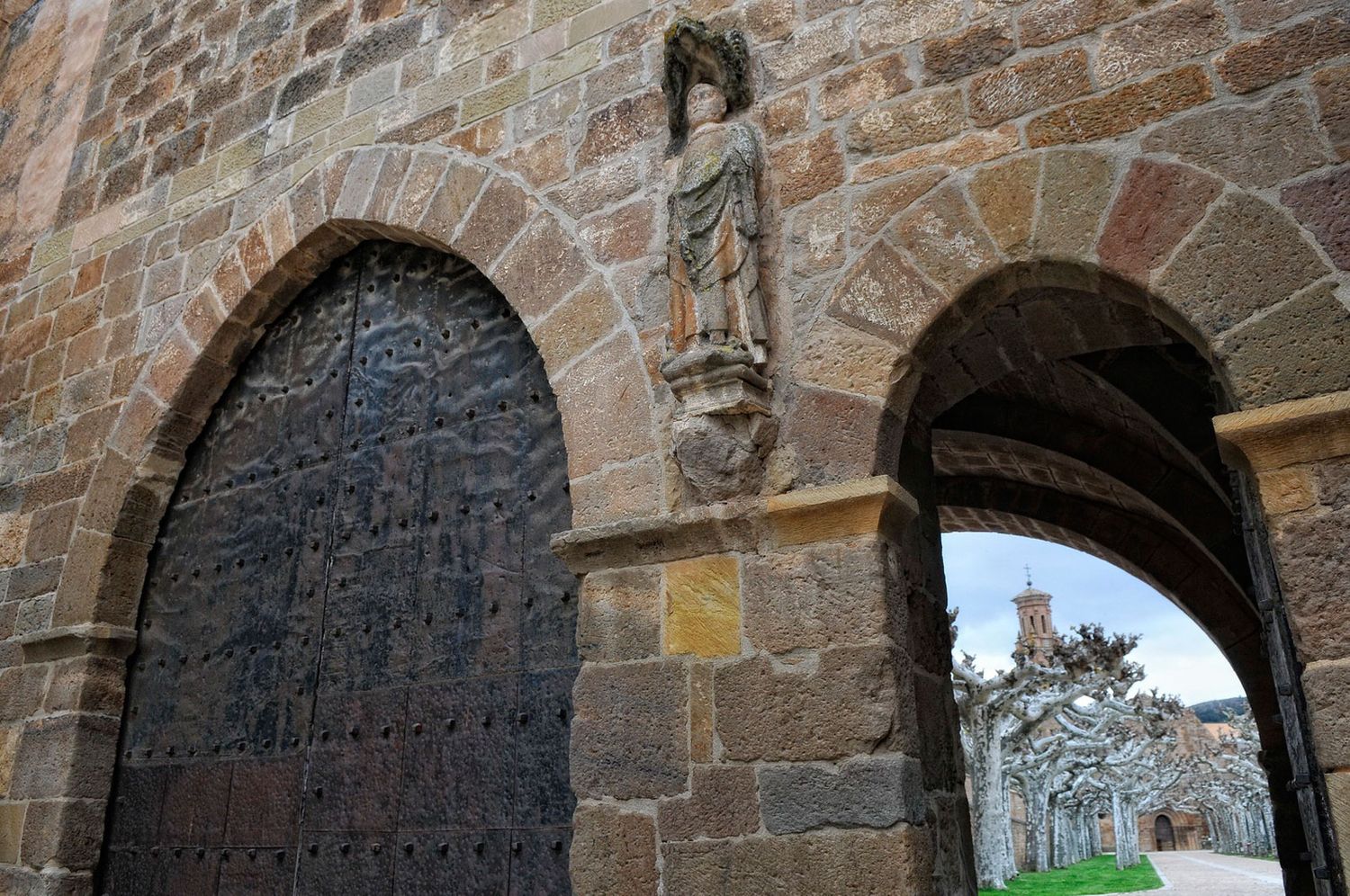
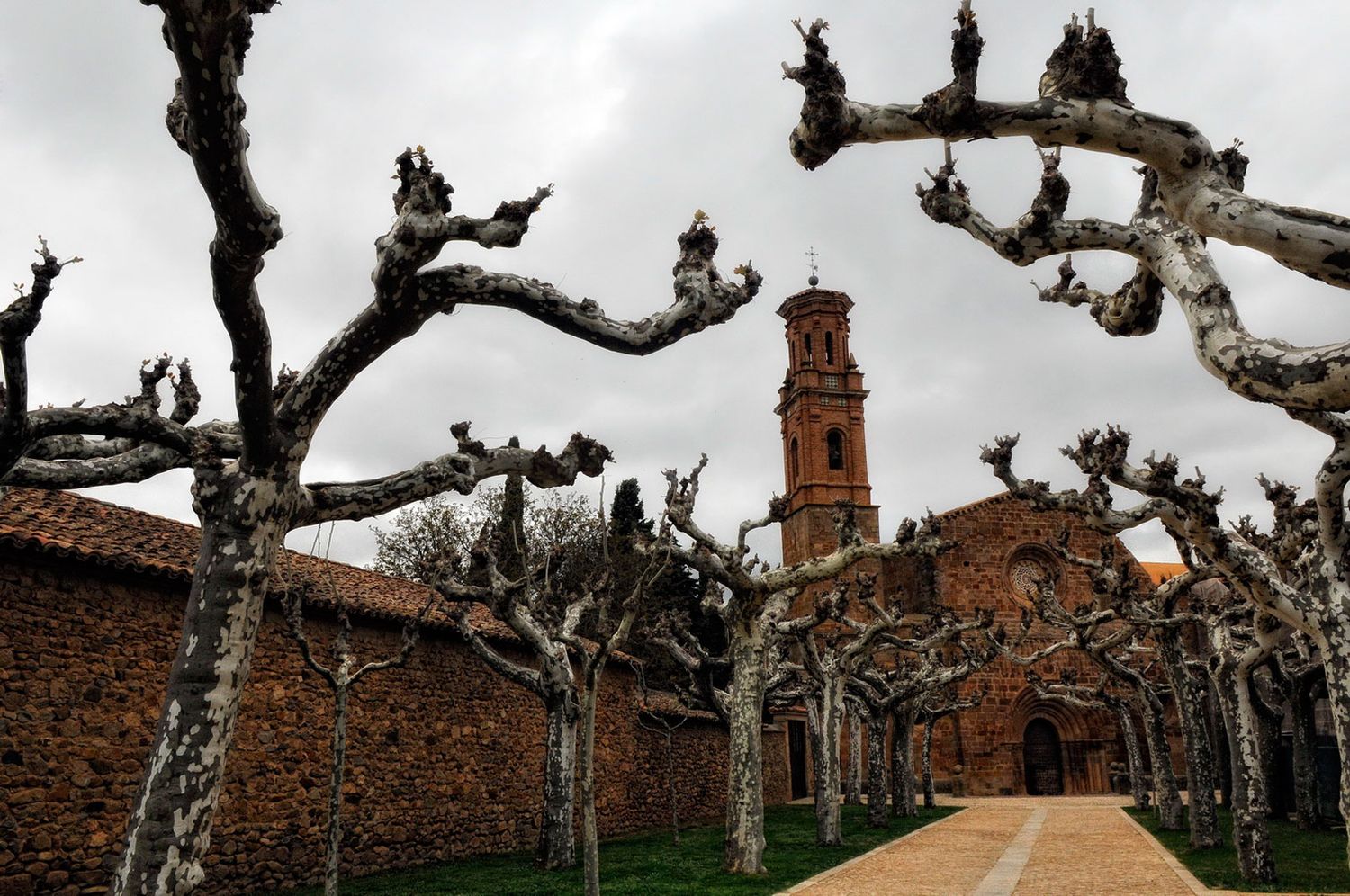
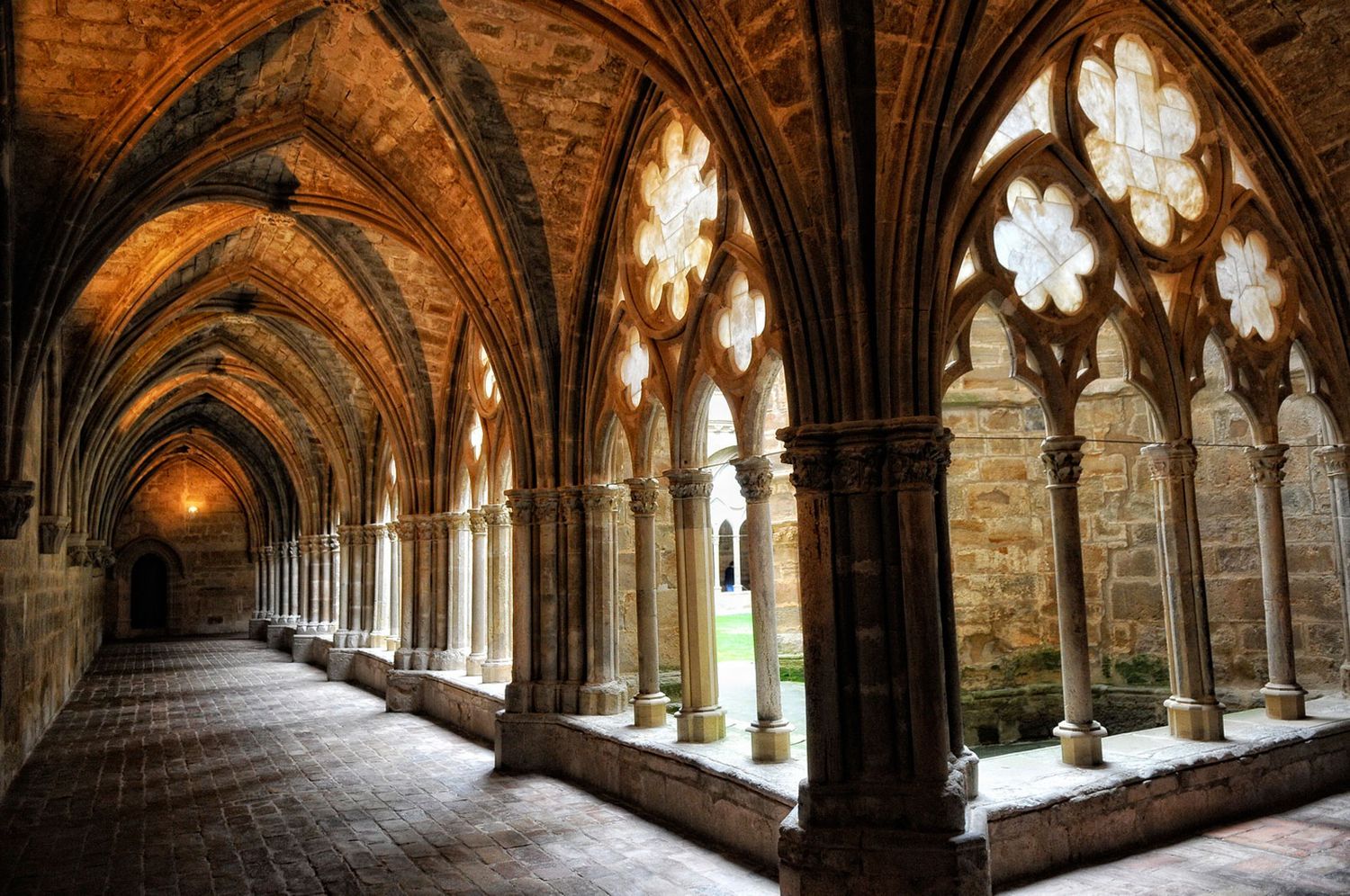
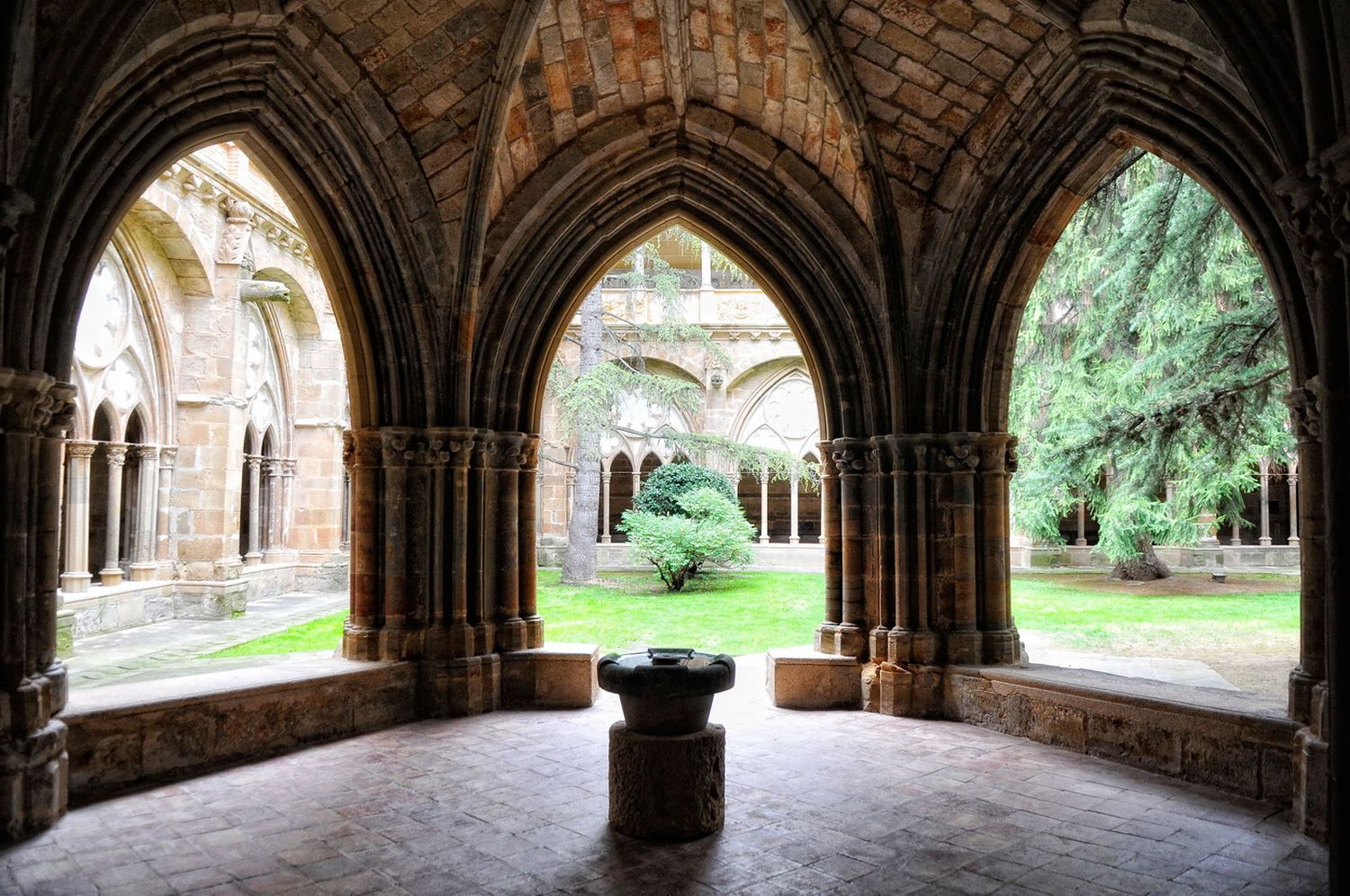
As I stepped through its heavy stone entrance, the pace of the outside world seemed to disappear. Footsteps echoed softly across worn flagstones, birds called from the cloister garden, and light drifted through arches that had stood for more than eight centuries. Everything invited me to slow down.
For a photographer, it was an unexpected lesson.
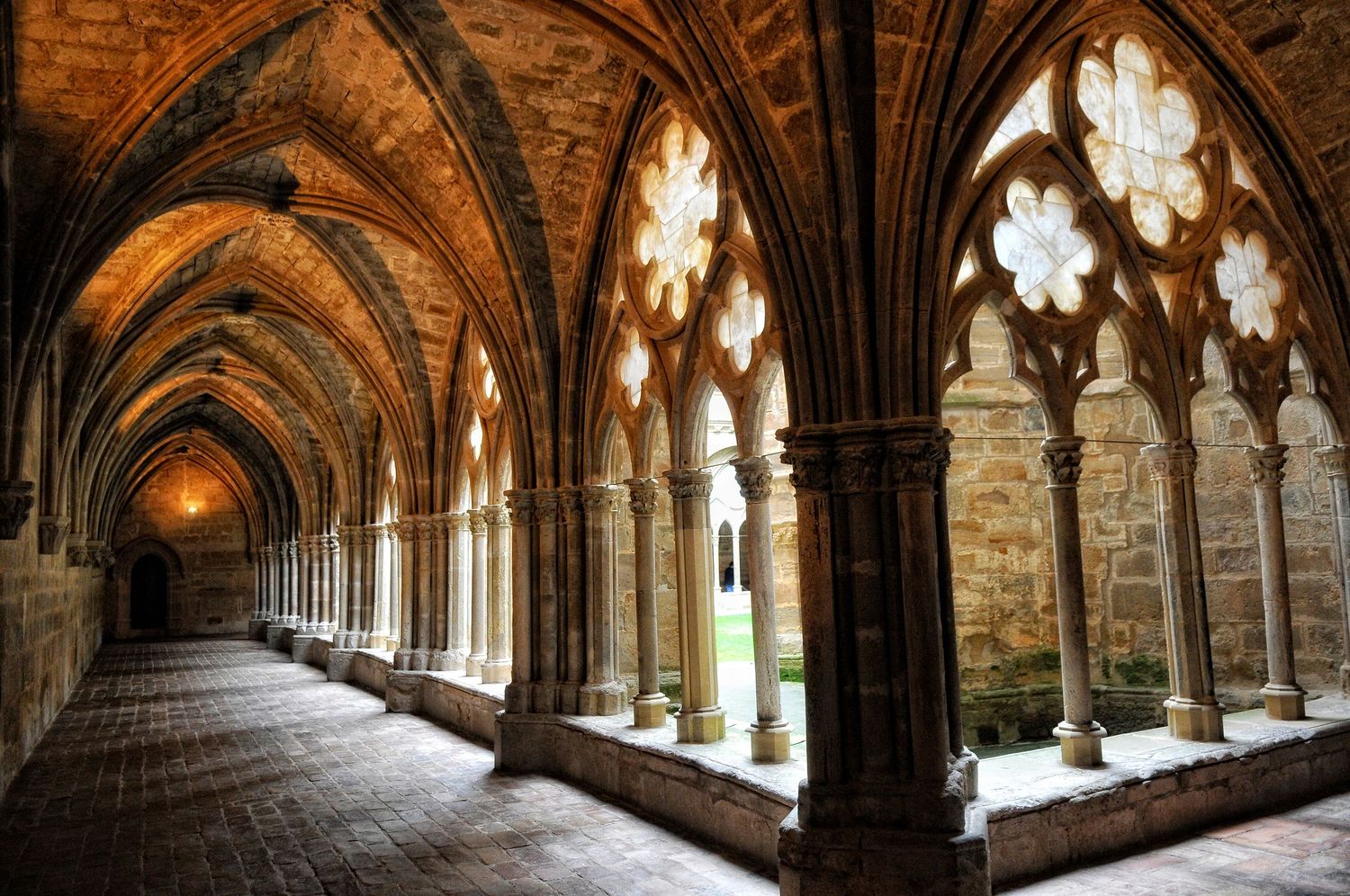
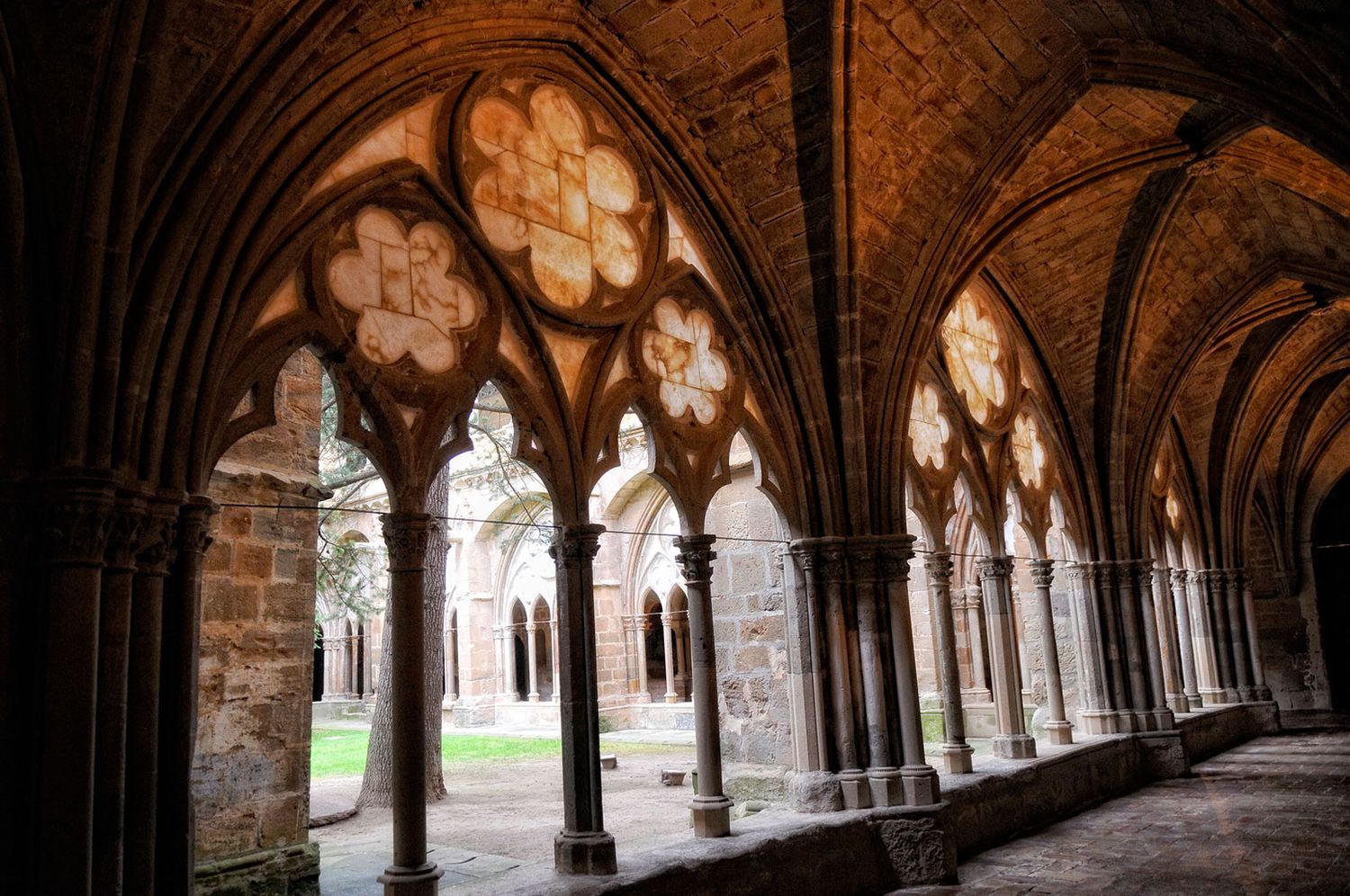
Veruela did not ask me to search for dramatic moments. Instead, it rewarded patience. I found myself noticing the rhythm of repeating arches, the texture of centuries-old stone, the changing light across the cloister, and the quiet beauty of details that would have been easy to overlook in a busier place.
Founded in the twelfth century, Veruela became the first Cistercian monastery in Aragón. The monks who settled here embraced a life shaped by prayer, work, and contemplation. Their days followed a steady rhythm, and although the monastery is no longer home to a religious community, that sense of calm still lingers within its walls.
As I wandered through the cloisters, I realized the abbey wasn't asking me simply to admire its architecture. It was asking me to notice. Perhaps that is the lasting gift of places like Veruela. In a world that constantly urges us to move faster, they remind us that some of life's richest experiences reveal themselves only when we pause long enough to see them.

Looking Closer
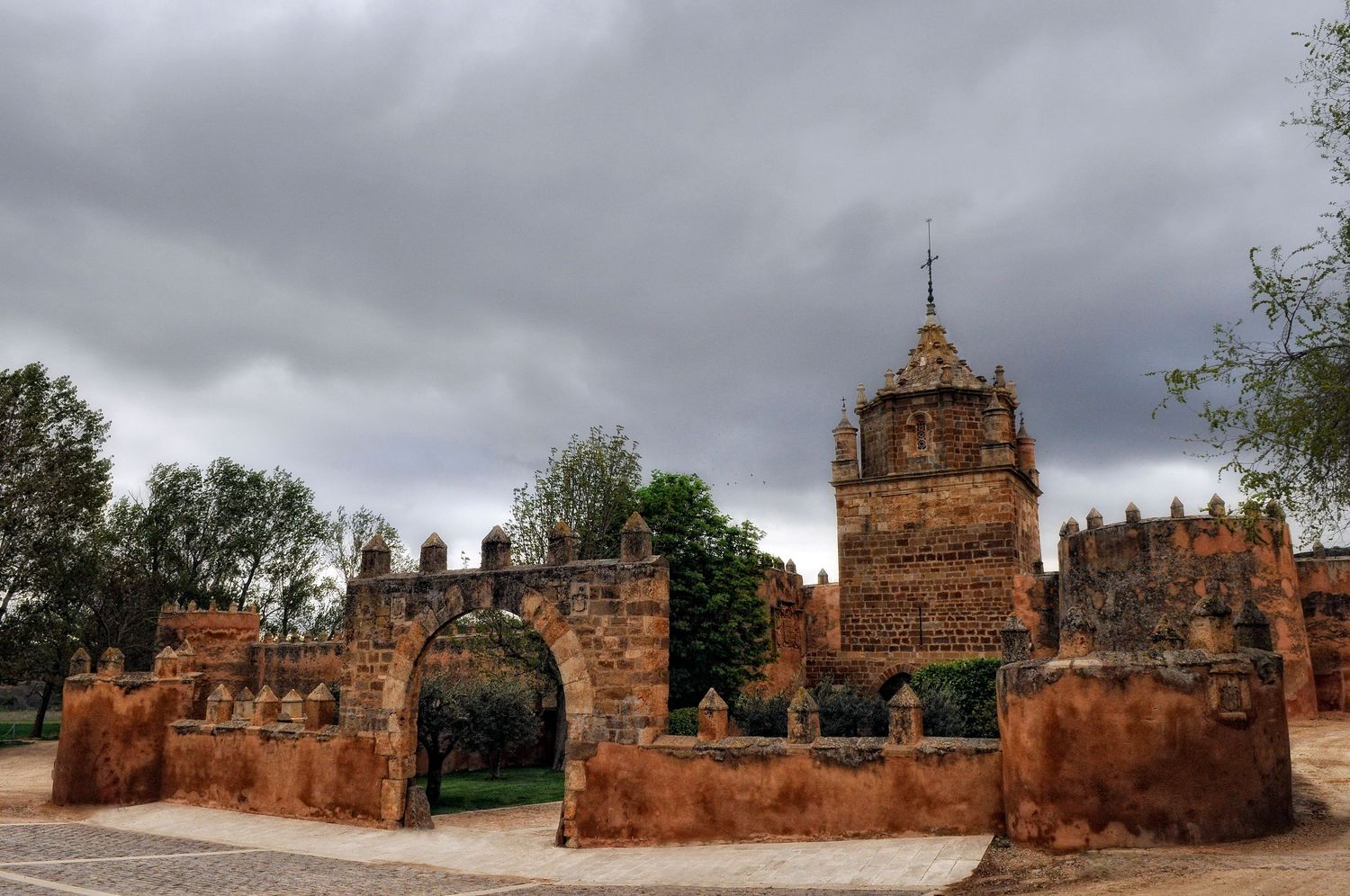
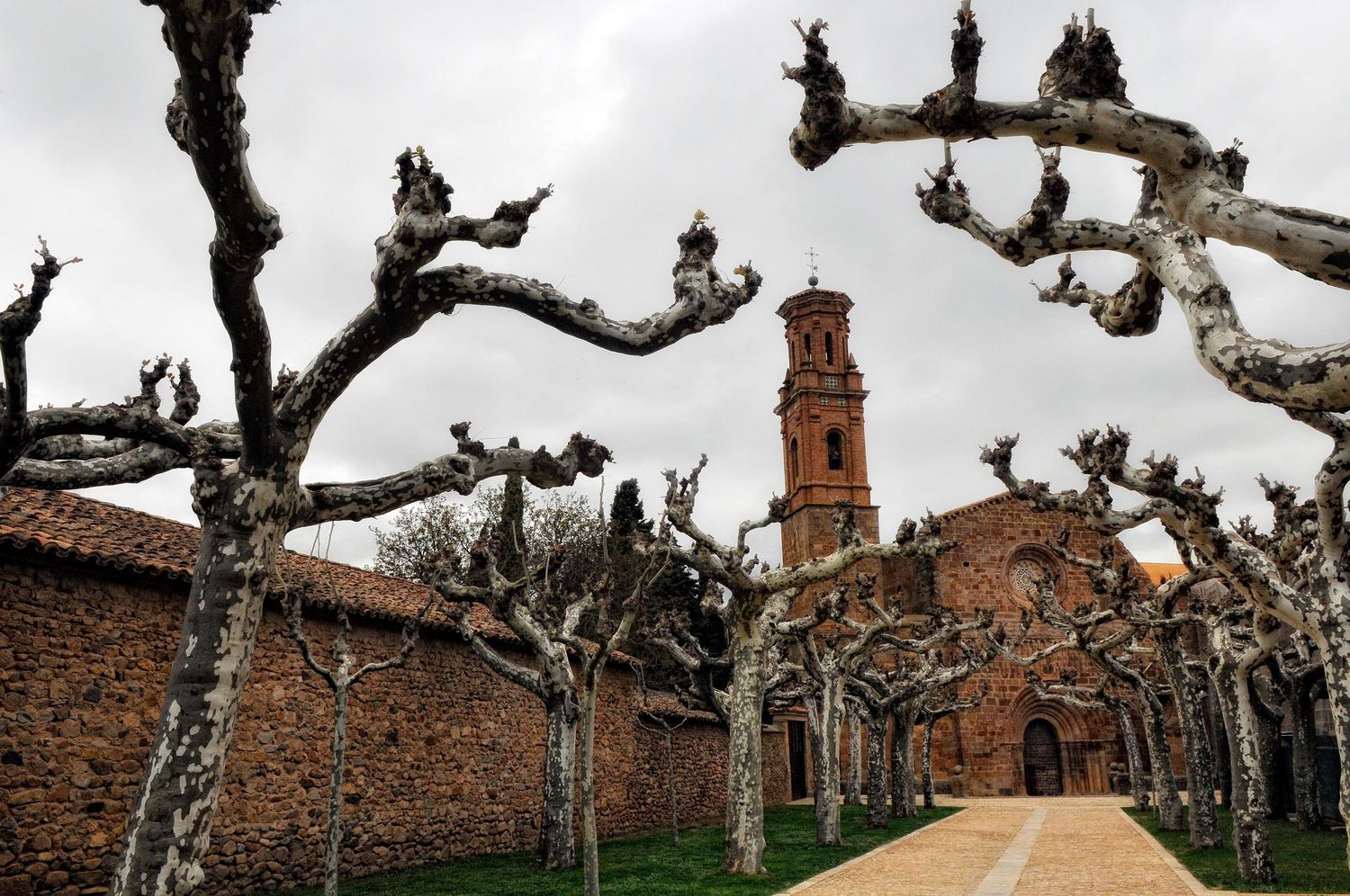
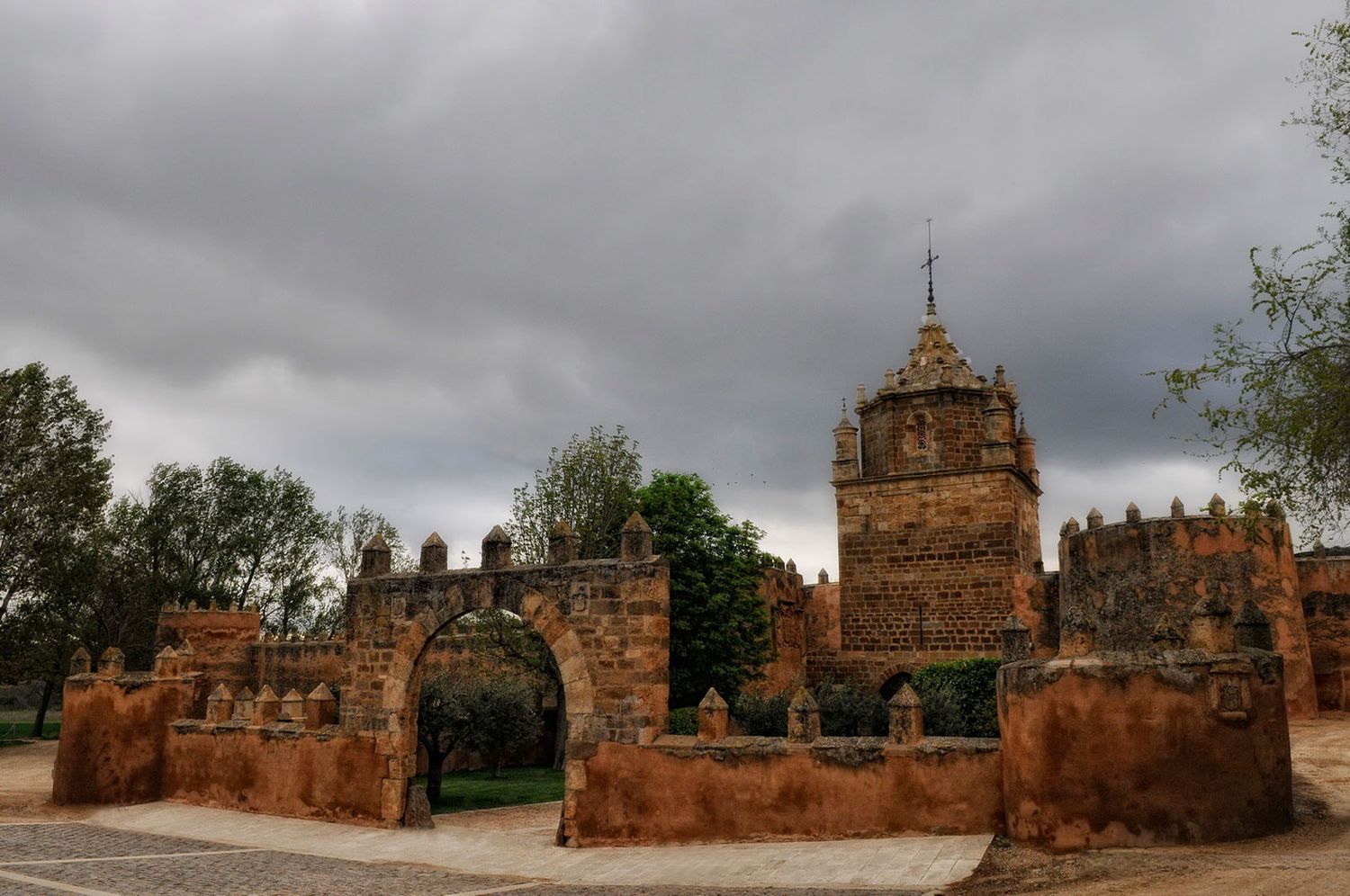
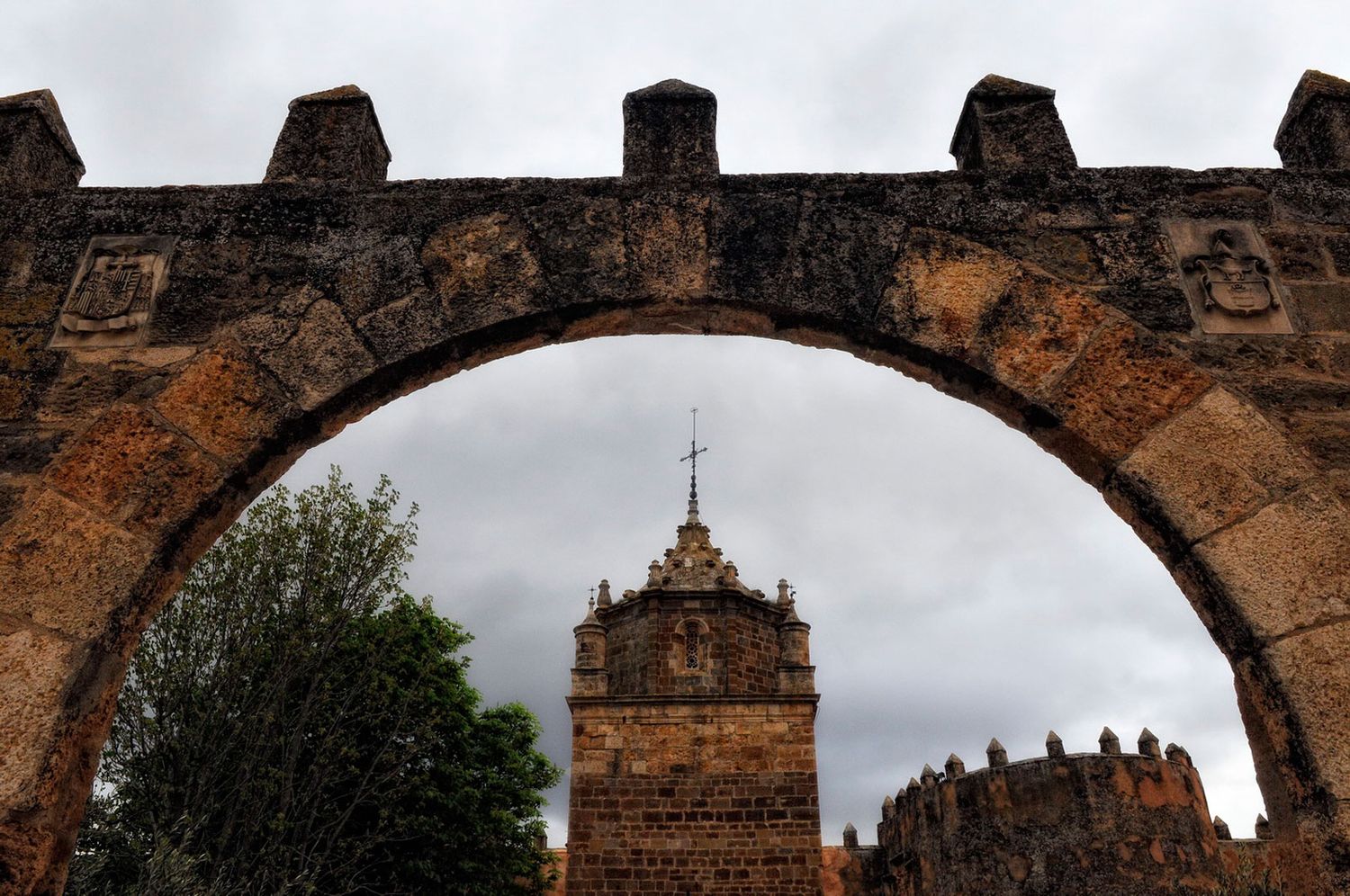
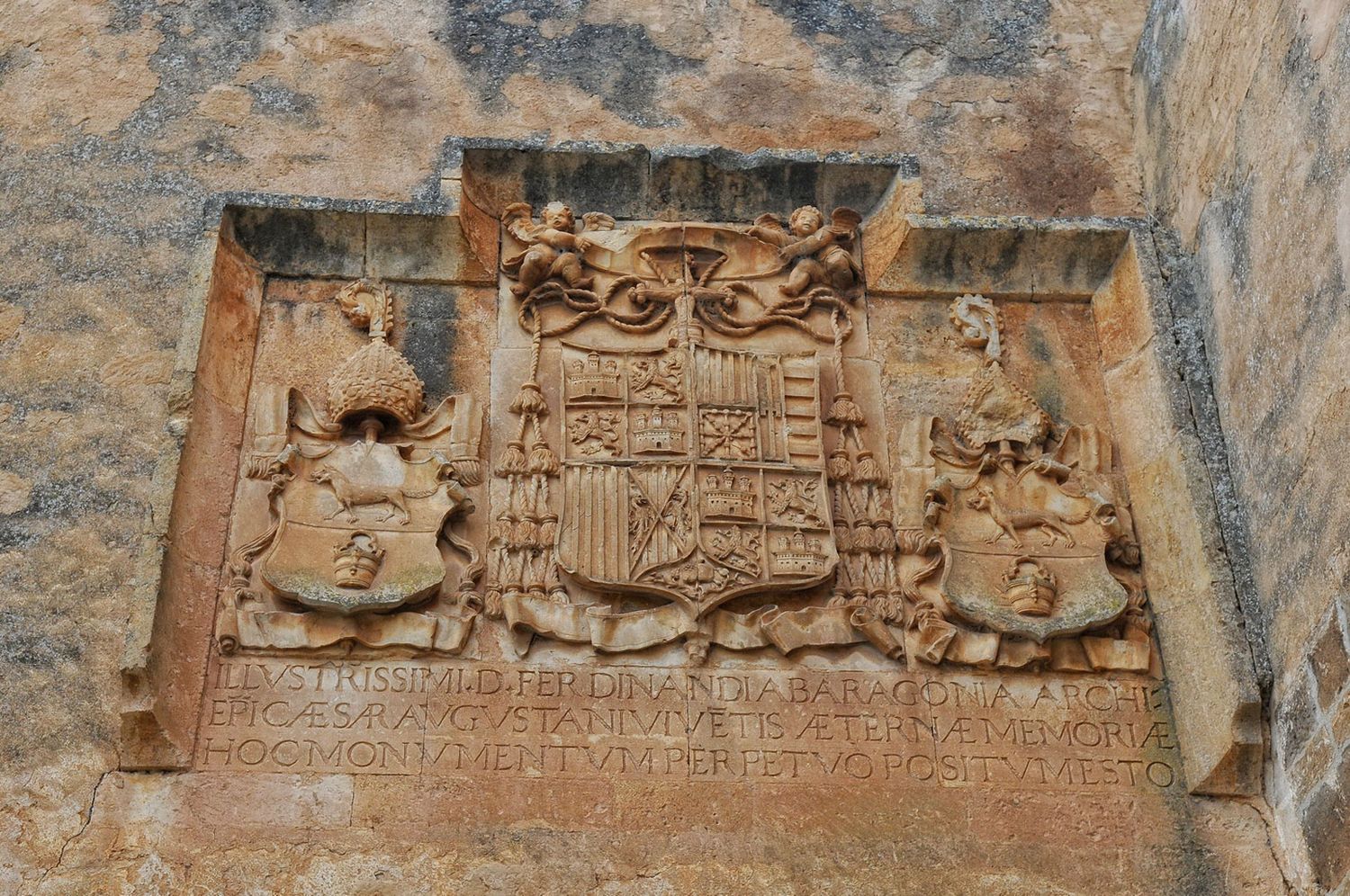
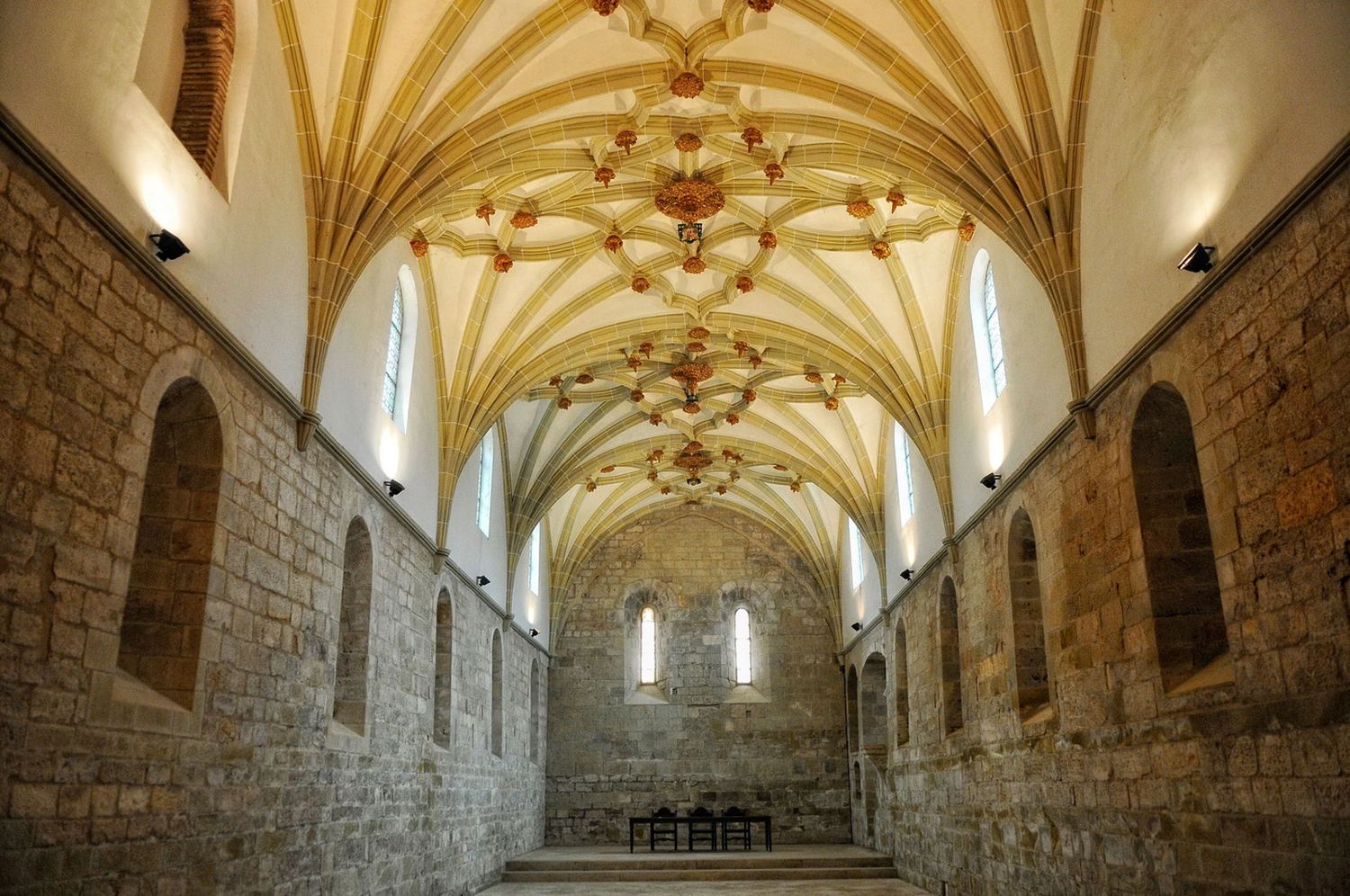
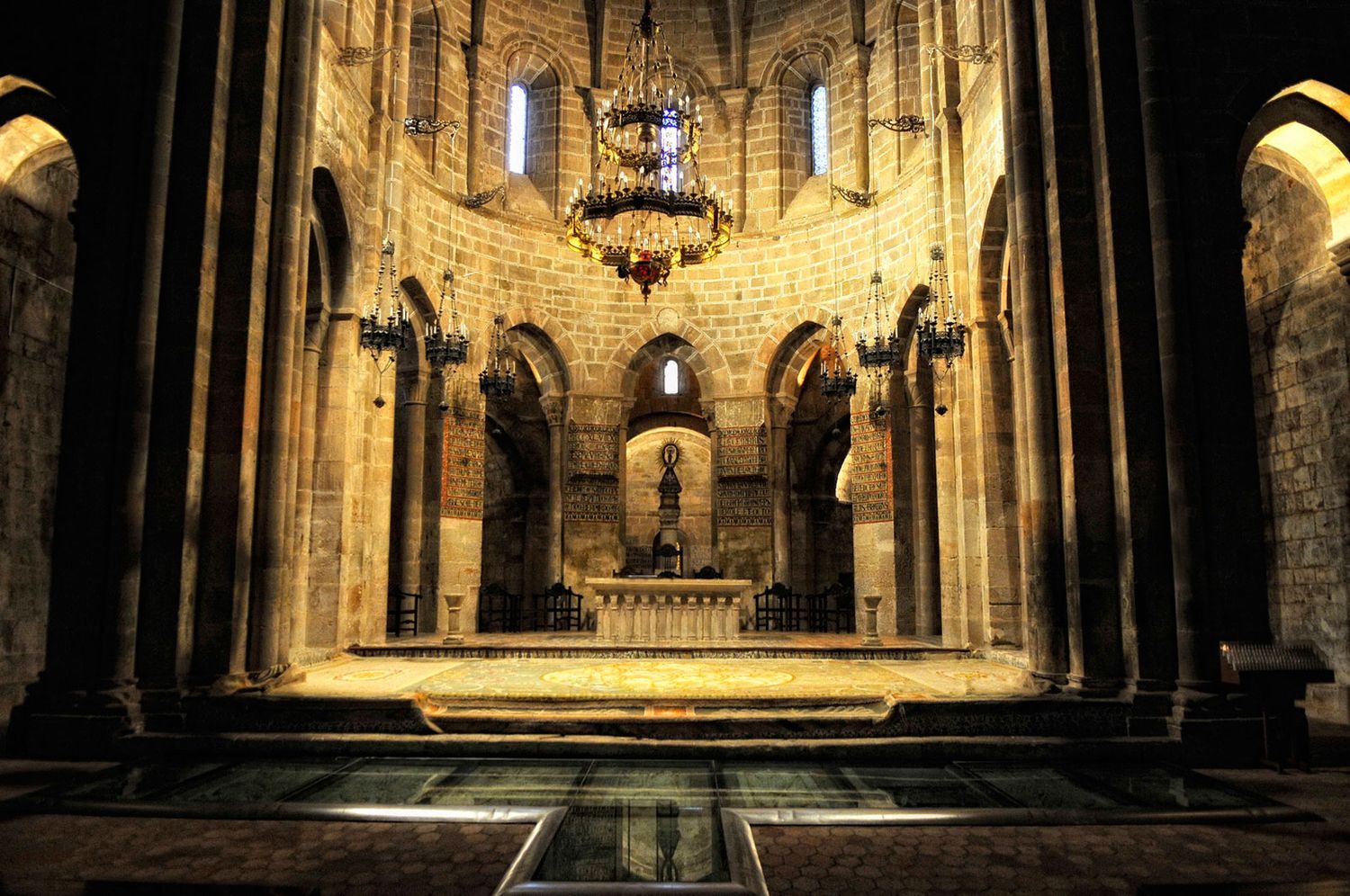
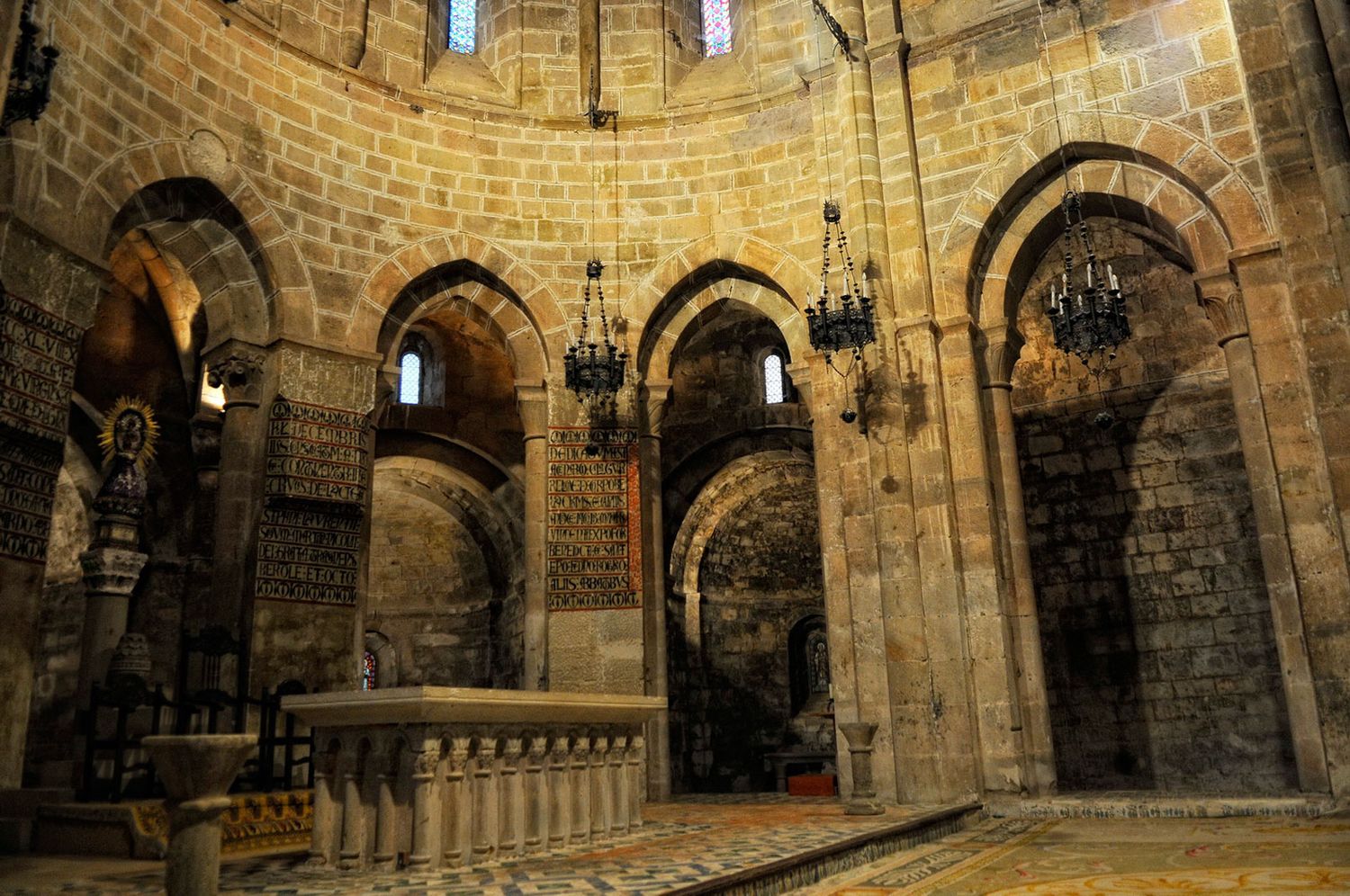
Founded in 1145, the Royal Monastery of Santa María de Veruela was the first Cistercian monastery established in Aragón. The Romanesque church was consecrated in 1248, while later centuries added Gothic, Renaissance, and defensive elements, including the fortified walls and towers that surround the complex.
Today, Veruela Abbey is one of Spain's best-preserved medieval monasteries and is protected as a National Historic-Artistic Monument. Beyond its architectural significance, it continues to offer visitors a rare sense of peace, reflecting the Cistercian ideals of simplicity, balance, and contemplation that shaped the monastery for nearly nine centuries.