Medieval · Castles of Spain
Where History Meets Legend
Some places are remembered for what happened there.
Others are remembered for the stories people continue to tell. Trasmoz
is both.
Medieval · Castles of Spain · Castle of Trasmoz · Where History Meets Legend
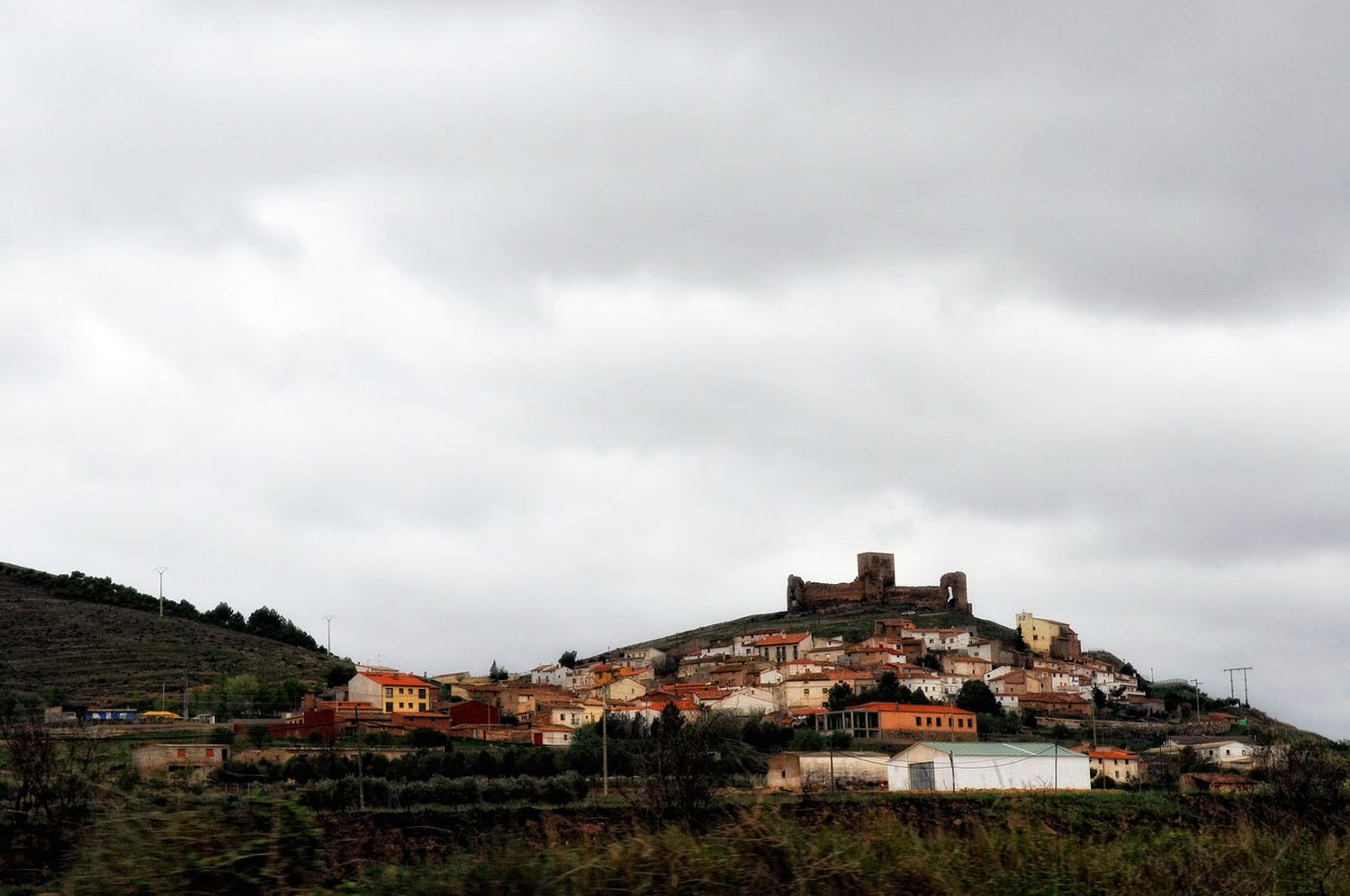
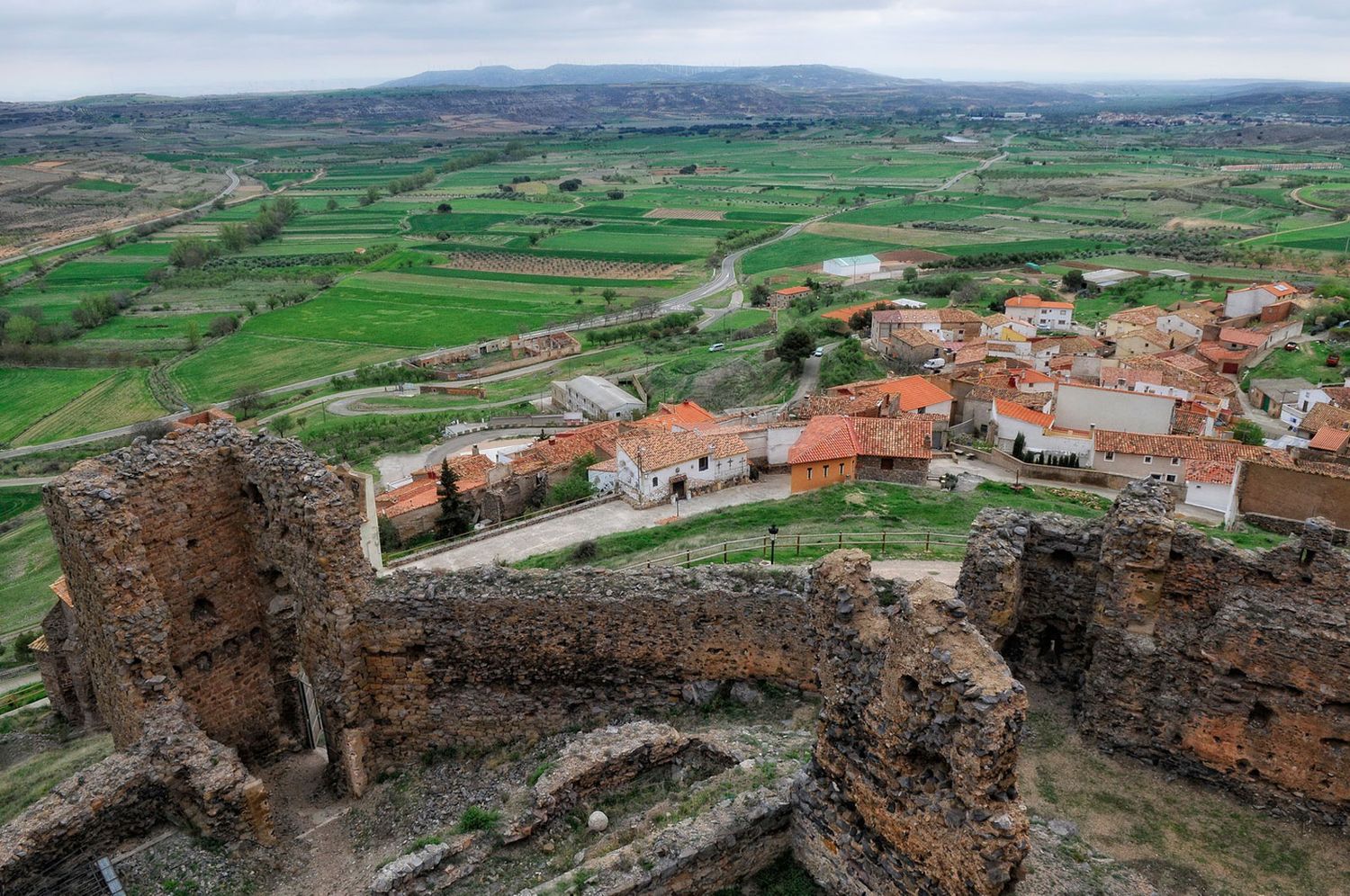
Before I ever saw the castle, I knew Trasmoz by another name: Spain's Village of Witches. It is impossible to arrive without a sense of curiosity. As I wandered through the quiet streets, I couldn't help wondering how much of what I had heard was history and how much belonged to legend. There was an unexpected stillness about the village, and as I climbed toward the castle overlooking Moncayo, it was easy to understand why stories have lingered here for centuries.
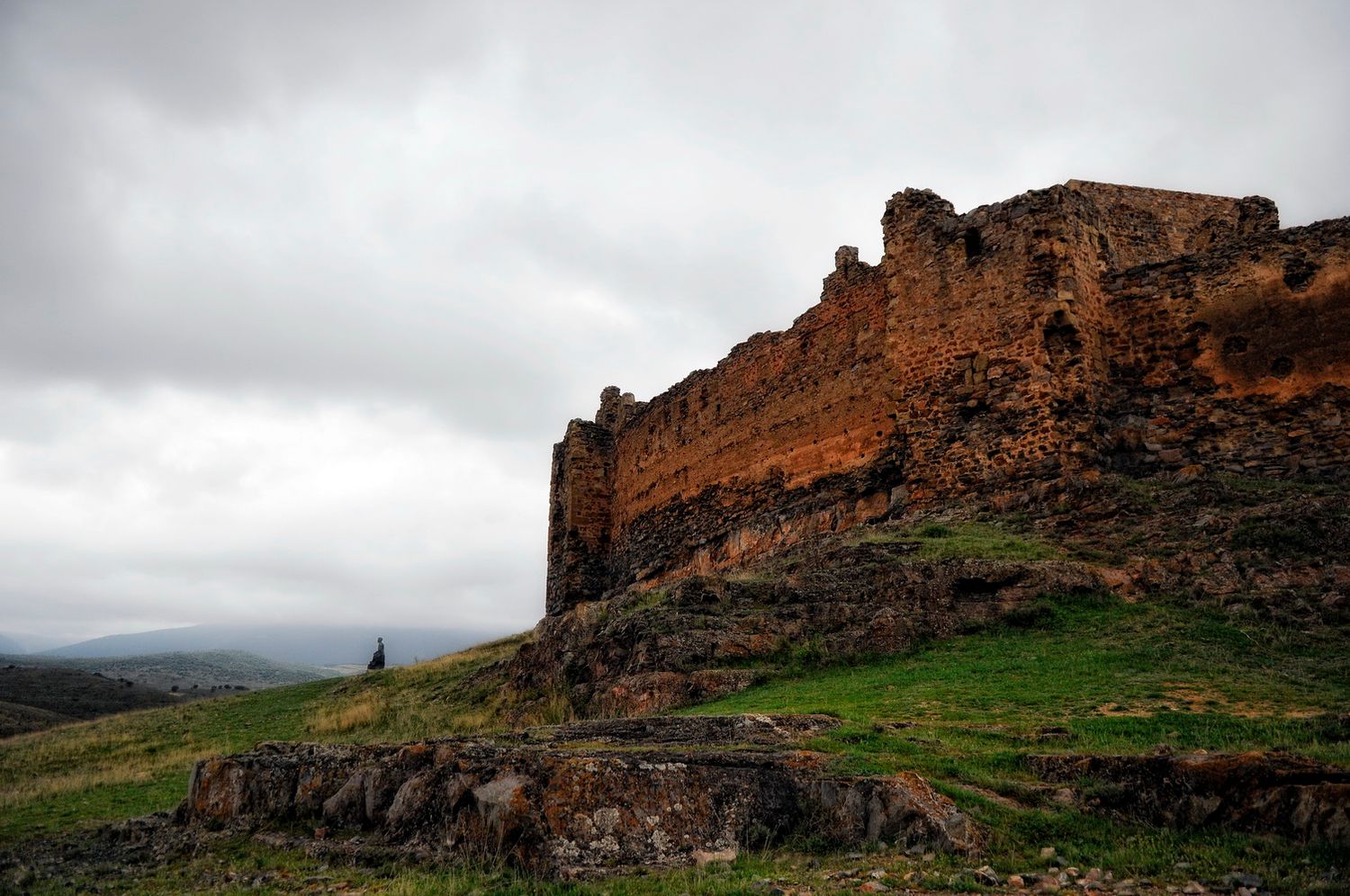
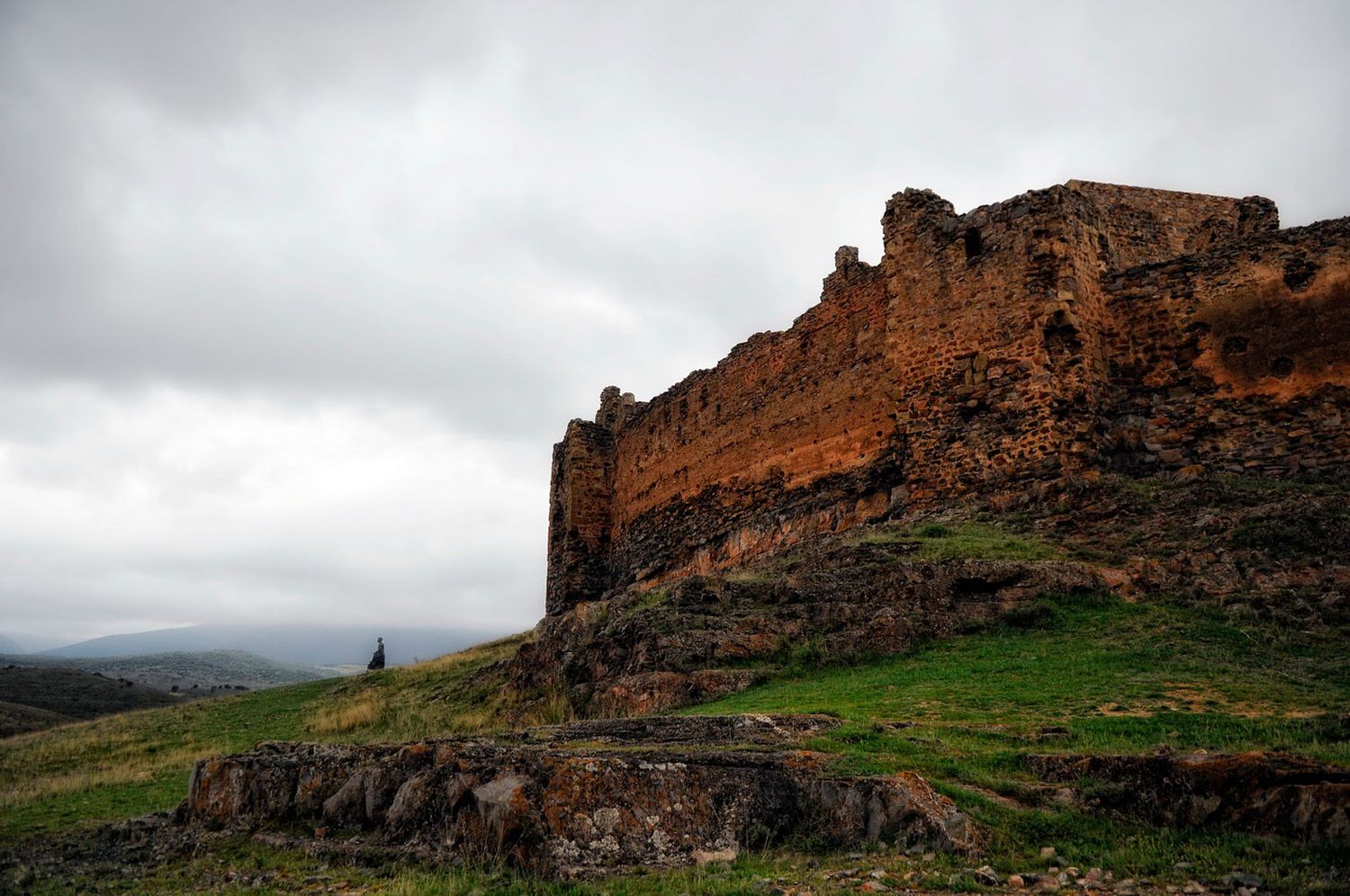
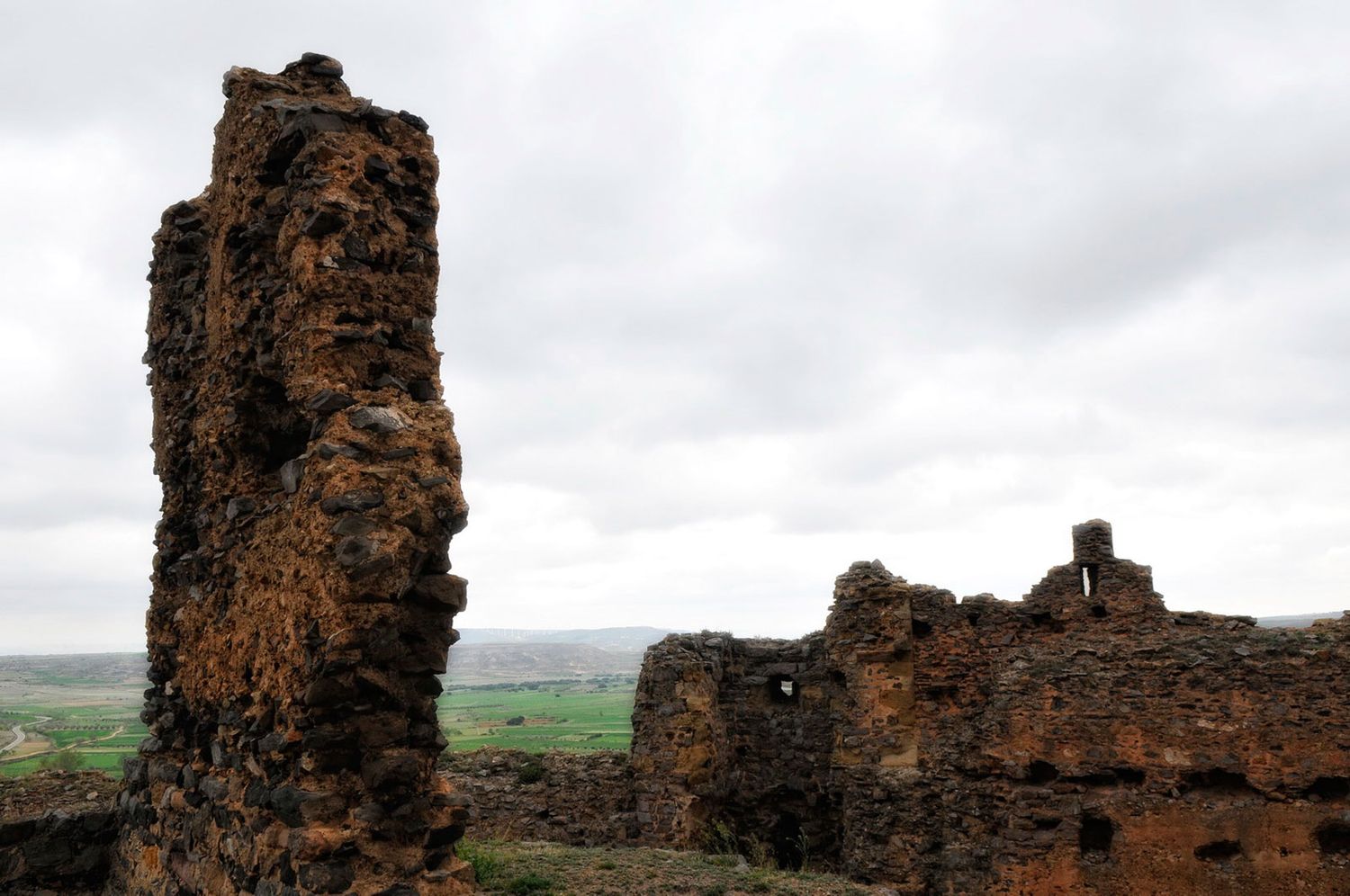
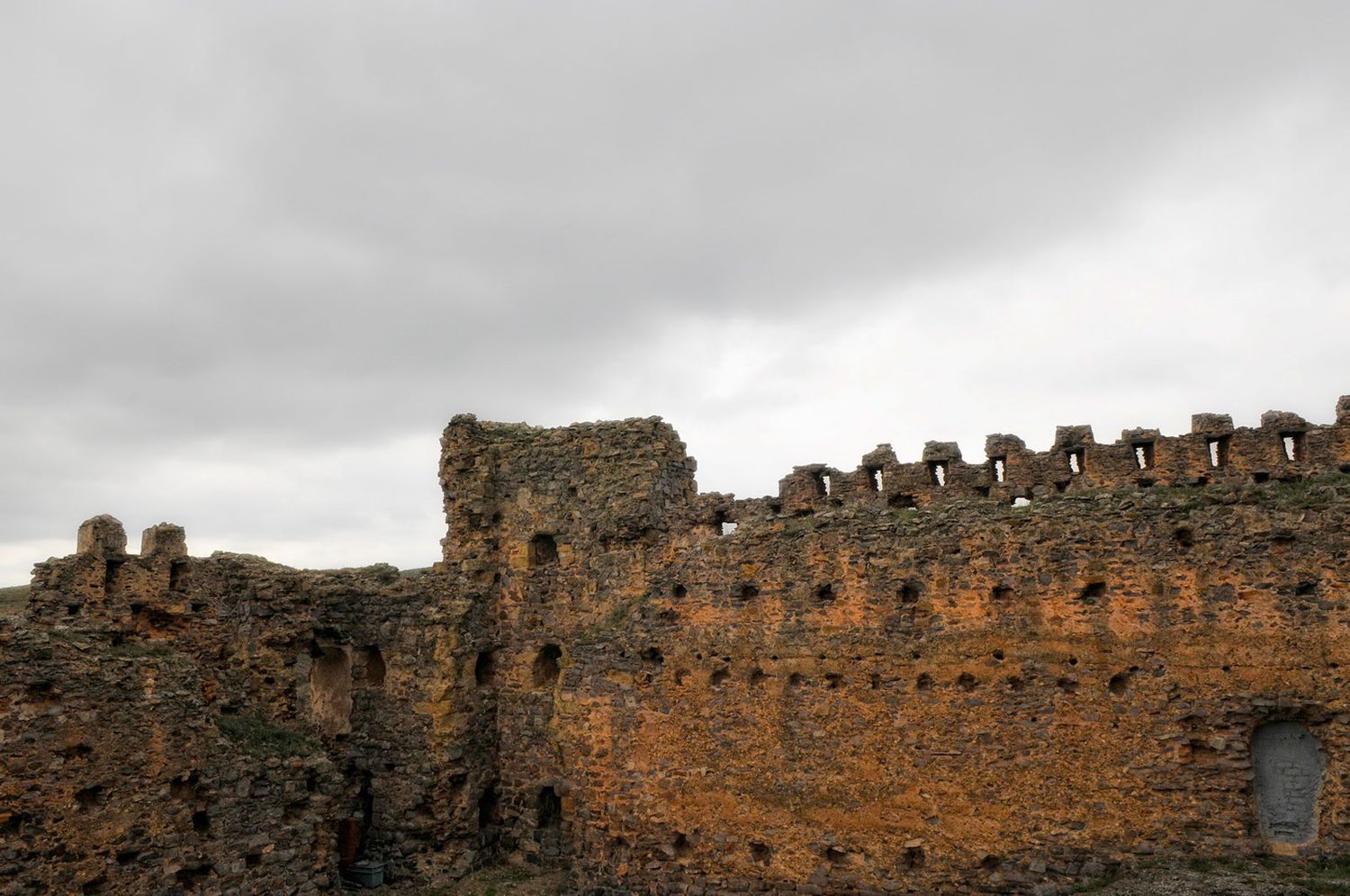
The castle rises above the village almost as though it belongs to the clouds more than the earth. Wind sweeps across the hilltop, weathered stone catches the changing light, and the mountains stretch endlessly beyond its walls. Standing there, I realized the setting itself invites the imagination long before anyone tells you its history.
Built in the twelfth century, the Castle of Trasmoz once guarded the frontier between the Kingdoms of Aragón and Navarre. Like many Spanish castles, it was constructed to defend territory during a time when borders shifted constantly. It was a military fortress first, but over the centuries it became famous for something far less tangible:
its legends.
For generations, the village has been associated with witches, curses, and mysterious rituals said to have taken place on nearby Moncayo. A bitter dispute with the neighboring Monastery of Veruela led to Trasmoz's excommunication in the thirteenth century—an extraordinary punishment that, according to local tradition, has never officially been revoked. Whether history, folklore, or somewhere between the two, these stories have become inseparable from both the village and its castle.
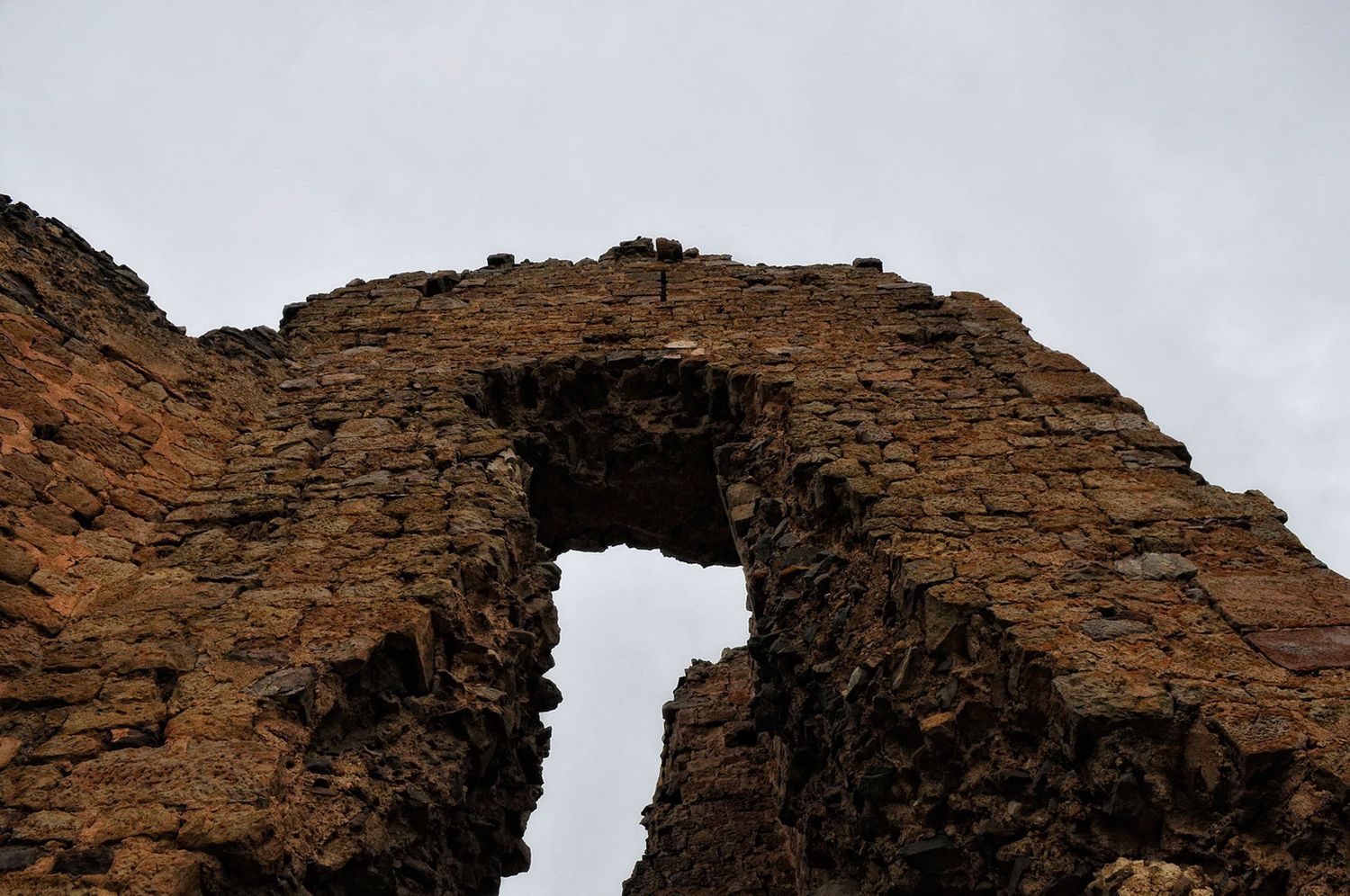
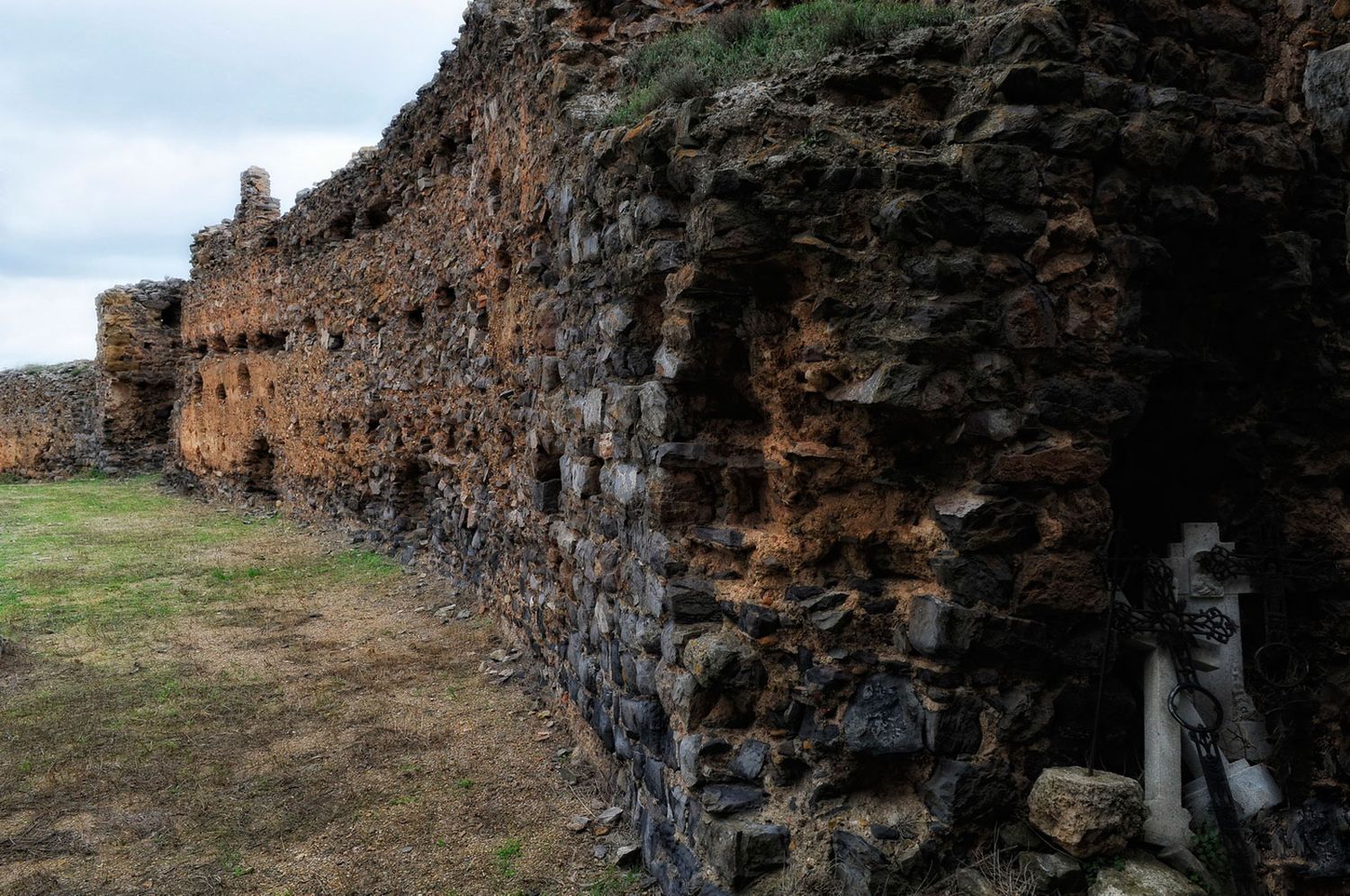
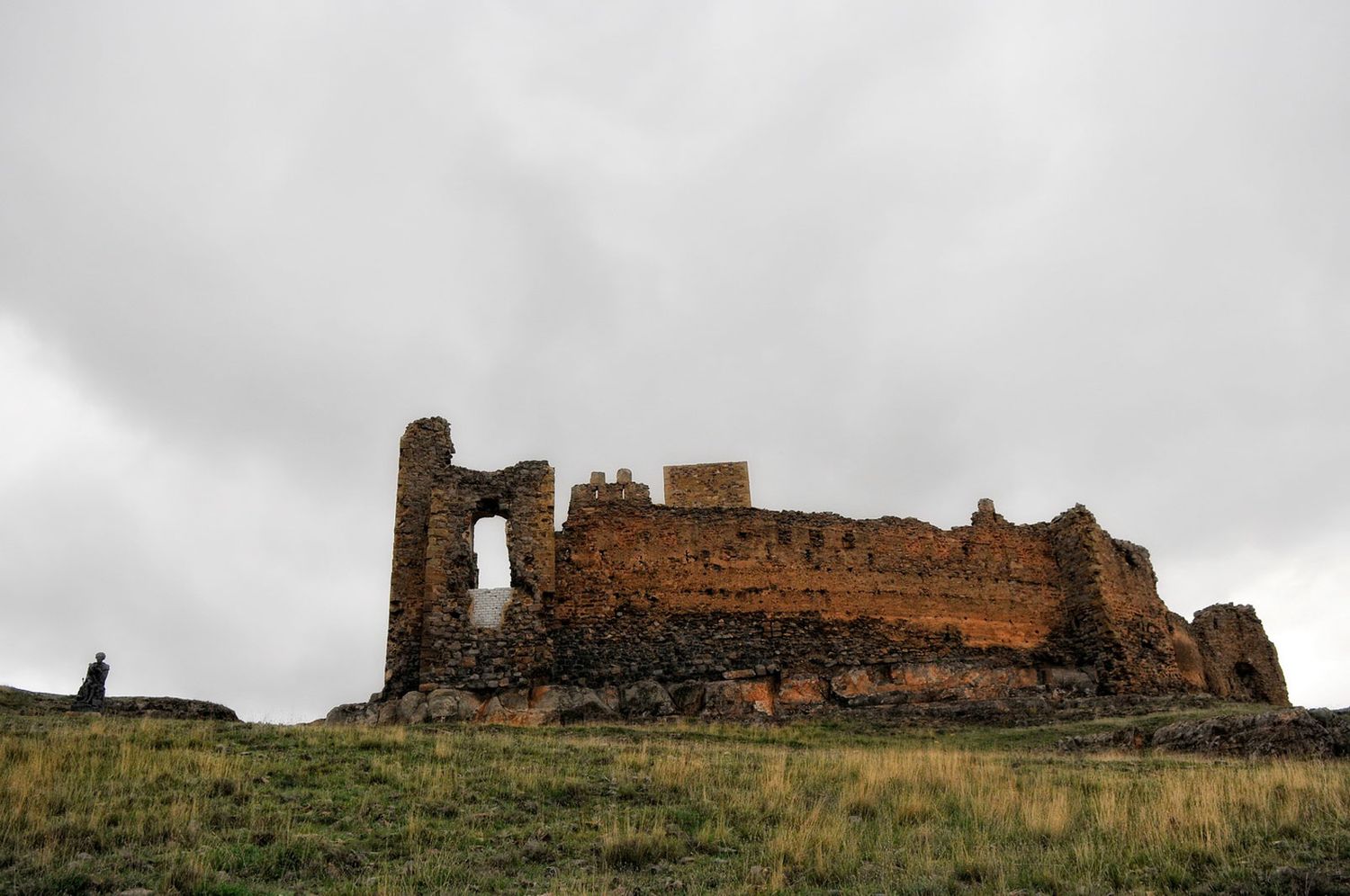
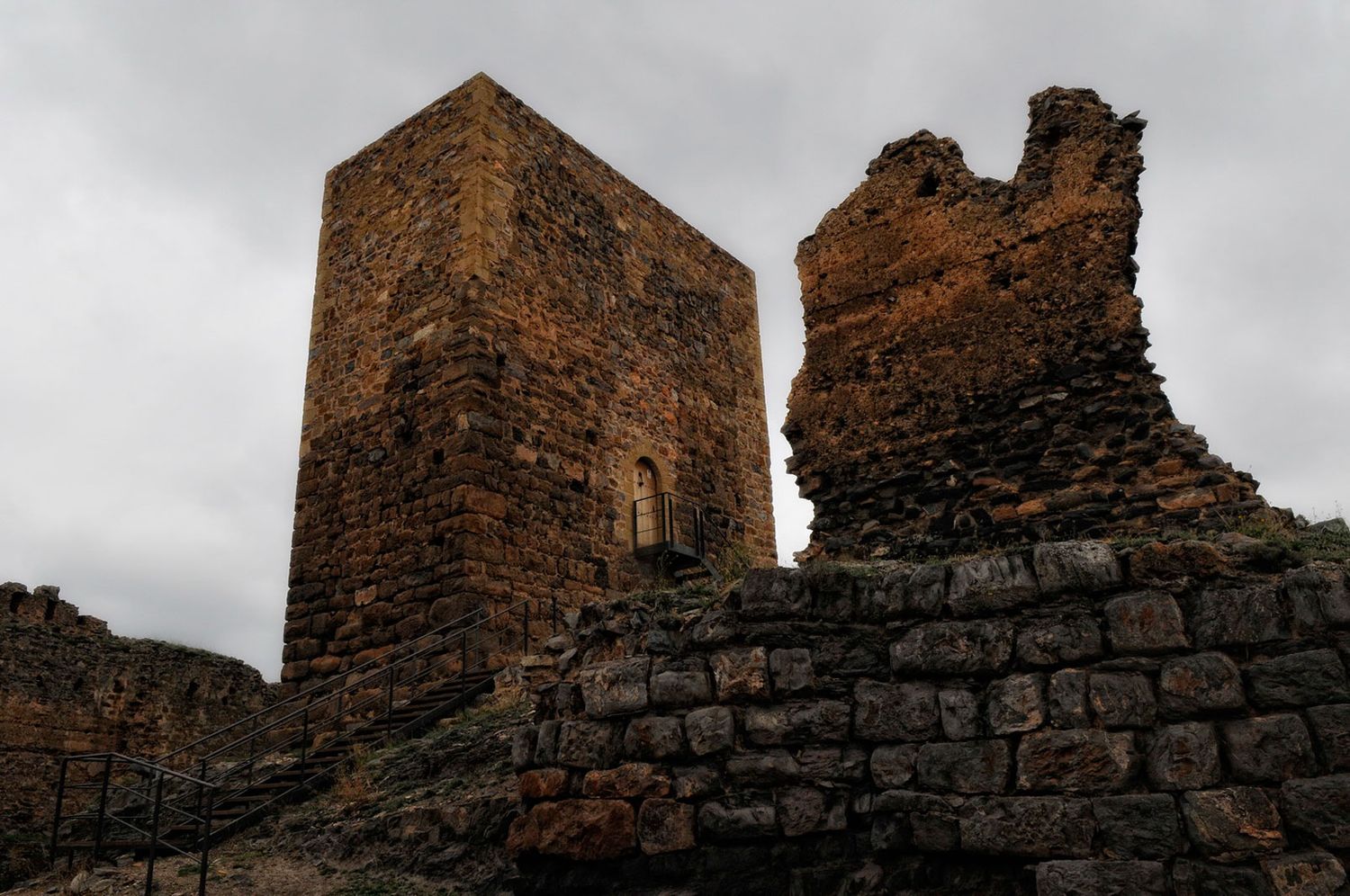
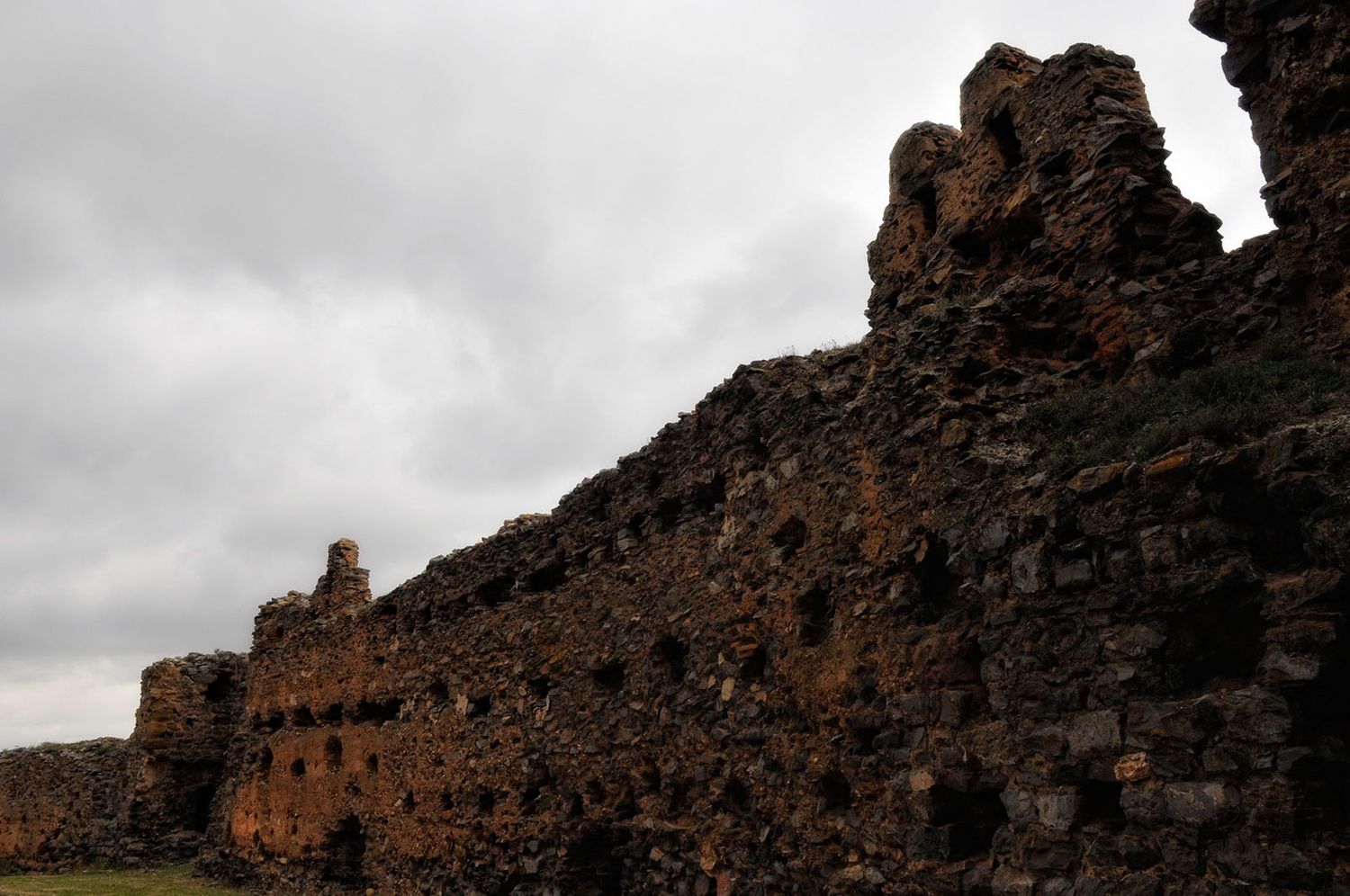
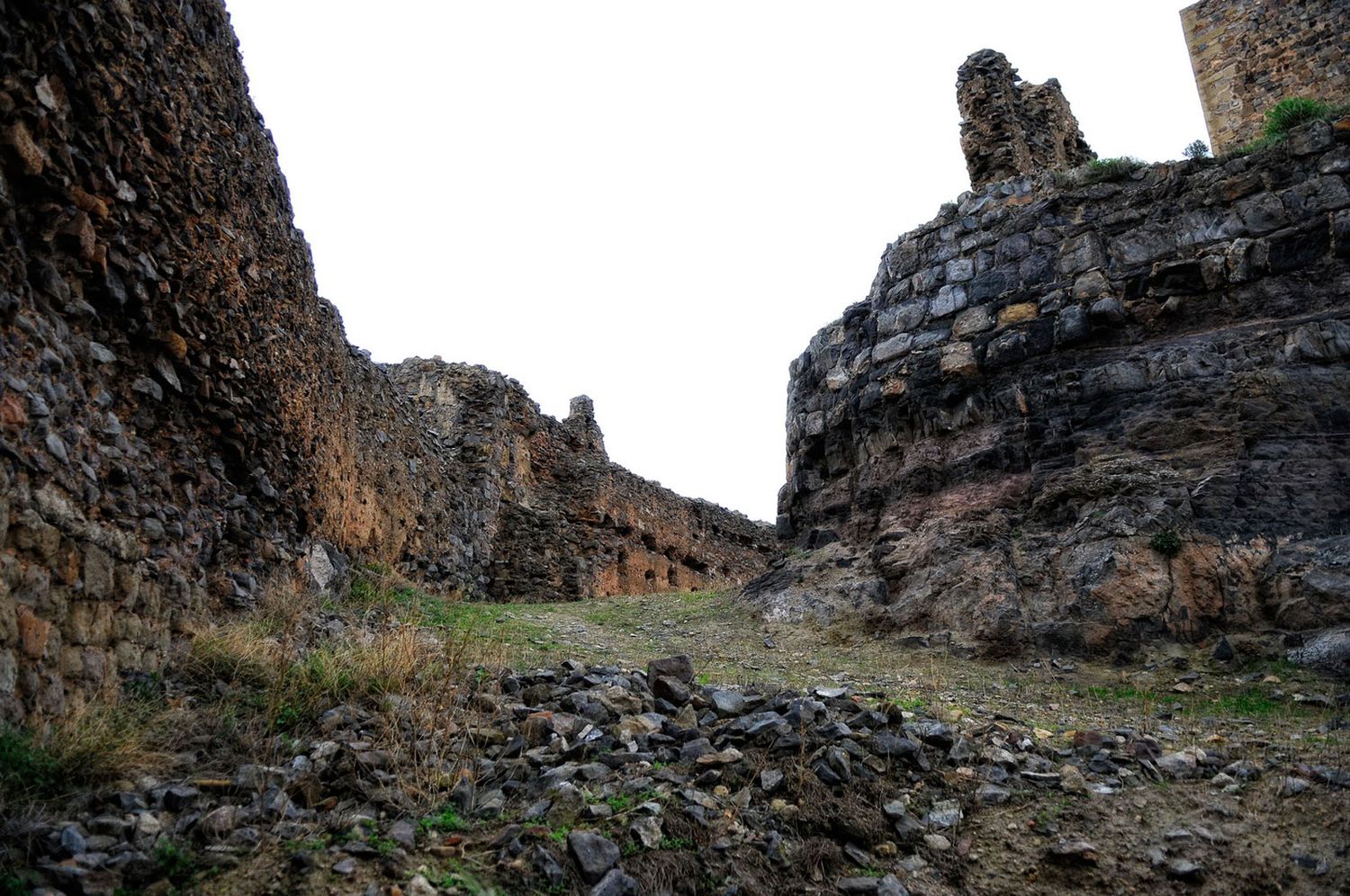
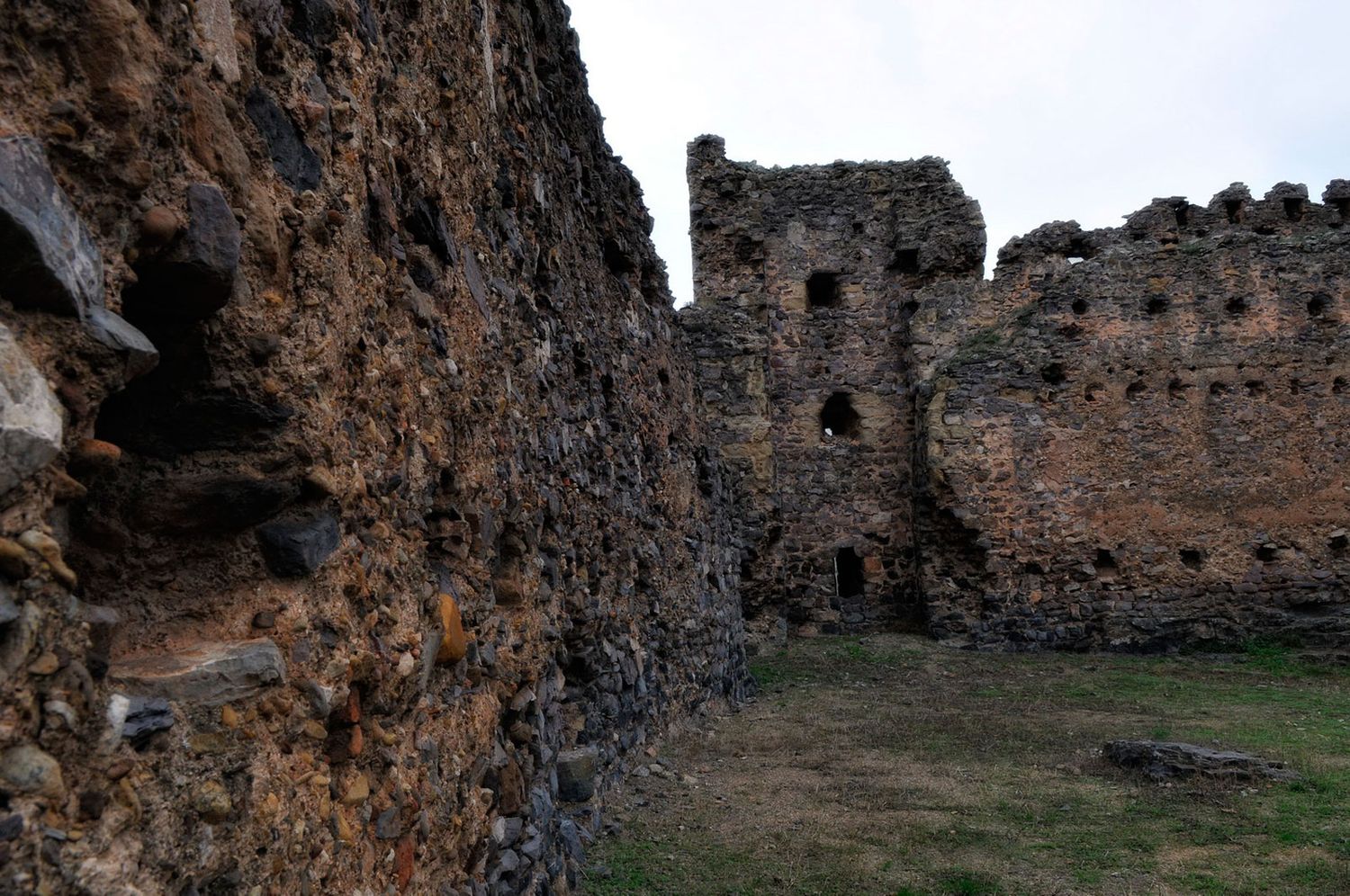
Walking through the ruins, I found myself photographing more than weathered stone. I was photographing imagination. Empty windows framed distant mountains. Narrow doorways opened into forgotten rooms. Every wall seemed to invite another question, another story, another possibility.
I arrived expecting to photograph a medieval castle. I left realizing the real subject wasn't the fortress at all. It was the centuries of stories that still echo through its empty rooms, reminding me that some places live on as much through imagination as they do through history.
Looking Closer
The Castle of Trasmoz is one of Aragón's best-preserved medieval fortresses. The oldest surviving sections, including its Torre del Homenaje (keep), date from the twelfth century, when it was built to defend the frontier between the Kingdoms of Aragón and Navarre. Historians classify it as a Christian medieval military castle, reflecting its strategic role during the Middle Ages.
Today, the village of Trasmoz is widely known as Spain's "Village of Witches." Centuries of local folklore, together with its historic dispute with the nearby Monastery of Veruela, gave rise to tales of witches, curses and supernatural gatherings associated with nearby Moncayo. These legends were later popularised by the writer Gustavo Adolfo Bécquer in Cartas desde mi celda, making Trasmoz one of Spain's most distinctive places where medieval history and folklore remain inseparable. Ref. Ayuntamiento de Trasmoz; SIPCA (Sistema de Información del Patrimonio Cultural Aragonés); Gobierno de Aragón; Gustavo Adolfo Bécquer, Cartas desde mi celda.