The Electrician · Memory
Keeping the Lights On
Every community depends on people whose work is noticed only when it disappears.
The Electrician · Memory · Keeping the Lights On
Before electricity arrived through modern power lines, many villages across Spain generated their own. Hidden beside rivers and streams, modest hydroelectric stations transformed the force of moving water into light for homes, schools, and streets. Long before the national grid reached rural Aragón, entire communities depended on local knowledge to keep the village running.
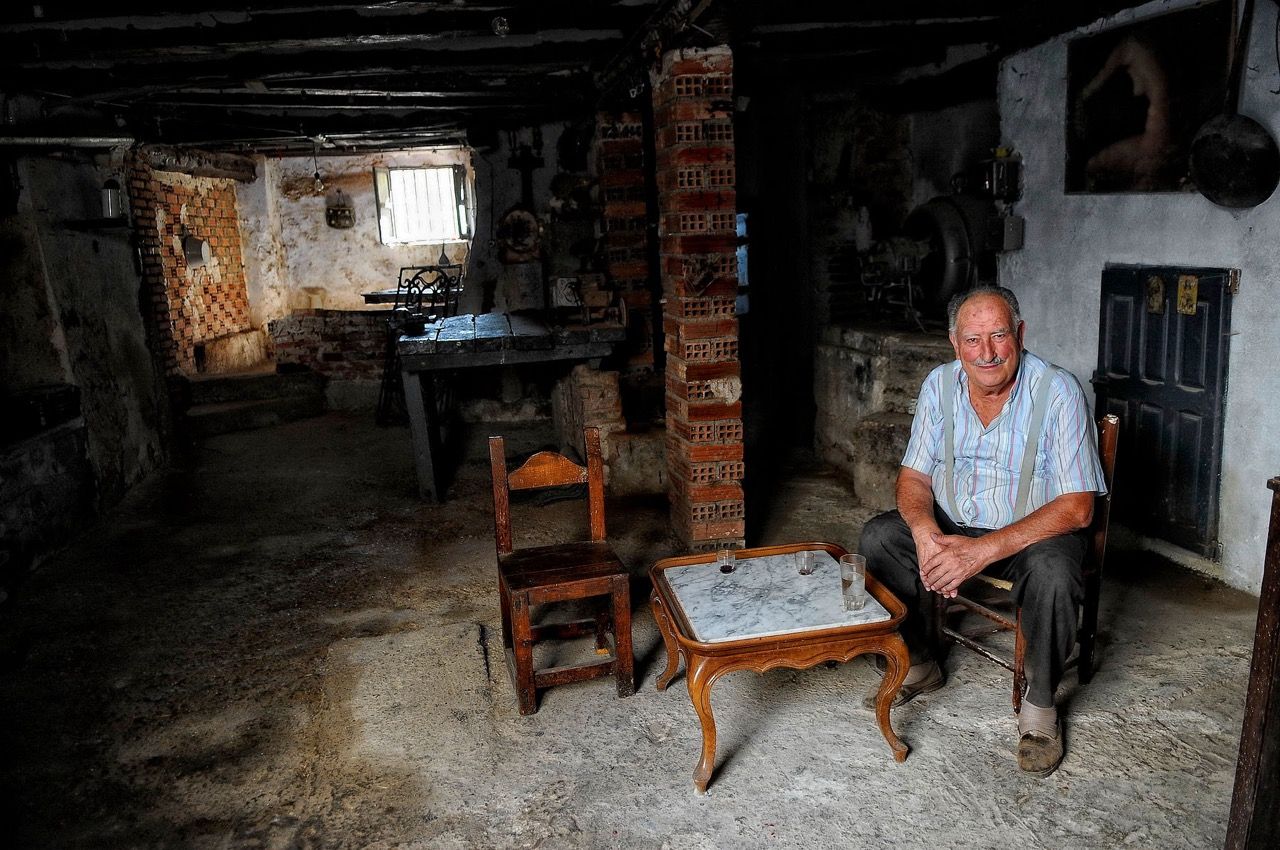
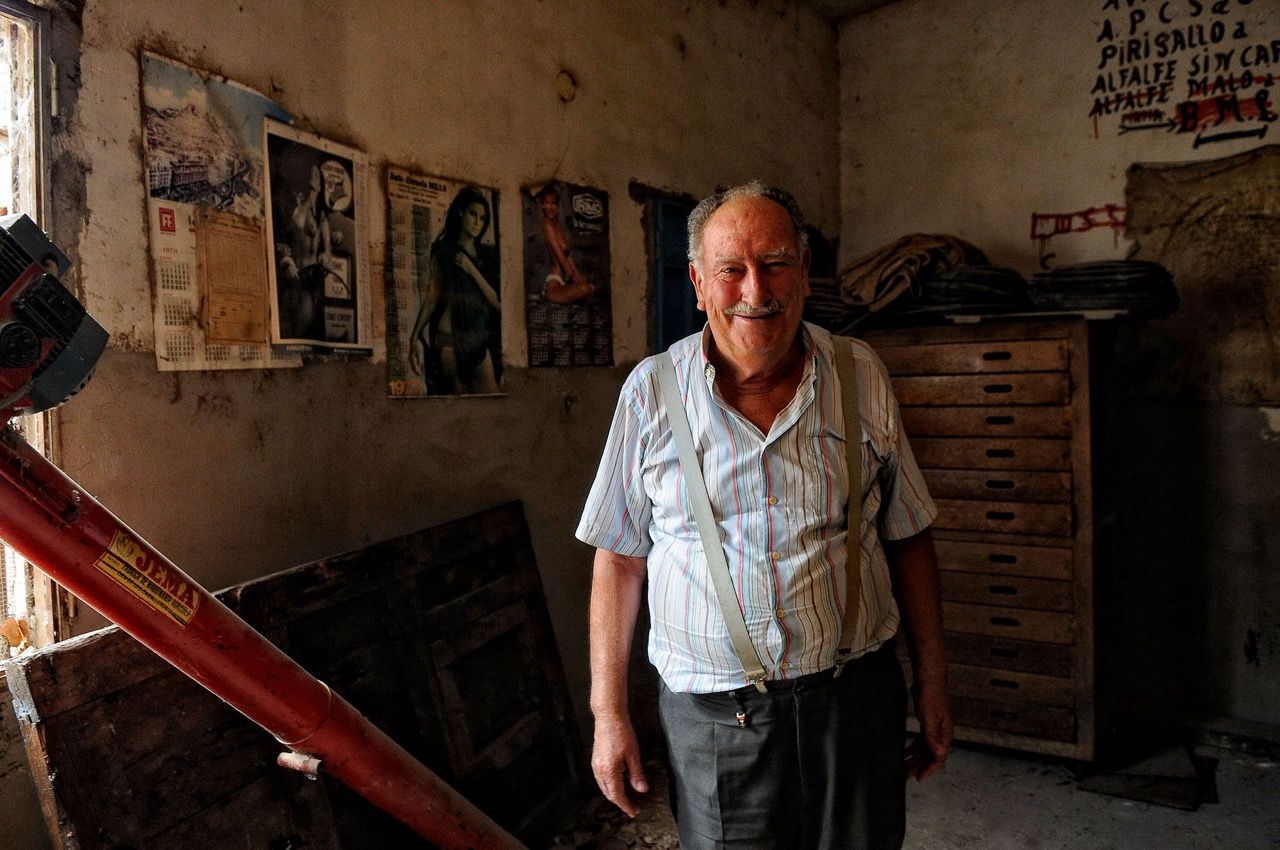
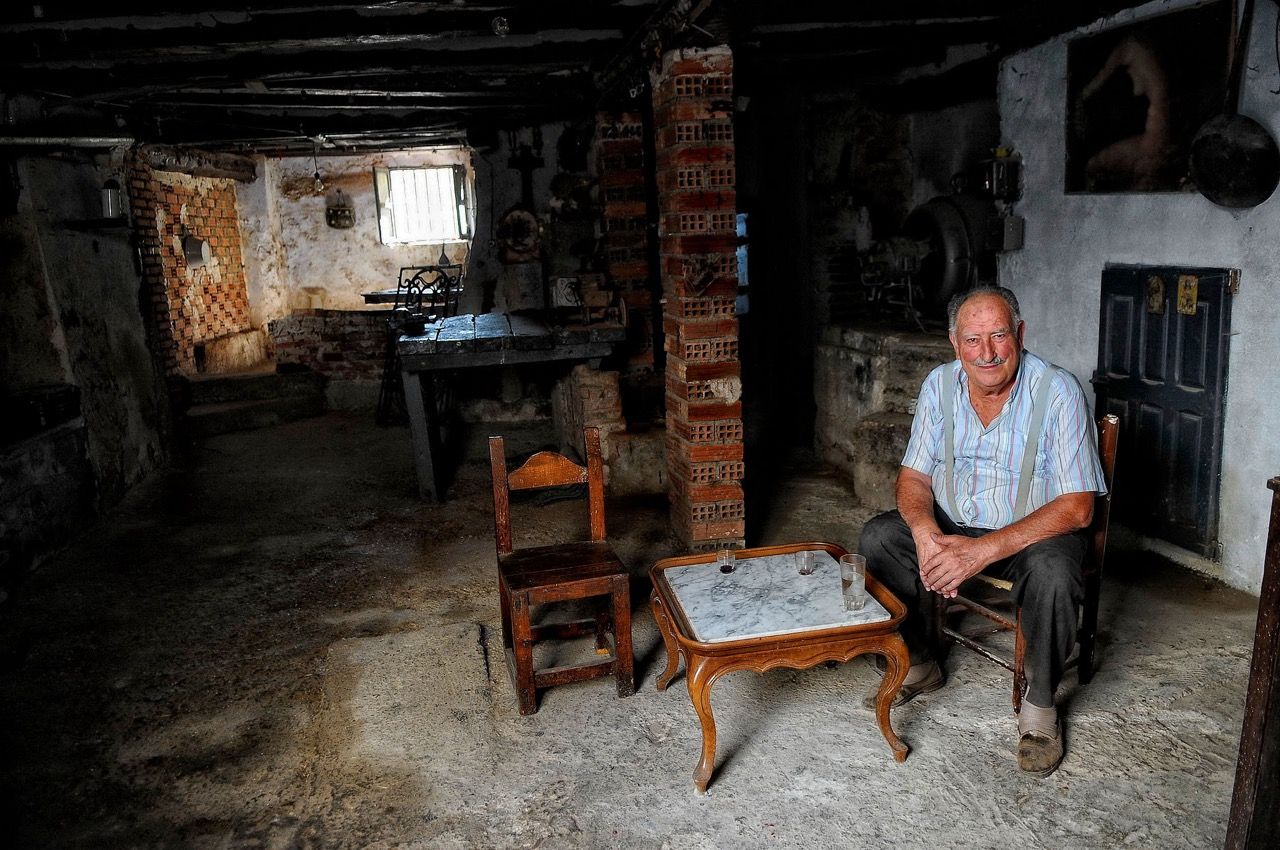
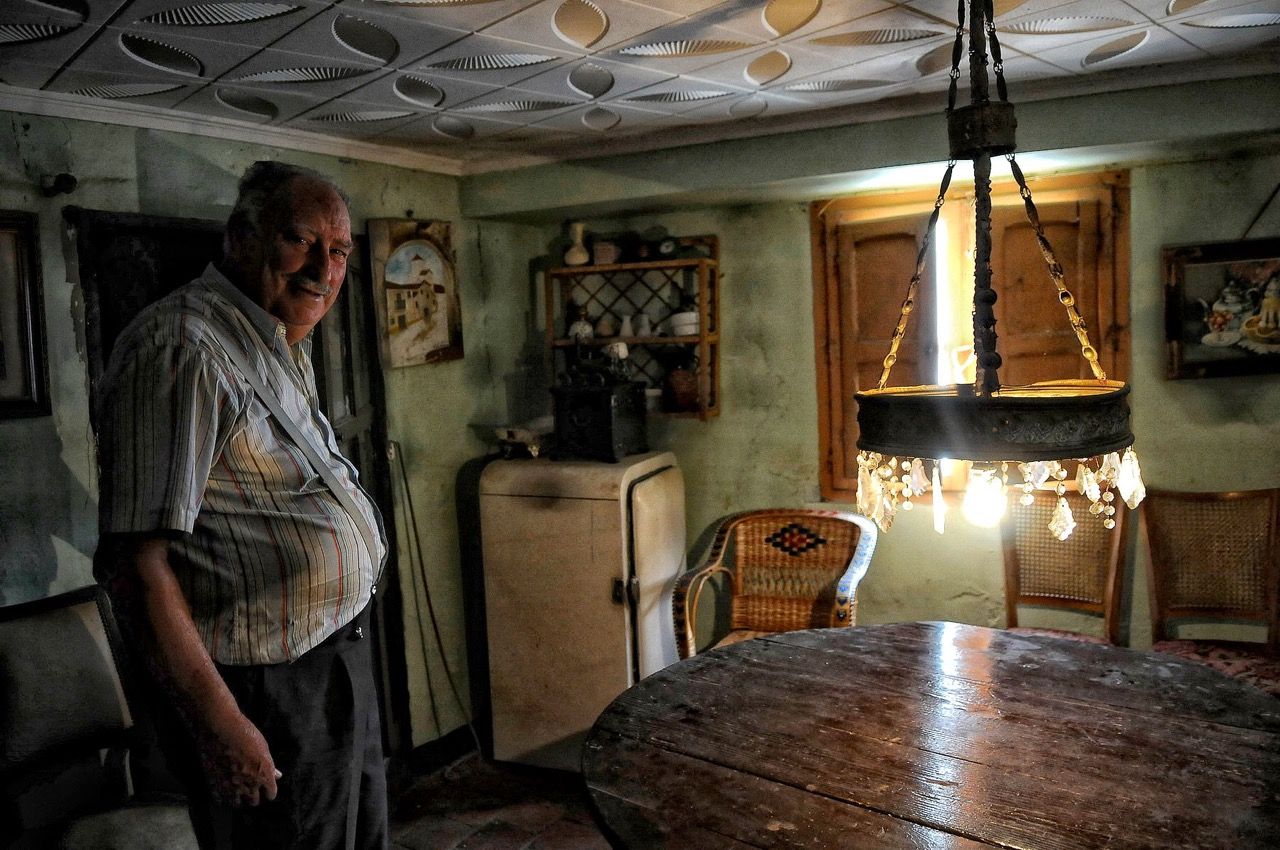
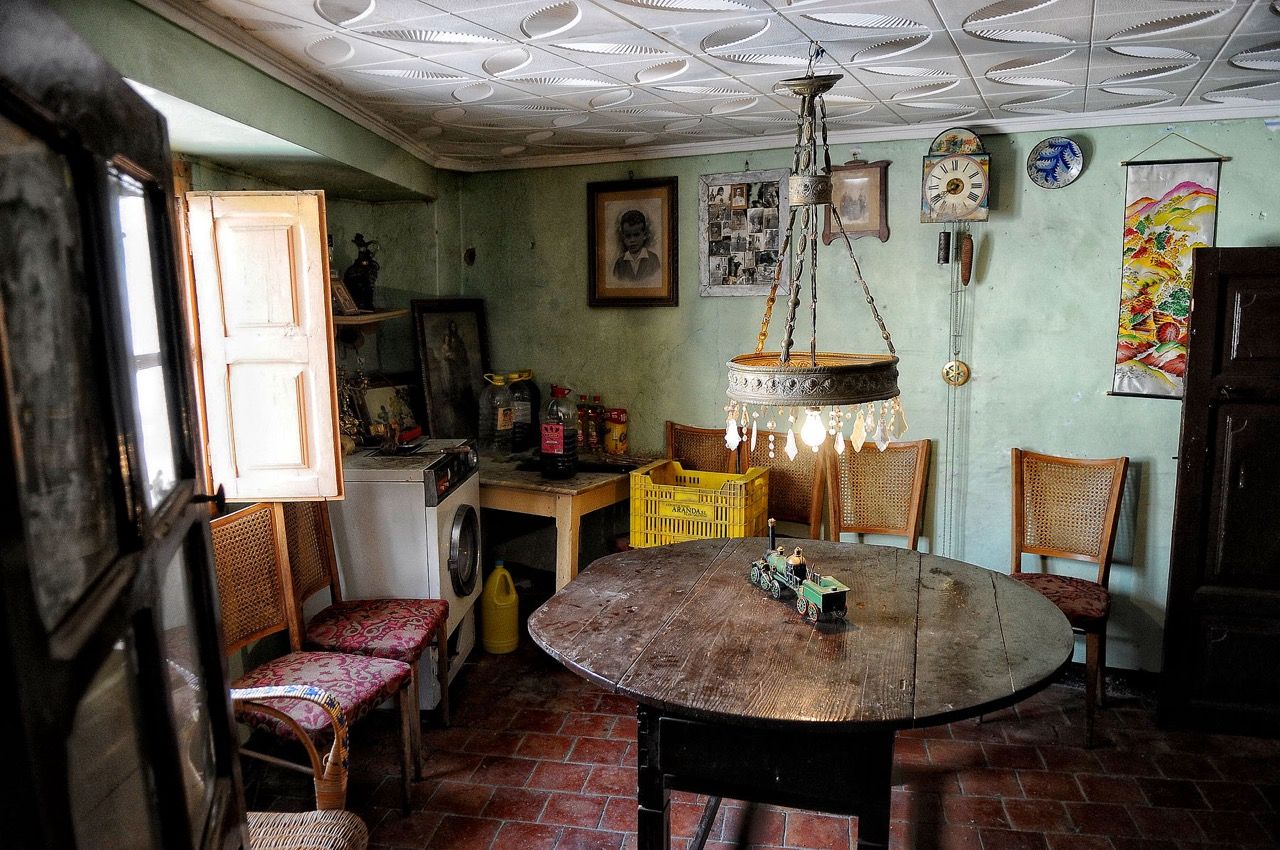
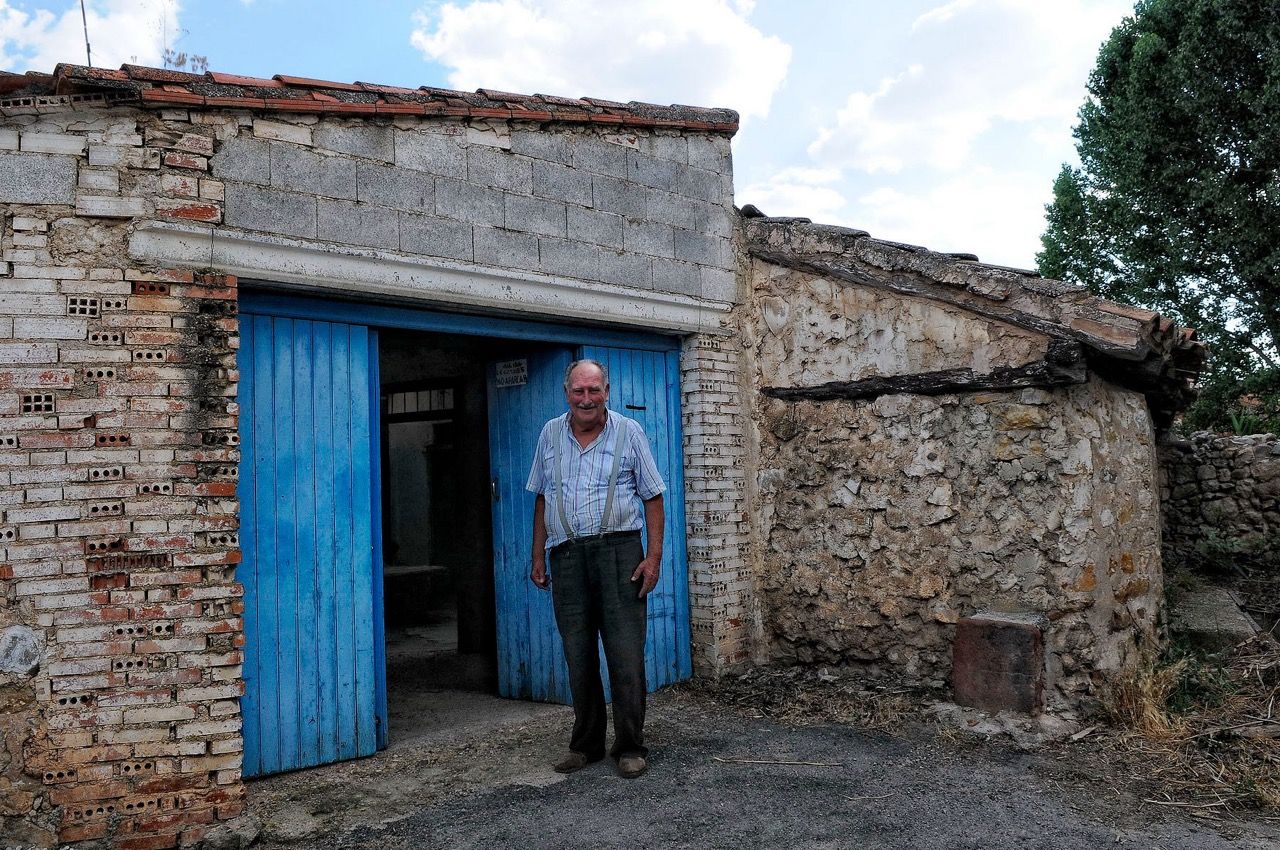
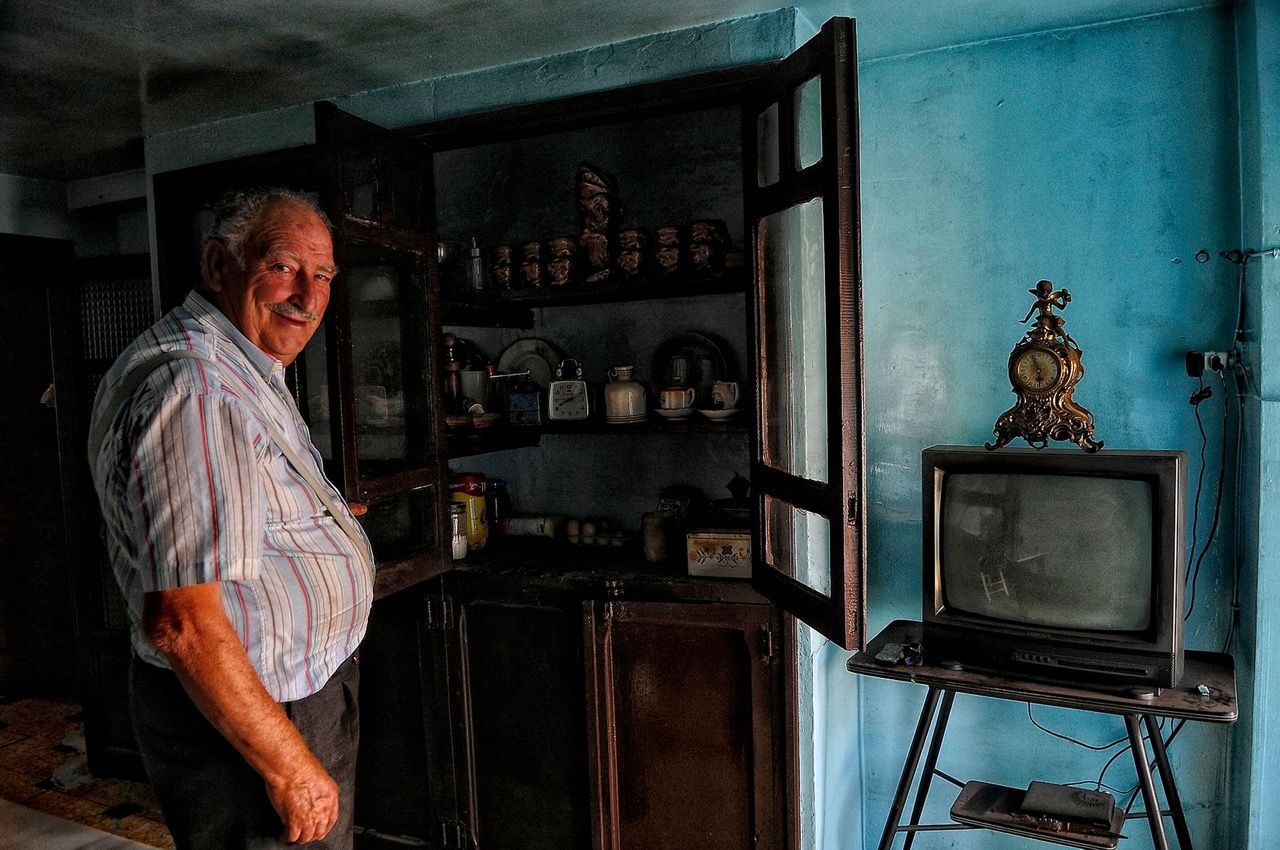
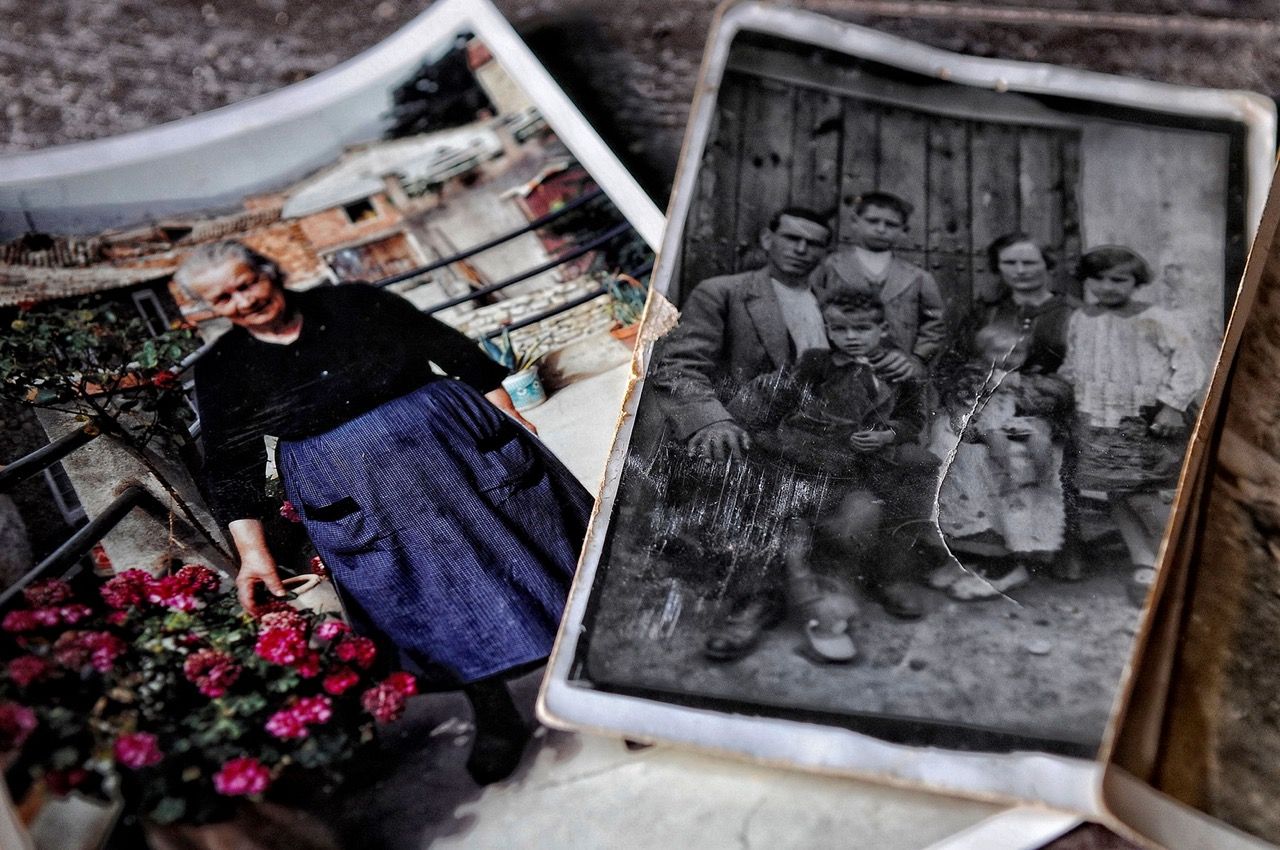
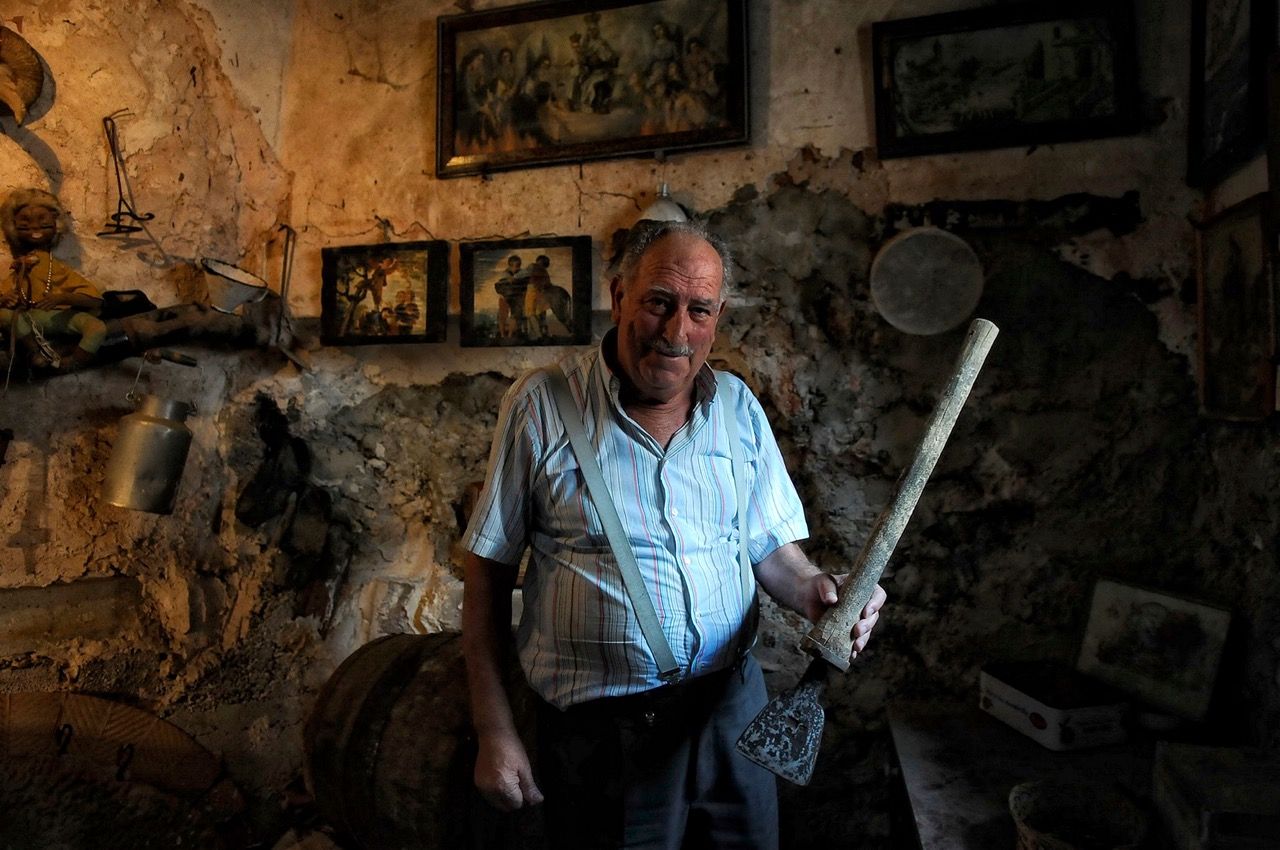
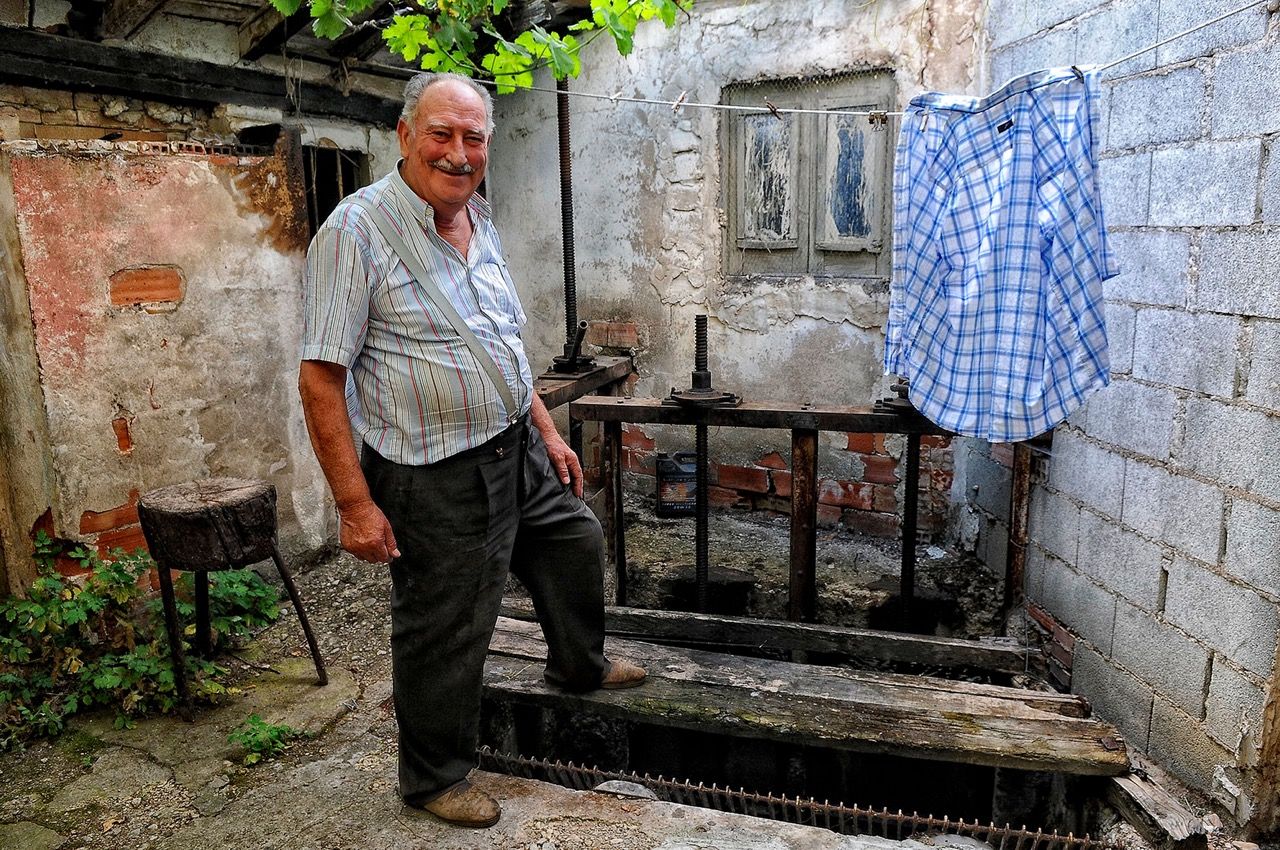
When I met him, he no longer maintained the machinery. Instead, he had become its storyteller. He welcomed me first into the old hydroelectric station, then into his home, where faded photographs, worn furniture, and decades of memories quietly filled every room. Walking beside him felt like stepping back through time. The generators had long fallen silent, but the stories they held had not.
As we wandered through the buildings, he spoke less about electricity than about the people whose lives had revolved around it. Families who once lived nearby. Children who grew up in the village. Neighbors who depended on one another long before electricity arrived at the flick of a switch. As I photographed him, I realized that the house and the power station were telling the same story. The old machines, family photographs, weathered walls, and quiet rooms all spoke of lives that had unfolded there. Together, they preserved a way of life that had almost disappeared.
Living in Spain has taught me that history isn't preserved only in castles, churches, or museums. Sometimes it survives through the memories of the people who refuse to let it be forgotten. When I left Gea de Albarracín, I realized I hadn't simply photographed an old hydroelectric station.
I had photographed a living connection between a village and its past.
Looking Closer
Before Spain's national electricity grid expanded during the twentieth century, many rural communities relied on small hydroelectric plants powered by nearby rivers and irrigation channels. These local generating stations supplied homes, workshops, schools, and street lighting, often serving several neighboring villages before eventually being replaced by larger regional networks.
The Salto de María Esperanza hydroelectric station in Gea de Albarracín was built in the 1920s by a group of local owners to provide electricity to Gea de Albarracín and the neighboring village of Cella. It remained in operation until the 1960s and survives today as an important reminder of Aragón's industrial heritage and the ingenuity of the small communities that once generated their own power.