Empty Villages · Absence
Where Silence Moved In
What disappears first isn't the building. It's the life inside it.
The Empty Villages · Absence · Where Silence Moved In
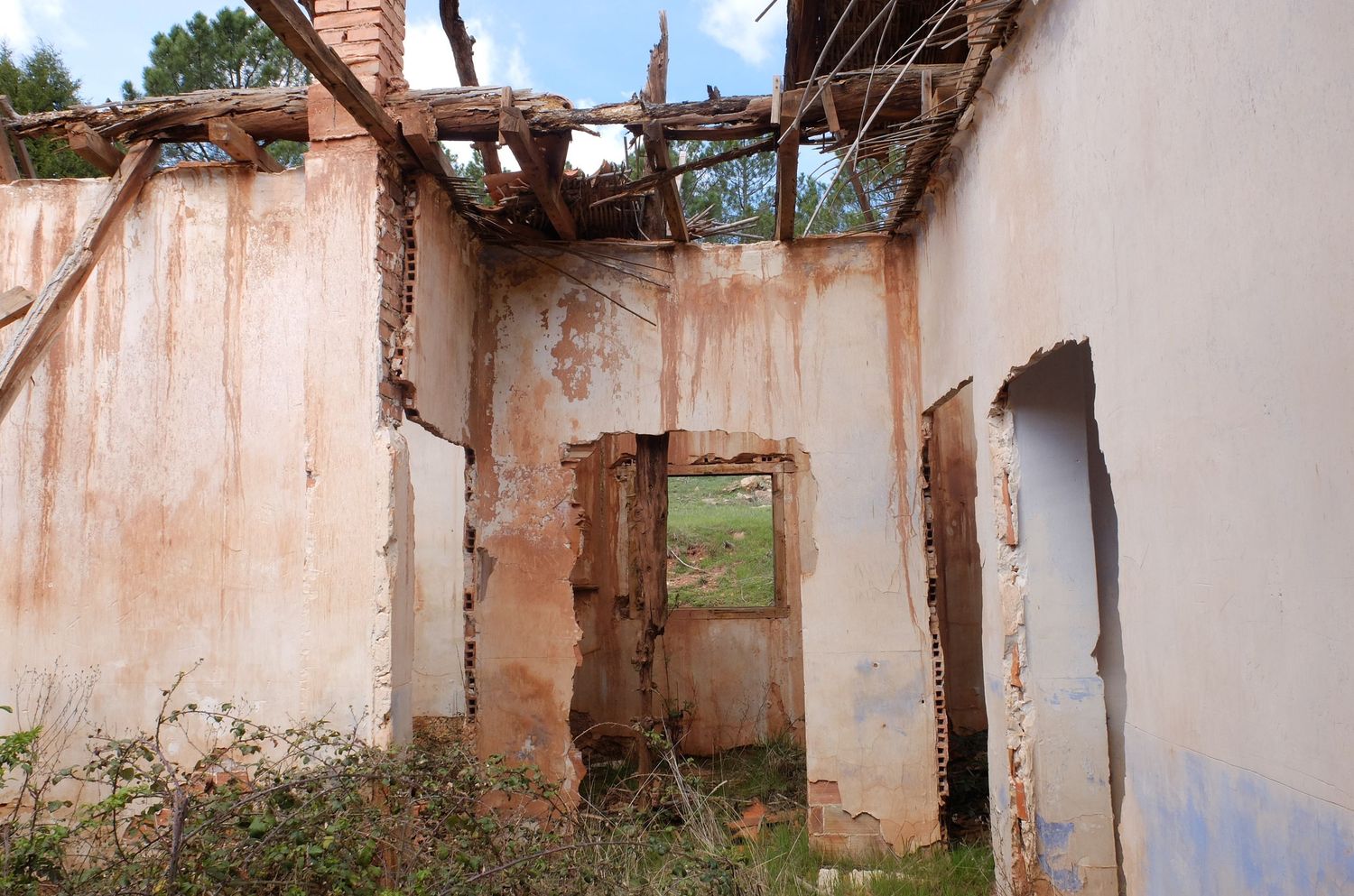
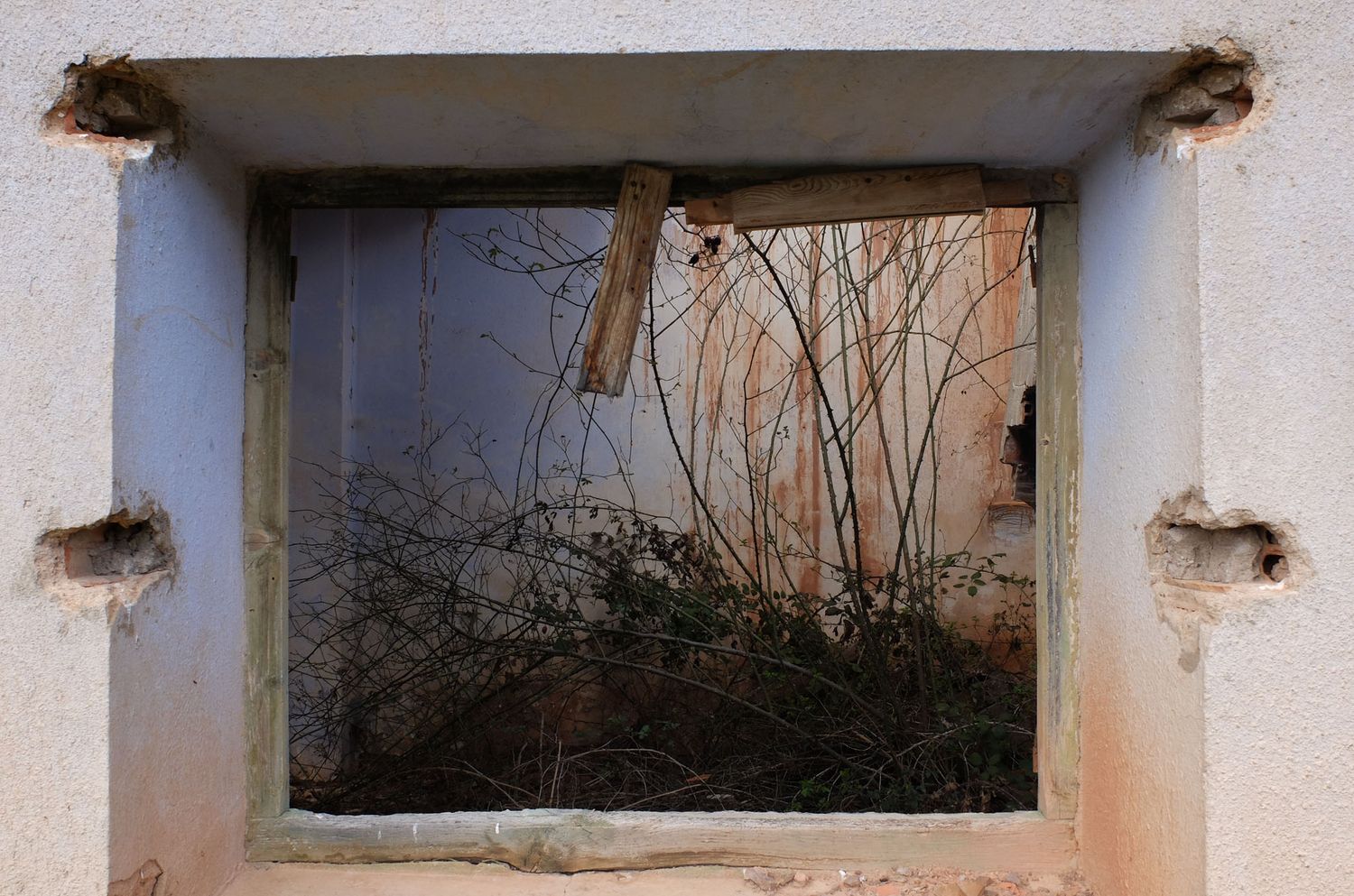
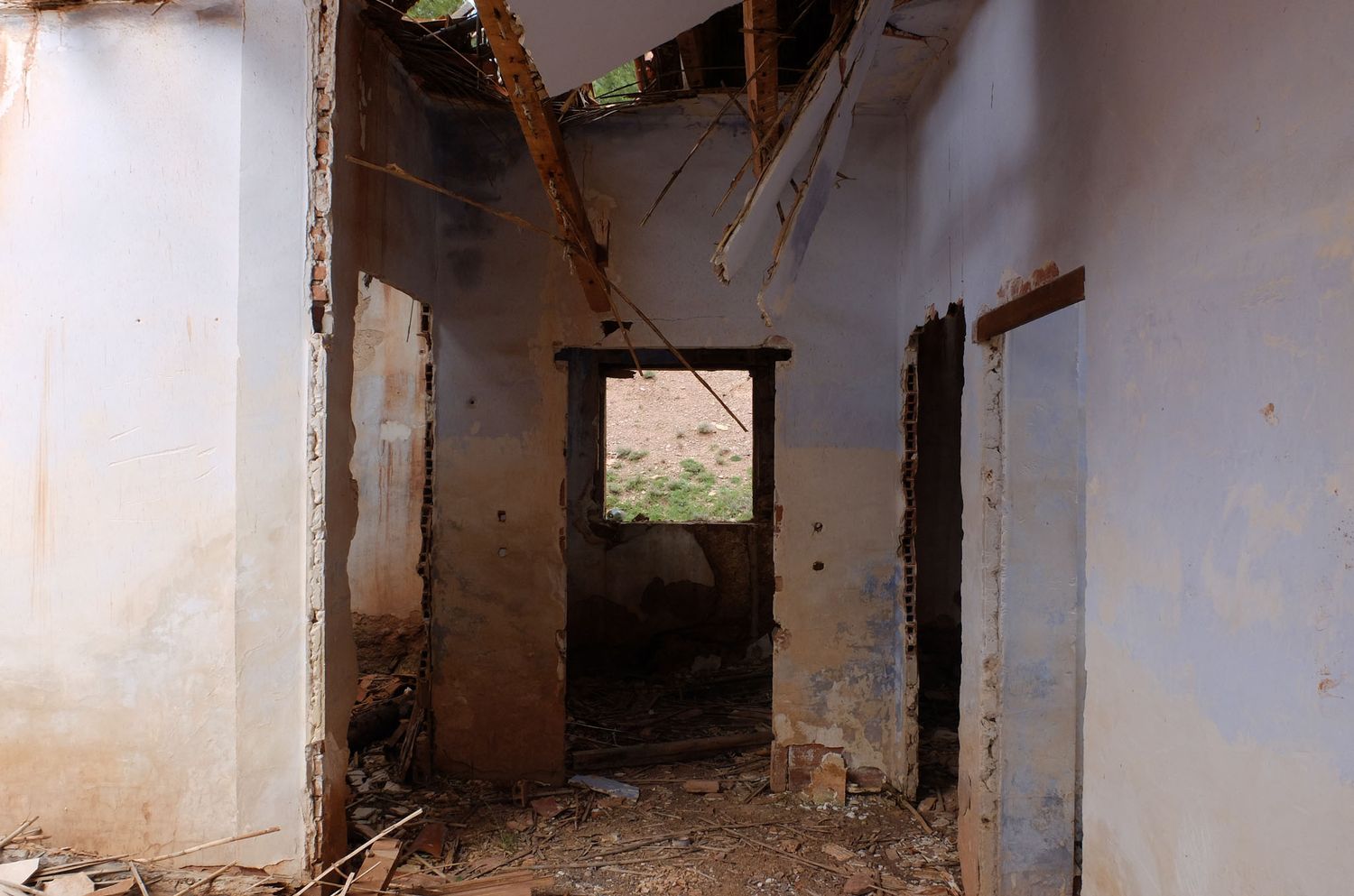
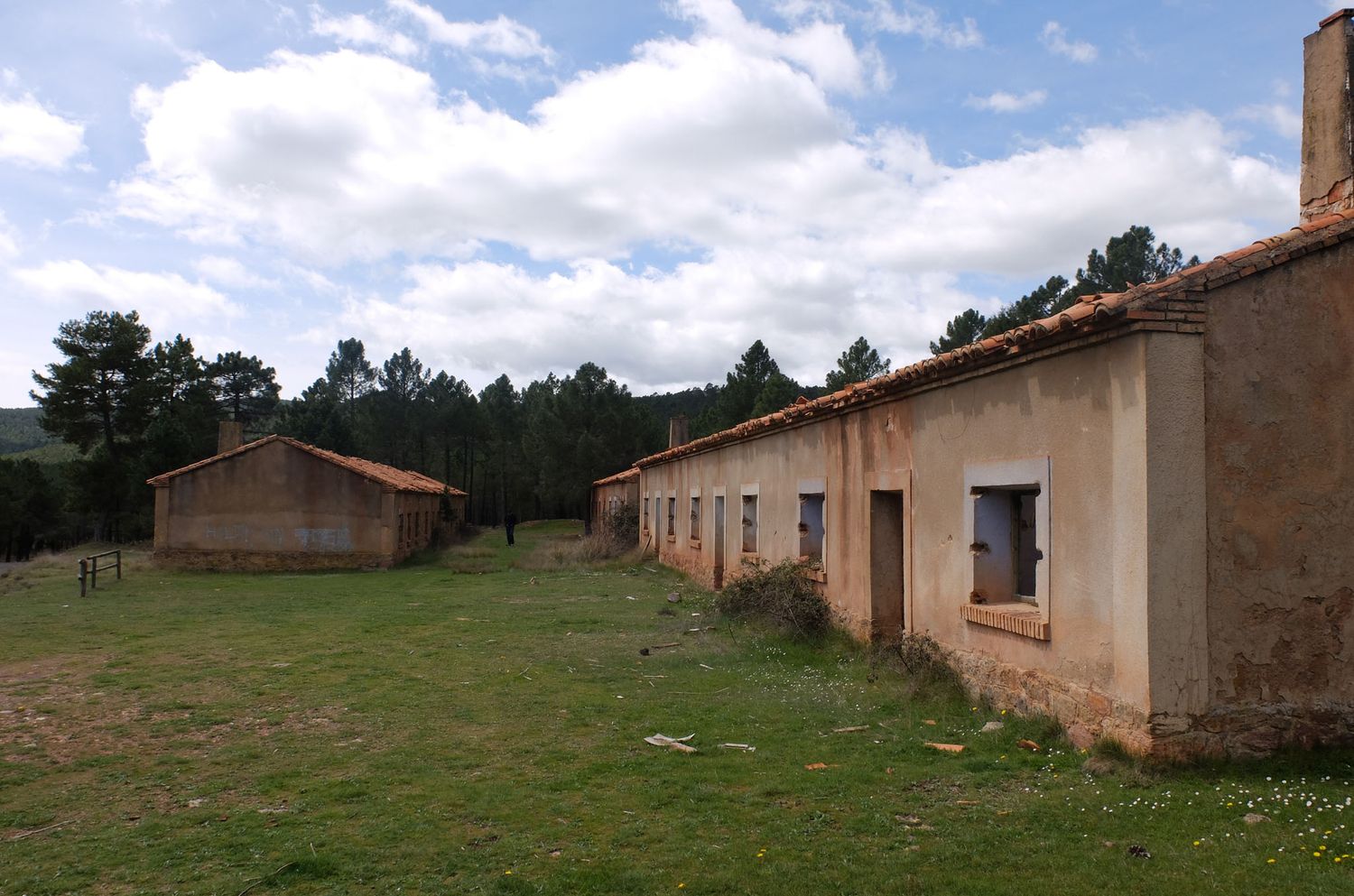
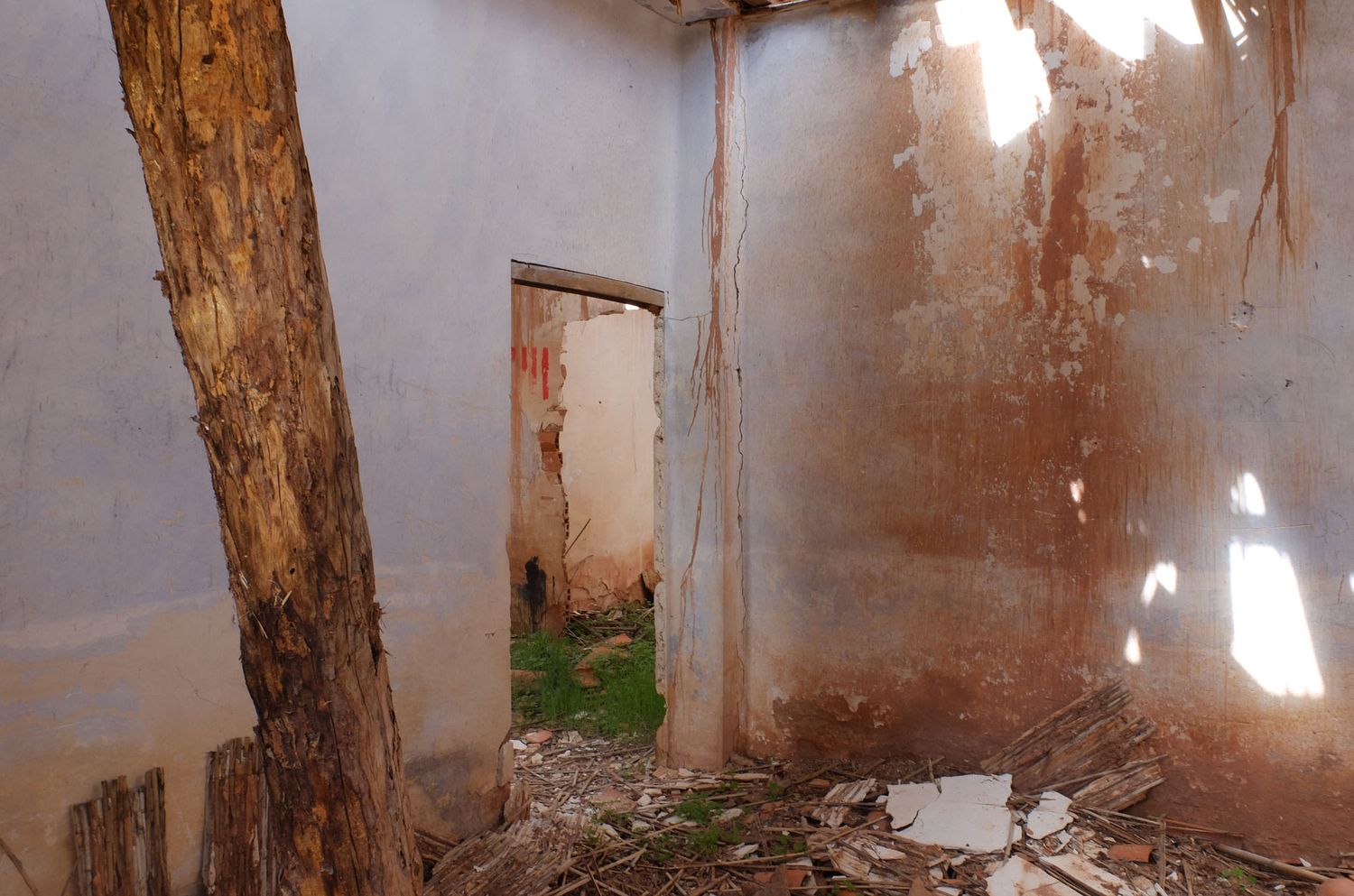
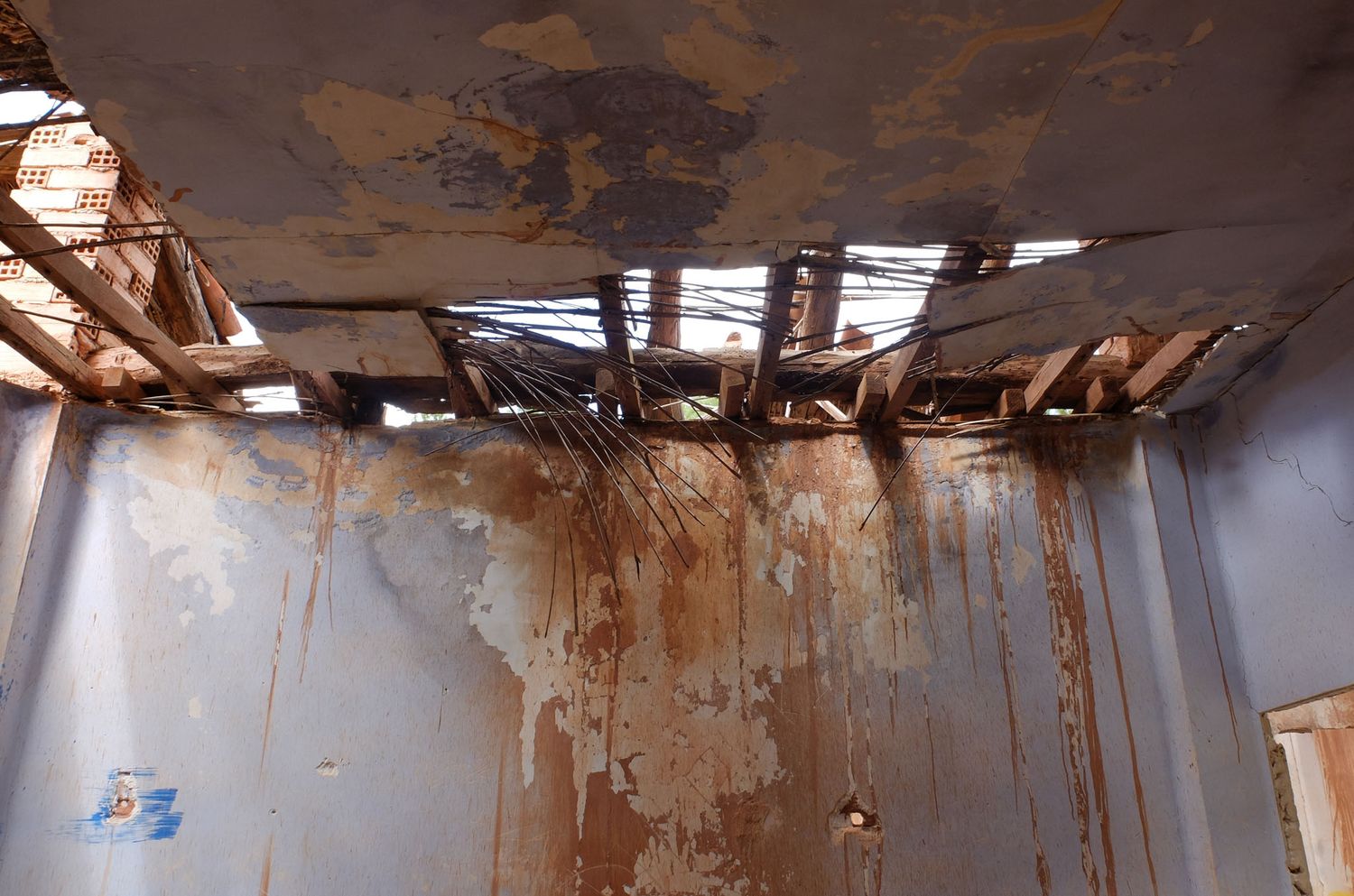
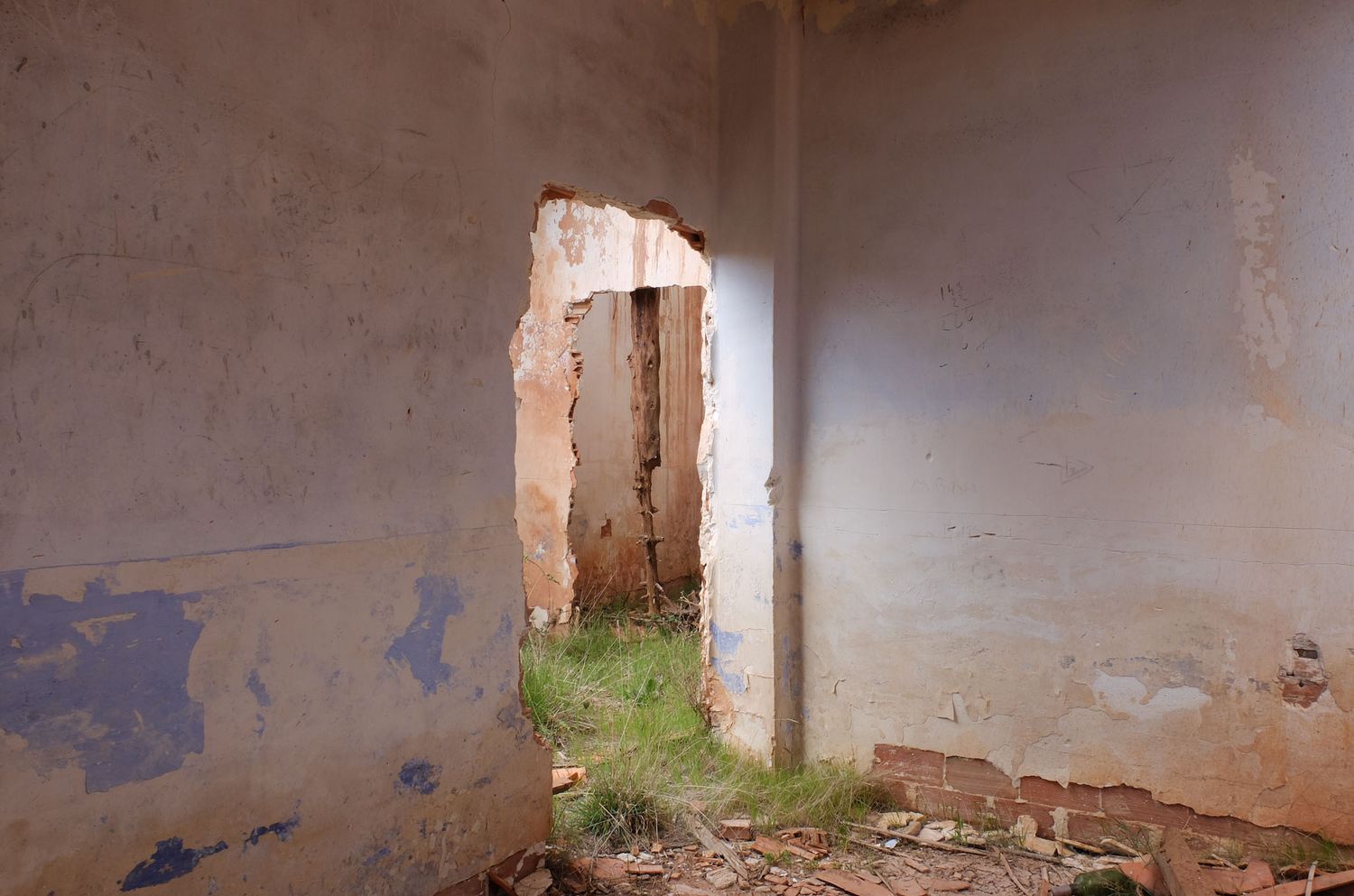
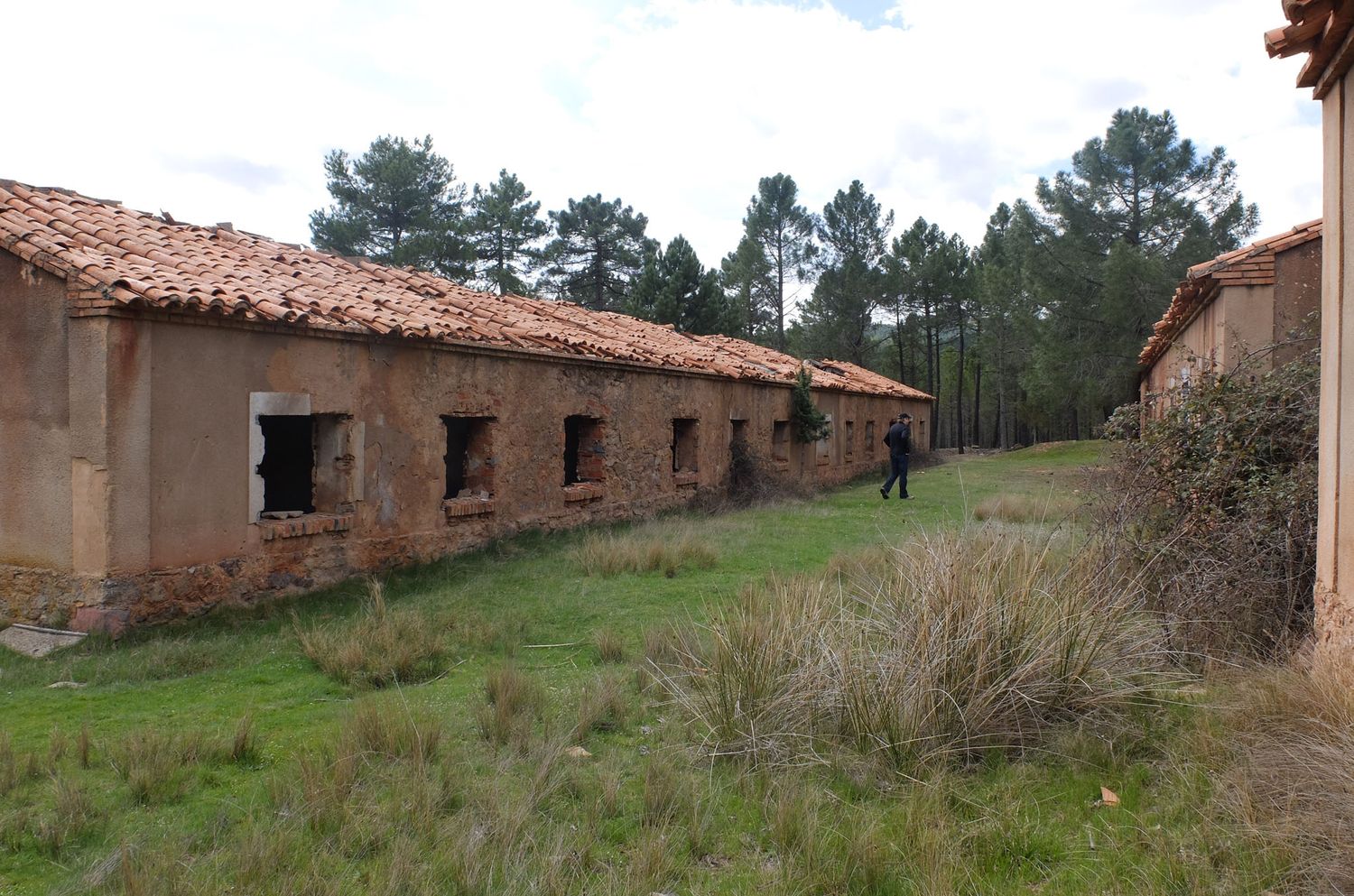
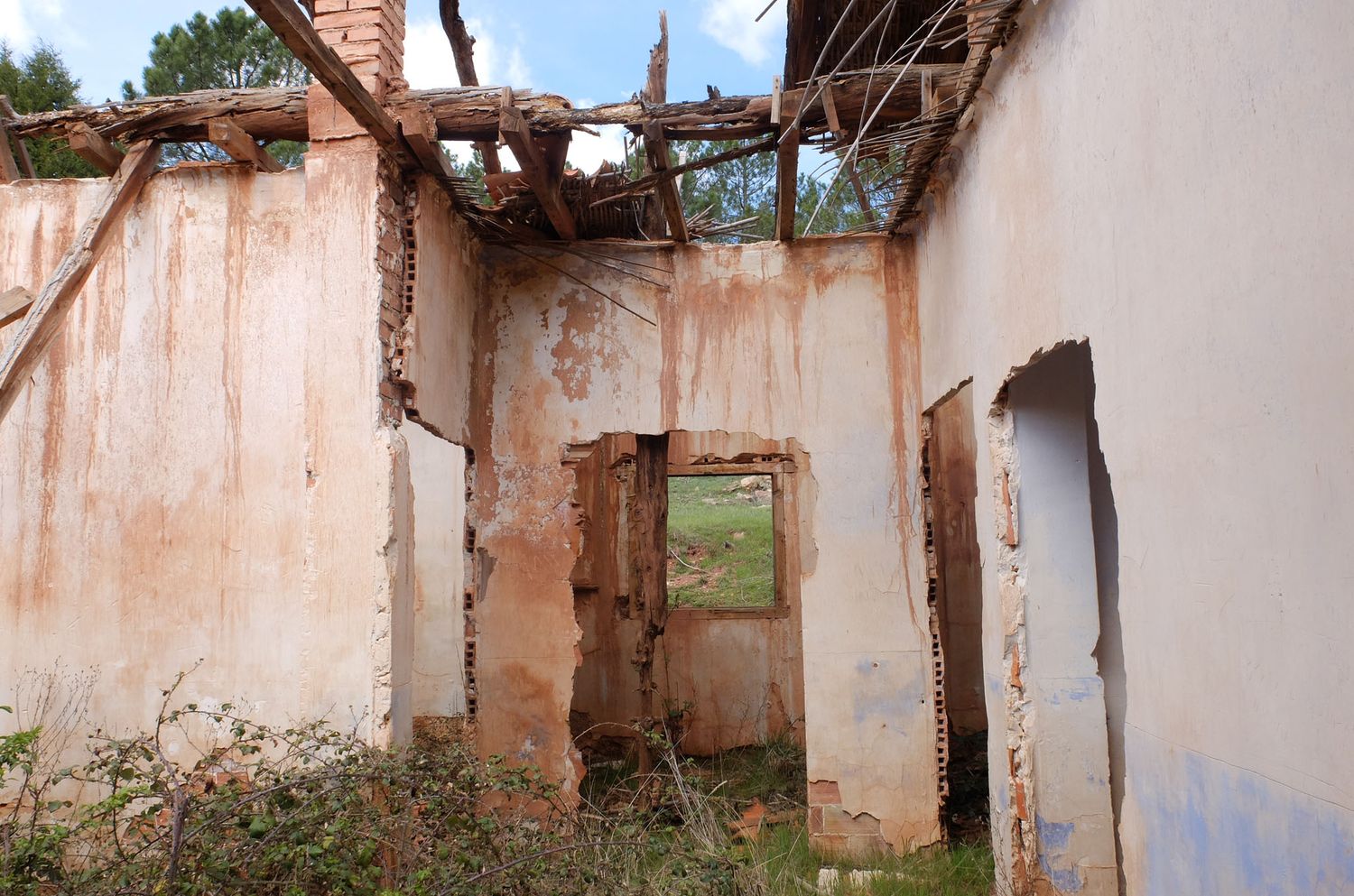
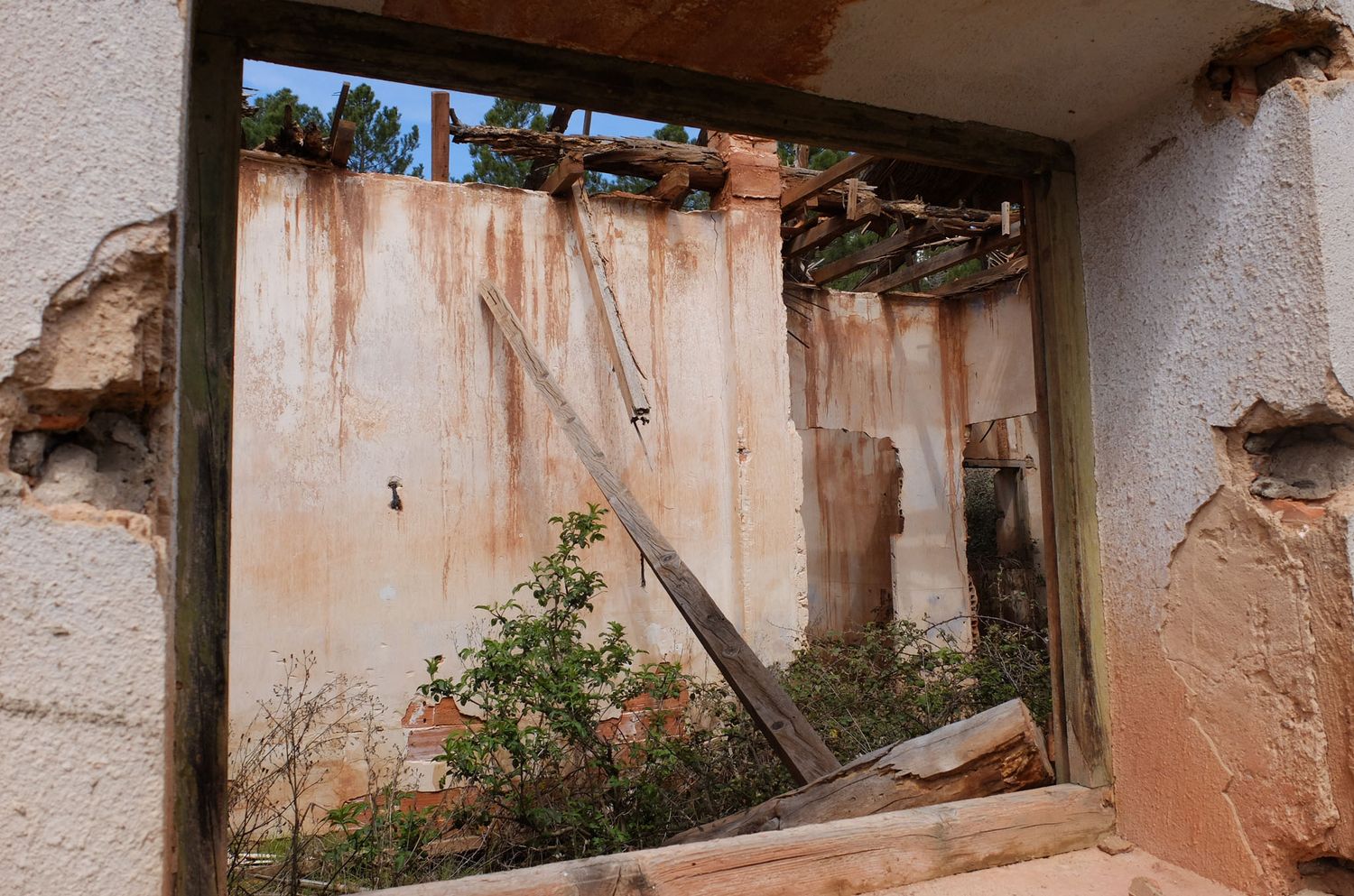
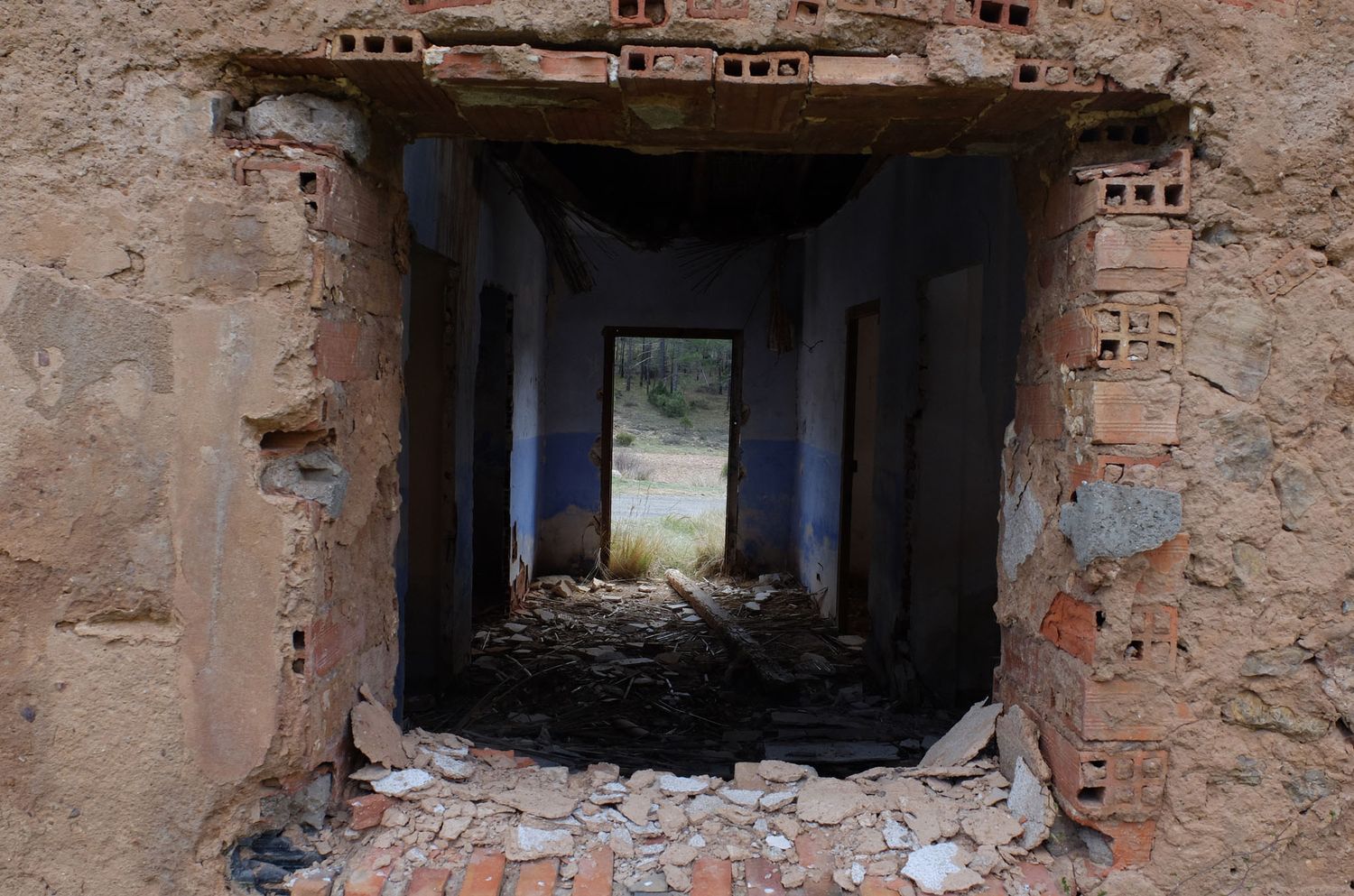
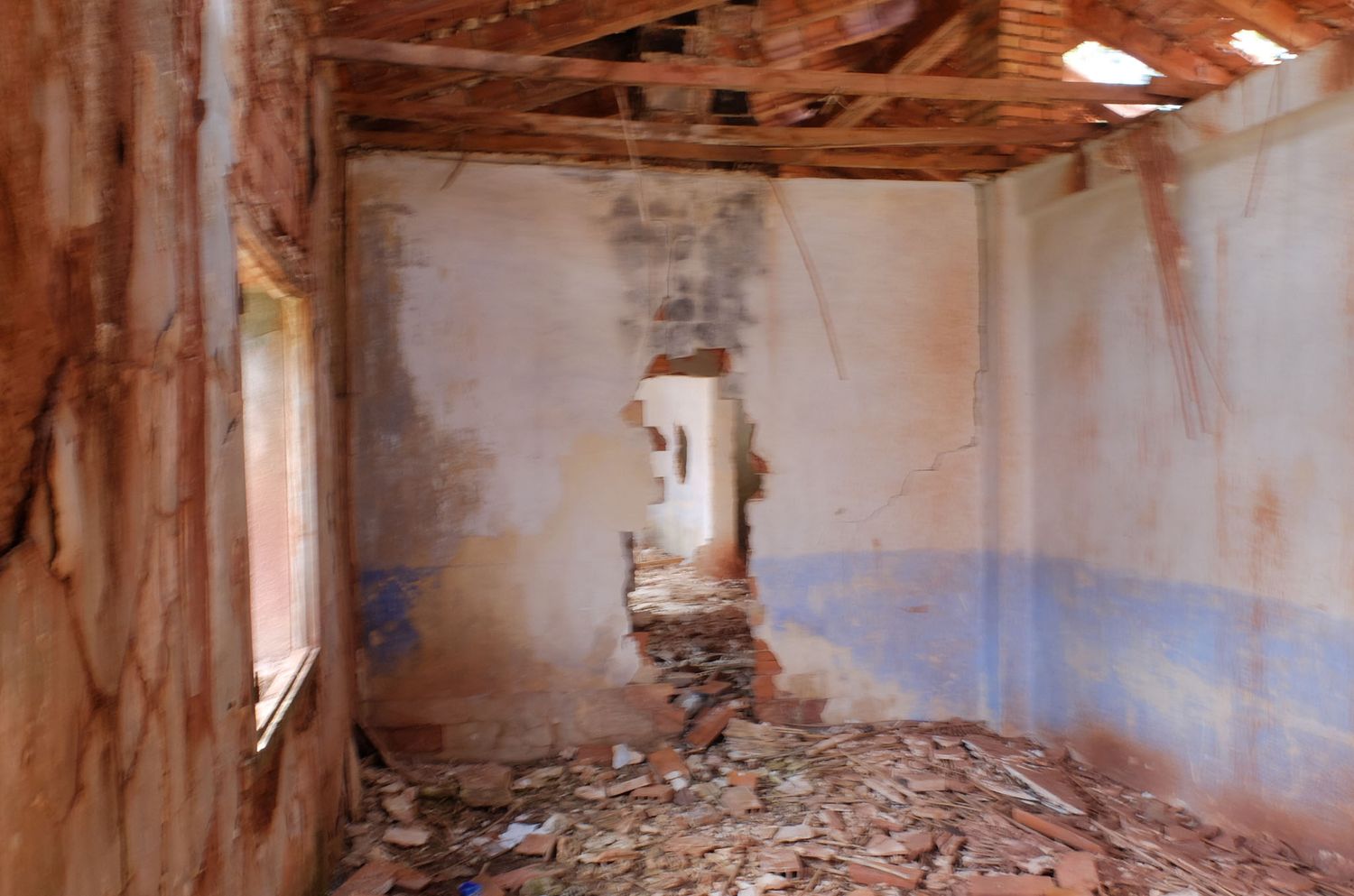
Across rural Spain, there are villages where the loudest sound is the wind moving through broken windows. Some are home to only a handful of residents. Others have been abandoned altogether. Roofs have collapsed, walls have given way, and empty doorways now open onto rooms reclaimed by light, weather, and time.
For generations, these villages were sustained by farming, livestock, and close-knit communities. Families gathered around kitchen tables, children filled the streets, and neighbors knew one another by name. Then, slowly, that rhythm began to fade.
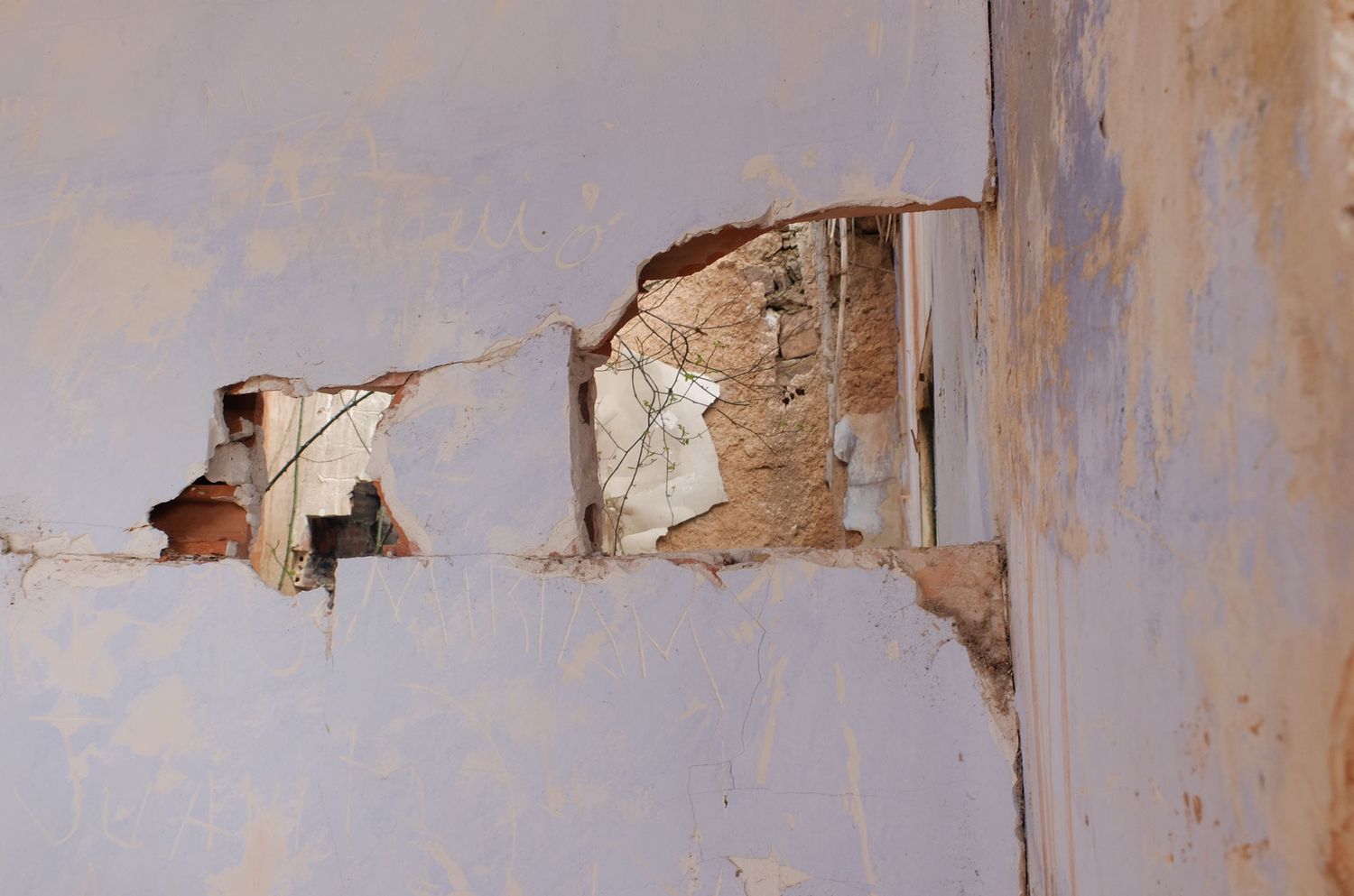
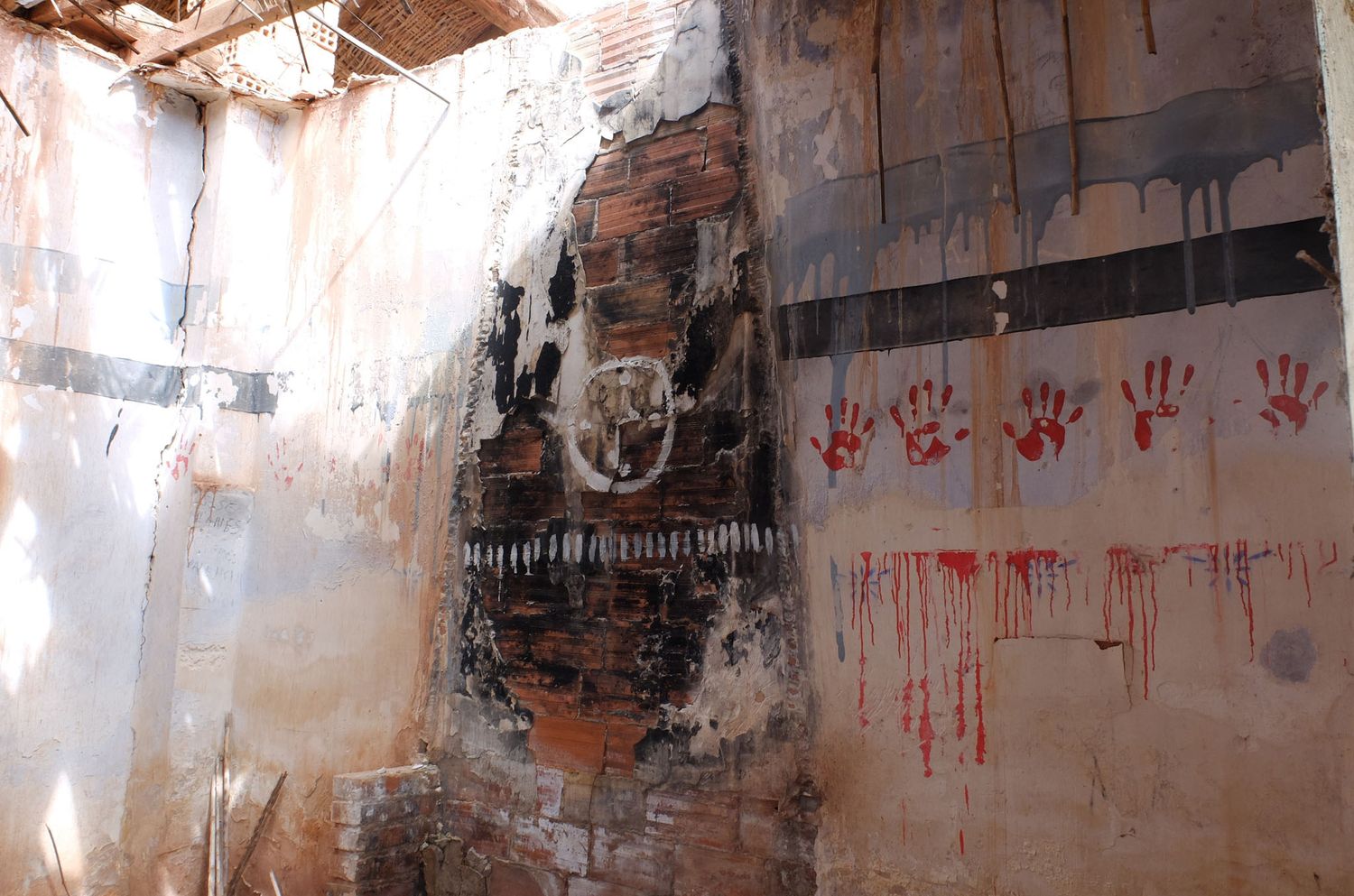
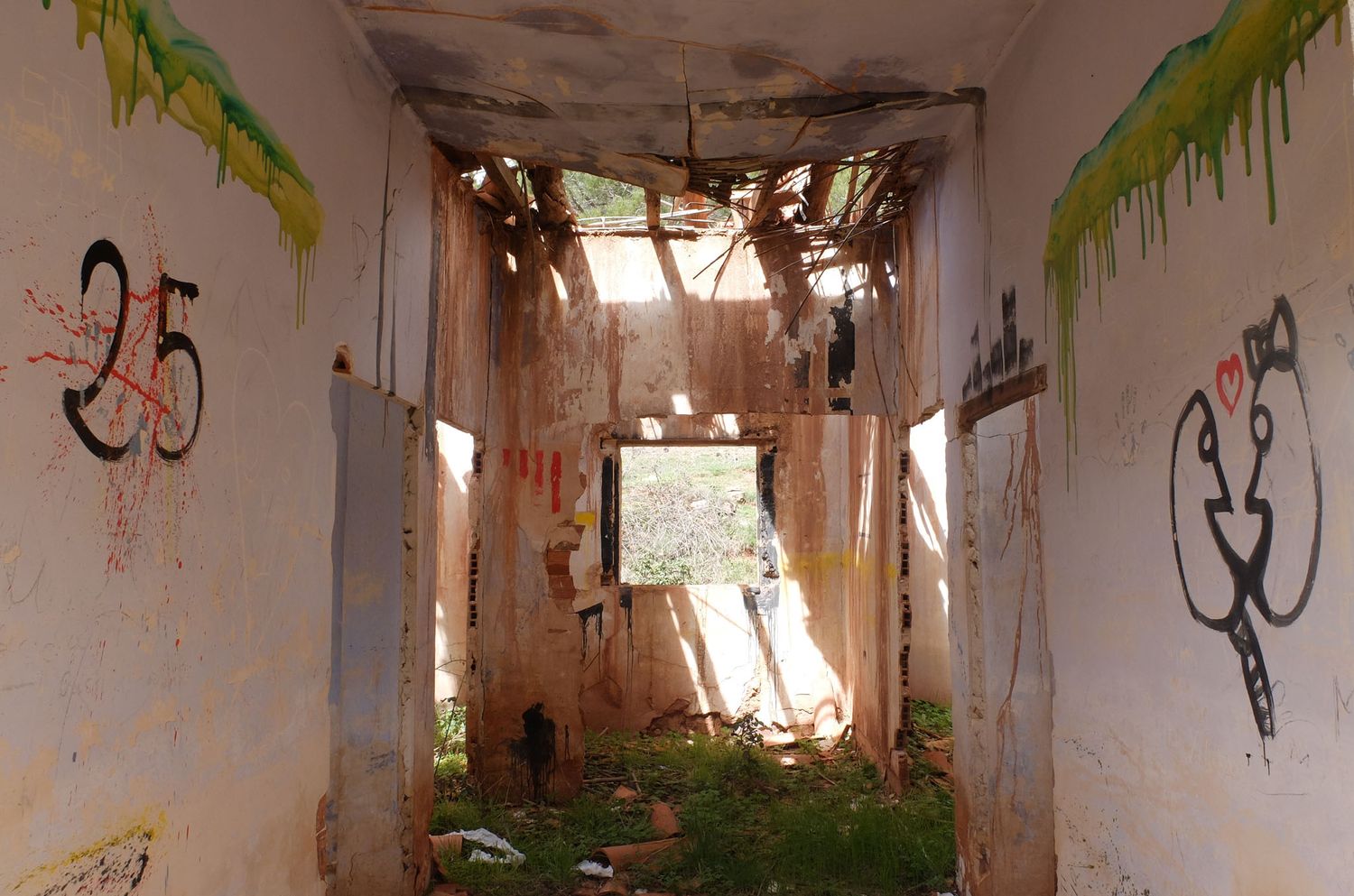
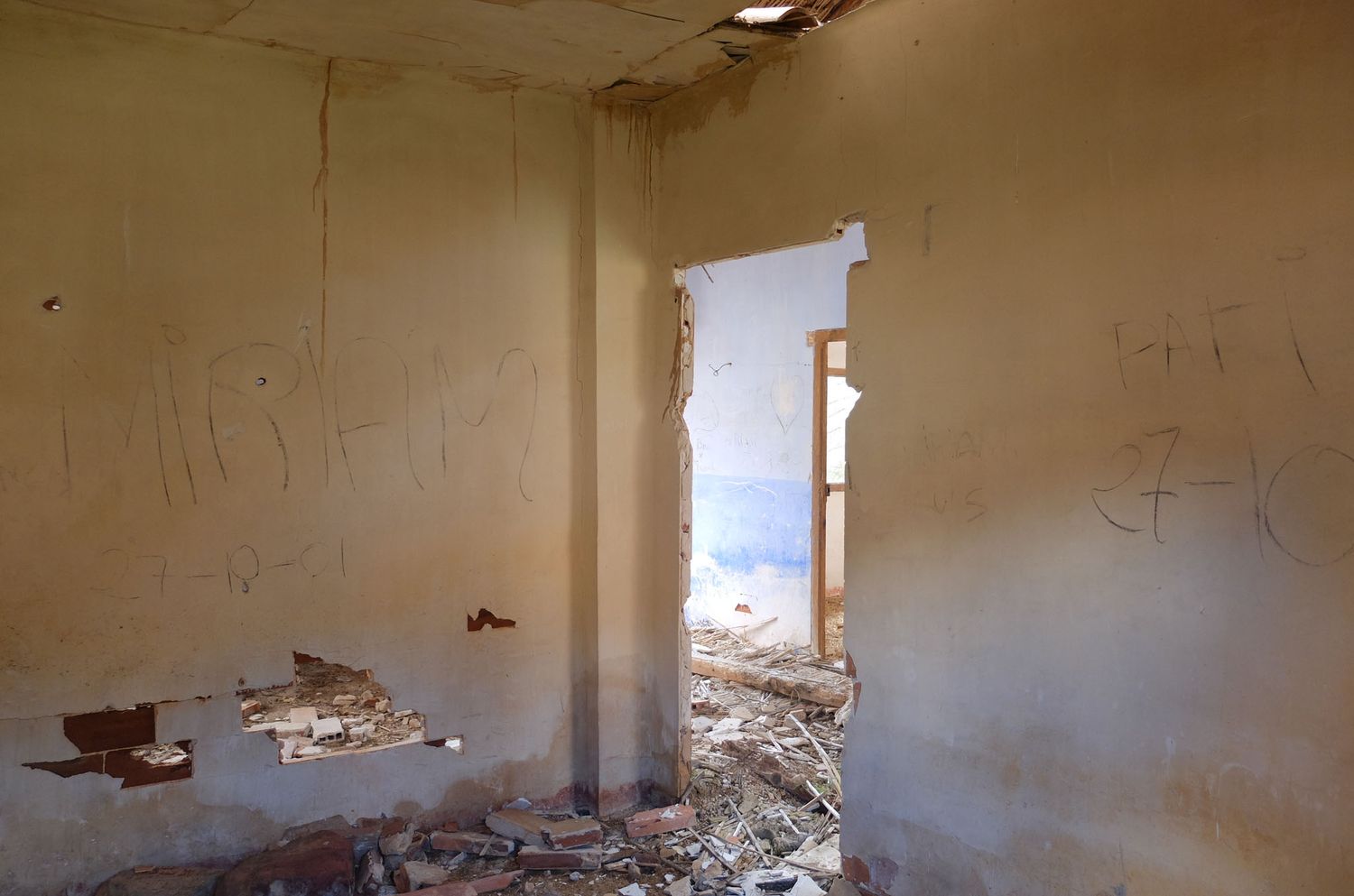
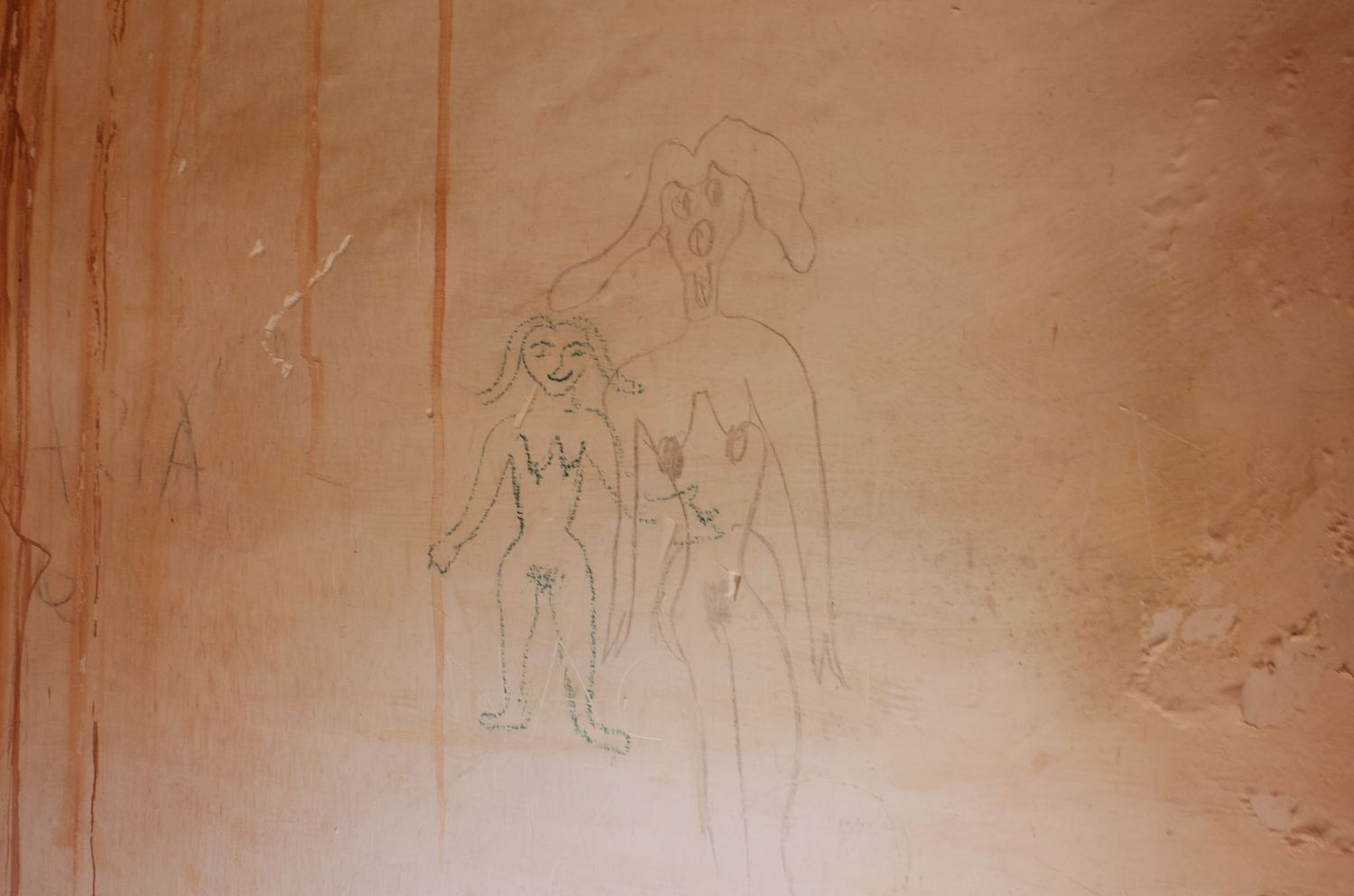
Walking through these buildings felt different from exploring ancient ruins. They weren't ancient enough. Graffiti still covered the walls. Faded paint hinted at rooms that once had a purpose. A few remaining tiles suggested a kitchen or bathroom. Doorways framed empty spaces where everyday life had quietly disappeared. It wasn't difficult to imagine that these buildings had once been filled with conversation, laughter, and ordinary routines.
What stayed with me most wasn't what remained. It was what was missing.
As I wandered from one empty room to another, sunlight poured through broken roofs and open windows, illuminating spaces that had long since fallen silent. There was an unexpected beauty in the light, but also a quiet sadness. These villages hadn't been abandoned all at once. They had been left behind little by little, as one family after another moved away.
These photographs are part of the story of La España Vaciada—"Empty Spain"—a landscape shaped not only by abandoned buildings, but by the gradual loss of community. The walls still stand. The people are what we miss.
Looking Closer
La España Vaciada ("Empty Spain") refers to the vast rural regions that have experienced decades of population decline, particularly across inland areas such as Aragón, Castilla y León, Castilla-La Mancha, Extremadura, and parts of Galicia.
Throughout the twentieth century, many younger generations left small villages in search of education, employment, and new opportunities in Spain's larger cities. As populations declined, schools, businesses, and public services gradually disappeared, leaving many communities with only a handful of permanent residents.
Today, reversing rural depopulation has become one of Spain's most significant social challenges. National, regional, and local initiatives seek to attract new residents, improve infrastructure, expand digital connectivity, and support local businesses. In some villages, immigration has also played an important role in sustaining schools, strengthening local economies, and helping rural communities look toward the future.