Navarrete del Río · Silence
Where generations leave their mark.
Some places don't ask for your attention. They simply wait for you to notice them
Navarrete · Silence · Where Silence Still Lives
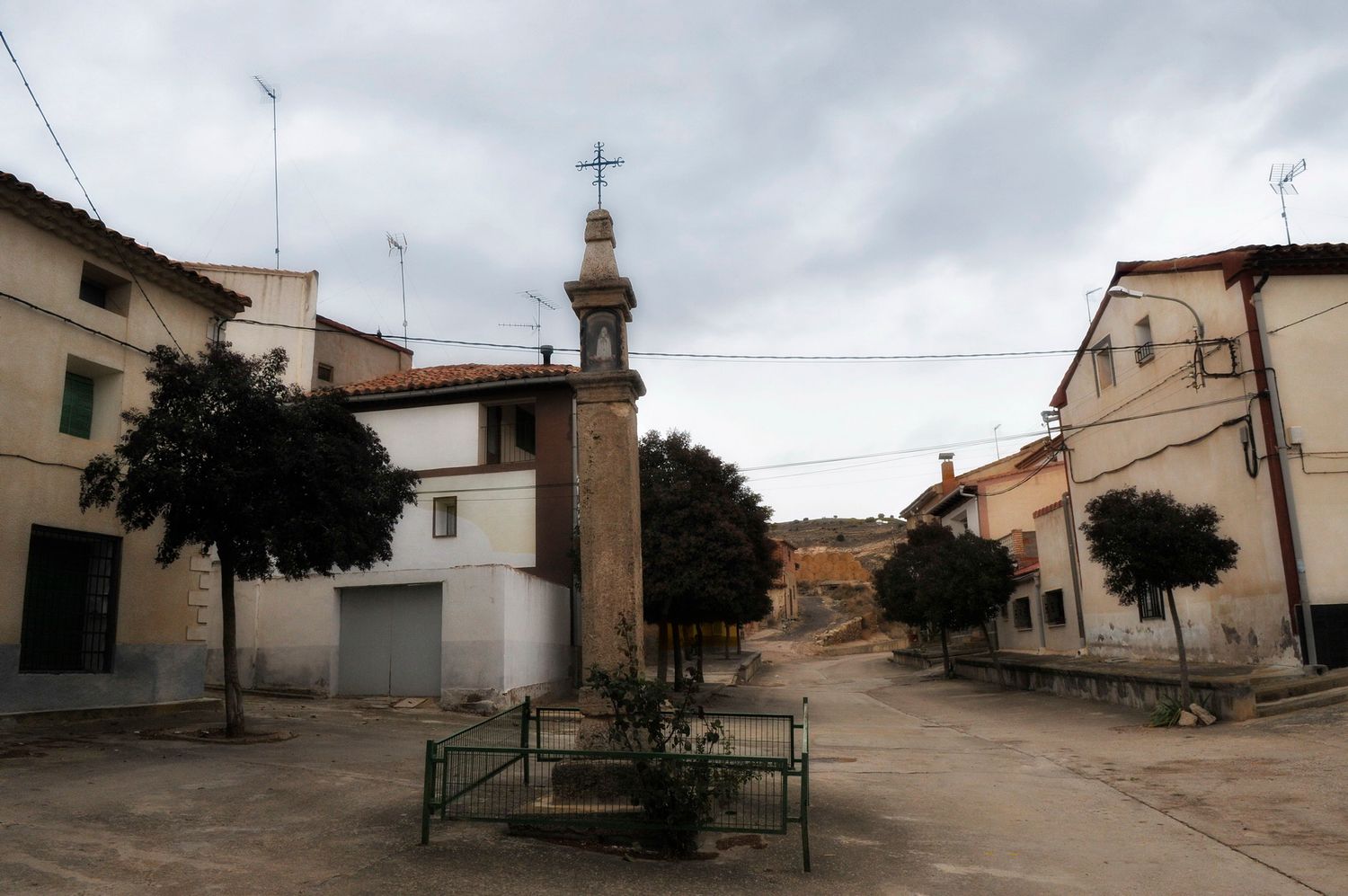
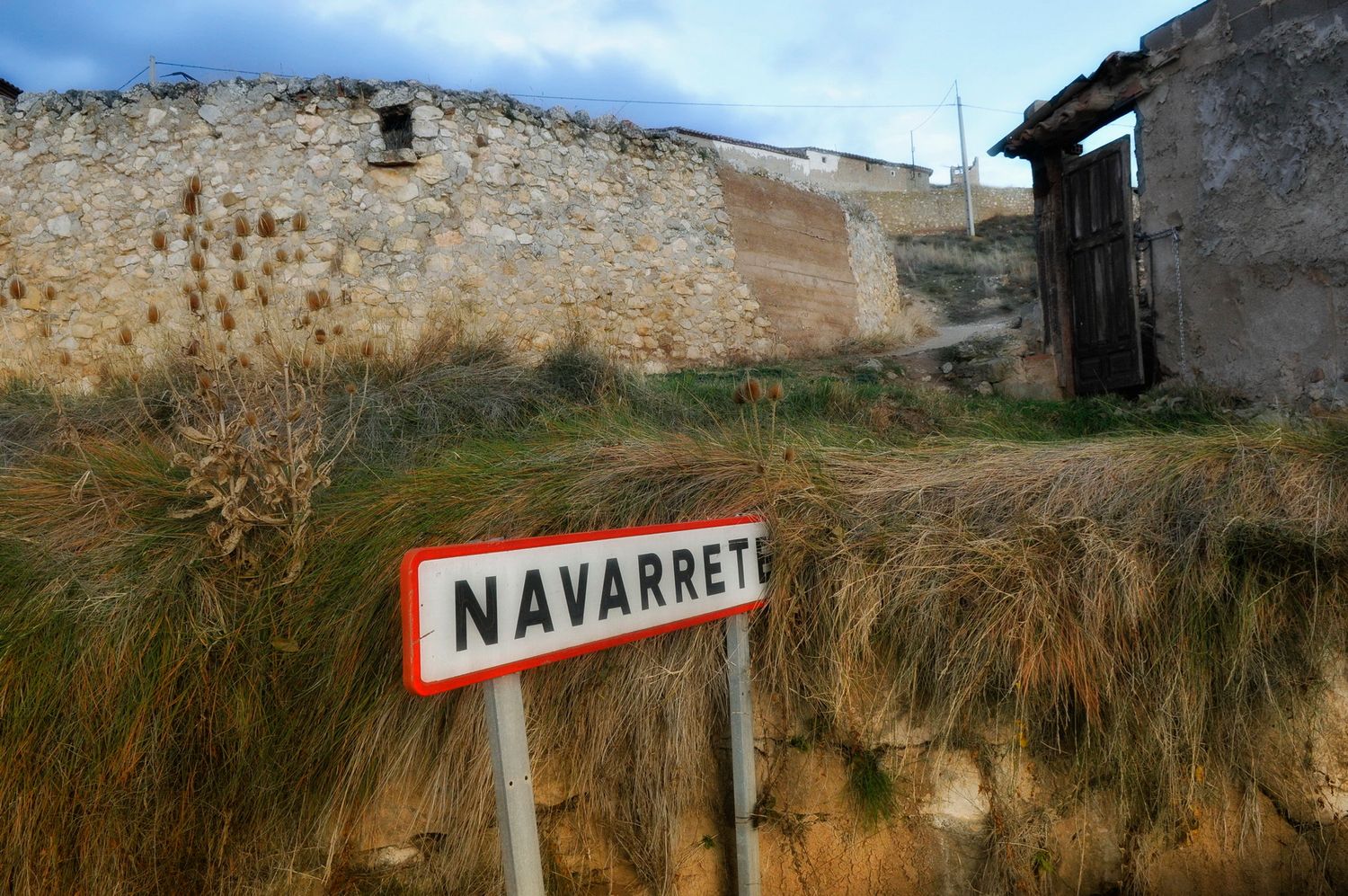
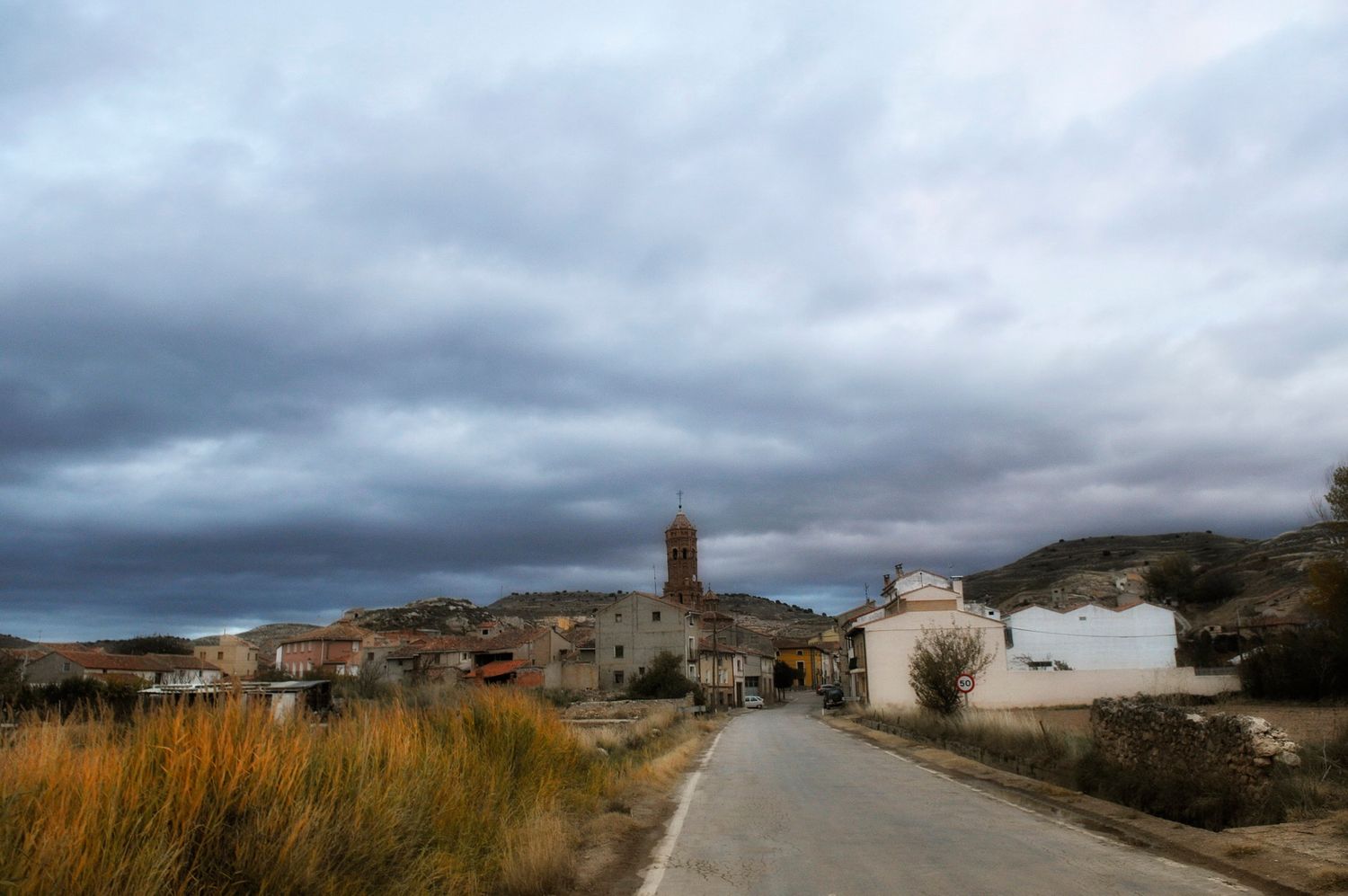
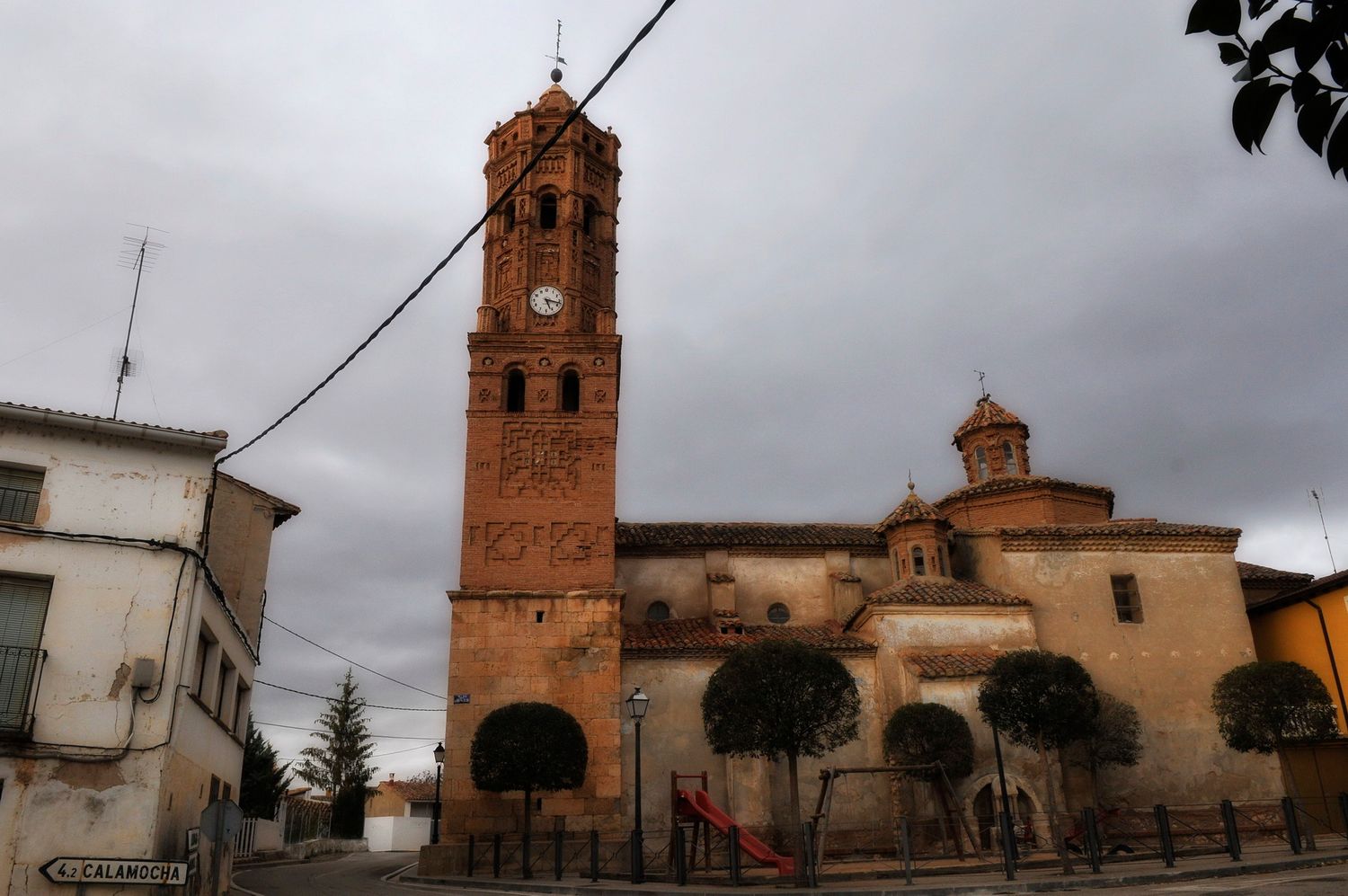
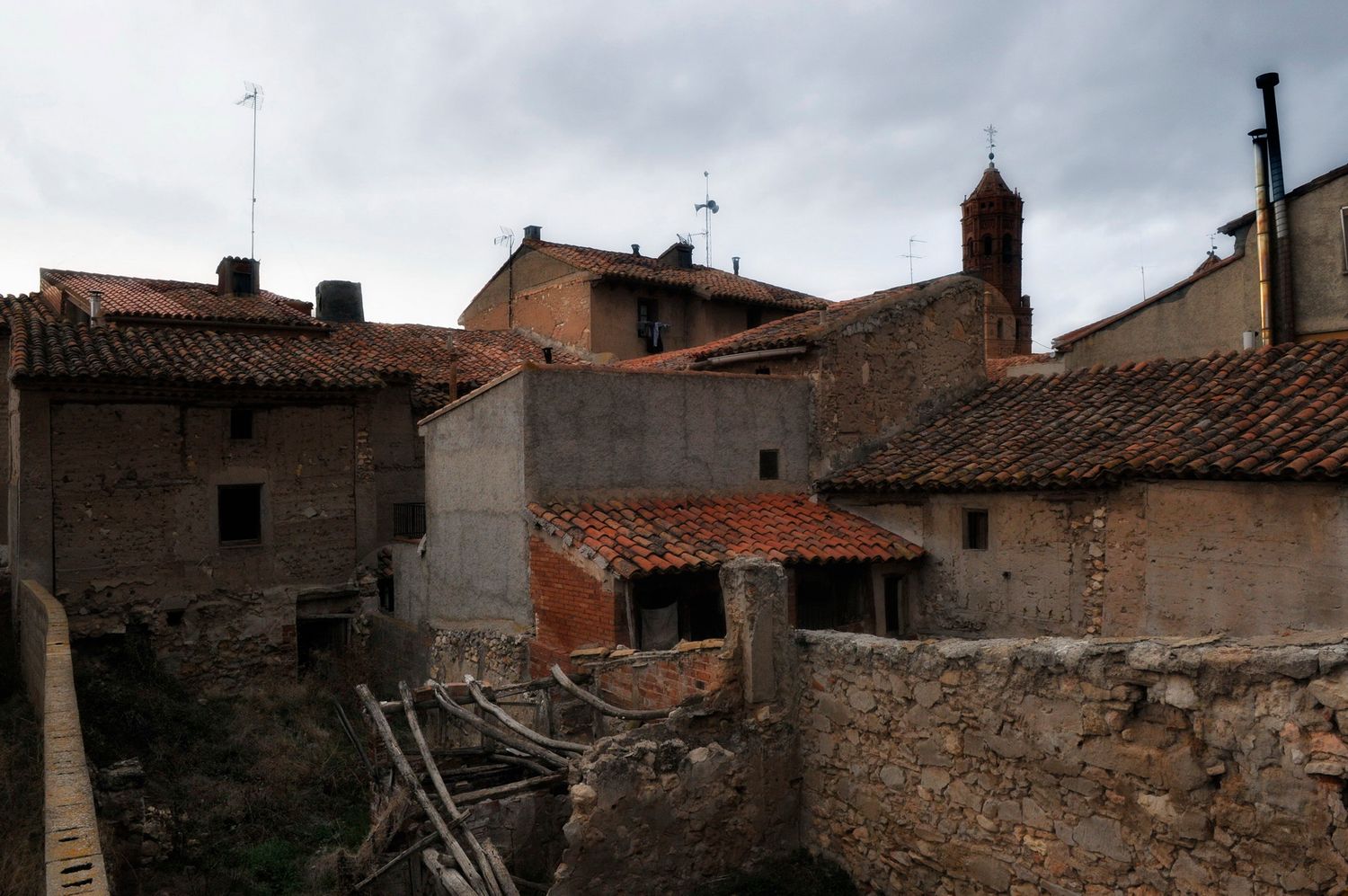
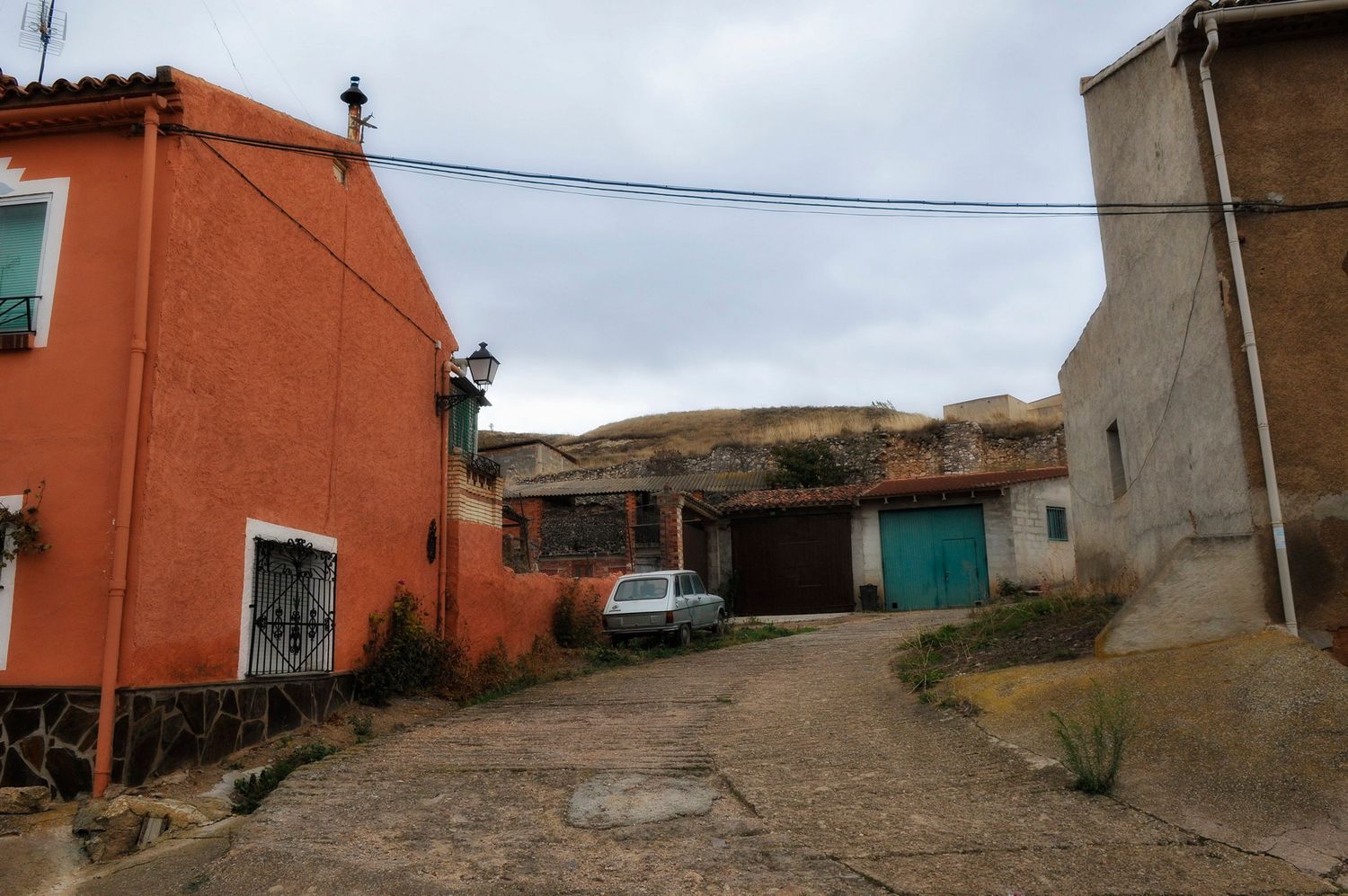
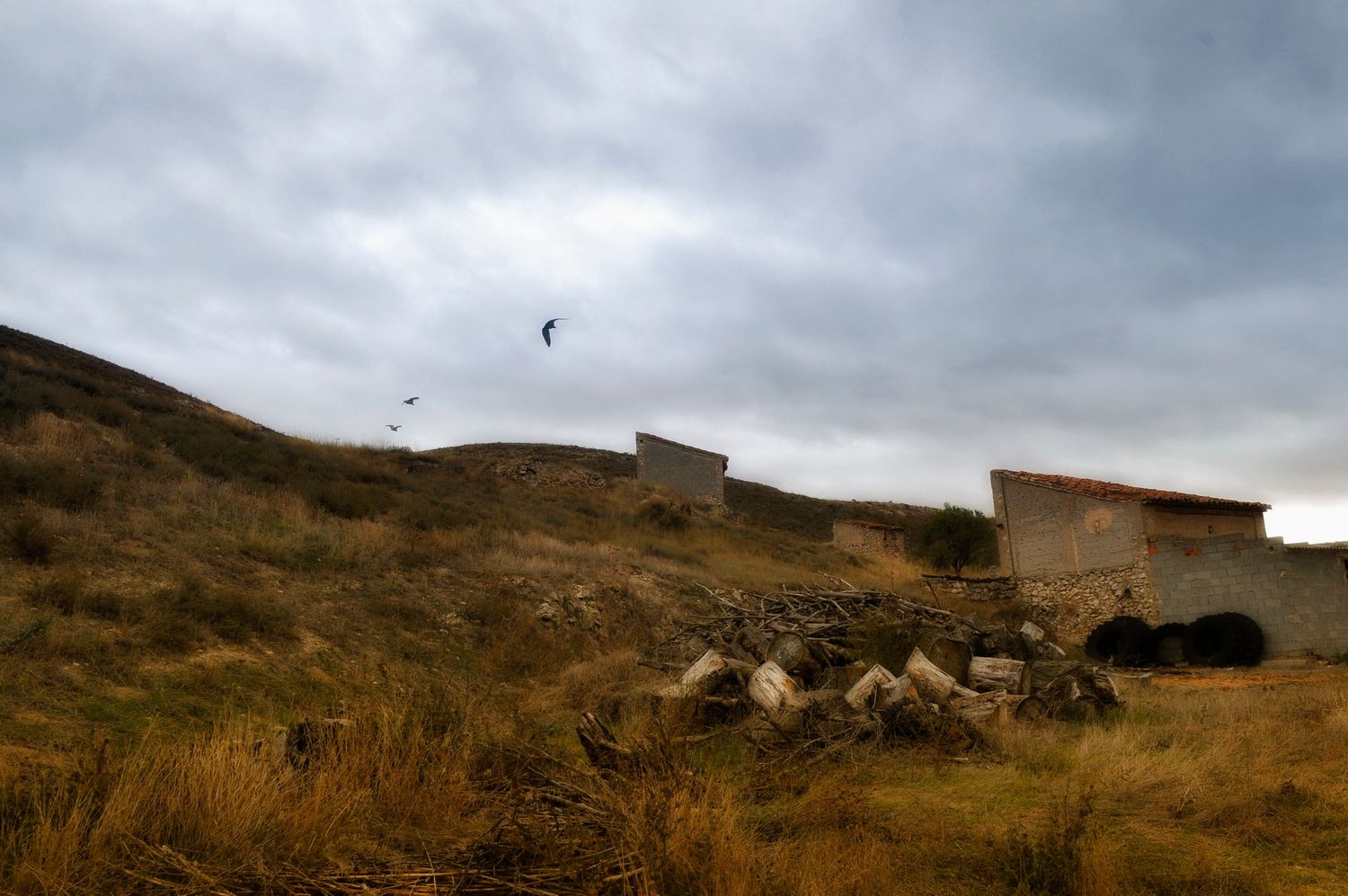
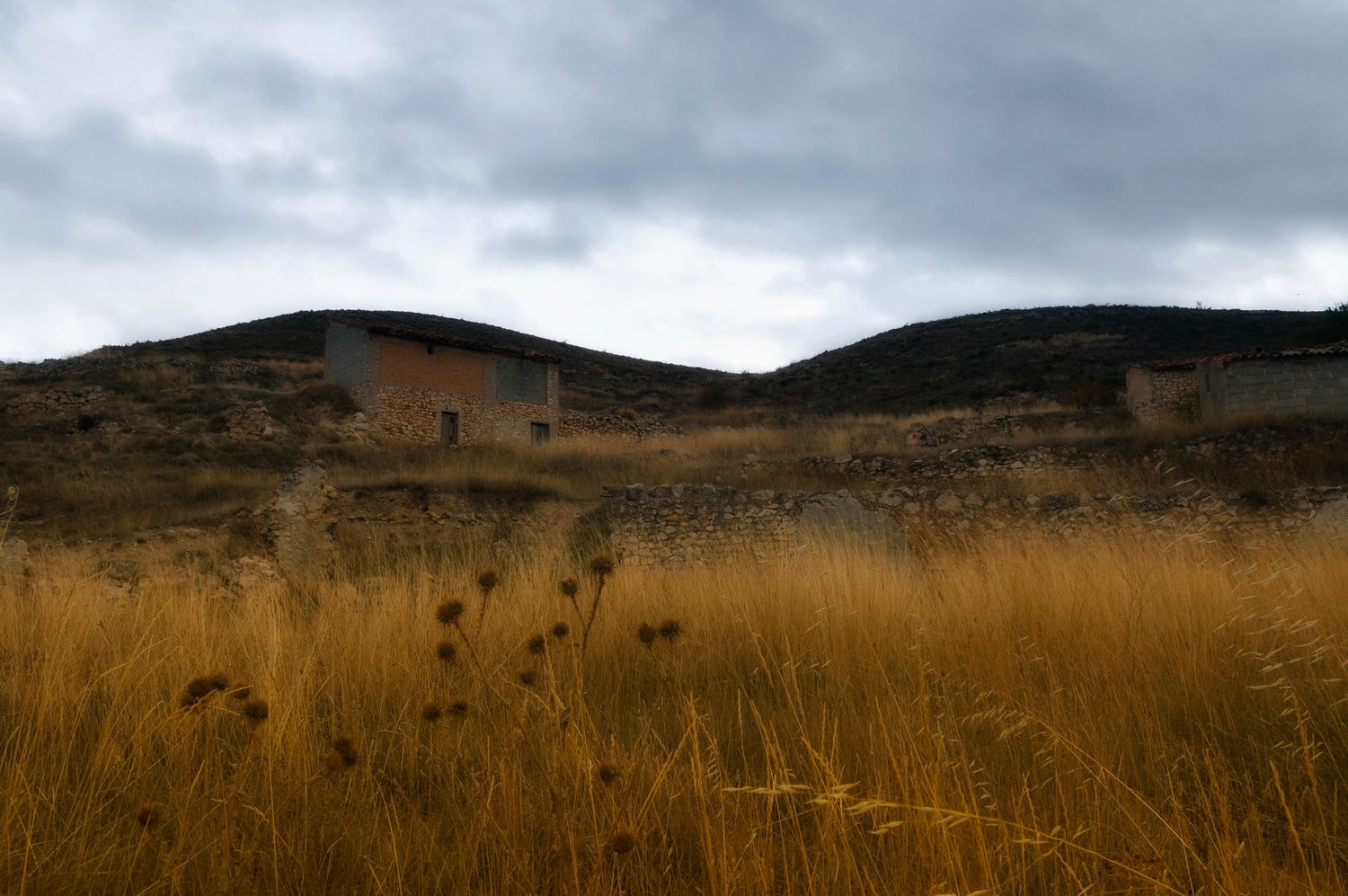
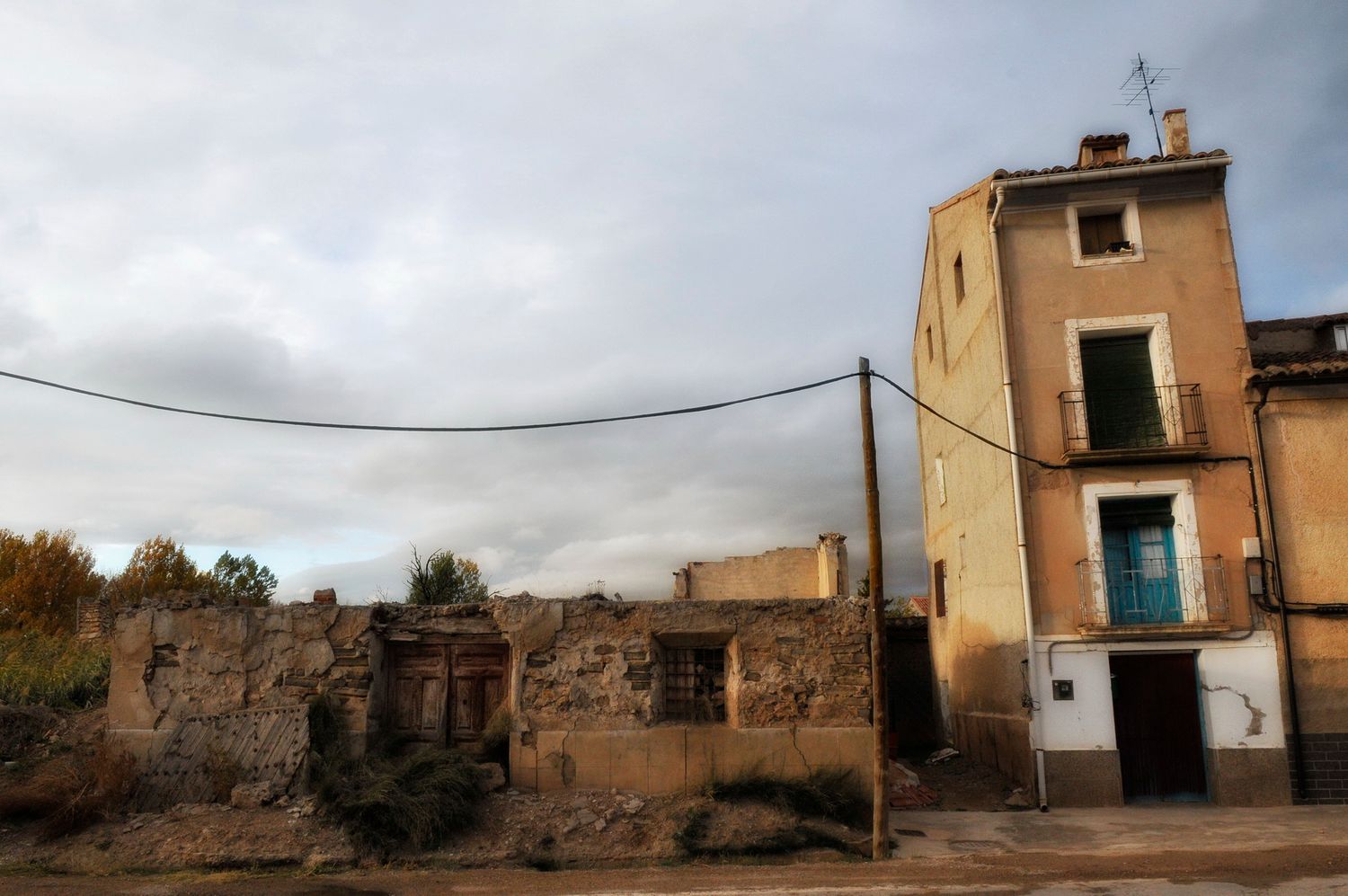
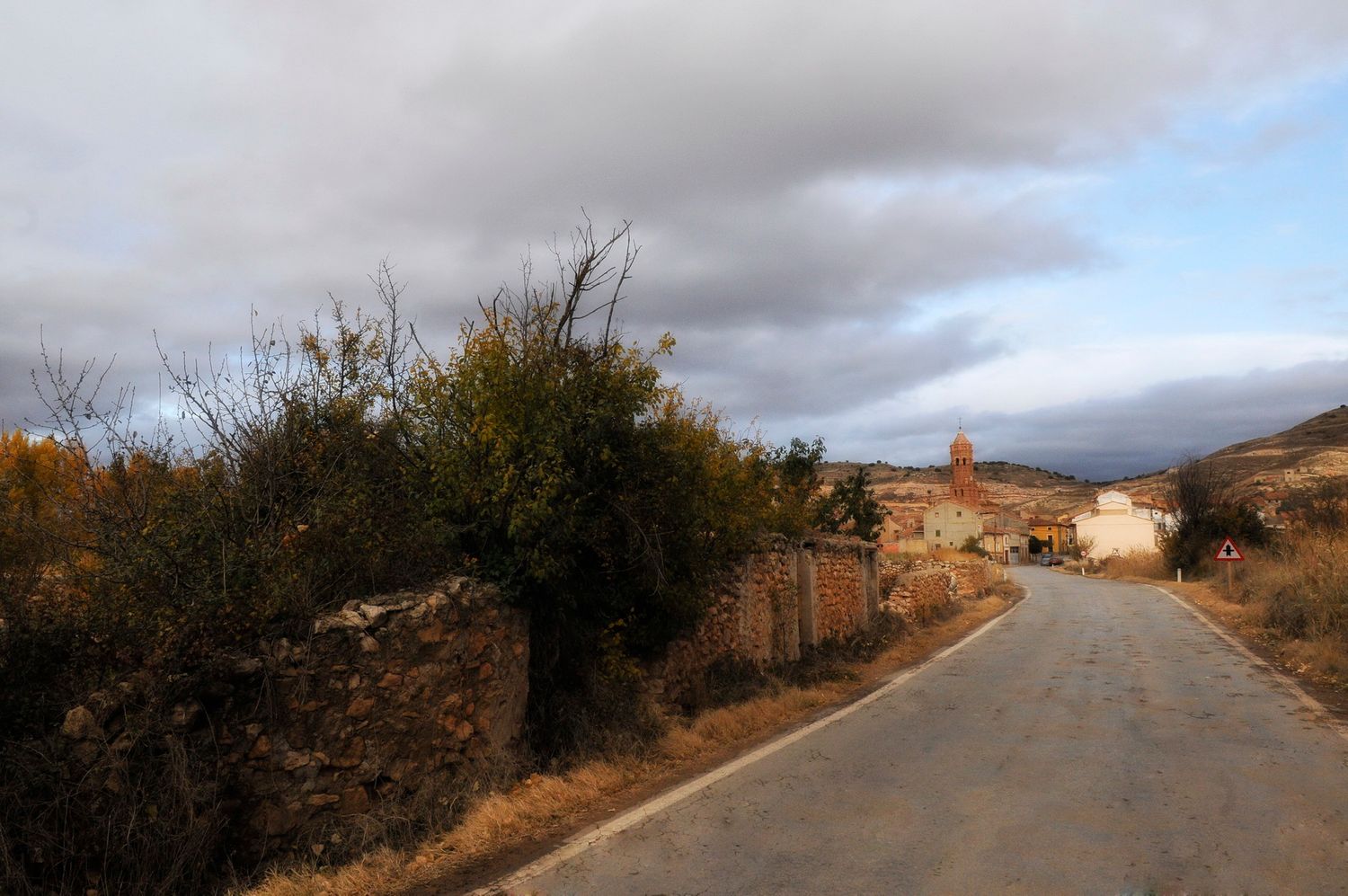
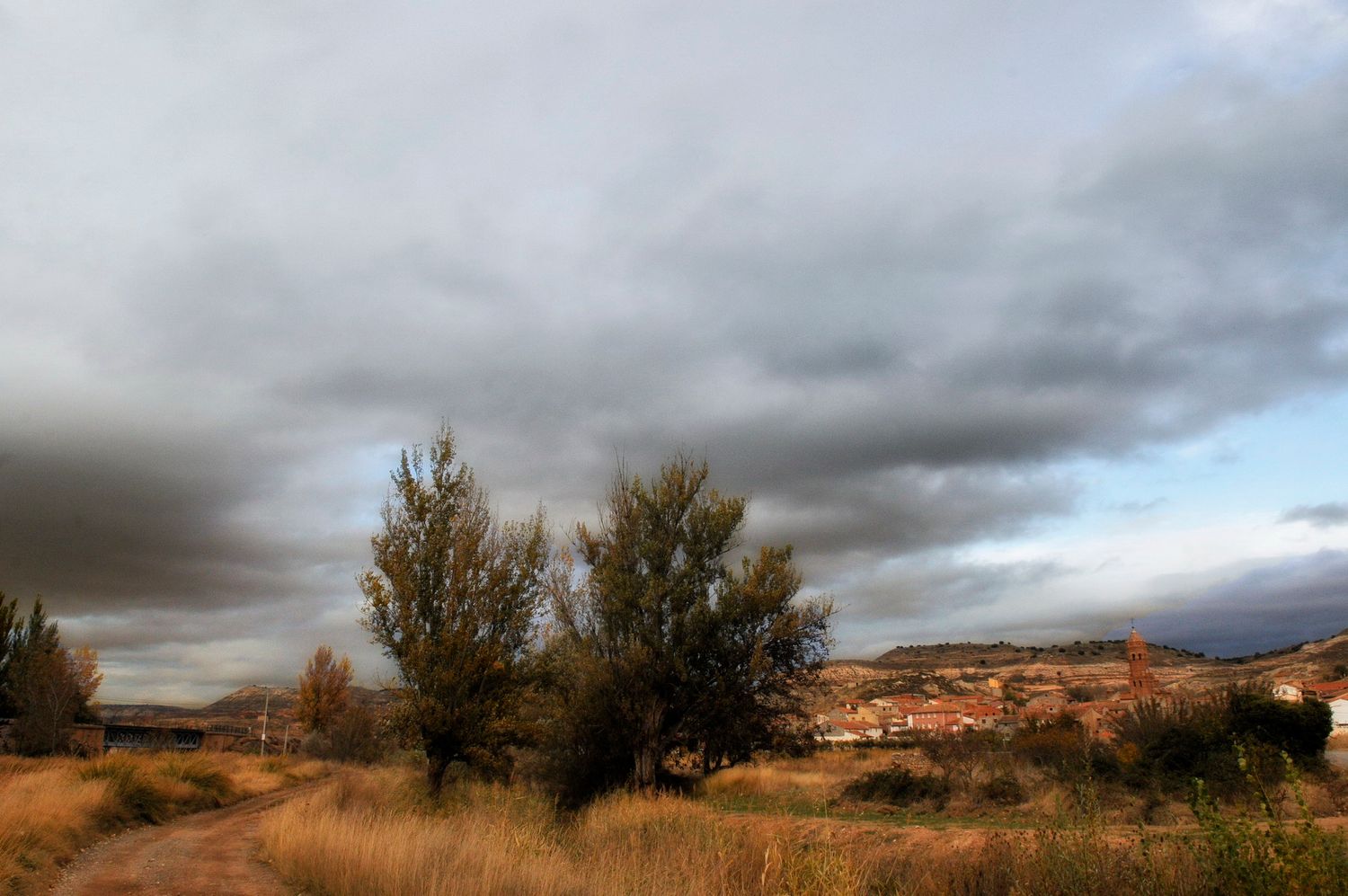
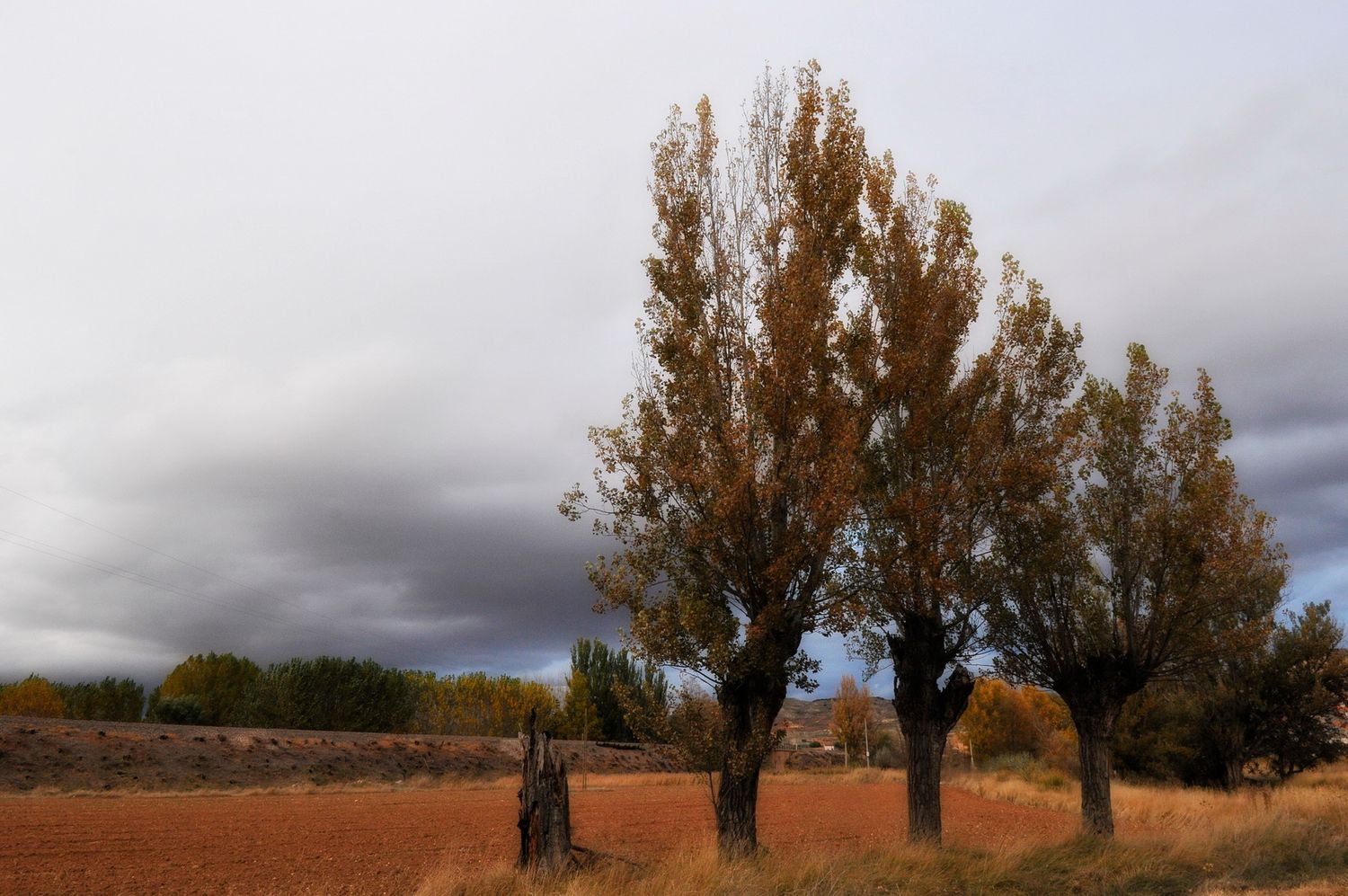
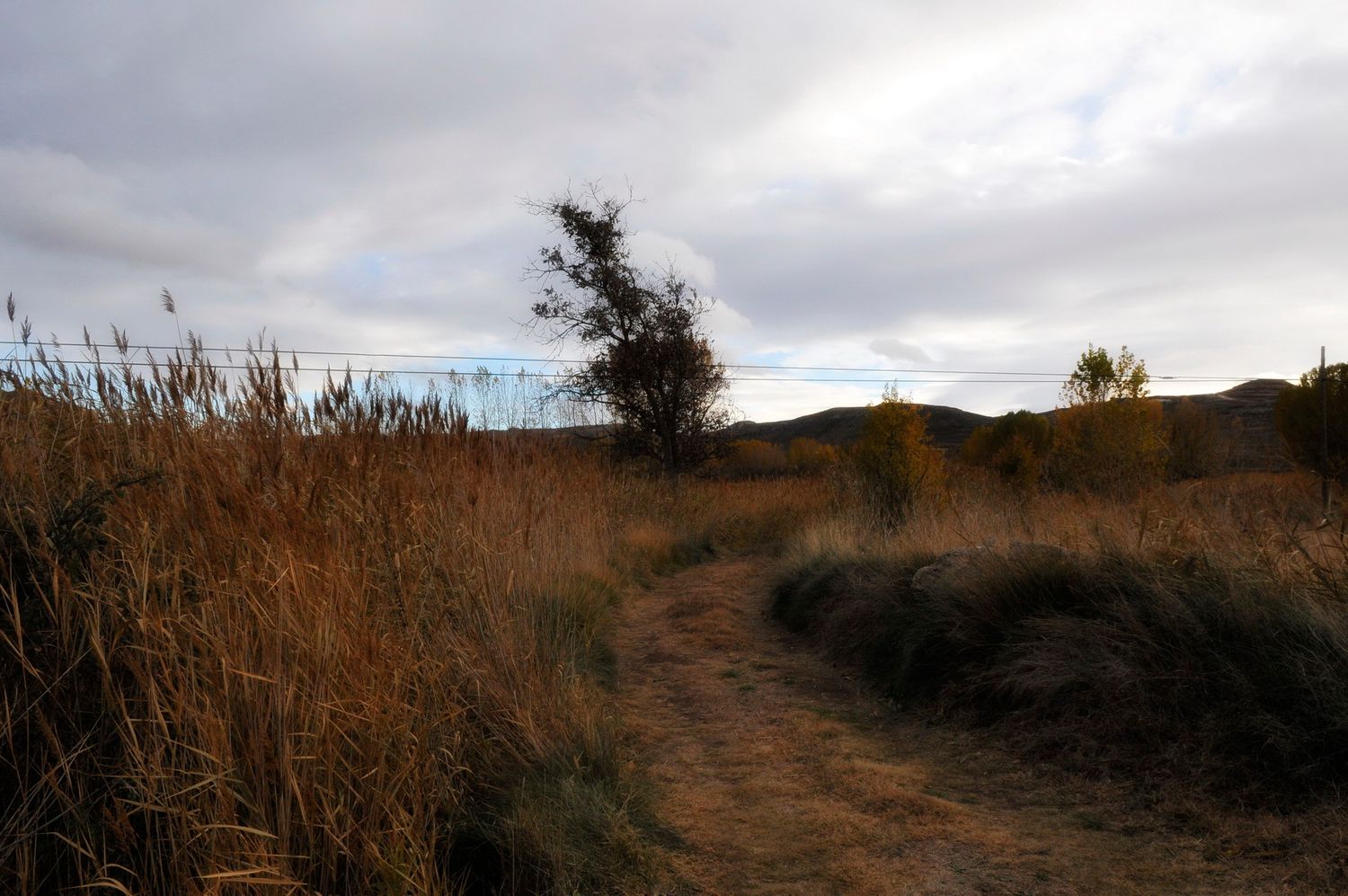
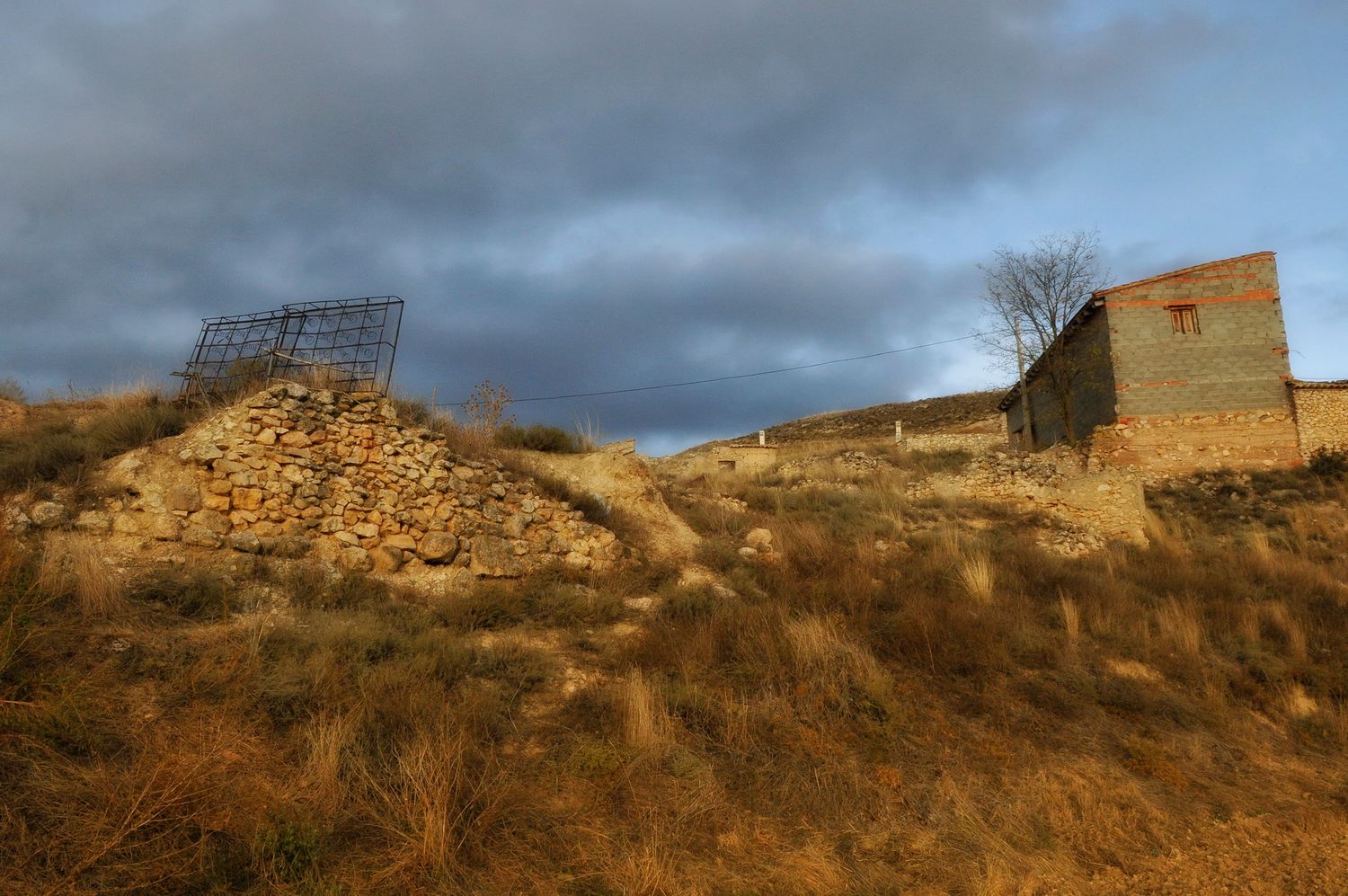
When I first moved to Spain, friends often introduced me to places that rarely appeared in guidebooks. Navarrete was one of them. At first glance, nothing extraordinary seemed to happen there. There were no famous monuments, no crowds, no cafés spilling onto busy squares. Just a handful of stone houses, fields stretching towards the horizon and streets so quiet that the sound of footsteps seemed to travel through the entire village.
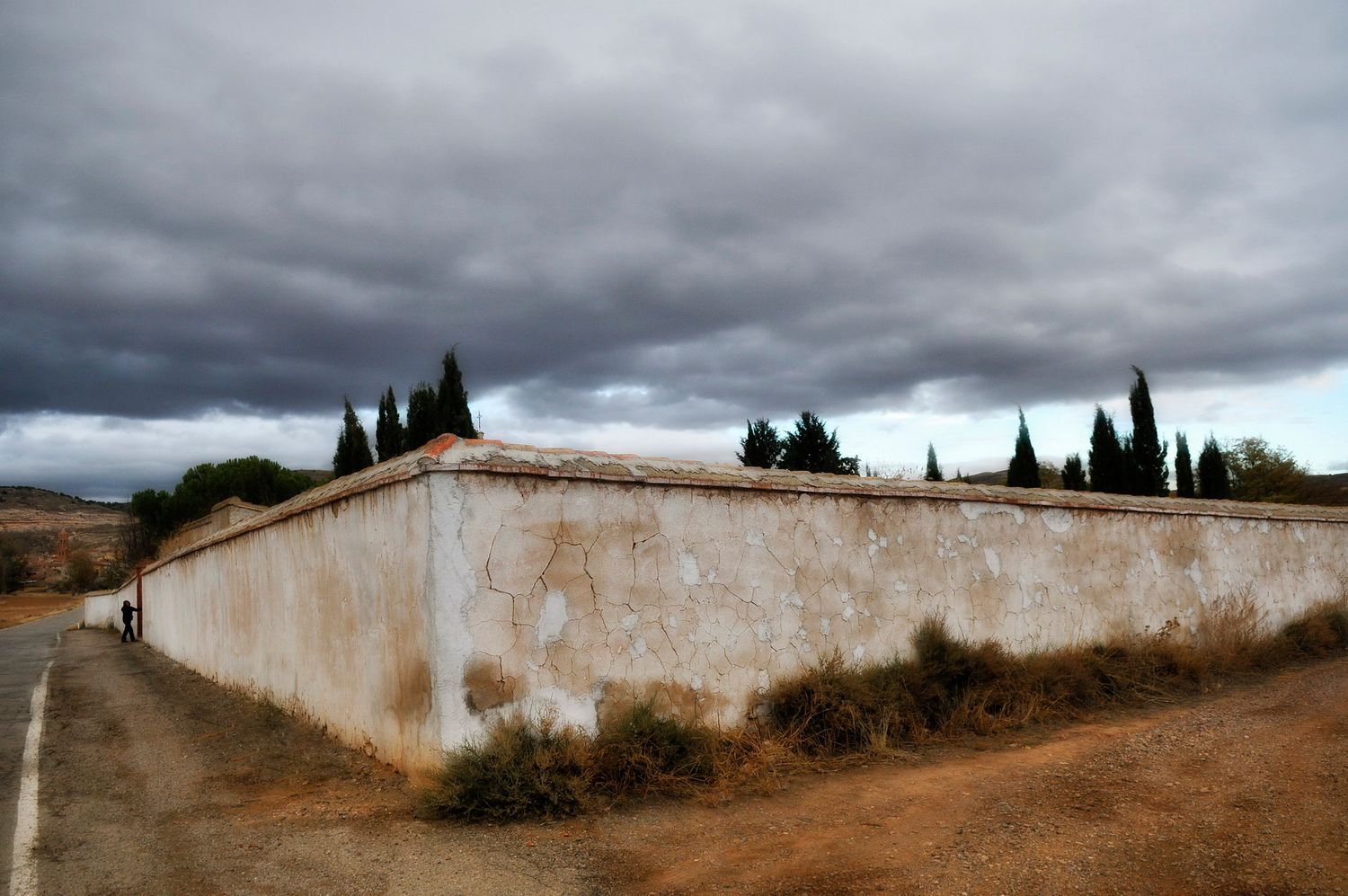
Coming from Los Angeles, and later living in Boston, I had never experienced silence quite like this. It wasn't empty. It was peaceful. As we wandered through the village, one place quietly drew my attention: a long white wall standing at the edge of town. Behind it lay the cemetery, overlooking the same fields that generations of local families had farmed throughout their lives.
There was something deeply comforting about that. In many places, people leave and rarely return. Here, it felt as though the landscape held everyone together. The village, the fields, the church and the cemetery all belonged to the same story, each connected to the lives of the people who had called this place home.
Navarrete reminded me that not every rural village is measured by growth or change. Some are defined by continuity. Life follows the rhythm of the seasons, familiar faces remain, and memories become part of the landscape itself.
There was very little to photograph. And somehow, that became the photograph.
Looking Closer
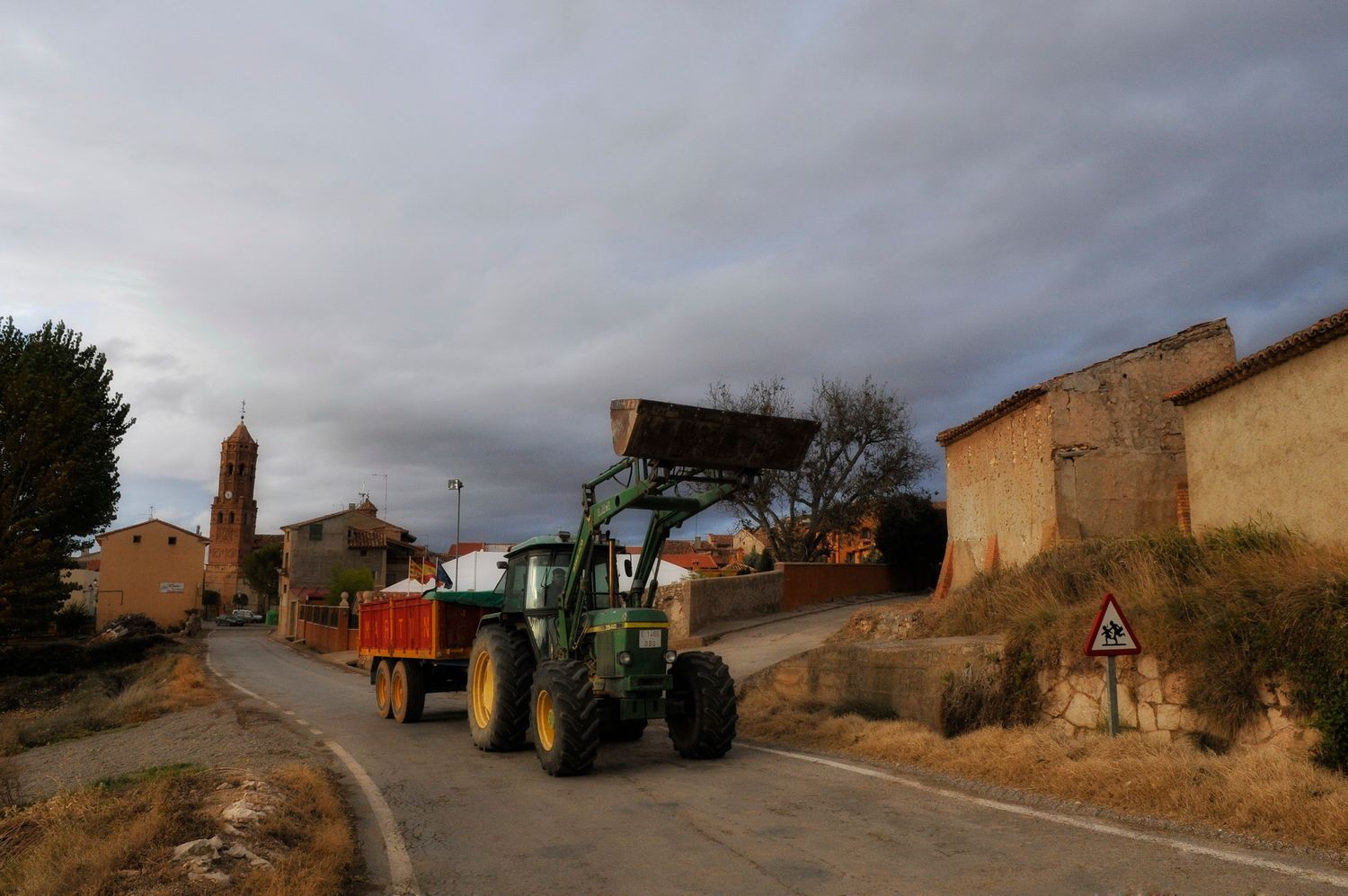
Navarrete is a small village in the province of Teruel, Aragón, with fewer than one hundred permanent residents. Like many rural villages in Spain, its population increases during holidays and summer, when former residents and their families return for local festivals and time with relatives.
Although many villages across Spain have experienced depopulation, places like Navarrete continue to preserve a way of life shaped by agriculture, strong family connections and traditions passed from one generation to the next. Ref. Instituto Nacional de Estadística (INE); Gobierno de Aragón.