
Echoes of History
Albentosa 1944
For a fleeting moment, I imagined what it must have been like to see the world through Margaret Bourke-White's lens.
XI Memorial March· Albentosa, Spain · Echoes of History
September 26–27, 2026
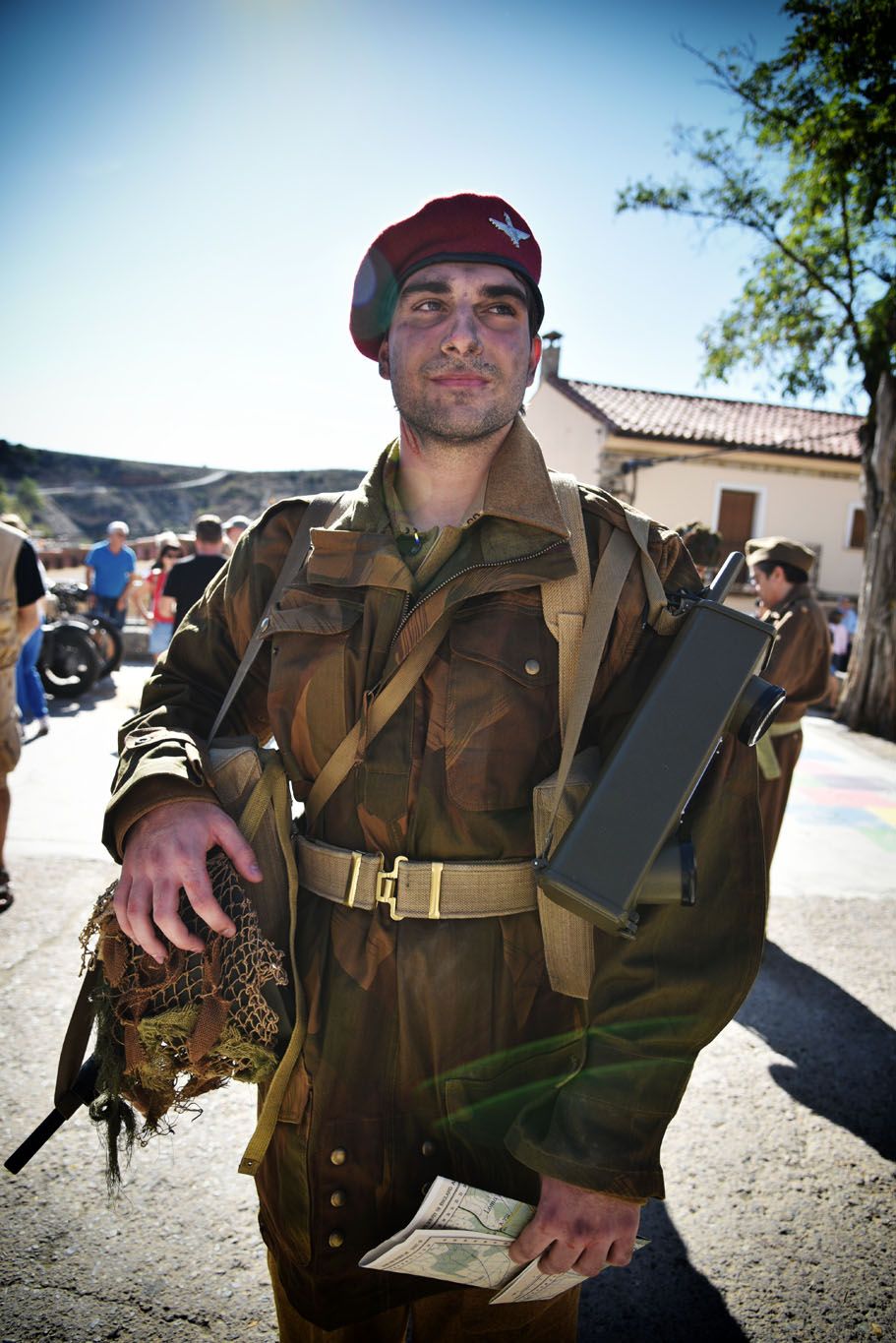
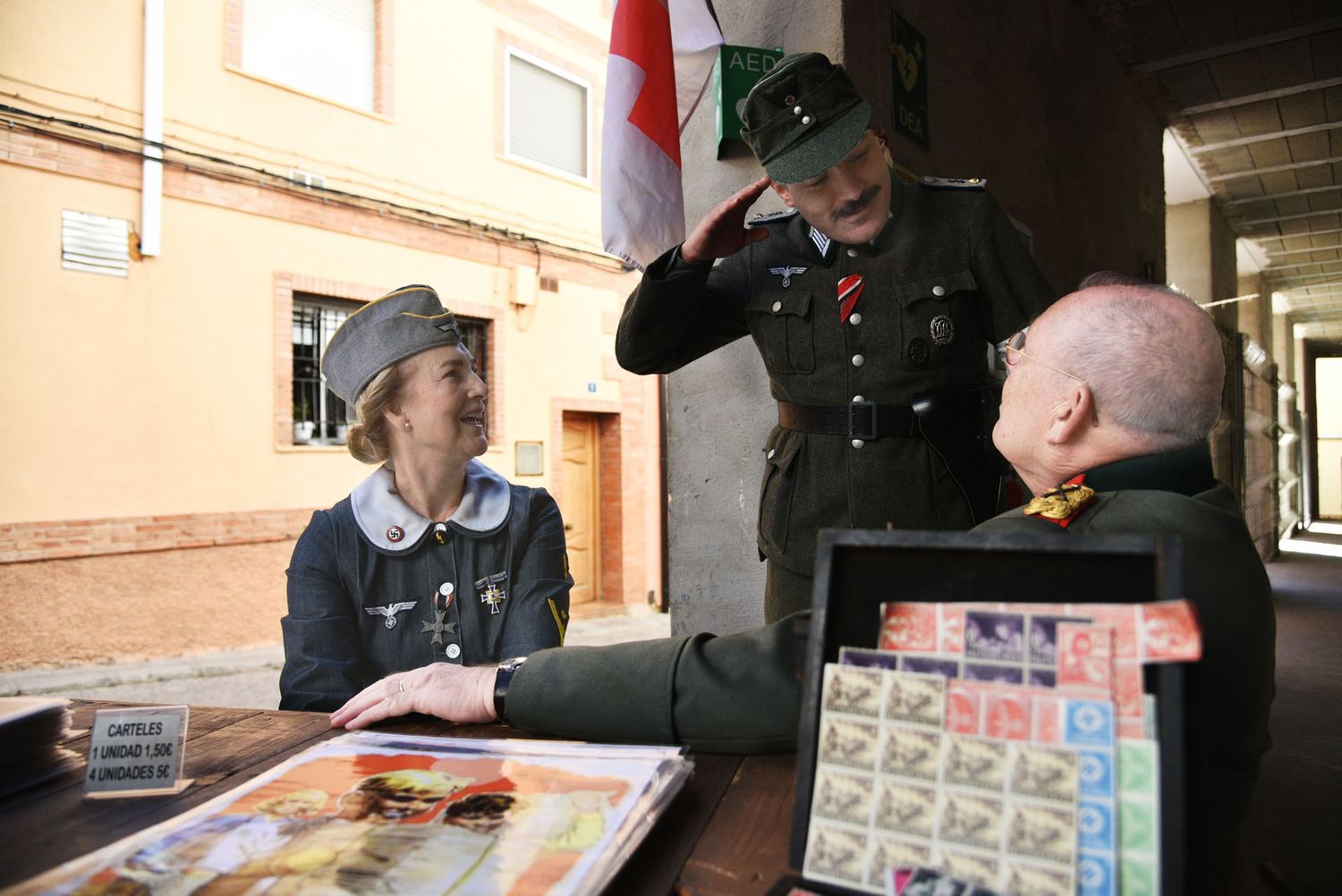
I've always had mixed feelings about photographing historical war reenactments. The uniforms, the details and the atmosphere are undeniably fascinating from a photographic perspective, but I am also conscious of the danger of making war look glamorous. The reality, of course, was anything but. My curiosity, however, got the better of me.
Not entirely sure what I was getting myself into, I decided to follow one of the groups of soldiers as they headed out of town and into the surrounding countryside. I soon discovered that the different troops were taking separate routes, attempting to outflank one another and approach the opposing lines from different directions. Under the glaring September sun, I followed one group across the dry countryside. They marched, sweated, stopped and waited, sometimes for what seemed like an eternity, before finally encountering the opposing troops. And then came the gunfire. I knew perfectly well they were firing blanks, but there was something unexpectedly unsettling about the whole experience. I found myself standing back, taking cover behind trees and wondering, somewhat irrationally perhaps, whether something could actually go wrong. For a few moments, the distinction between reenactment and reality felt strangely blurred.
As I photographed the scene, my thoughts turned to the extraordinary LIFE magazine photographer Margaret Bourke-White, nicknamed "Maggie the Indestructible", who documented the Second World War. I tried to imagine what it must have been like to photograph soldiers under genuine enemy fire, knowing that every shot, every decision and every step could have real consequences. Of course, there was one rather significant difference between Maggie and me. When I'd had enough of the heat, the marching and the excitement, I managed to hitch a ride in a military jeep back to town, where safety and civilisation awaited. A luxury that real war correspondents, and the soldiers they accompanied, could never take for granted.
Ultimately, what stayed with me was the dedication of the men and women who devote their time to recreating these moments in history. Beyond the uniforms, vehicles and carefully planned manoeuvres, there is an effort to keep the past alive and remind us of the human cost of war. I hope these photographs capture something of their commitment, my own curiosity and the uneasy fascination of watching history briefly come to life.






Looking Closer
I've always been drawn to history, particularly the stories of ordinary people caught up in extraordinary events. So discovering a World War II reenactment in the little village of Albentosa, tucked away in the Spanish countryside, was an unexpected surprise. What makes this annual gathering particularly interesting is its connection to two local men, Abilio Marqués León and Pascual León, who served in the American armed forces during the Second World War.
Albentosa is just one of many places across Europe where historical reenactors gather to bring the past to life. From the beaches of Normandy to the villages of Belgium and the Netherlands, these events attract people who share a fascination with history and an extraordinary attention to detail. For me, it was an opportunity to look a little closer, meet some interesting people and discover a piece of history I hadn't expected to find in this quiet corner of Spain.